Reparations – Some Things are Just Owed and Some…

Reparations: Some Things are Just Owed and Some More than Others

Solo Exhibition featuring Wesley Clark
September 22 – October, 31, 2019

artwork | artist statement | curatorial statement | about Wesley Clark

Artist Statement
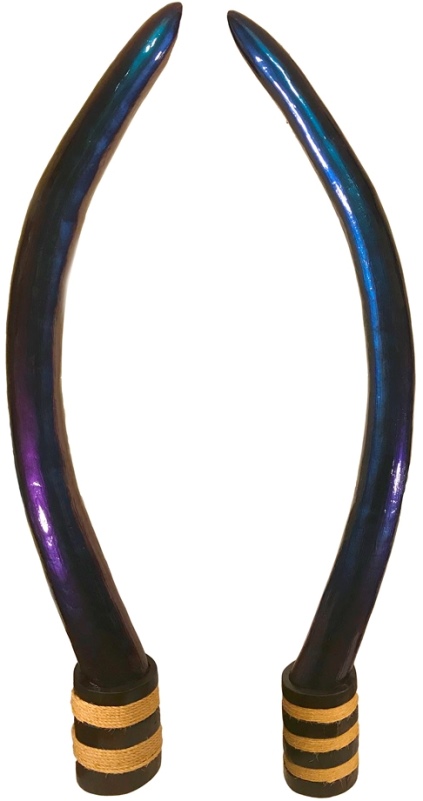
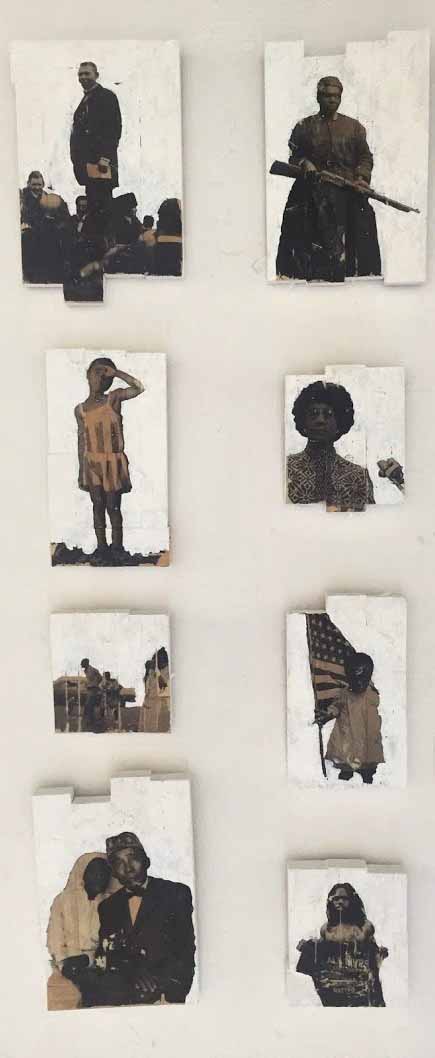
The exhibition, Reparations: Some Things are Just Owed, and Some More than Others, showcases a selection of objects created by a recently discovered artisanal-based company, Reparations & Co. Reparations & Co. (a.k.a. Rep & Co.) founded by Eugene & Morris, two Black men during the Reconstruction era, created functional, subversive, and empowering objects — some futuristic in thought and process. Not much is known about the craftsmen or the company, however, in recent years several objects have surfaced on the auction and secondary markets with the company’s logo, prompting research. As such, researchers discovered what is believed to be their shop in an overgrown, abandoned, dilapidated barn-like structure near Freetown, in Glen Burnie, MD. The collection found is vast and while remarkably well preserved, some objects were vandalized, prompting restoration efforts. On display in this exhibition viewers get a peek into the past through the minds of two craftsmen as they fuse economic empowerment, restoration of identity, and more into their functional and decorative objects; during a pivotal yet short-lived period of American history.

The fictitious narrative of Reparations & Co. is what drives many of the aesthetic choices; it is the vehicle used to create a dialogue on ideas of racial socialization — as described in Post Traumatic Slave Syndrome, by Dr. Joy DeGruy — as a means of expanding and internalizing the discussion of reparations to include what we as Black Americans owe ourselves.

“…the process whereby we come to know our strengths, understand the world in which we live, and position ourselves to thrive. Continual education is at the heart of racial socialization. For young children, education is the elder’s responsibility. For adults, the responsibility is our own. We have to remain vigilant and questioning. We have to continue to constantly endeavor to keep ourselves informed and our education current. We have to question the image we ourselves are portraying. We have to examine the sounds and pictures we expose ourselves to. We have to filter what we hear on the news and strive to understand what is true.“
– Joy DeGruy, Post Traumatic Slave Syndrome

watch Joy DeGruy lecture on Post Traumatic Slave Syndrome

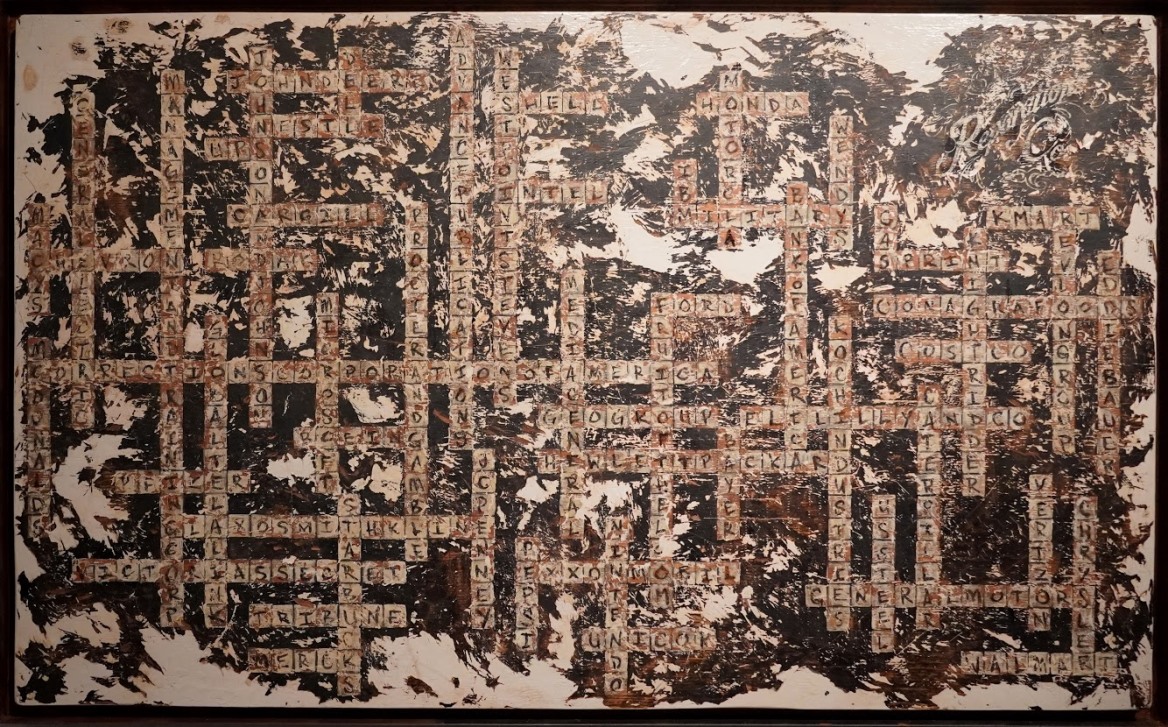
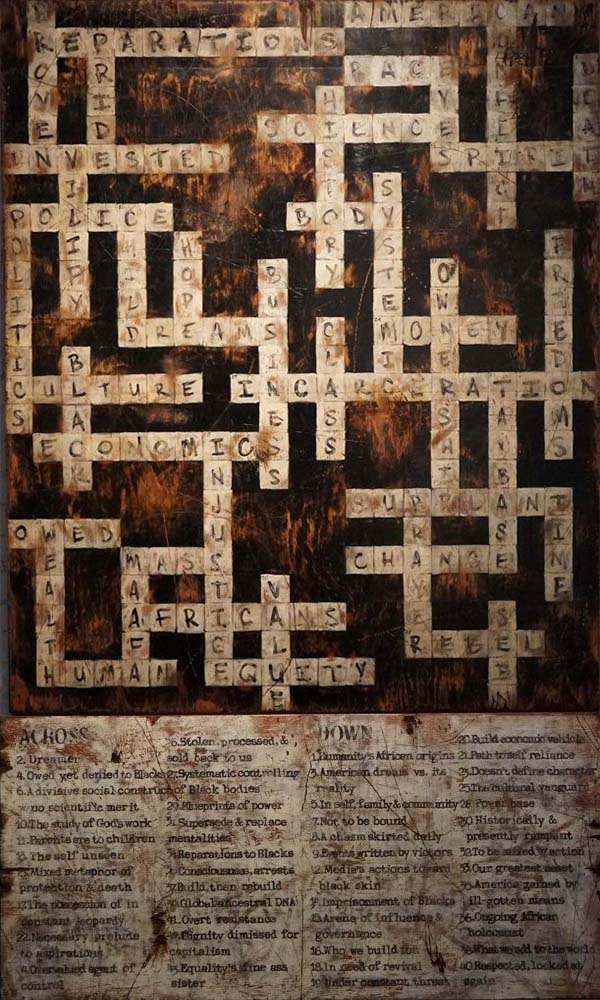
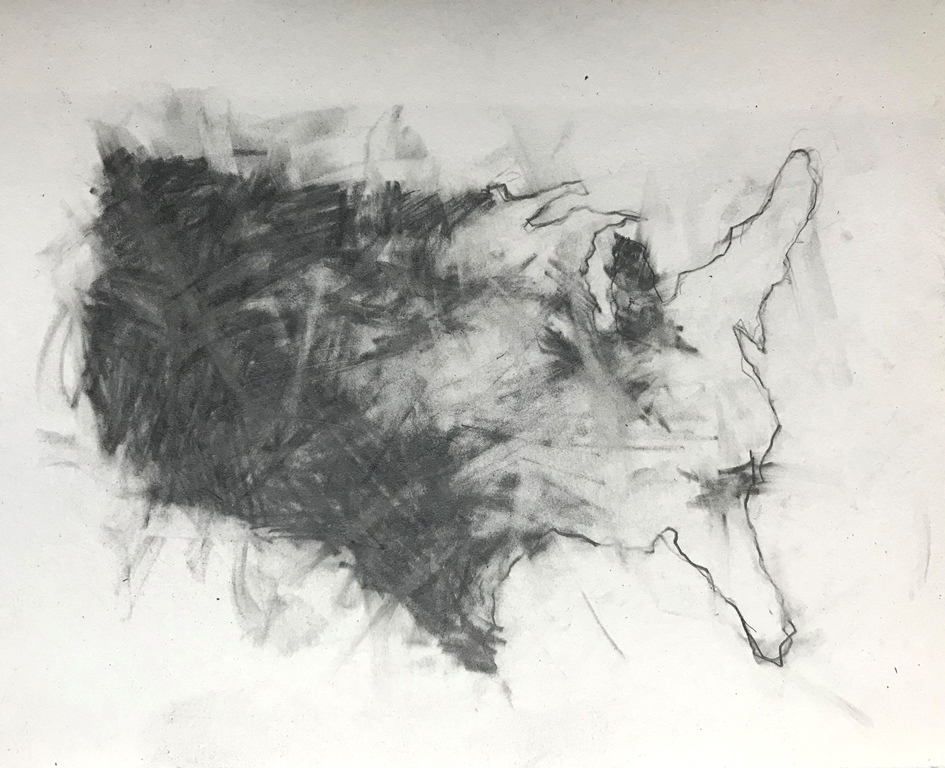
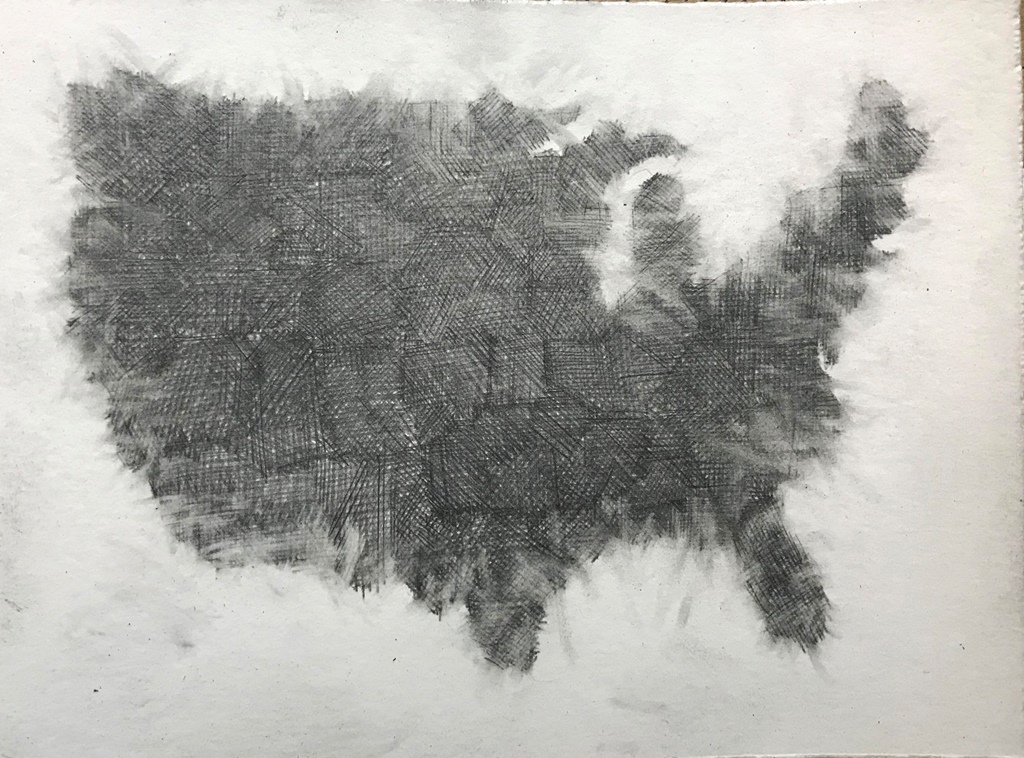
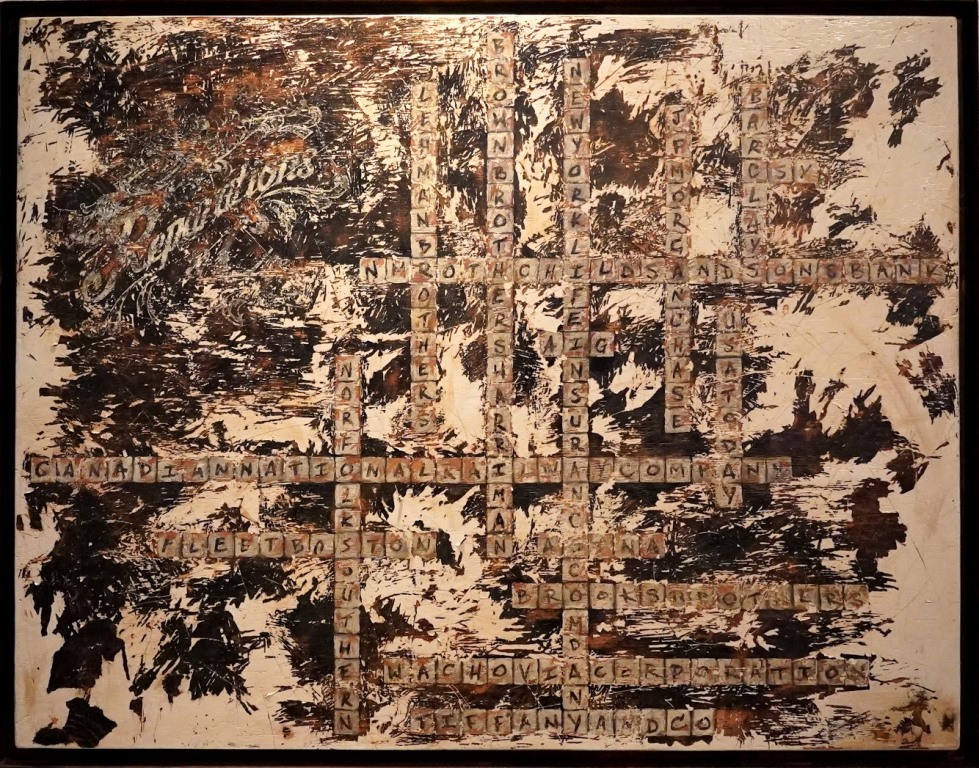
Whether from present day or generational trauma, communal preparation and advancement are at the heart of this body of work. Under the umbrella of preparation, inwardly focused themes around mental health, family history and legacy, self-respect and dignity, leadership, rebuilding the Black economy and restoring relationships are touched on as a means of being solution-oriented. While there are outside influences discussed on the traditional theme of reparations, the focus remains inward. Two examples of such influences can be found when examining the works The Profiteers 1 & The Profiteers 2. The first recognizes existing companies operating in the US (though possibly under a new name) that profited from the enslavement of Africans. The second names corporations that have or still use prison labor and thereby support the growth of the prison industrial complex (i.e., Sprint, Verizon, Bank of America and Walmart). My intent is to think about self-respect, as well as building and supporting a Black economy, as each name listed represents an industry for the Blacks to build and compete in.

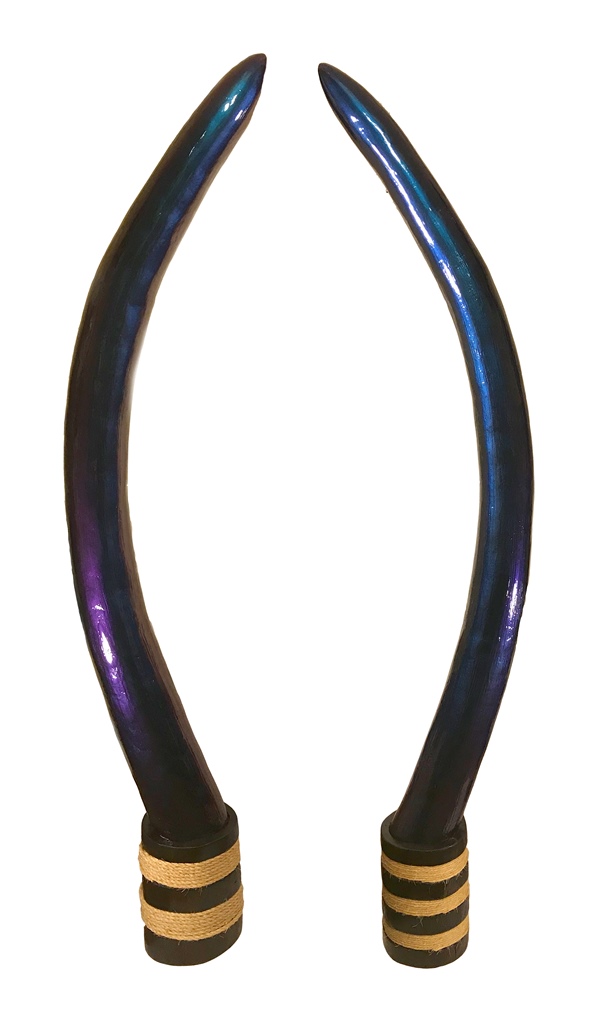
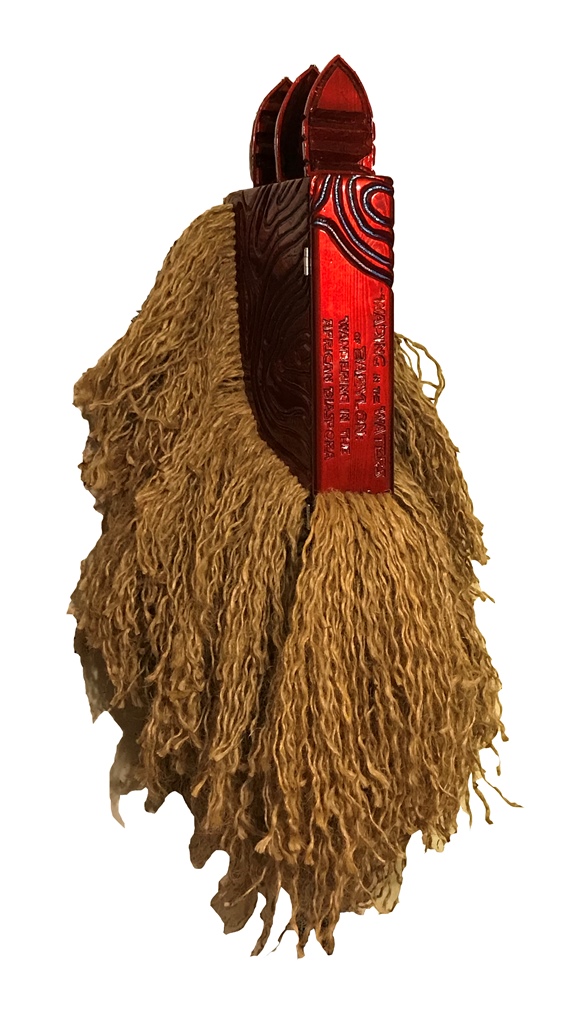
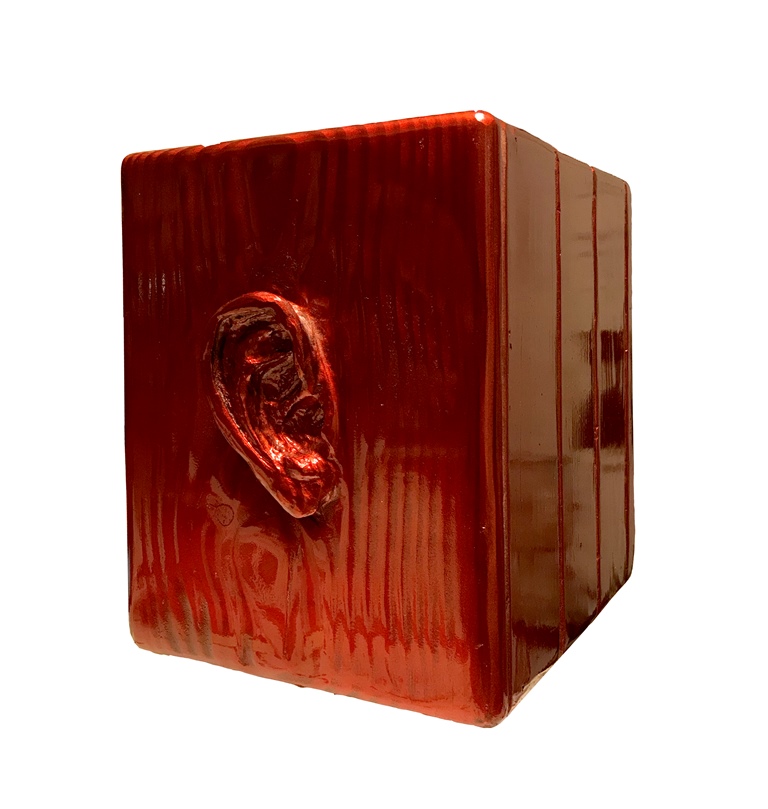
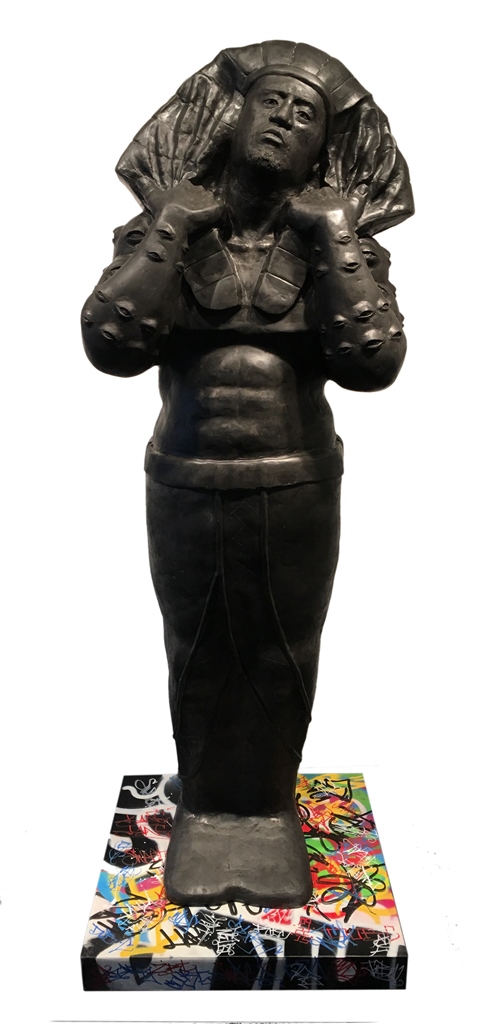
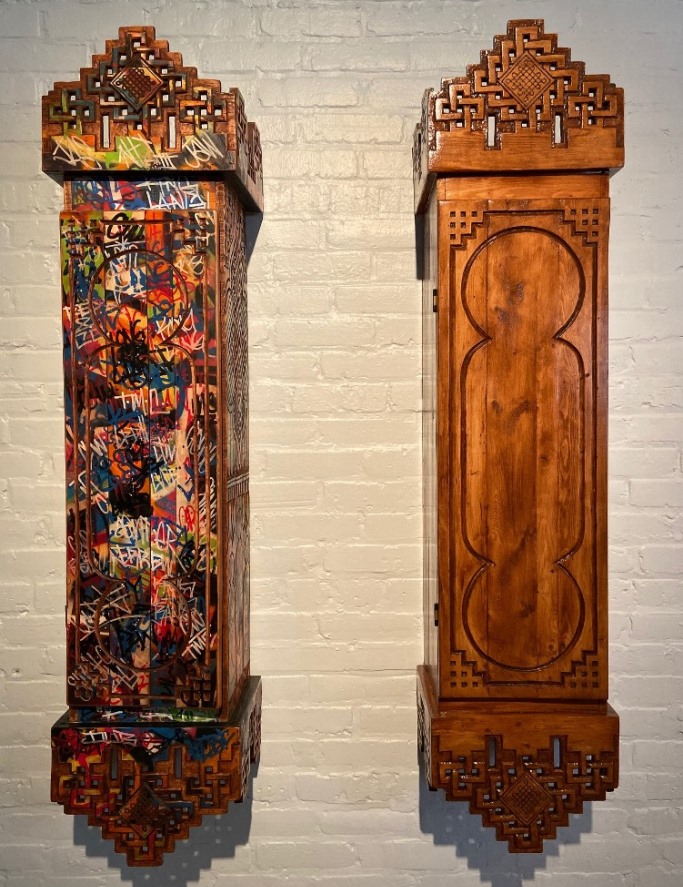
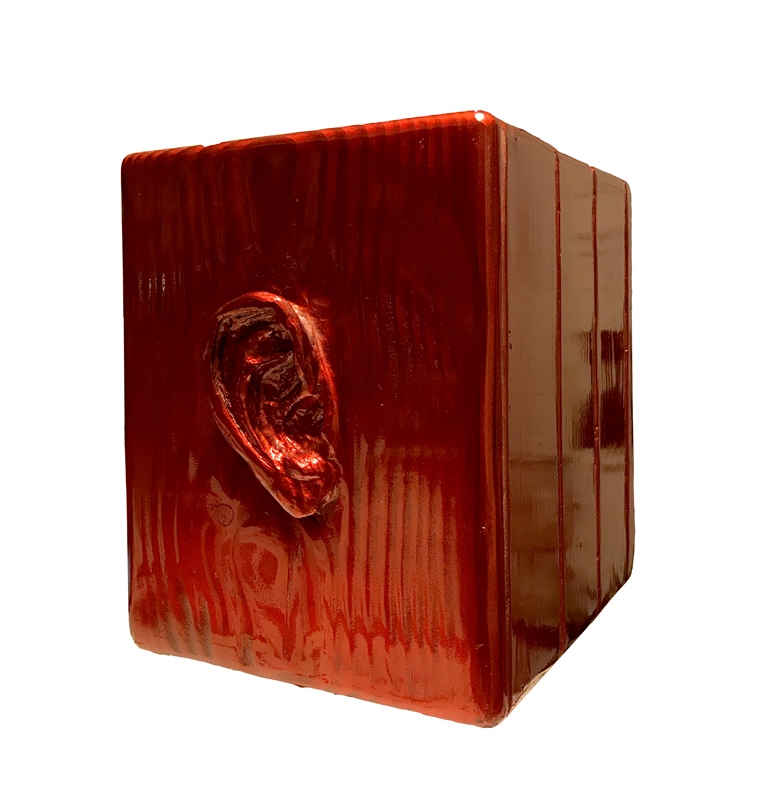
A large portion of my work considers aging, weathering, and/or antiquing objects driven by fictional narratives, which informs my aesthetic choices. Most often this process is about linking present day content to historical issues, or ideas around value. Objects that are salvaged and displayed are deemed to possess a certain value or esteem. I set the stage for that sense of value to be linked to contemporary socio-political or socio-economic issues and conversations. With this body of work, I’ve chosen to incorporate custom automotive high gloss paints — often used on “tricked out” or restored cars — as a contemporary reference to notions of value. These “candy” or “flip flop/color shifting” paints are typical for early/classic model cars souped up with big, fancy rims, chrome details, or engine/body modifications. These cars have been popularized by rap culture in particular and therefore are associated with money, fame, and all that comes with it — just as owning a certain antique furniture piece once were — hence speaks to a younger generation’s value system. Such paints were incorporated into the works, Restoring our Majesty, Wading in the Waters of Babylon, and The Tell-All Earbox: Model no. C3l3stial-4, as one of two visual elements — the other being “tagging”/graffiti writing — to fuse the temporal space between the antique lover and millennial mind.

I’m not concerned with the viewer engaging my personal narratives that drive the work. More often than not, they’re just for me and my process. Reparations & Co. marks the first time my working narrative has held an elemental position (in the form of a logo placed on a few works) and thus a larger more robust storyline has emerged. I work with fictitious narratives as a means of setting a stage for myself mentally — and every stage has its props and boundaries. Therefore I’m constantly questioning, “Does this idea/object fit within the boundaries of my stage and how?” The objects (props) I choose to create are often ubiquitous, even mundane items with slight hybridity-like aspects tossed in for good measure. For the viewer, it’s the objects’ familiarity — loaded with preconceived notions and understandings – that allow entryway. With that familiarity in place, the stage is set for viewers to explore the relationship with the “foreign” social and/or political elements incorporated into the work.
Reparations Some Things are Just Owed and Some More…

Reparations: Some Things are Just Owed and Some More than Others

Solo Exhibition featuring Wesley Clark
September 22 – October, 31, 2019

artwork | artist statement | curatorial statement | about Wesley Clark

Artwork

Tawny Chatmon Exhibit at Fotografiska
Tawny Chatmon Exhibits at Fotografiska, New York, NY
December 14, 2019 – March 22, 2020

Tawny Chatmon
Inheritance

”Our children inherit what we don’t resolve” anonymous

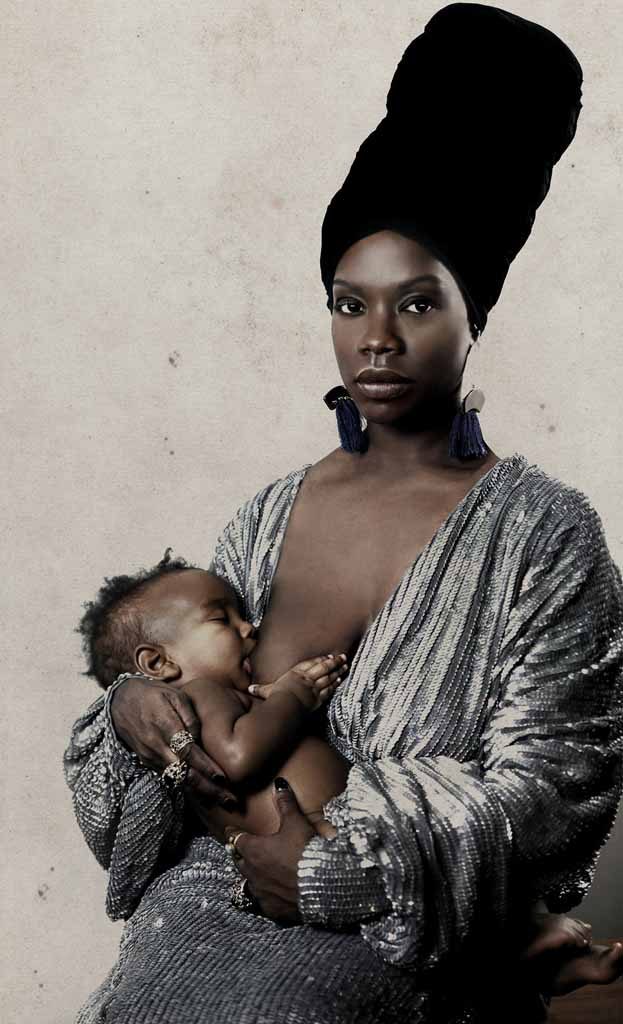
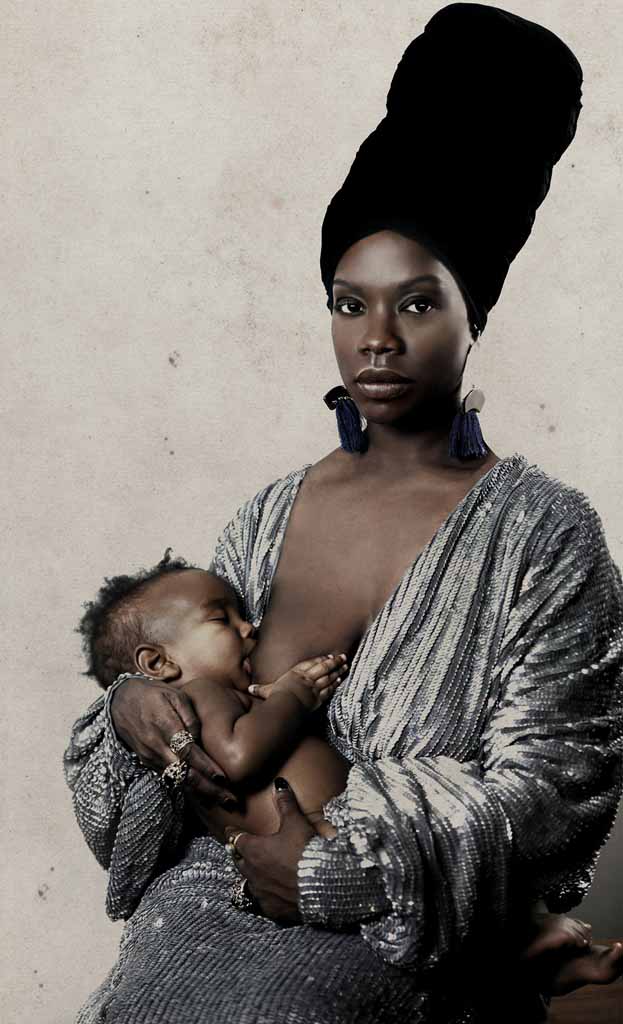
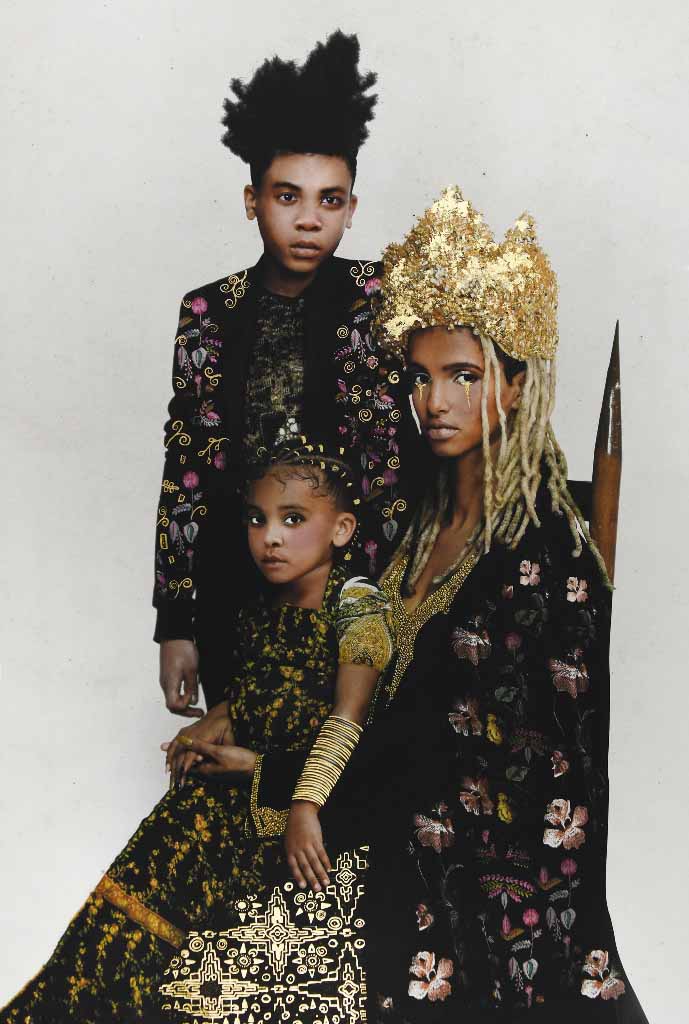
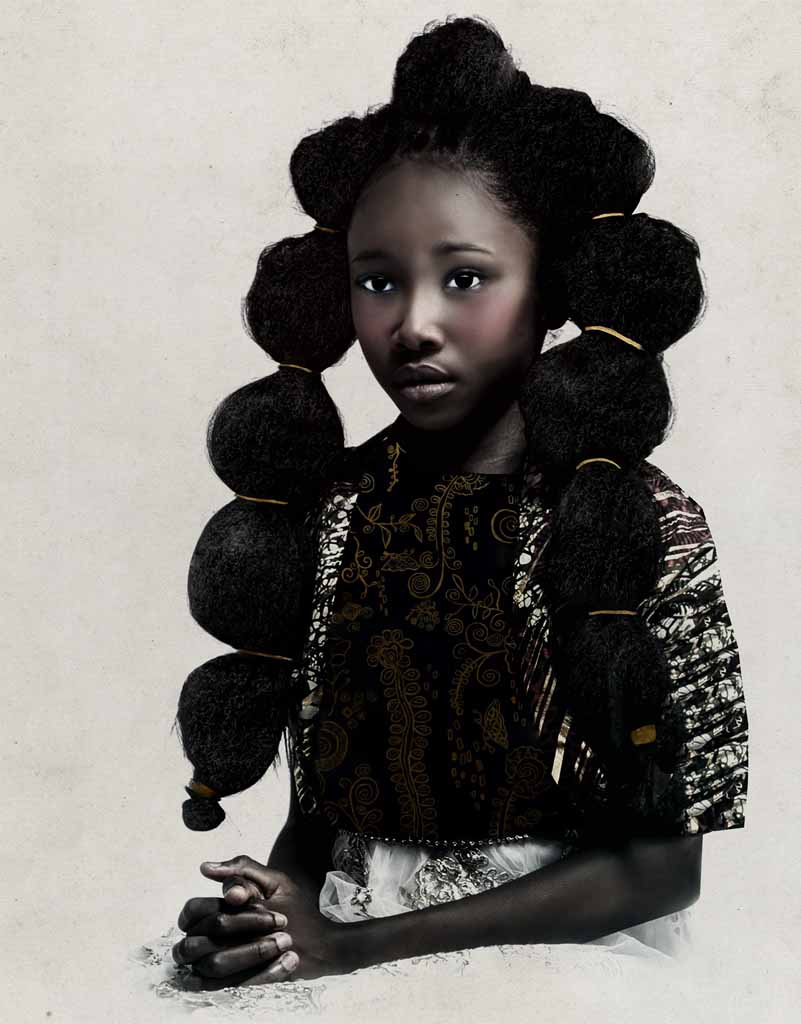
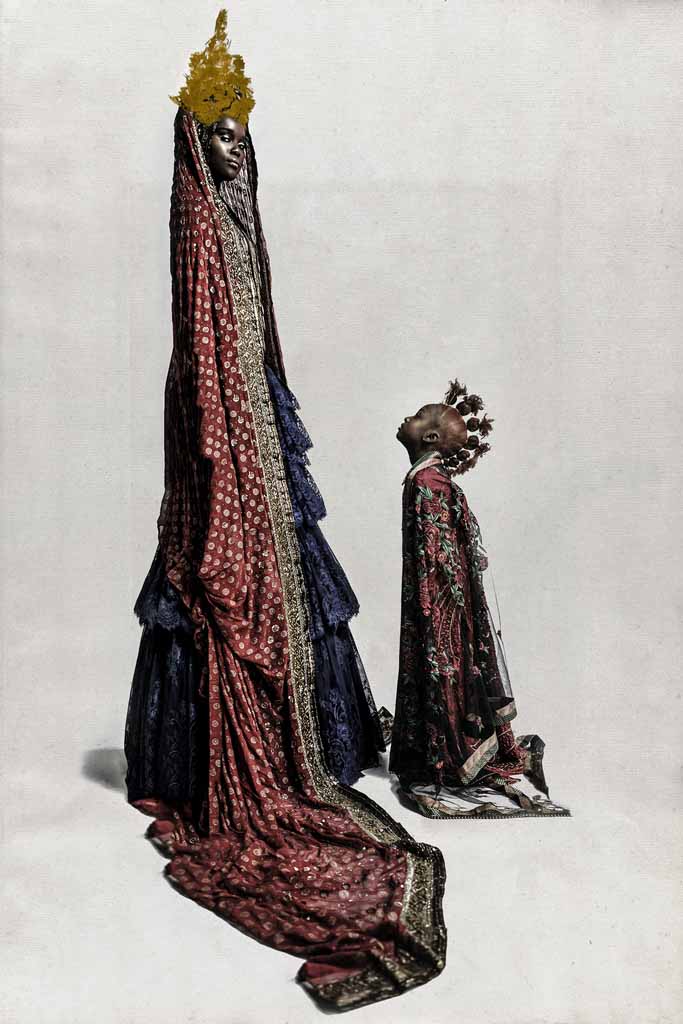
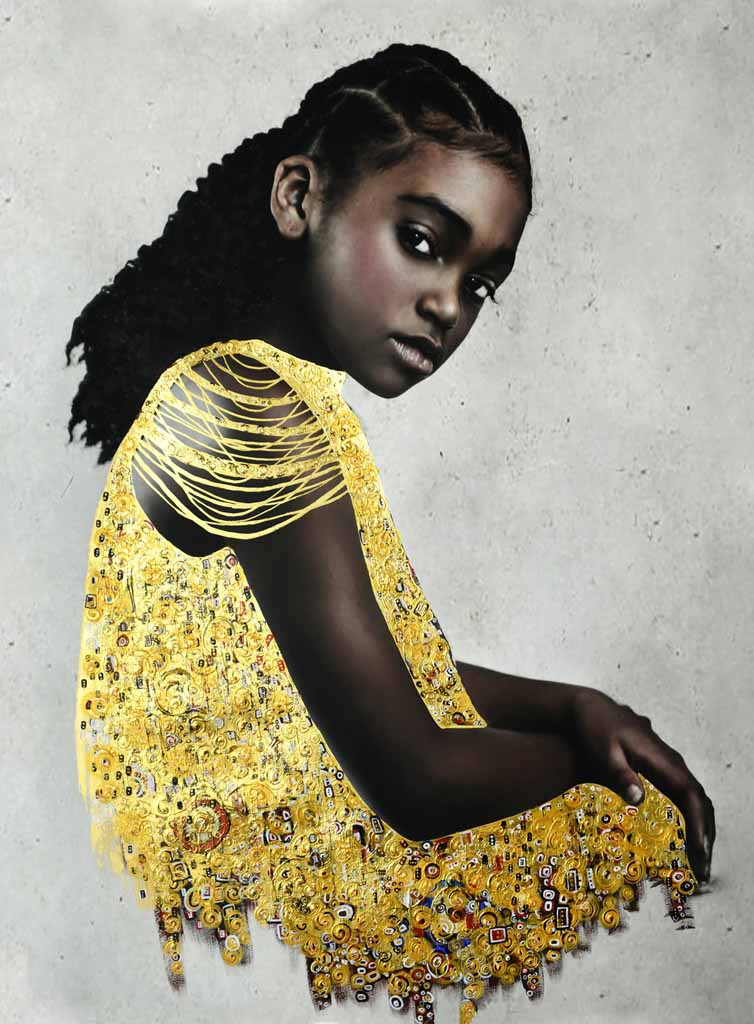
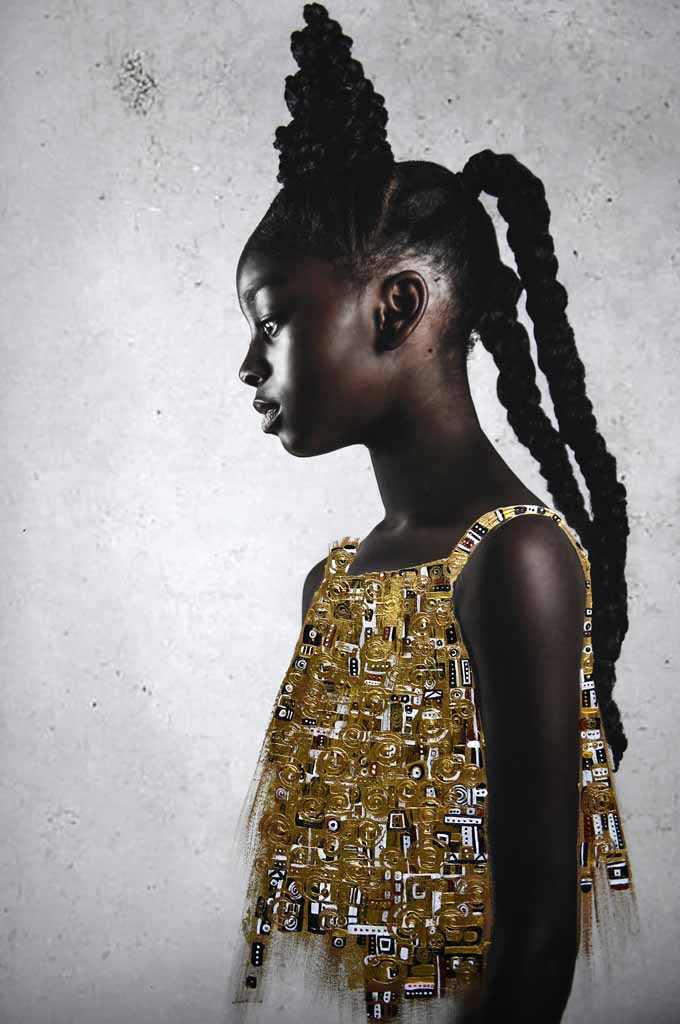
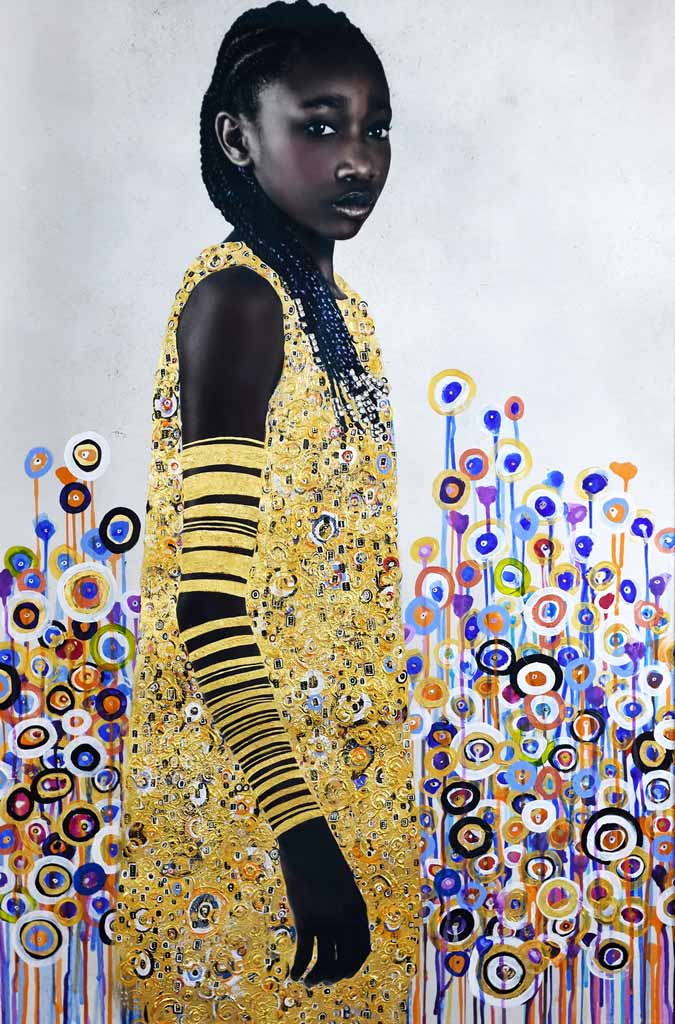
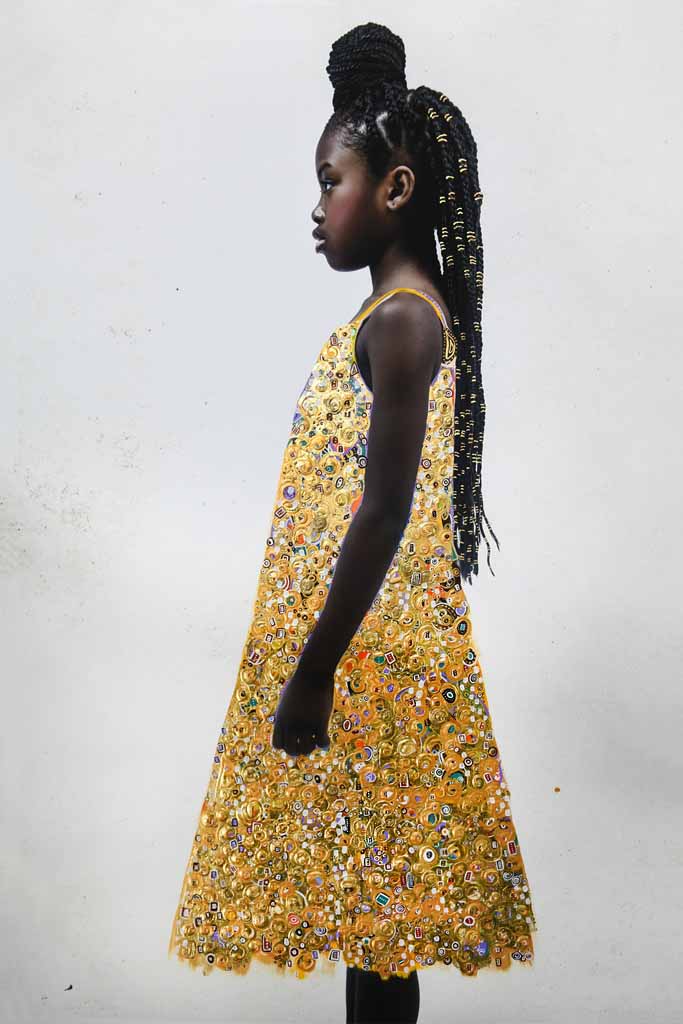
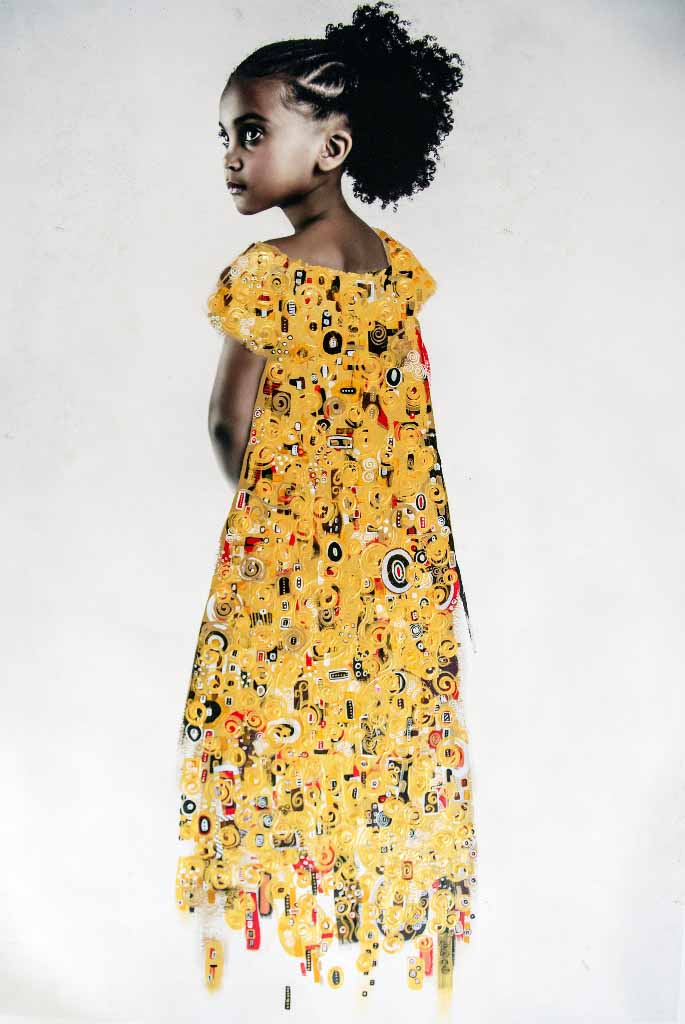
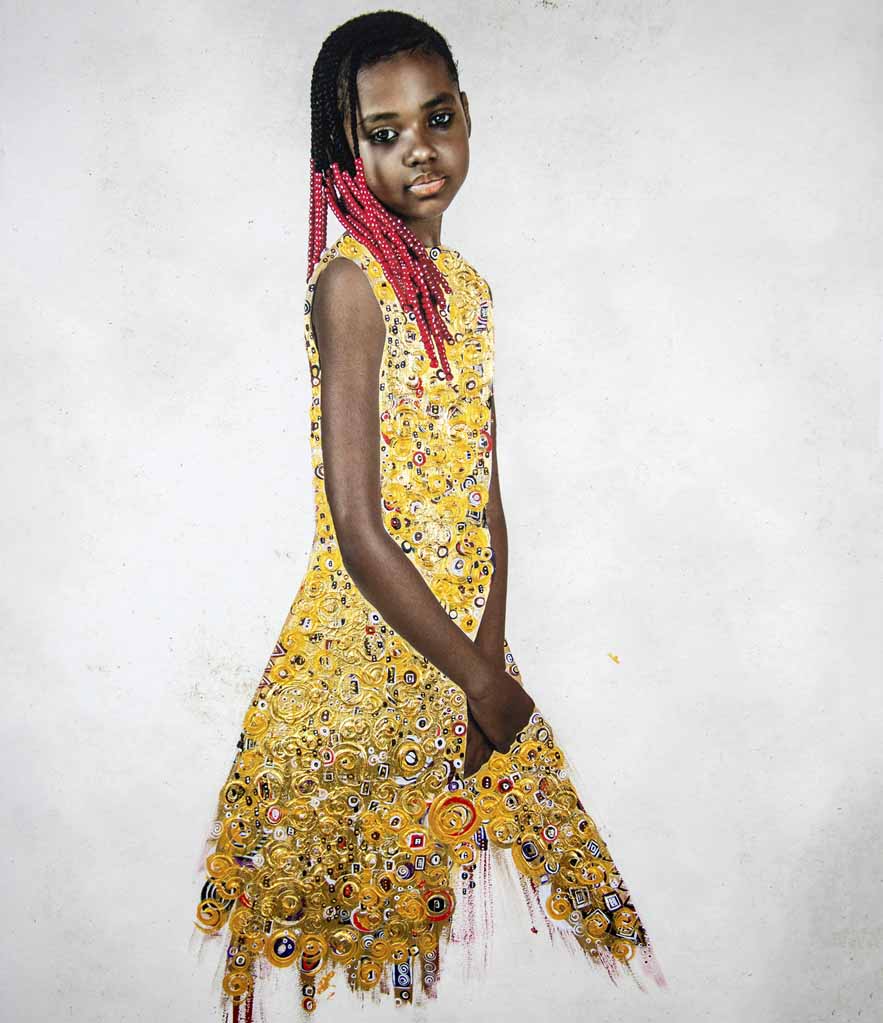
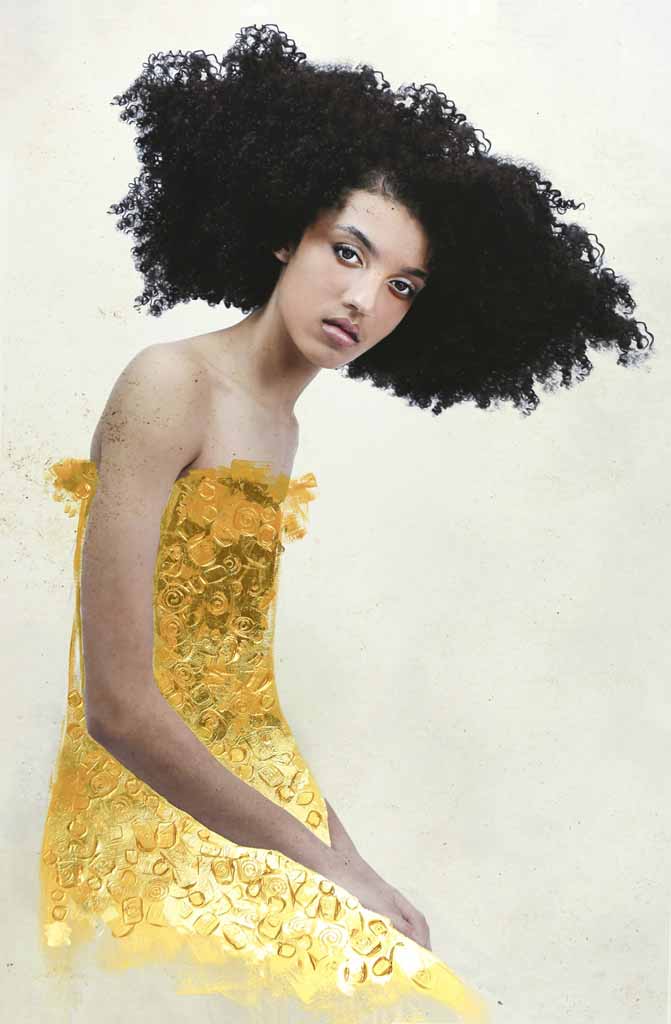
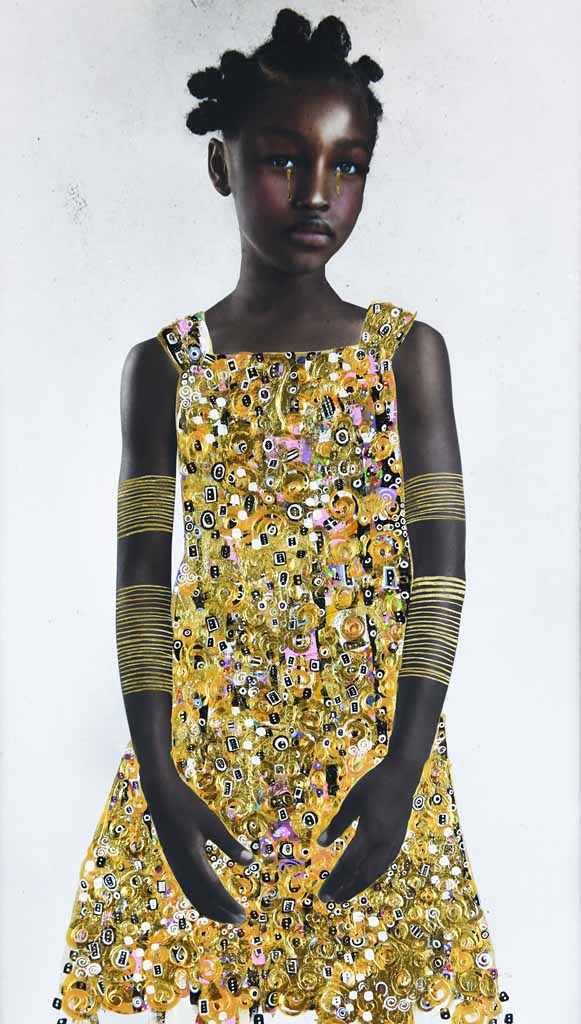
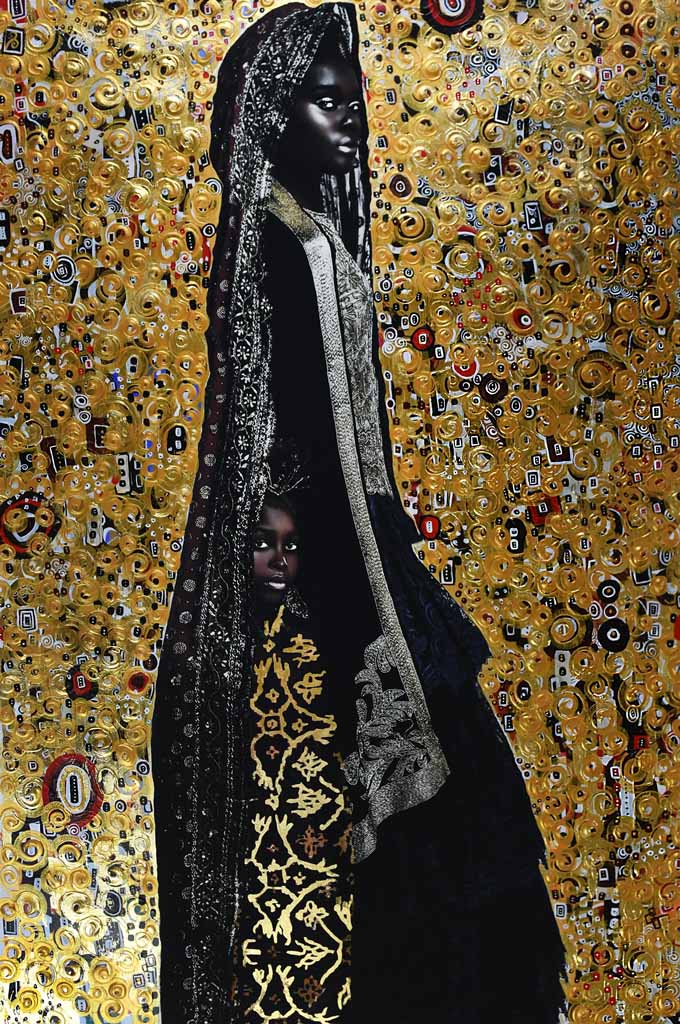
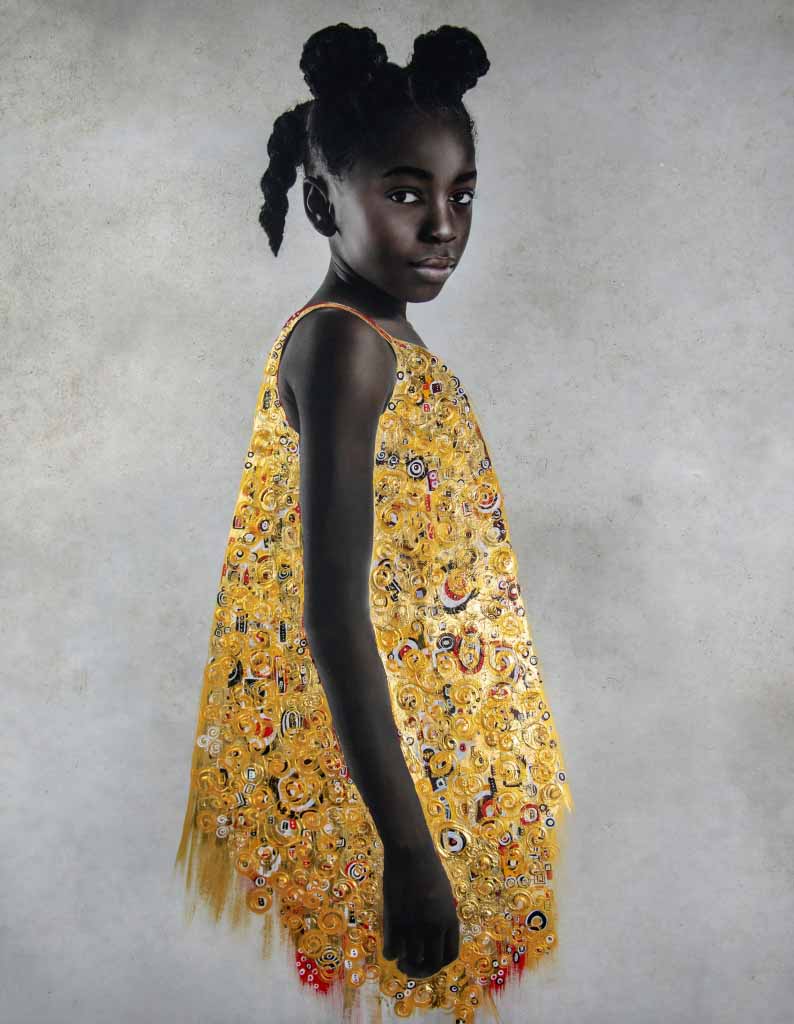
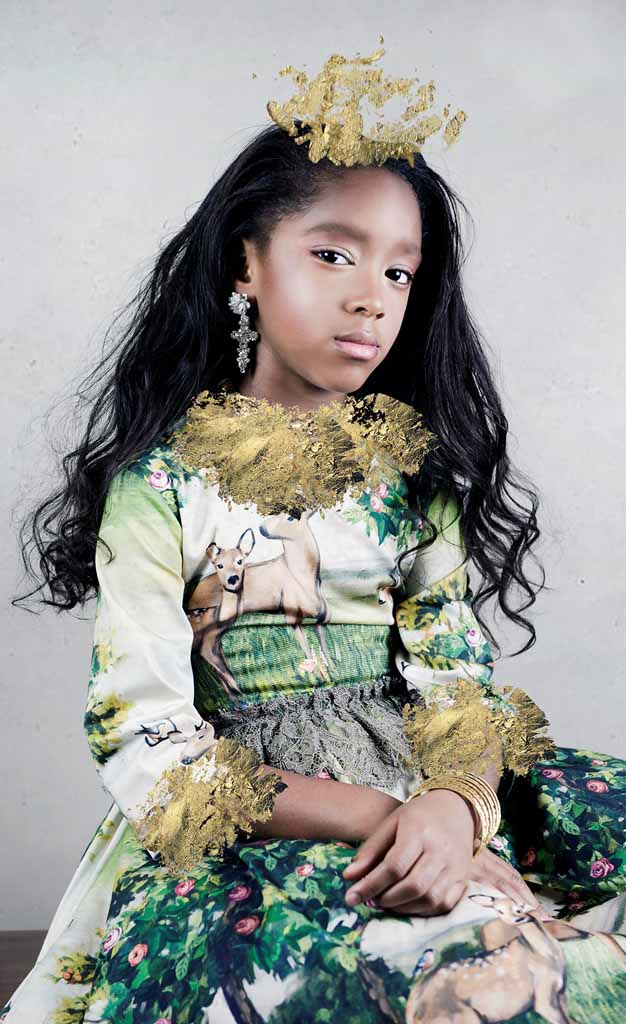
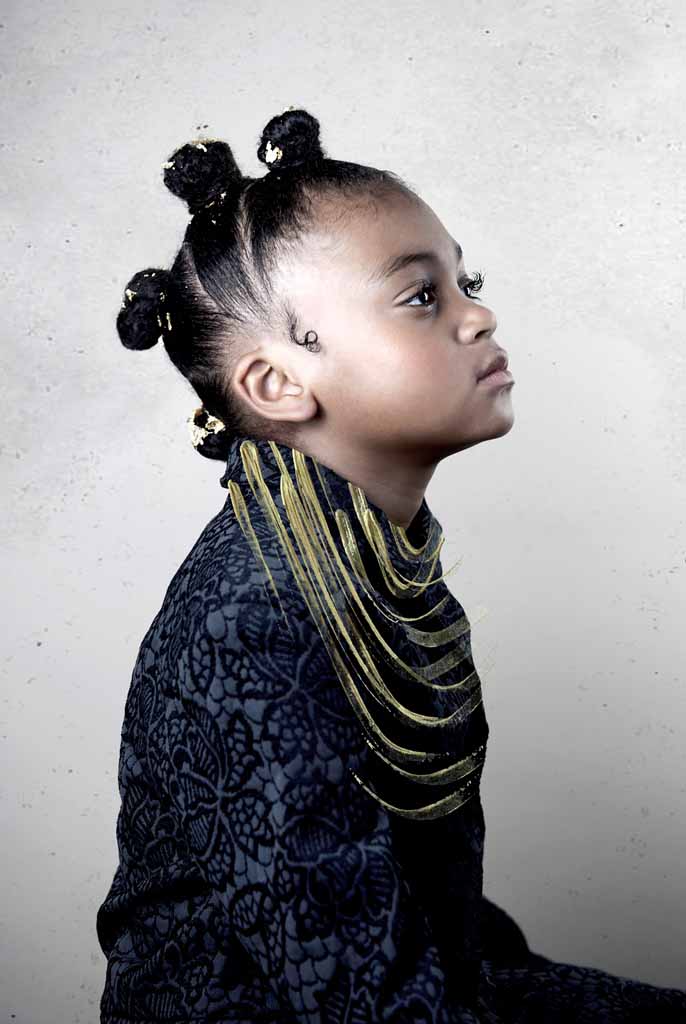
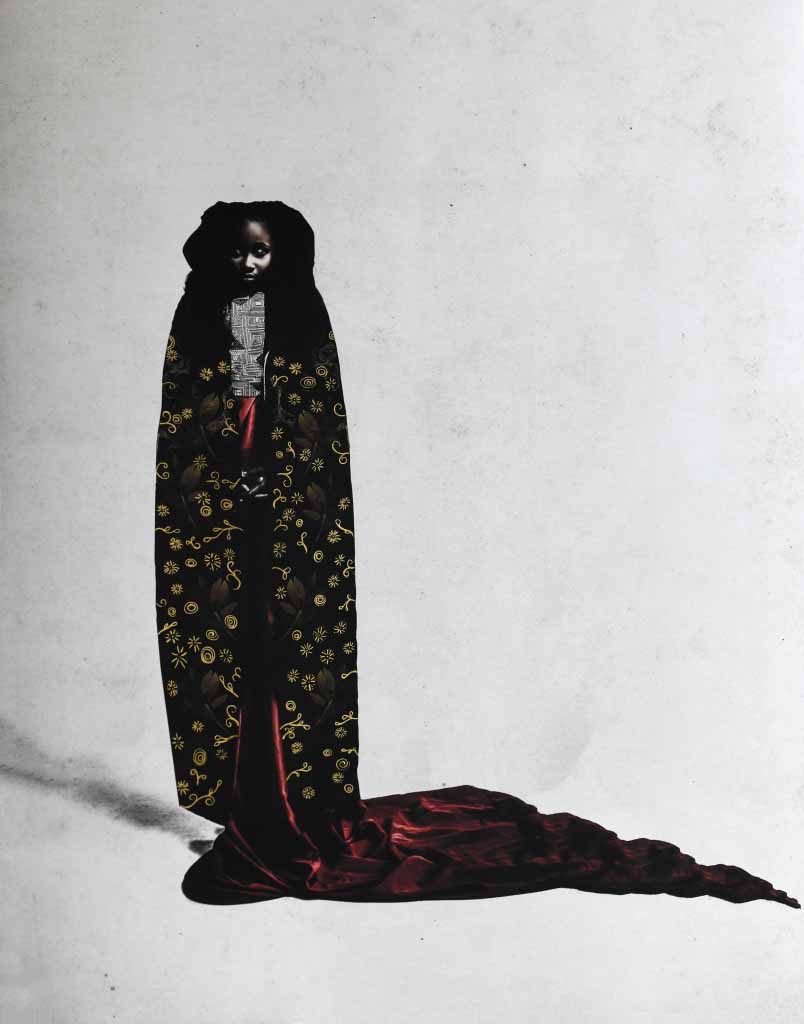
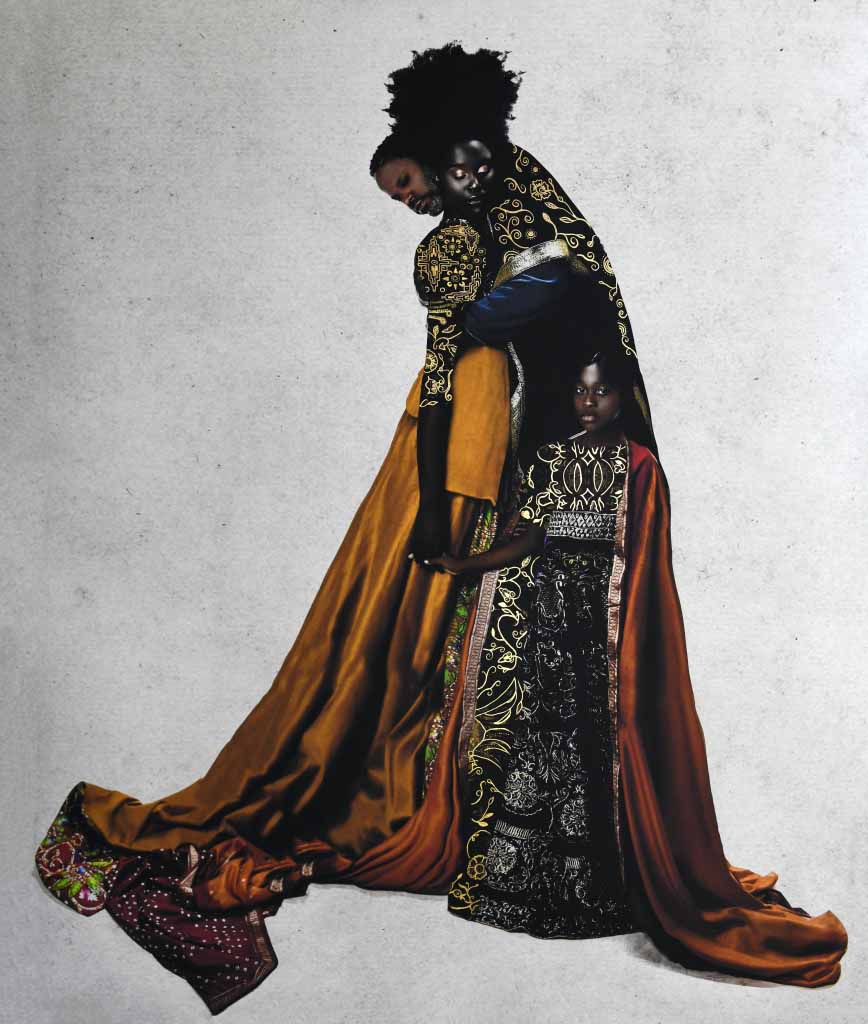
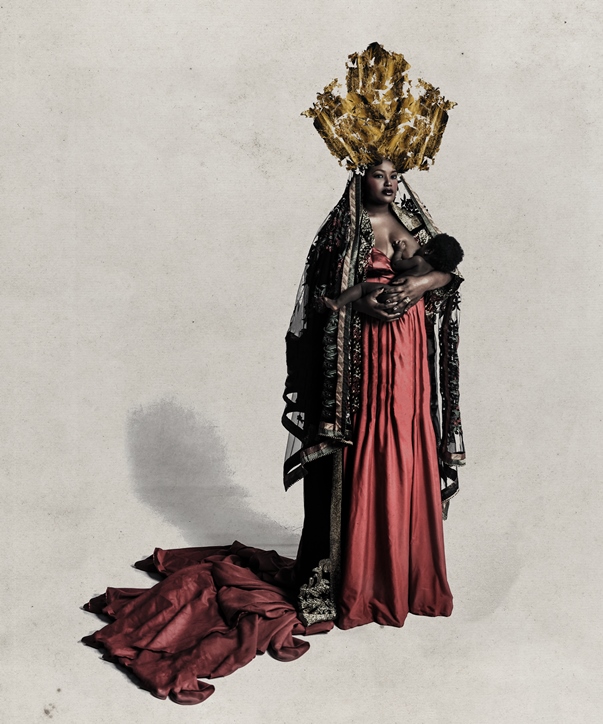
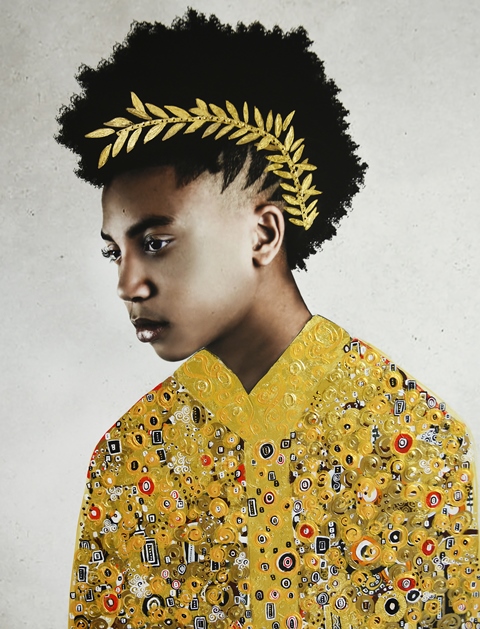
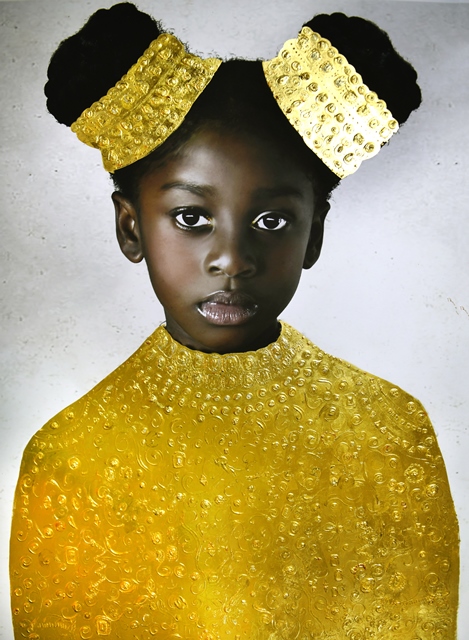
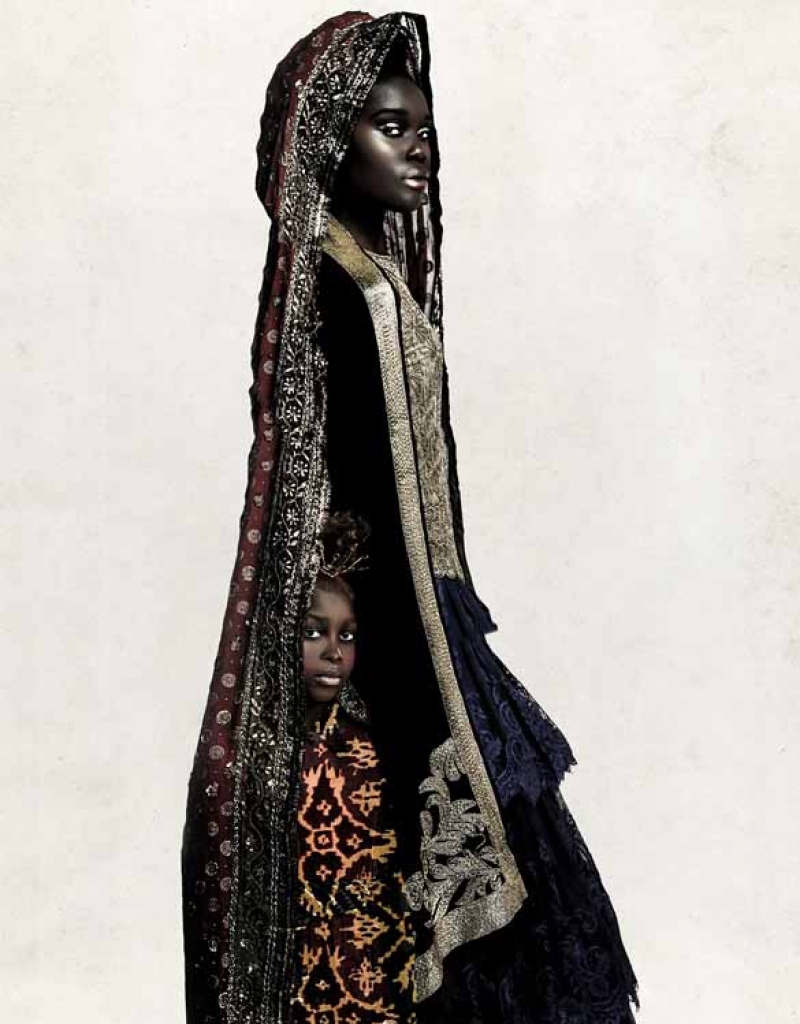
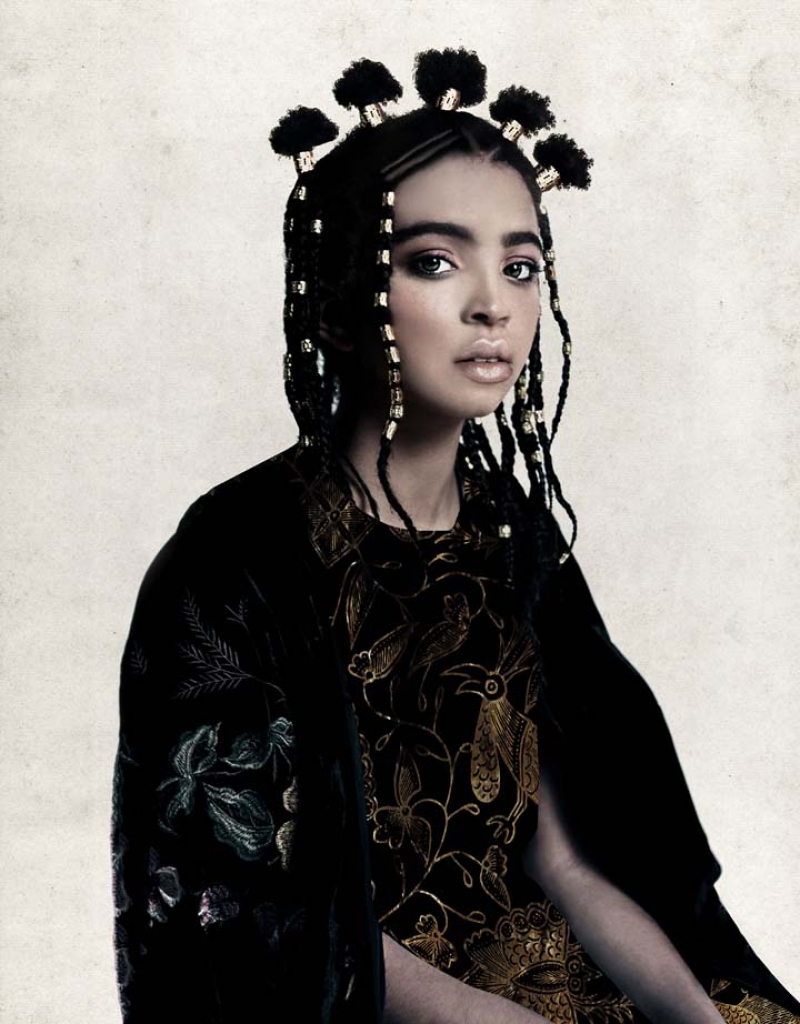
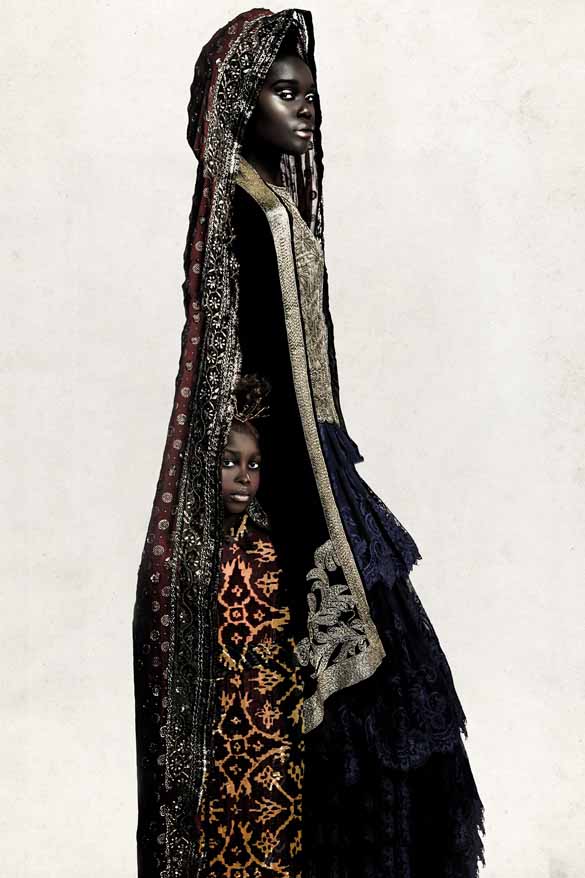
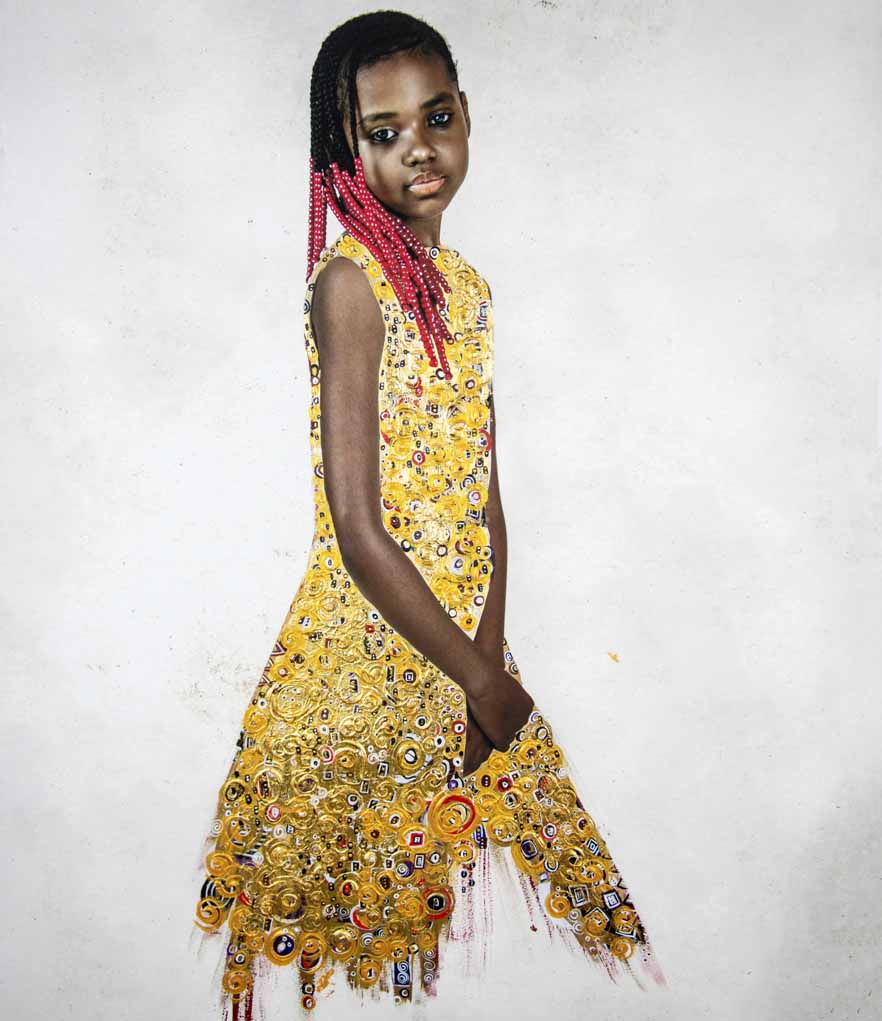
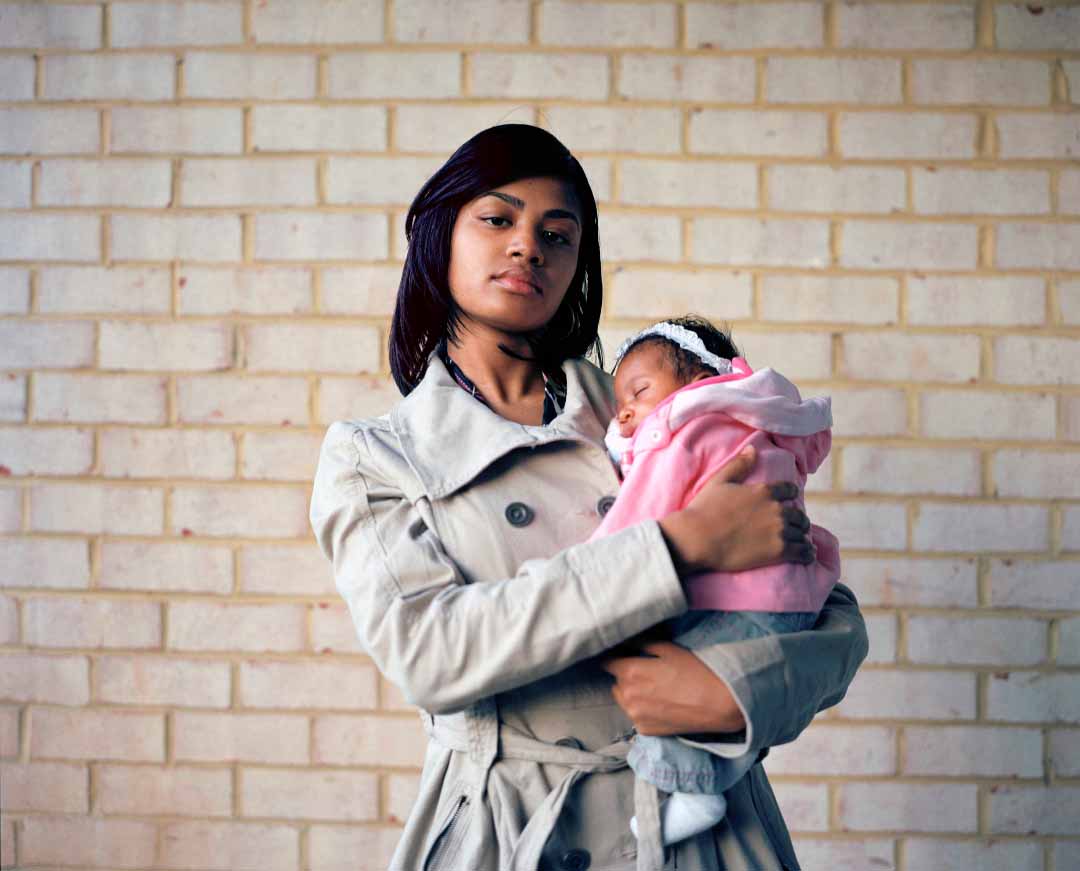
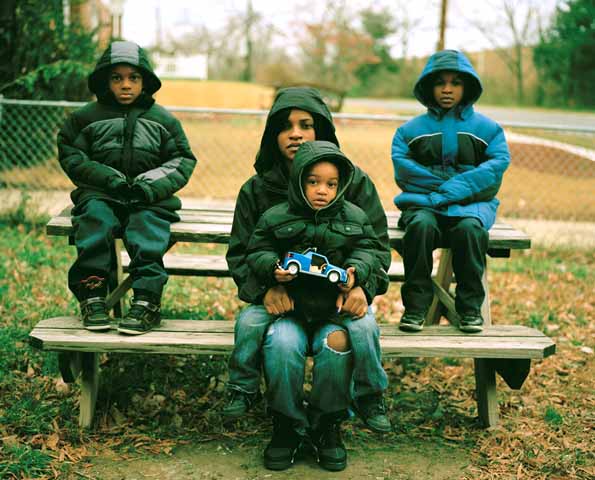
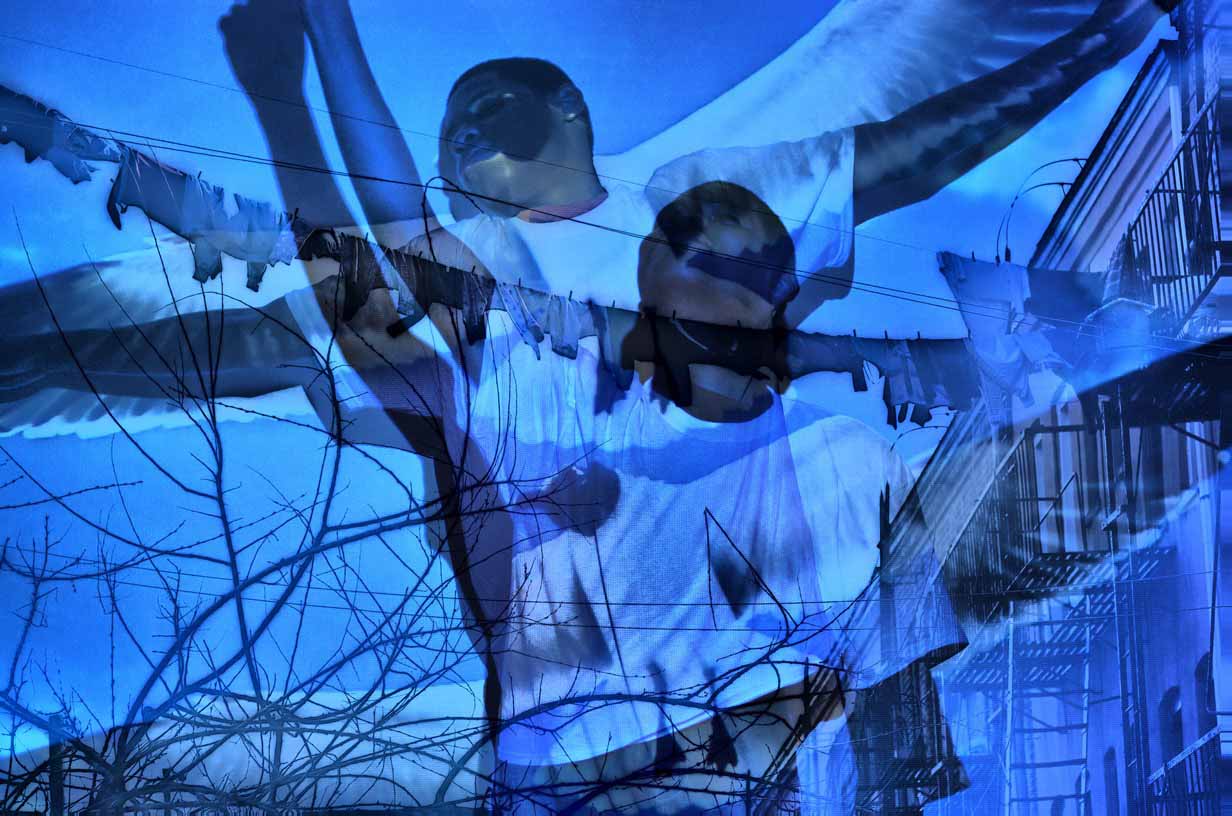
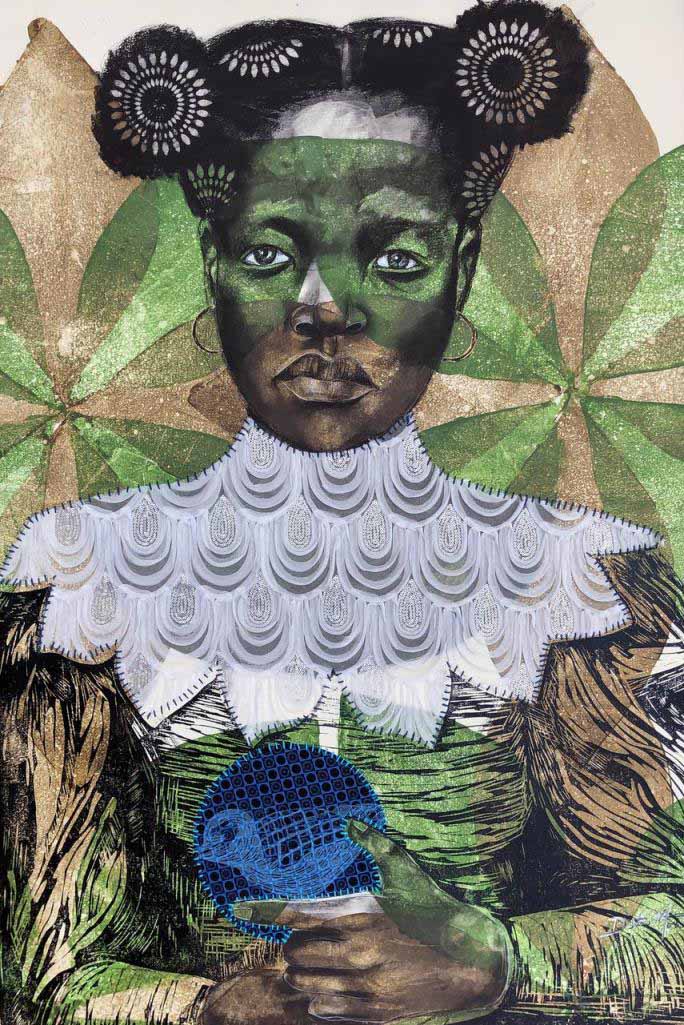
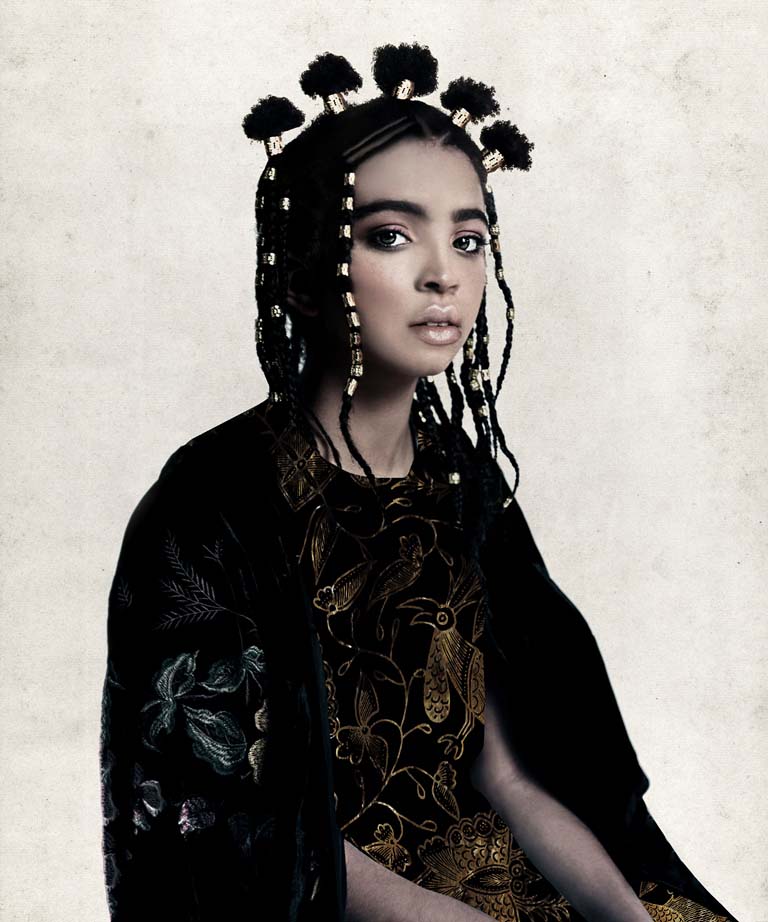
Inheritance, by Tawny Chatmon (American, b. 1979), invites the viewer to look beyond the decorated and nuanced portraits to examine issues of race and the historical positioning of African American portraiture in the absence of subjugation of the “black body” in Western art.
Chatmon, a mother of three black children, draws from her life experiences and belief that children inherit our memories, beliefs, traditions, and the world that we leave behind. Through her photographs, she conveys a message to her children, and to all black children, that they are precious, valued, and loved.

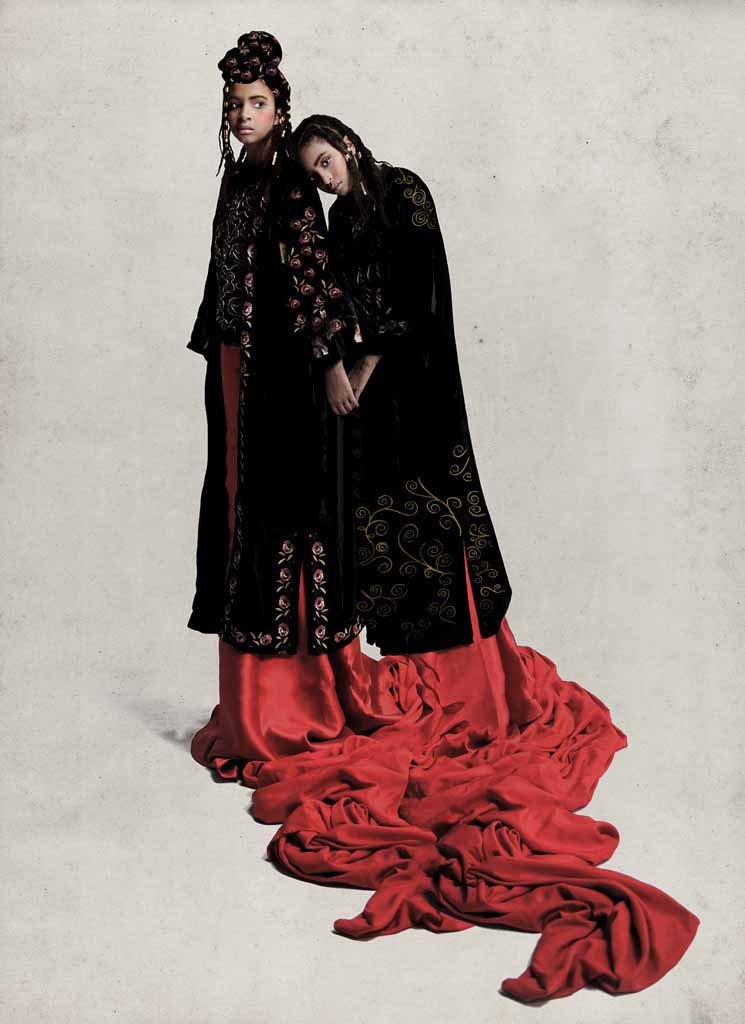
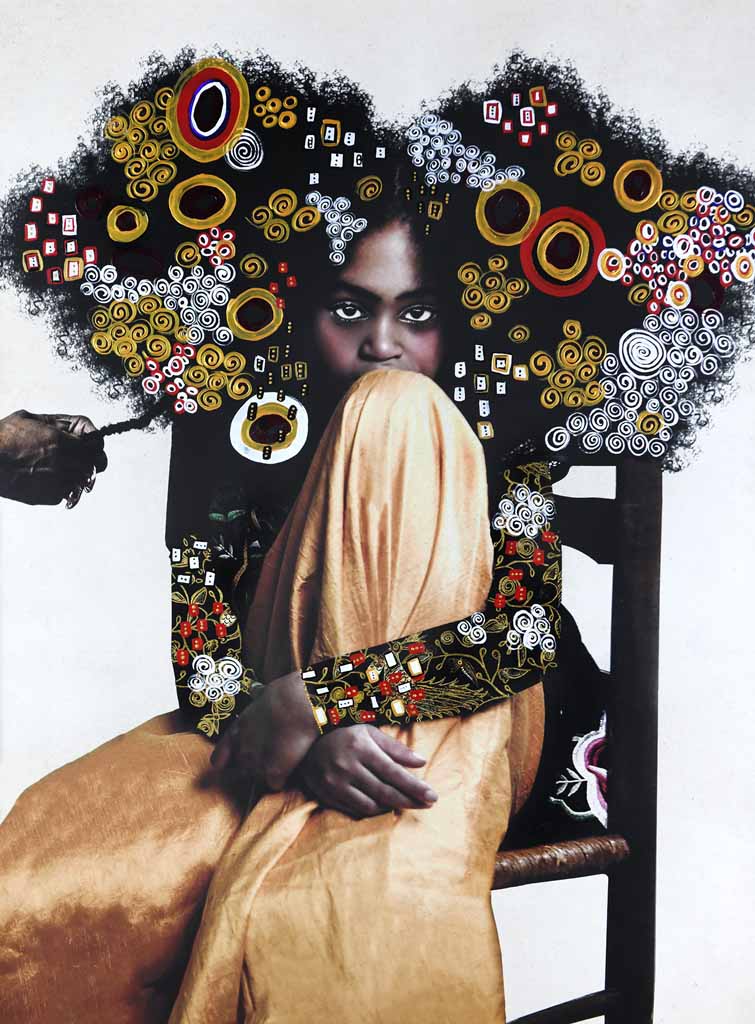
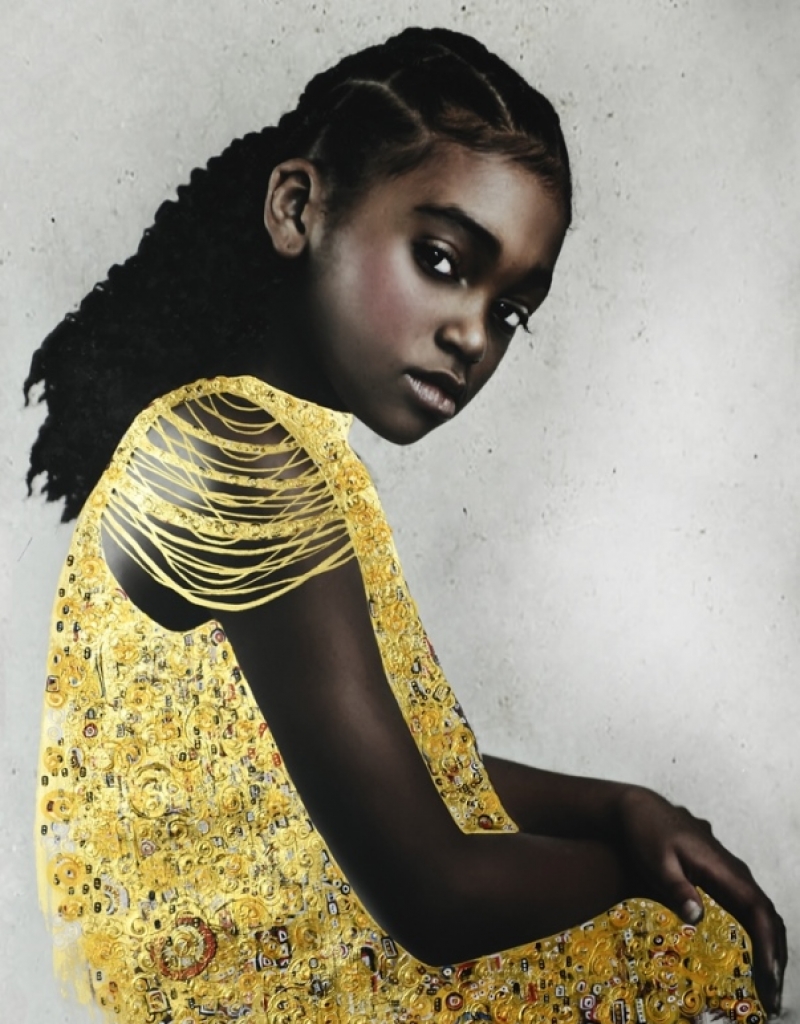
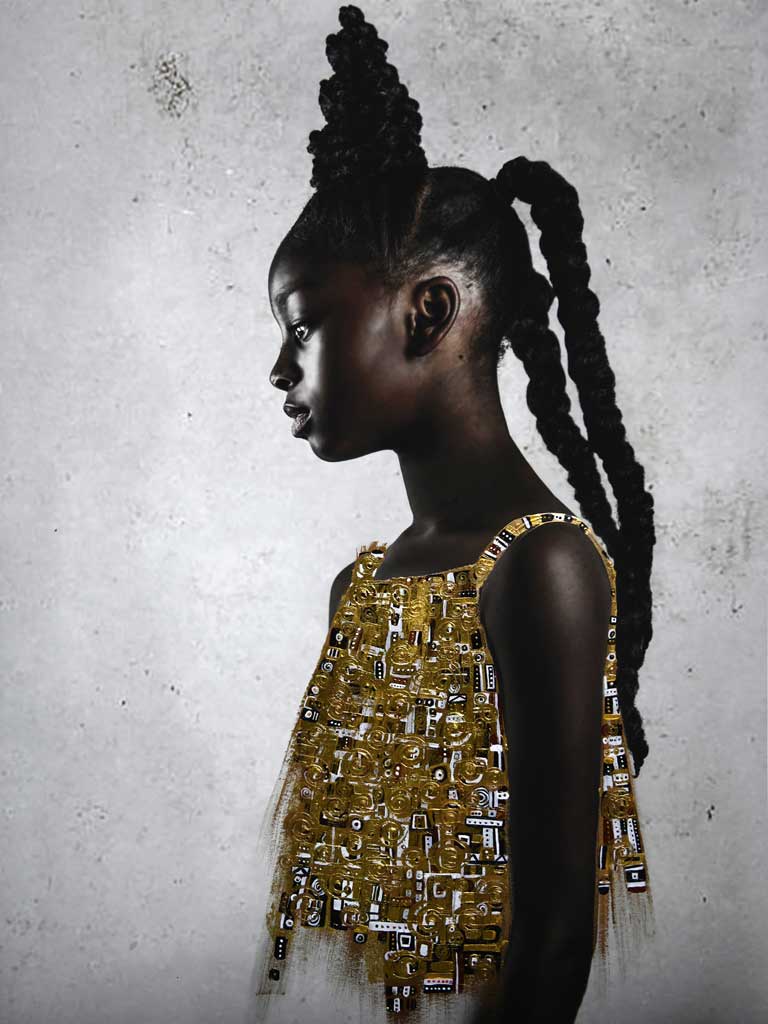
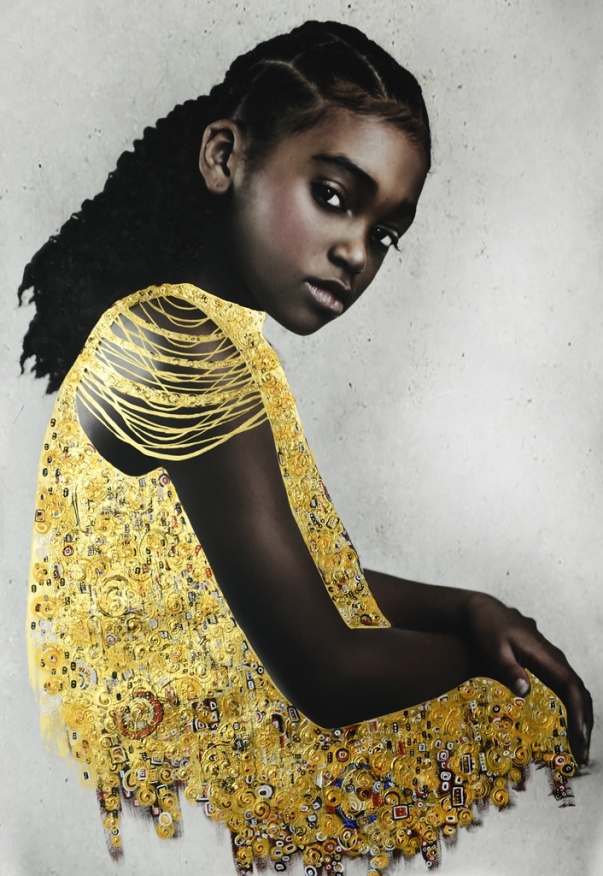
While the camera is her primary tool of communication, Chatmon takes a multi-layered approach in producing her photographs—her process does not subscribe to conventional photography. The photographs are often manipulated and hand-embellished with acrylic paint and 24-karat gold leaf, inspired by Gustav Klimt’s (1862-1918) “Golden Phase.” The use of gold and ornamentation in Klimt’s work evokes feelings of grace, magnificence, and beauty within Chatmon and has remained in the artist’s consciousness. These are the emotions Chatmon seeks to convey to those viewing her photographs. Her portraits are staged vignettes with models, who at times are her own children, wearing elegant garments. Chatmon experiments with various art practices and does not restrict herself to follow any set of rules, allowing her to create instinctually and fluidly. The result is a beautiful and powerful iconography that speaks to “the disparities that continue to affect black people around the world.”

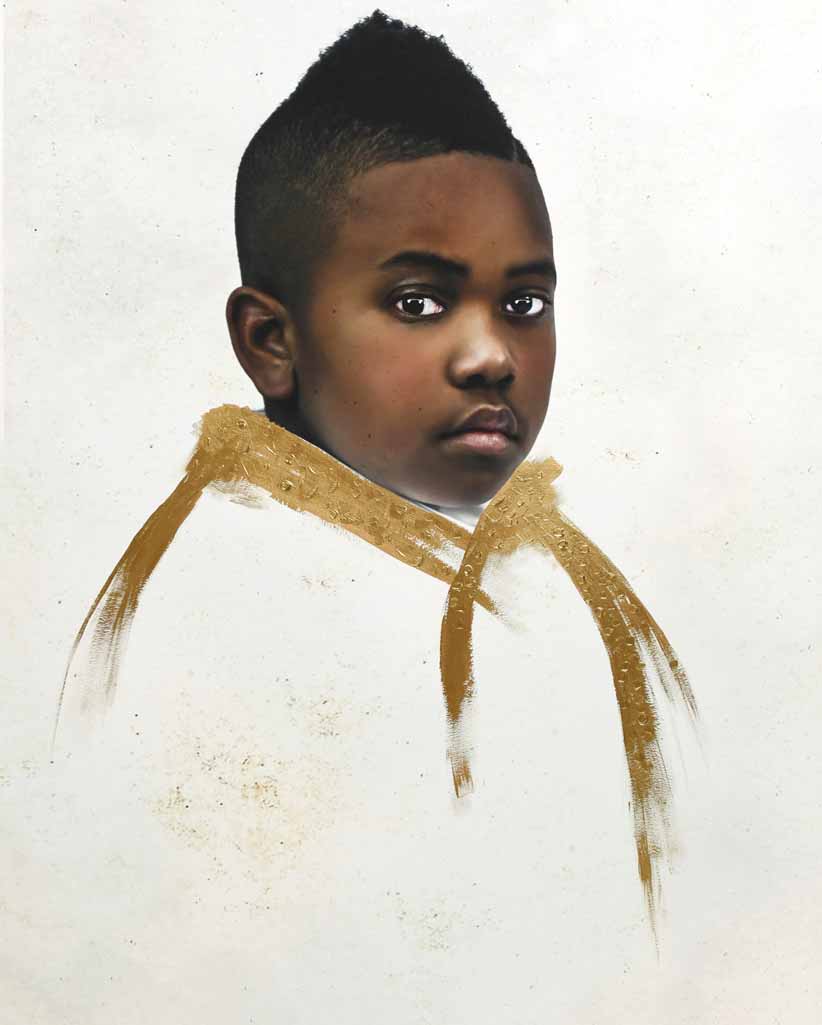
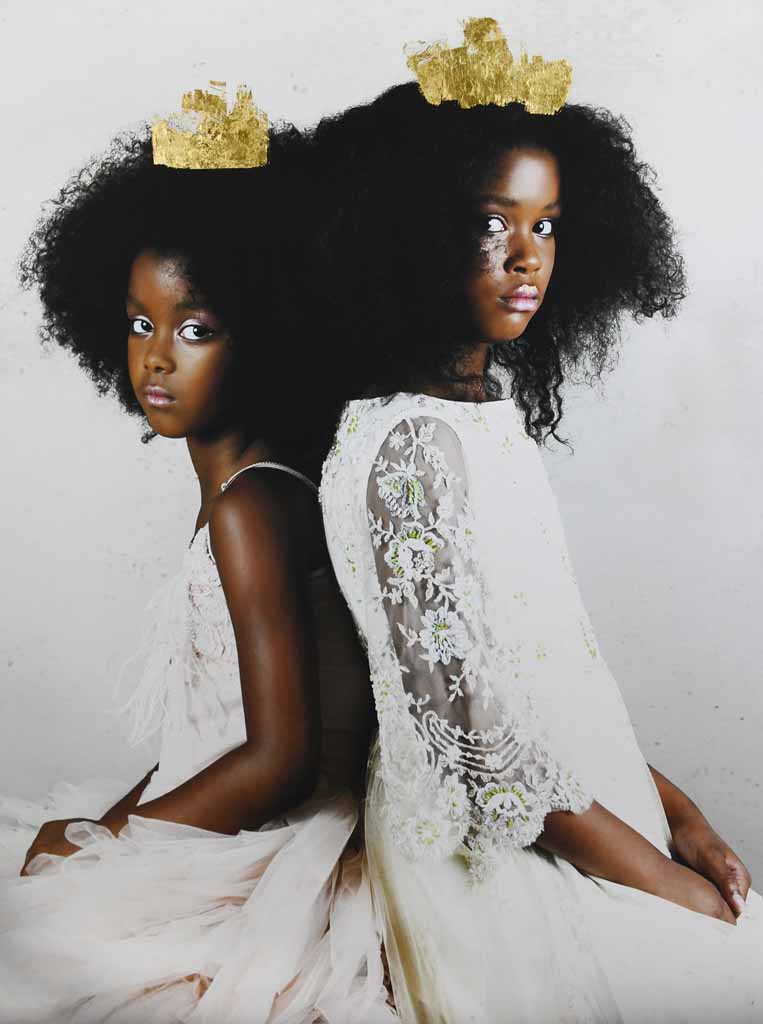
This exhibition presents three bodies of work: The Awakening, Byzantine Contempo, and The Redemption. In these series, Chatmon celebrates the beauty of black childhood, African American culture, and the delicate intricacies of protecting and raising a black child in today’s world. Each series is a conversation on love, nurturing, and the familial bond; a commentary on the politics of blackness; the historical portrayal of the black body; and an investigation of Renaissance and Byzantine portraiture. In combating the negative stereotyping associated with natural hairstyles and adornments that are distinctively likened to black people and culture, Chatmon glorifies various styles: afros, locs, twists, and barbershop cuts revered in black communities. Embedded within the works are messages of embracing one’s beauty and cultural pride.

Text by Myrtis Bedolla. Edited by Grace Noh and Amanda Hajjar.

Inheritance is organized by Fotografiska, in collaboration with the artist and Galerie Myrtis.

Fotografiska
281 Park Ave South
New York, NY 10010 United States

about the exhibition | press | about Tawny

Reparations: Some Things are Just Owed and Some More…

Reparations: Some Things are Just Owed and Some More than Others

Solo Exhibition featuring Wesley Clark
September 22 – October, 31, 2019

artwork | artist statement | curatorial statement | about Wesley Clark

Curatorial Statement by Myrtis Bedolla
Through a revolutionary intellectual process, Wesley Clark (1979) in his first solo exhibition at Galerie Myrtis creates a fantastical world of interwoven history, Afro-futurists, coded messages and mechanisms for survival in his investigation of what America owes the descendants of slaves and most importantly, what they owe themselves.

In Reparations: Some Things are just Owed and Some More than Others Clark probes the vestiges of slavery by transporting viewers to the reconstruction era (1865-1877) where they discover Reparations & Co. (a. k. a. Rep & Co.), a company established by Rep. & Co. Brothers, Morris and Eugene. As protagonists in Clark’s fictional world, the Rep. & Co. Brothers deploy their carpentry skills and ability to see into the future to invent devices for coping with racial discrimination, social injustice, and trauma; while offering African Americans tools to navigate and survive in a society that deems them as “other.”

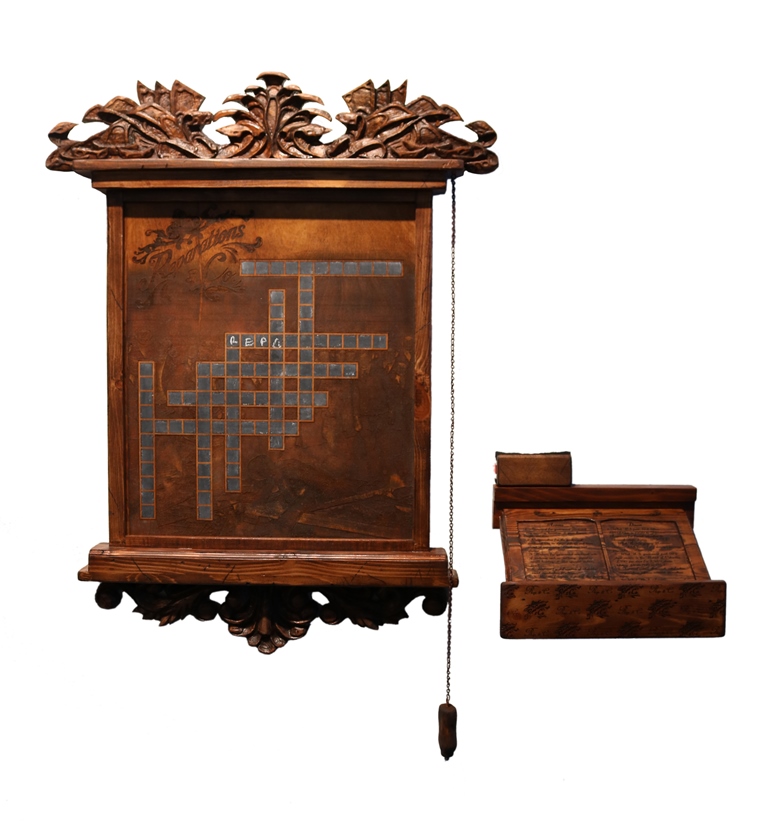
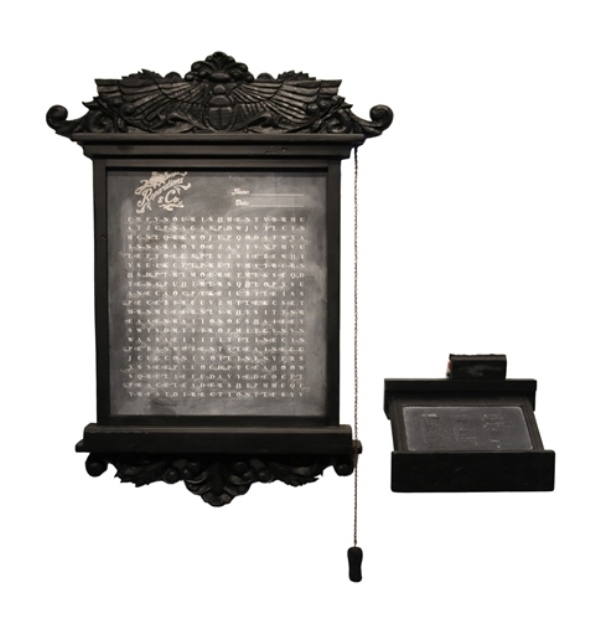
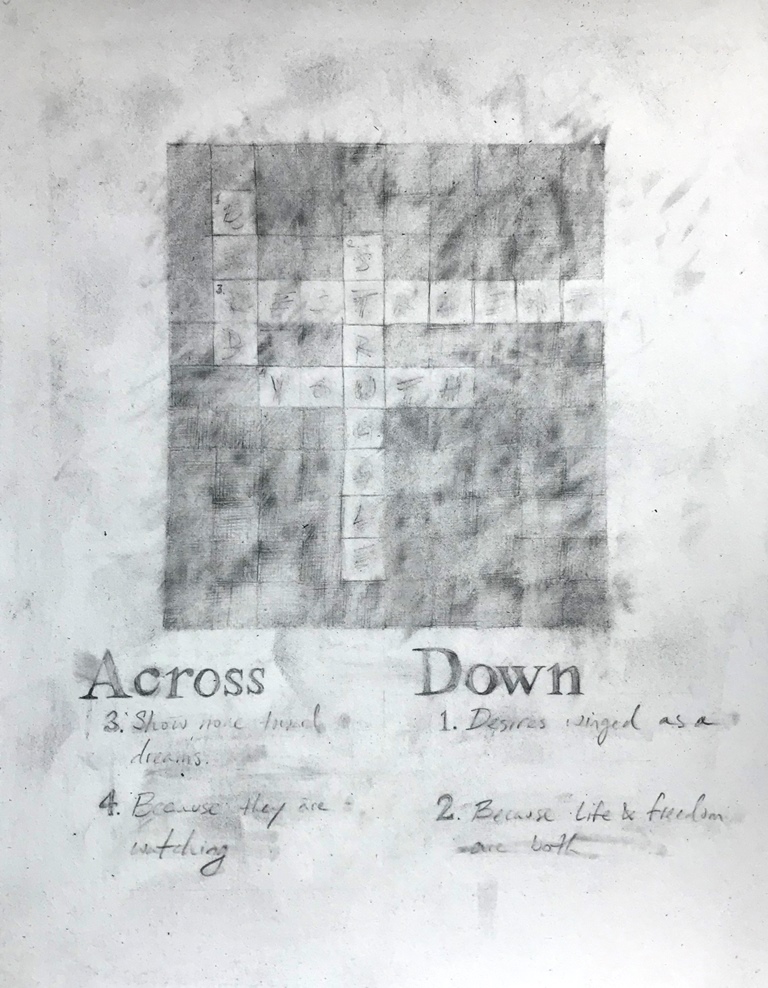
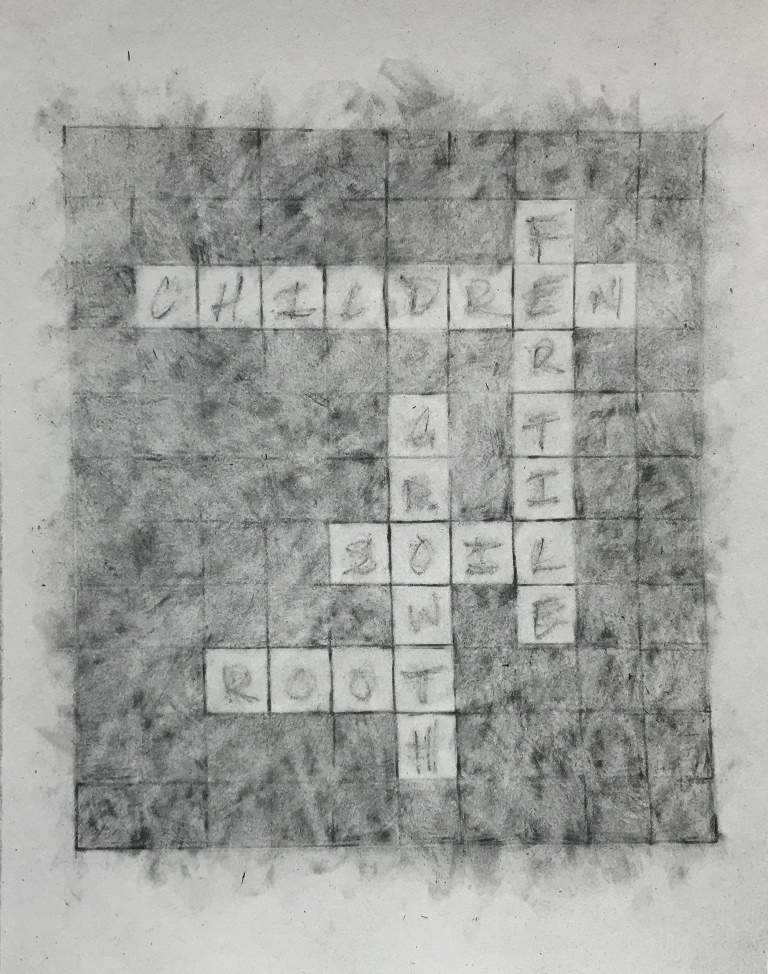
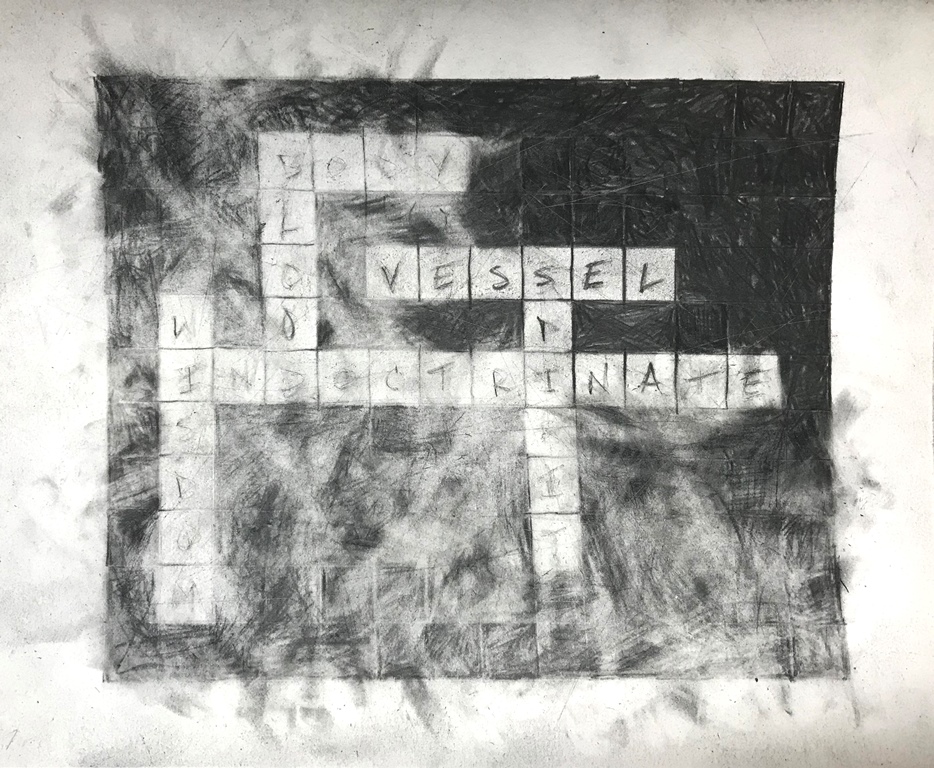
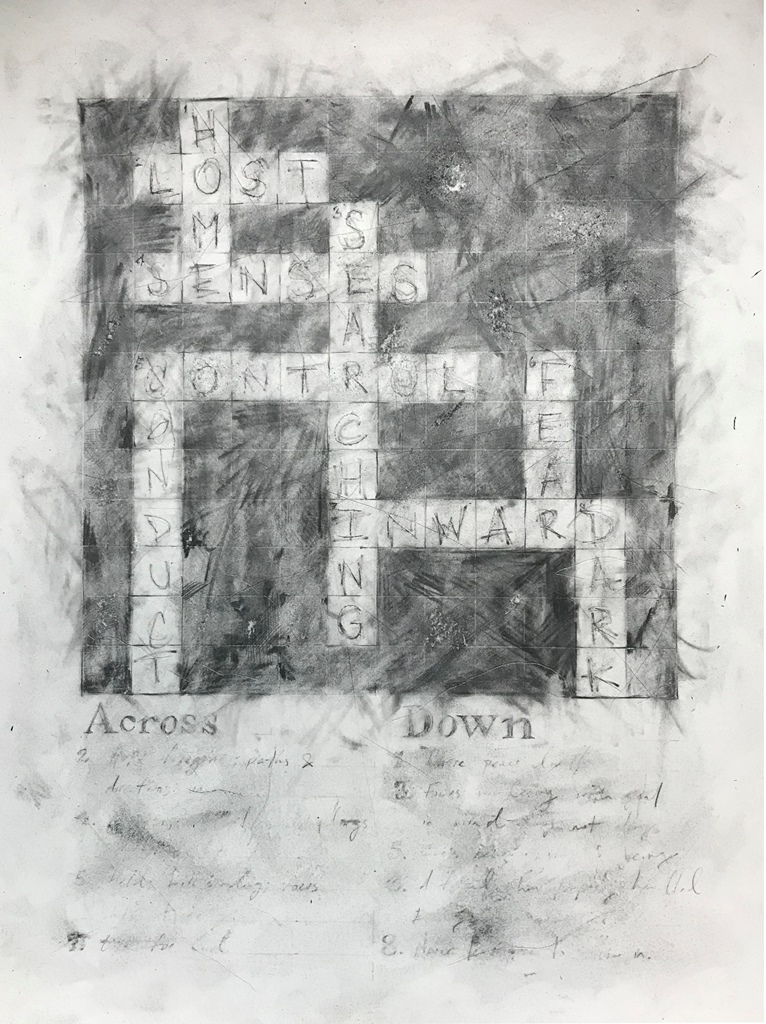
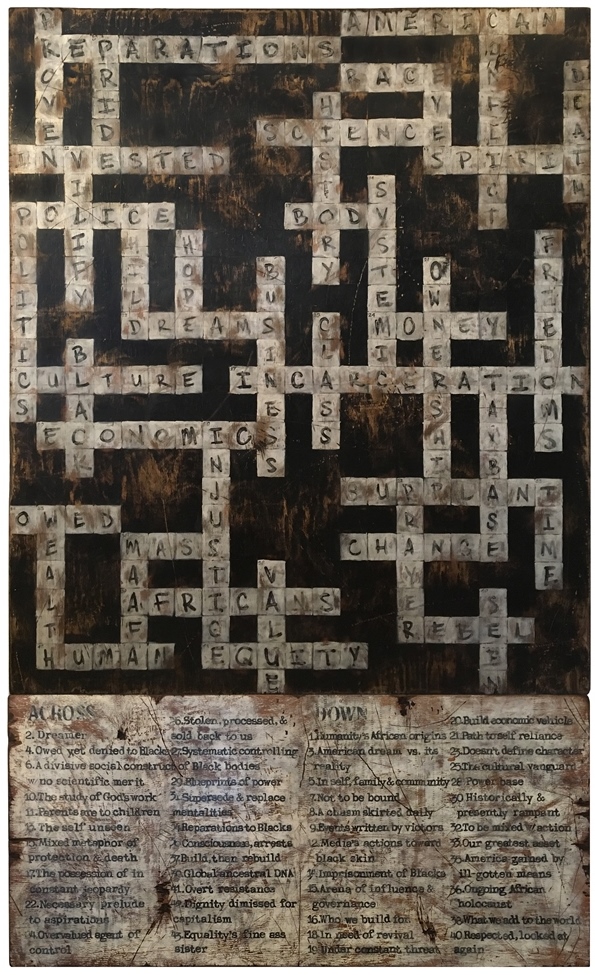
A history on the economics of slavery is deployed through what appear to be simply crossword puzzles. Left in the hands of the Rep. & Co. Brothers, the lessons are disguised as decorative wall hangings; Profiteers I: Enslavement reveals the names of corporations that profited from the transatlantic slave trade and continue to operate today, namely, Lehman Brothers and J.P. Morgan. In Profiteers II: Imprisonment those benefiting from today’s modern form of slavery —the prison industrial complex —are eerily connected as their names overlap on the puzzle board, among them, Walmart, General Motors, Verizon, and Chrysler.

When expanding the narrative to what African Americans owe themselves, Clark draws inspiration from Dr. Joy DeGruy author of Post Traumatic Slave Syndrome. In it DeGruy offers racial socialization as the key to confronting negative attitudes and behaviors that have plagued the black community for generations.

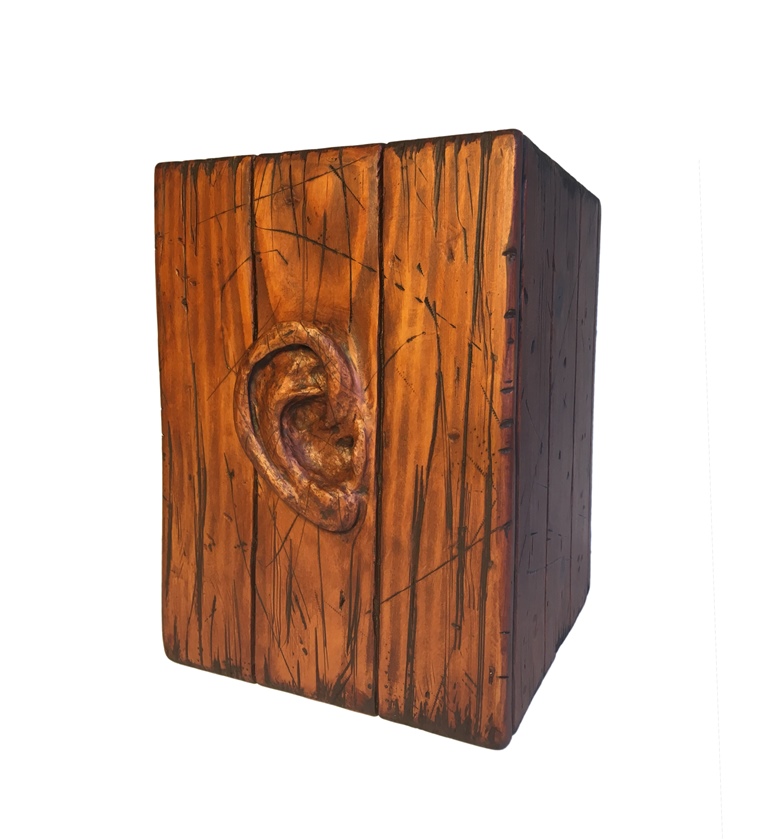
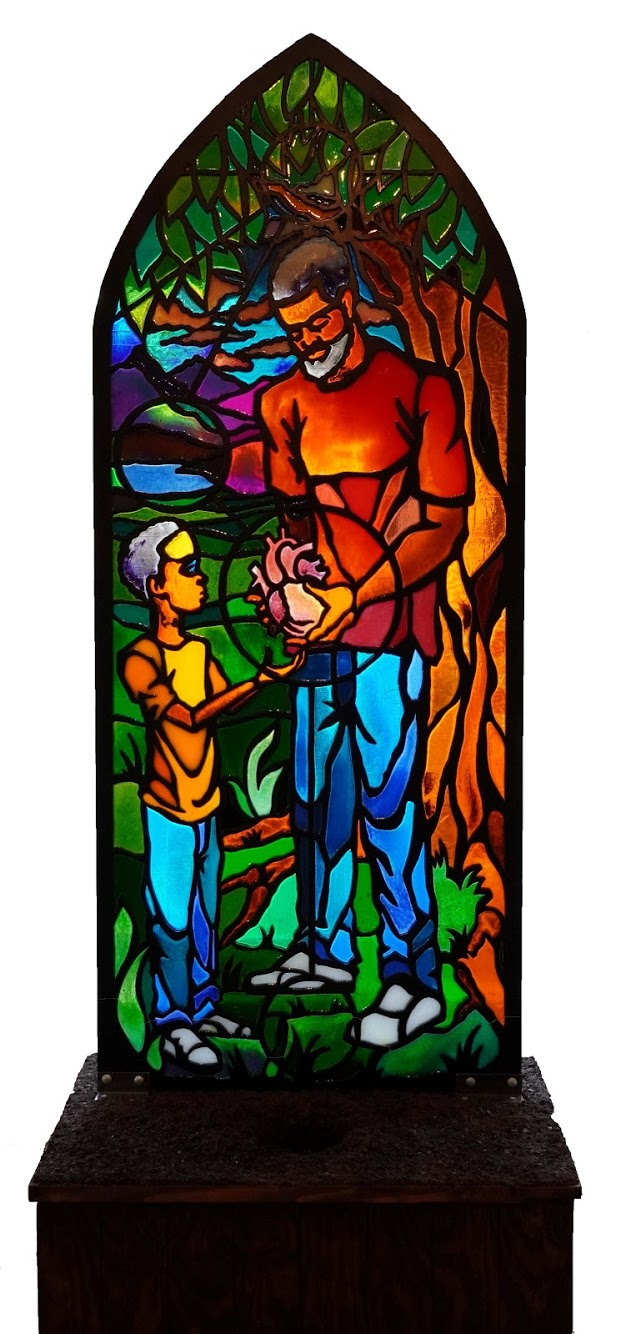
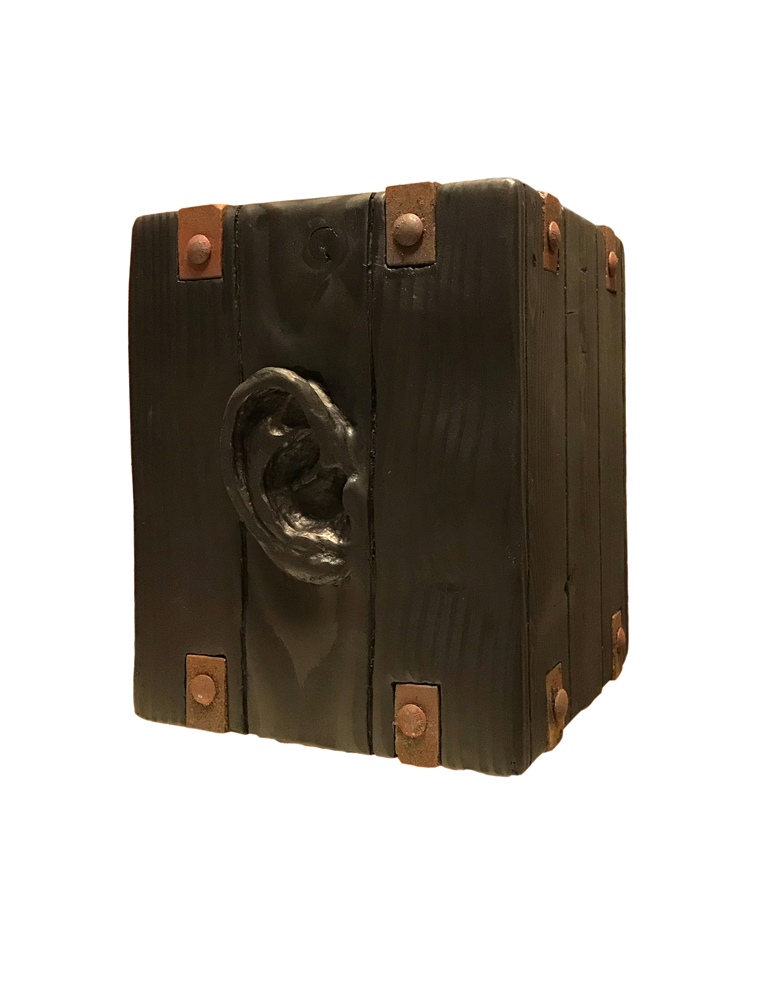
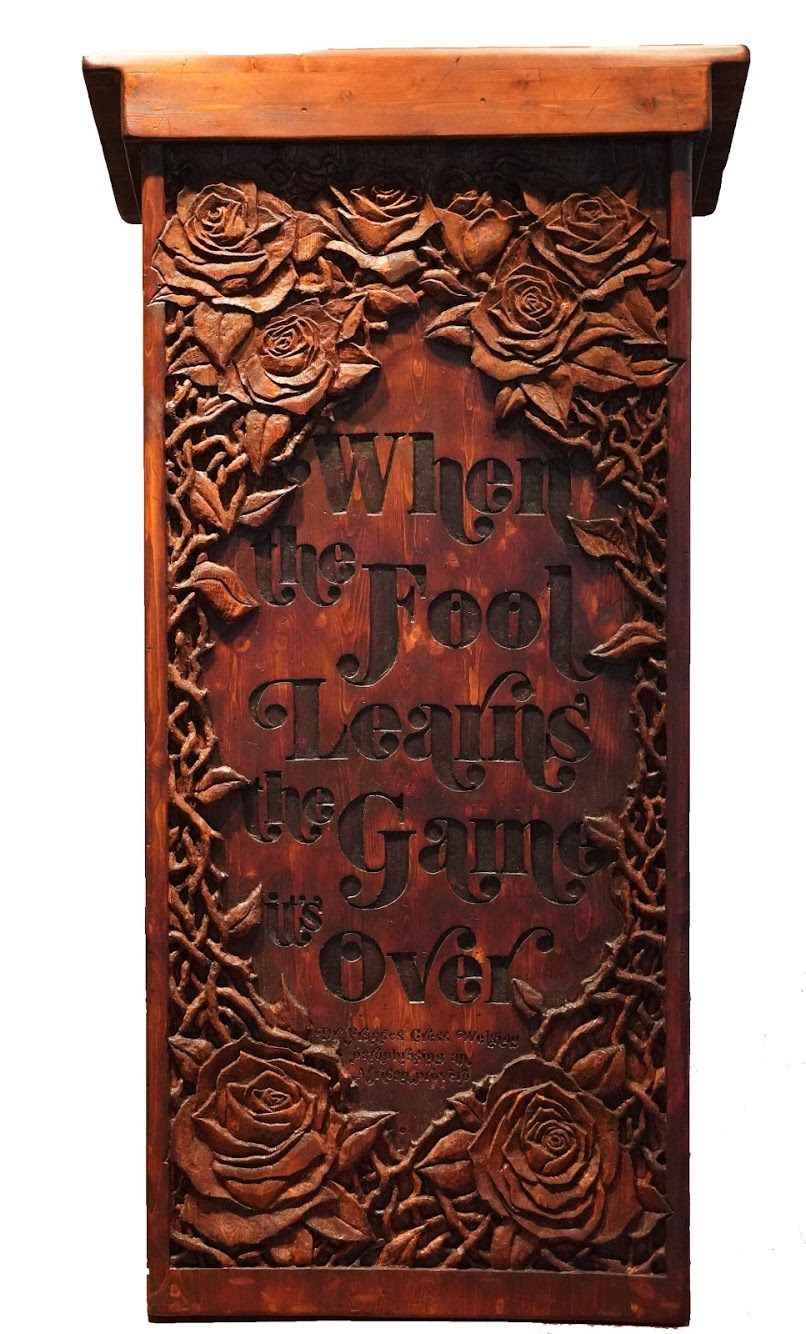
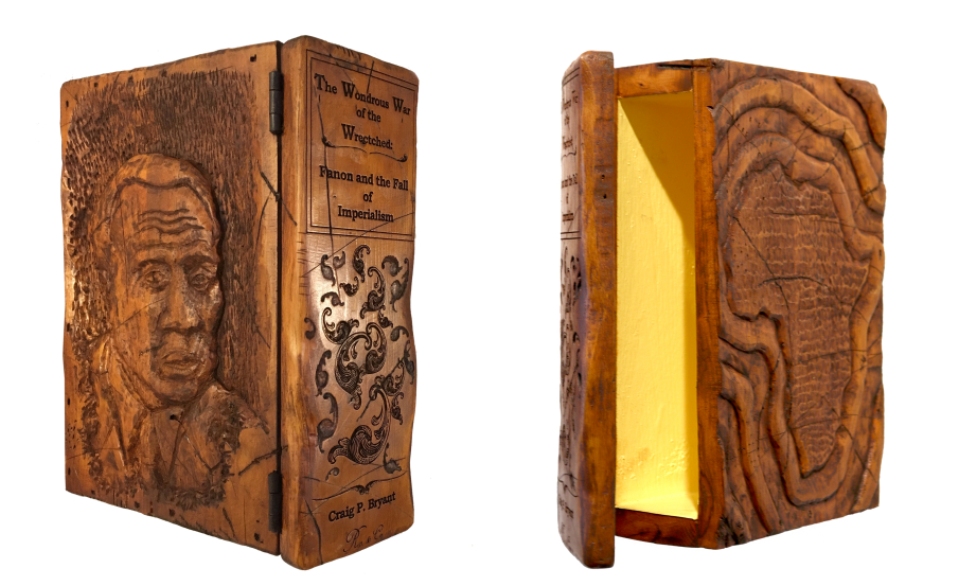
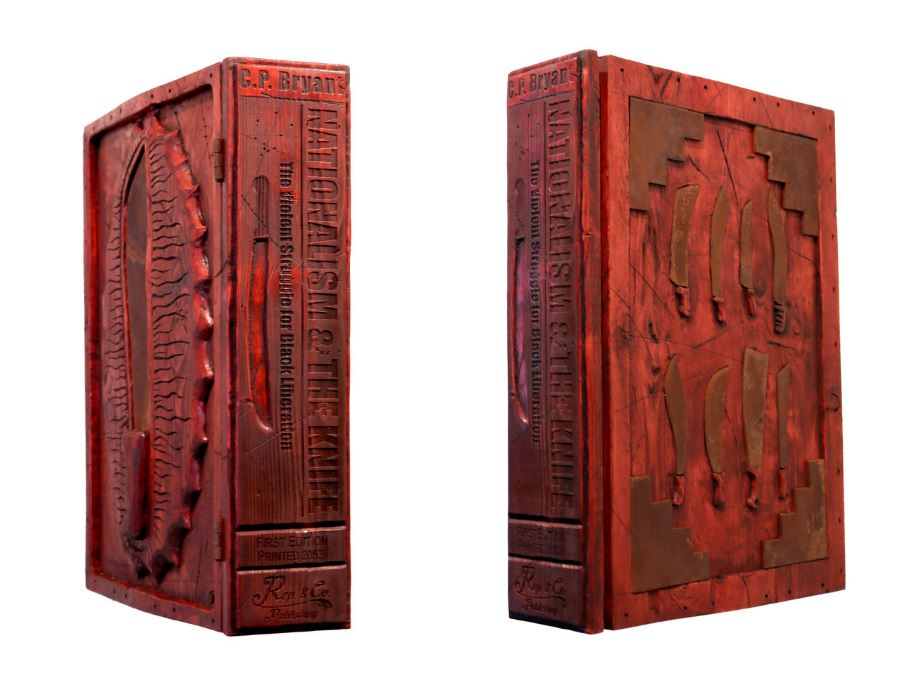
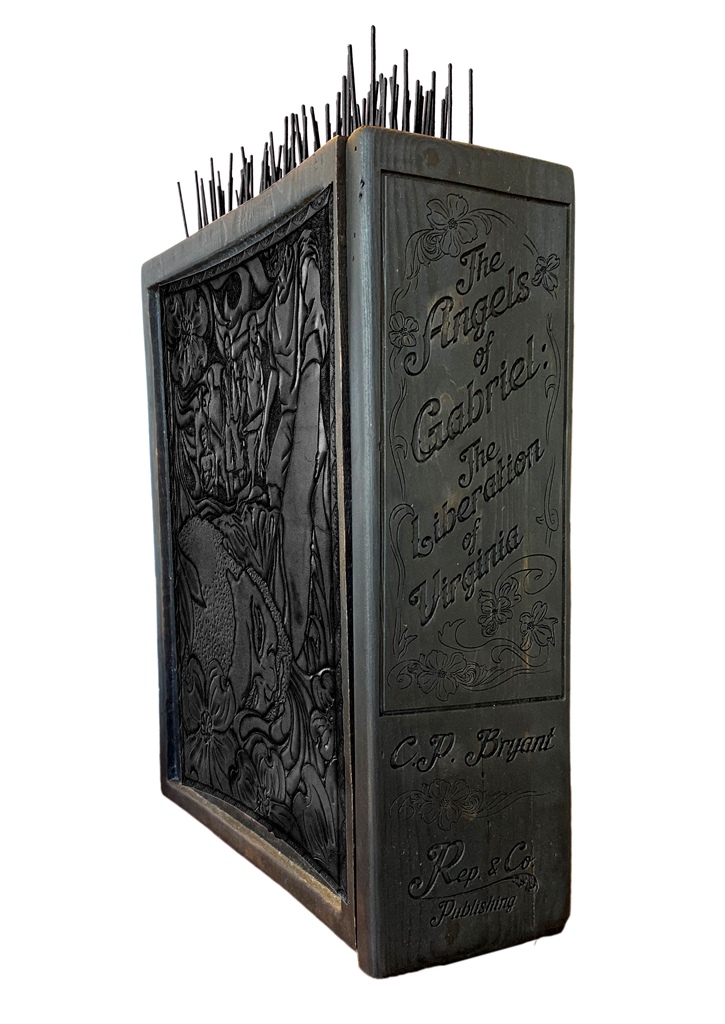
For Clark, the solutions lie in the creative genius of the Rep. & Co. Brothers who possess an innate understanding of the needs of the progenies of those once enslaved. Knowing that knowledge is power, they invent The Prophet’s Library a series of books informed by black scholars. Bound in wood are books that hold the unaltered truths of Black history, or is it? For coping with trauma the series Tell-All Earbox travels the country in a circus-like tent allowing all to come and bear their souls. The ear boxes are an early form of psychology. One is allowed to whisper in the ear on the box, for it holds all secrets without judgement or stigma attached. Black men and their sons can seek emotional healing in The Gift, a bearing of hearts. And in probing leadership, who we are led by and who we choose to lead, A Word Spoken is a Word Heard becomes the platform for an interactive performance on the subject.

In his artist’s statement, Clark shares the impulse for investigating the notion of reparations and creating the imagined Rep. & Co., “This fictitious narrative is the vehicle used to create a dialogue on ideas of racial socialization – as described in Post Traumatic Slave Syndrome by Dr. Joy DeGruy – as a means of expanding and internalizing the discussion of reparations to include what we as, Black Americans, owe ourselves.

Concepts around healing work — whether from present day or generational trauma — as a means of communal preparation and advancement, are at the heart of this body of work. While there are outside influences touched on around the idea of reparations, I’m focused inward…” Excerpt from artist’s statement

In Reparations: Some Things are just Owed and Some More than Others viewers will be challenged to discern fact from fiction. Clark’s confluence of mixed chronology, reimaged world, and brilliantly designed devices result in an experience that is culturally conscious, clever, and provocative.

artwork
Table of Contents
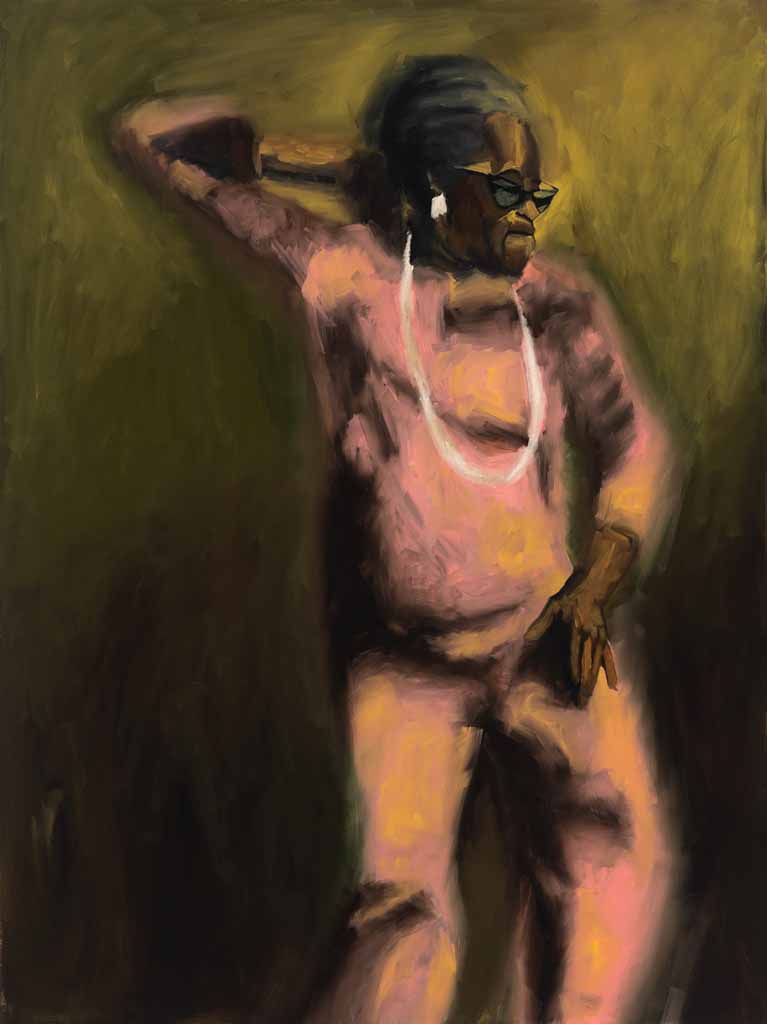
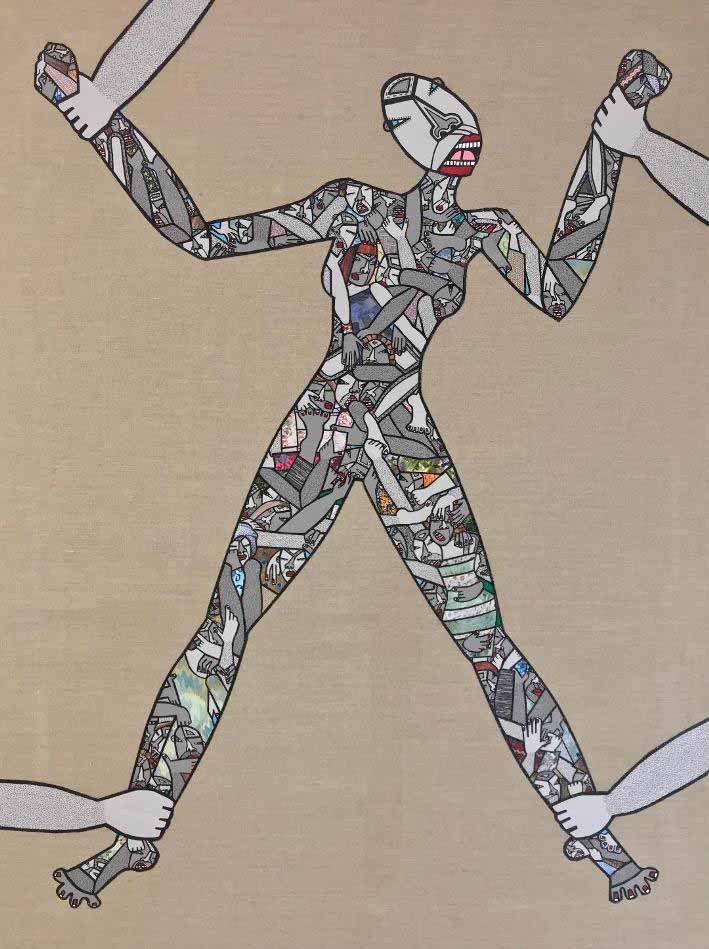
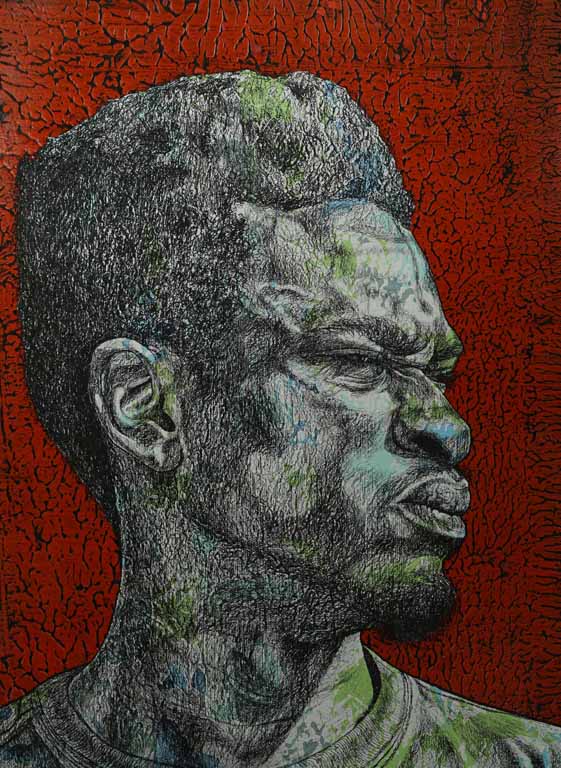
Oil paint on wood
47” x 89”
2017

Art of the Collectors VII – 1500 and Under

Art of the Collectors VII – Artwork Available Between $295 and $1,500


Tawny Chatmon Exhibits at Fotografiska
Tawny Chatmon Exhibits at Fotografiska, New York, NY
December 14, 2019 – March 22, 2020

Tawny Chatmon
Inheritance

”Our children inherit what we don’t resolve” anonymous

Inheritance, by Tawny Chatmon (American, b. 1979), invites the viewer to look beyond the decorated and nuanced portraits to examine issues of race and the historical positioning of African American portraiture in the absence of subjugation of the “black body” in Western art.
Chatmon, a mother of three black children, draws from her life experiences and belief that children inherit our memories, beliefs, traditions, and the world that we leave behind. Through her photographs, she conveys a message to her children, and to all black children, that they are precious, valued, and loved.

While the camera is her primary tool of communication, Chatmon takes a multi-layered approach in producing her photographs—her process does not subscribe to conventional photography. The photographs are often manipulated and hand-embellished with acrylic paint and 24-karat gold leaf, inspired by Gustav Klimt’s (1862-1918) “Golden Phase.” The use of gold and ornamentation in Klimt’s work evokes feelings of grace, magnificence, and beauty within Chatmon and has remained in the artist’s consciousness. These are the emotions Chatmon seeks to convey to those viewing her photographs. Her portraits are staged vignettes with models, who at times are her own children, wearing elegant garments. Chatmon experiments with various art practices and does not restrict herself to follow any set of rules, allowing her to create instinctually and fluidly. The result is a beautiful and powerful iconography that speaks to “the disparities that continue to affect black people around the world.”
This exhibition presents three bodies of work: The Awakening, Byzantine Contempo, and The Redemption. In these series, Chatmon celebrates the beauty of black childhood, African American culture, and the delicate intricacies of protecting and raising a black child in today’s world. Each series is a conversation on love, nurturing, and the familial bond; a commentary on the politics of blackness; the historical portrayal of the black body; and an investigation of Renaissance and Byzantine portraiture. In combating the negative stereotyping associated with natural hairstyles and adornments that are distinctively likened to black people and culture, Chatmon glorifies various styles: afros, locs, twists, and barbershop cuts revered in black communities. Embedded within the works are messages of embracing one’s beauty and cultural pride.
Text by Myrtis Bedolla. Edited by Grace Noh and Amanda Hajjar.

Inheritance is organized by Fotografiska, in collaboration with the artist and Galerie Myrtis.
Fotografiska
281 Park Ave South
New York, NY 10010 United States

about the exhibition | press | about Tawny
Reparations: Some Things are Just Owed and Some More…

Reparations: Some Things are Just Owed
and
Some More than Others


Solo Exhibition featuring Wesley Clark
September 22 – October, 31, 2019

artist statement | curatorial statement | about Wesley Clark

Through a revolutionary intellectual process, Wesley Clark (1979) in his first solo exhibition at Galerie Myrtis creates a fantastical world of interwoven history, Afro-futurists, coded messages and mechanisms for survival in his investigation of what America owes the descendants of slaves and most importantly, what they owe themselves.

In Reparations: Some Things are just Owed and Some More than Others Clark probes the vestiges of slavery by transporting viewers to the reconstruction era (1865-1877) where they discover Reparations & Co. (a. k. a. Rep & Co.), a company established by Rep. & Co. Brothers, Morris and Eugene. As protagonists in Clark’s fictional world, the Rep. & Co. Brothers deploy their carpentry skills and ability to see into the future to invent devices for coping with racial discrimination, social injustice, and trauma; while offering African Americans tools to navigate and survive in a society that deems them as “other.”
read full Curatorial Statement by Myrtis Bedolla

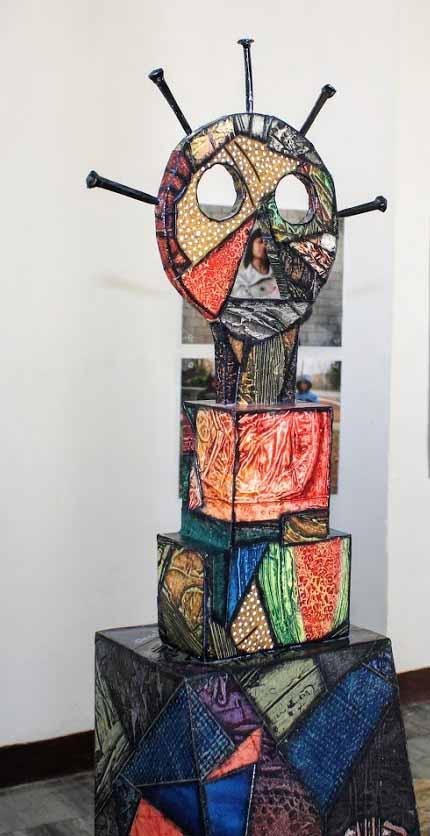
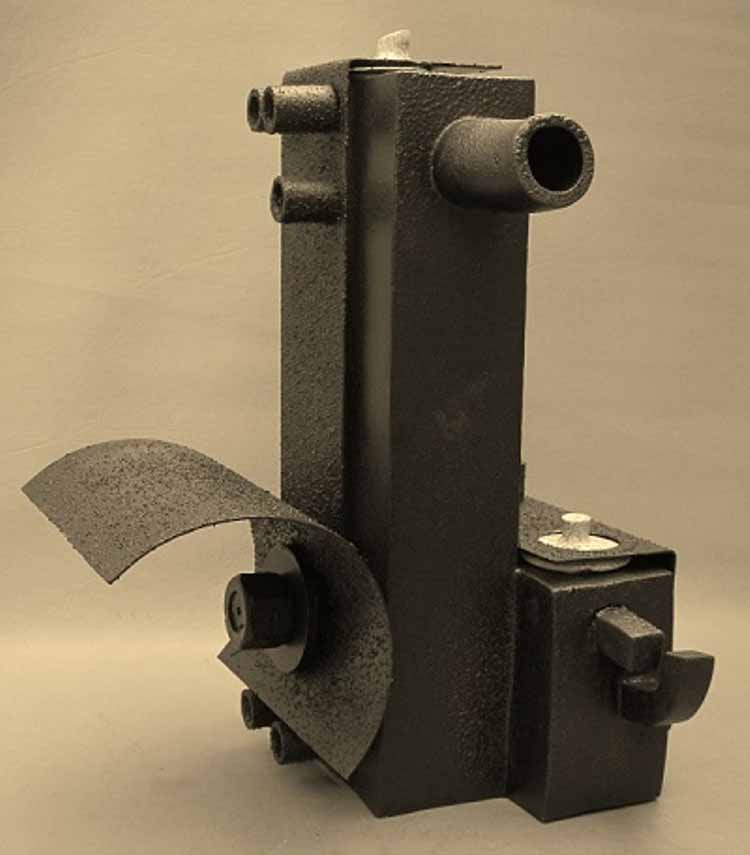
The Tell-All Earbox: Model no. C3l3stial-4
Urethane paint, wood, 8-1/2″ x 10-1/2″ x 9″, 2019


Artwork

Art of the Collectors VII

Art of the Collectors VII

July 27 – August 31, 2019


Collectors Panel Discussion: Saturday, August 24th, 5:00-7:00 pm. – The Preservation of Art, Culture, and Legacy – Panelists: Amath Gomis, Gregory Morton and William Robinson. Moderator: Myrtis Bedolla

video: Collectors Panel Discussion

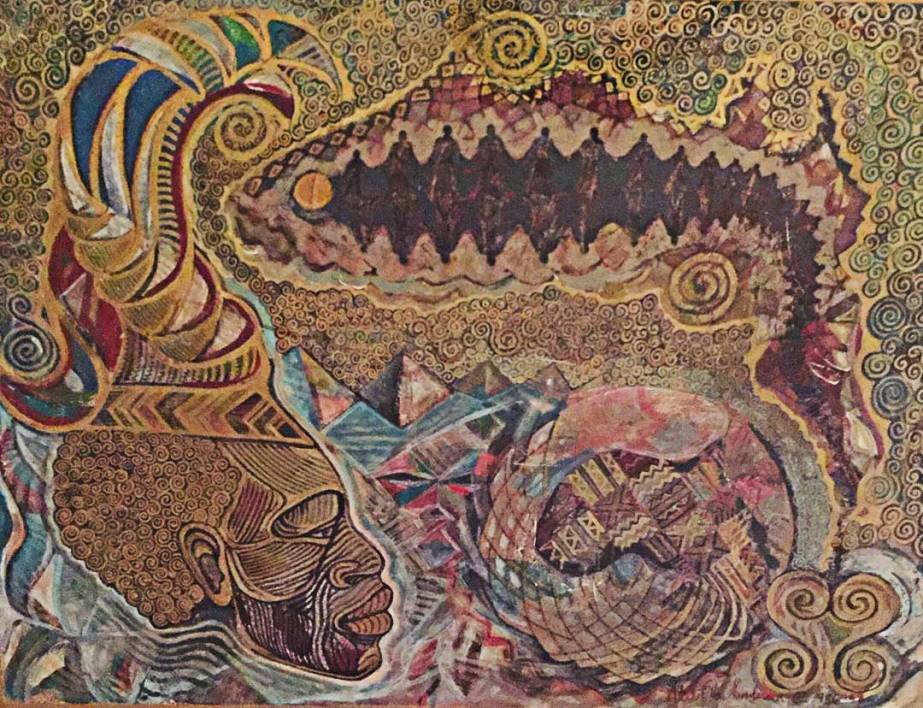
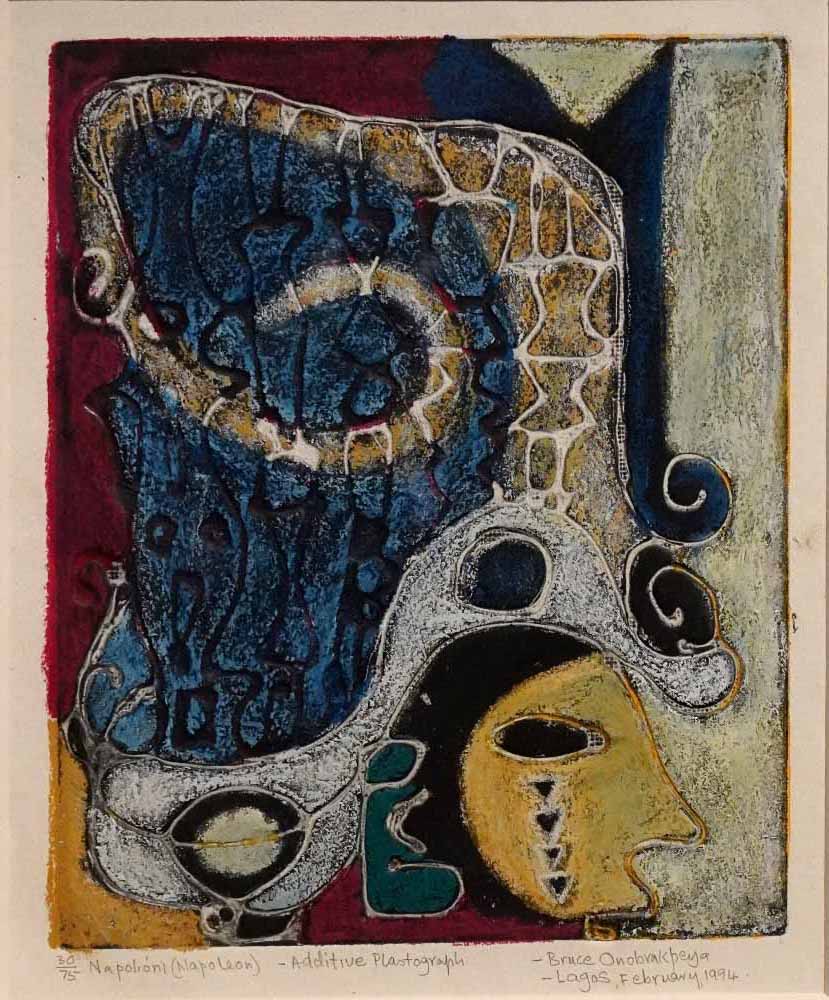
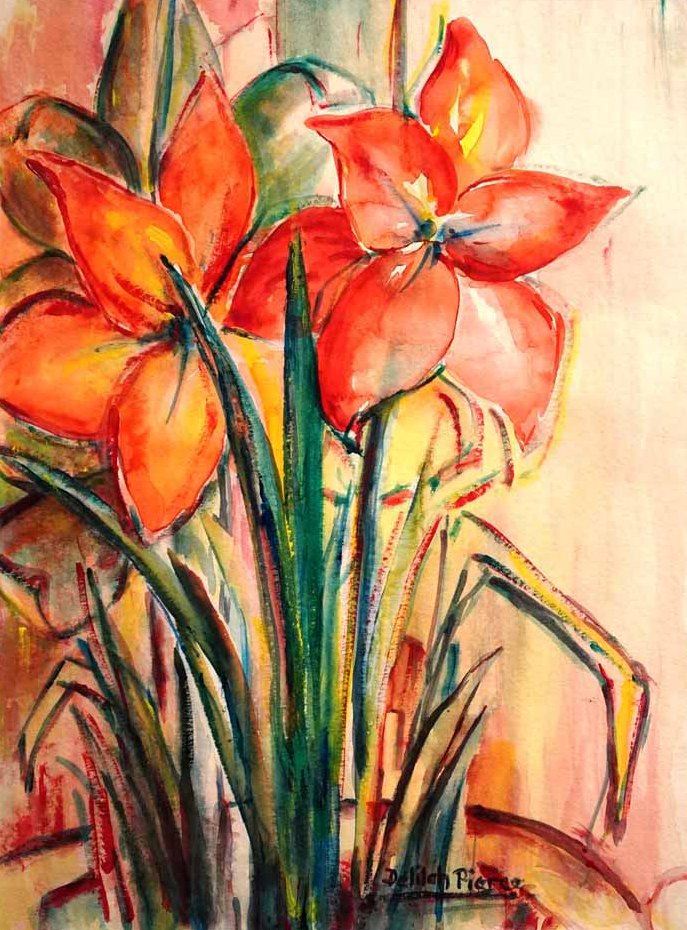
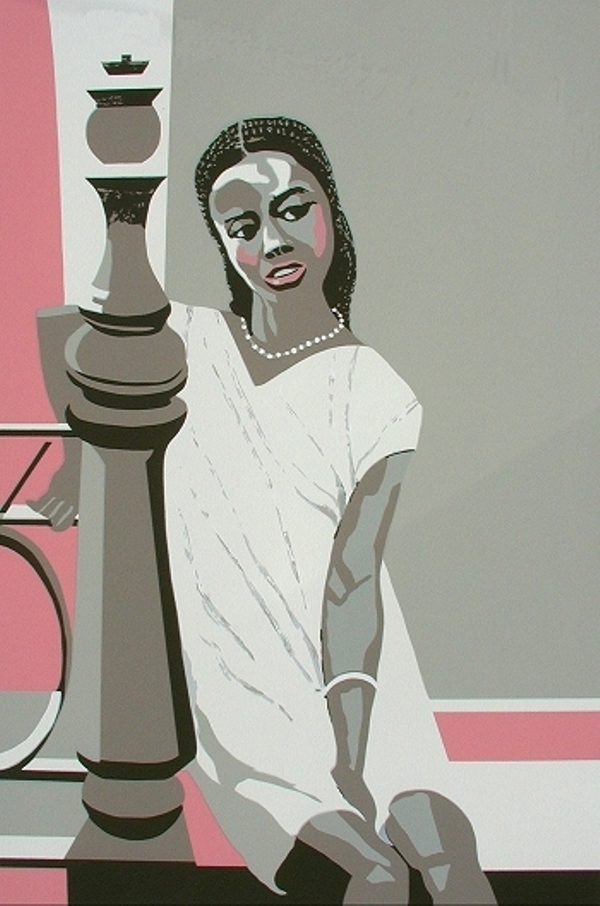
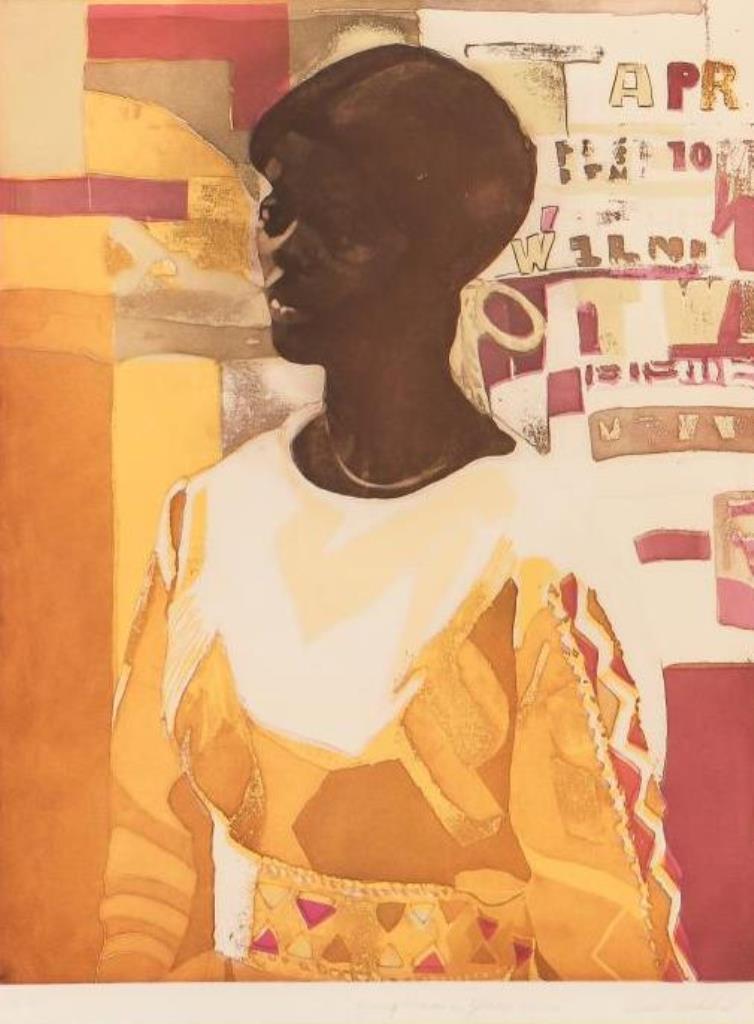
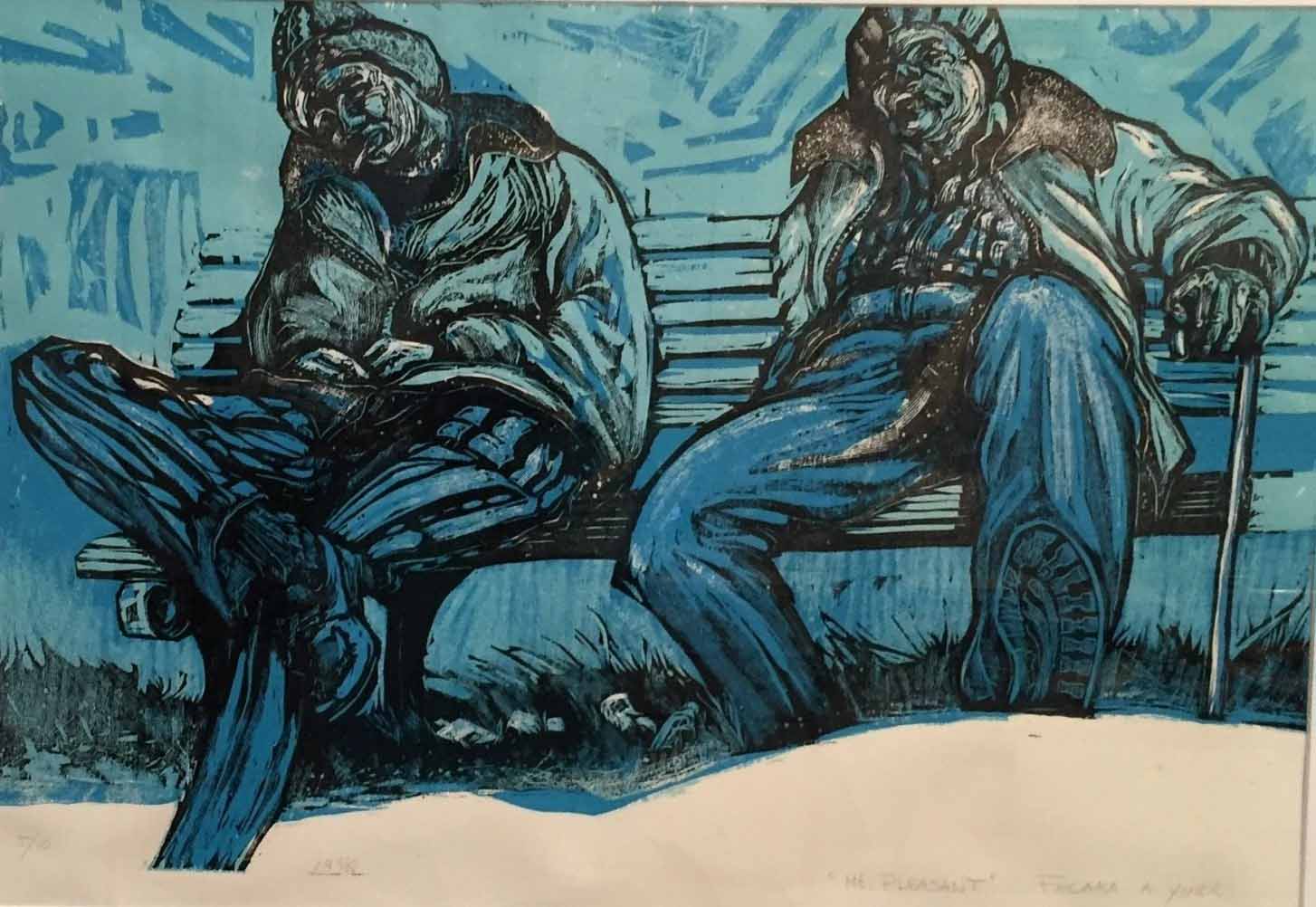
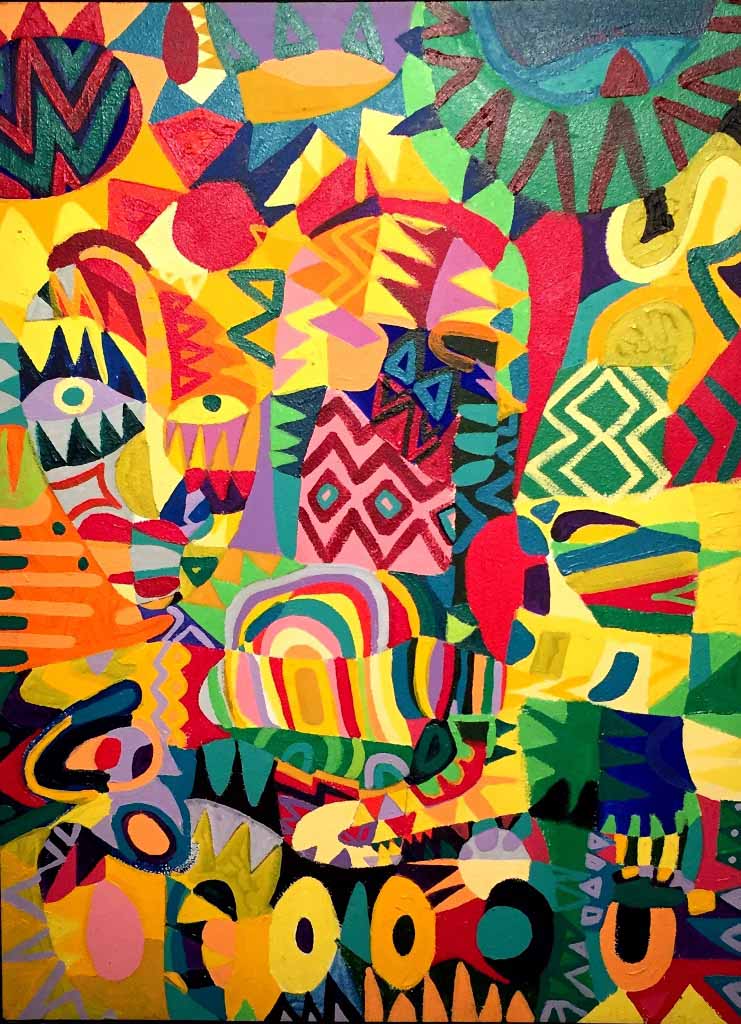
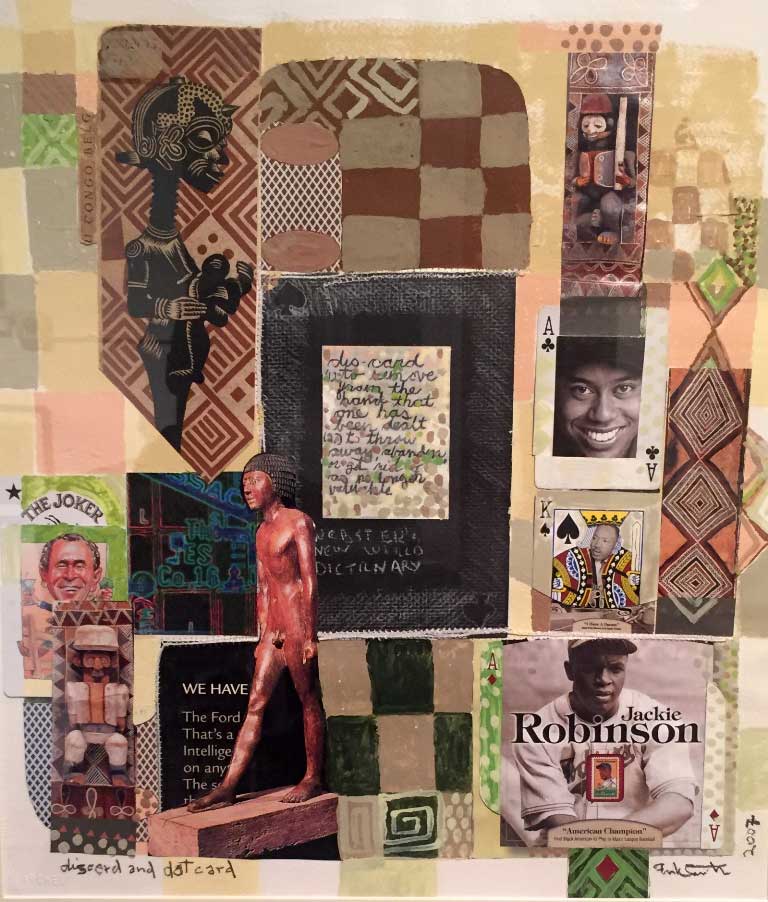
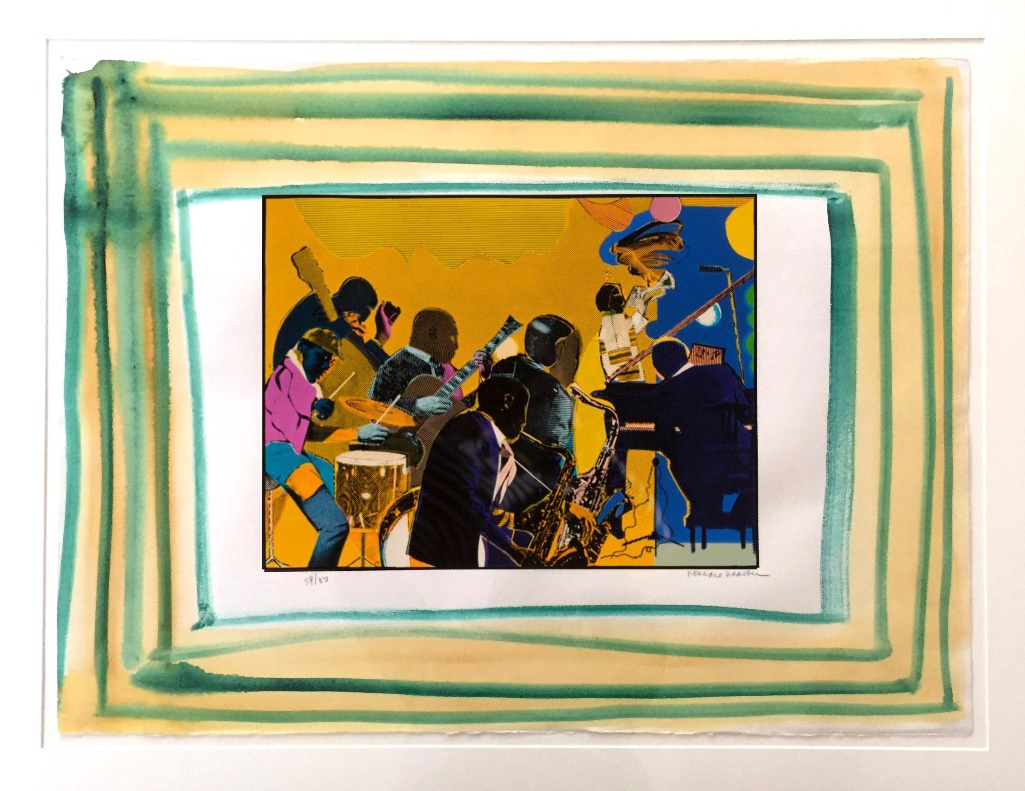
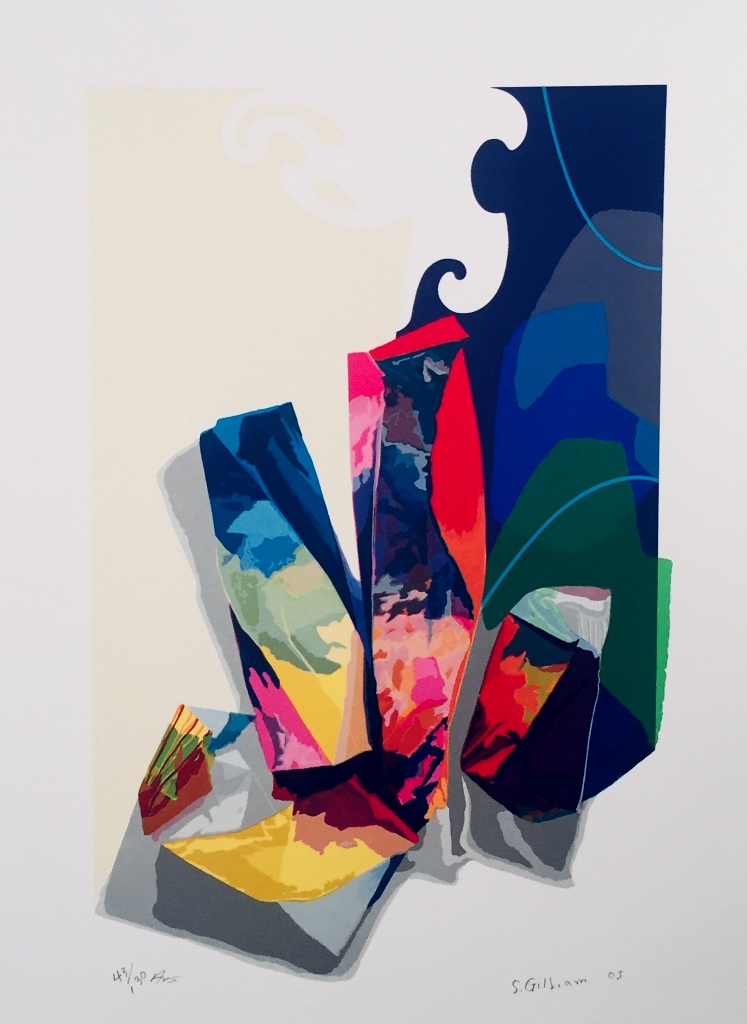
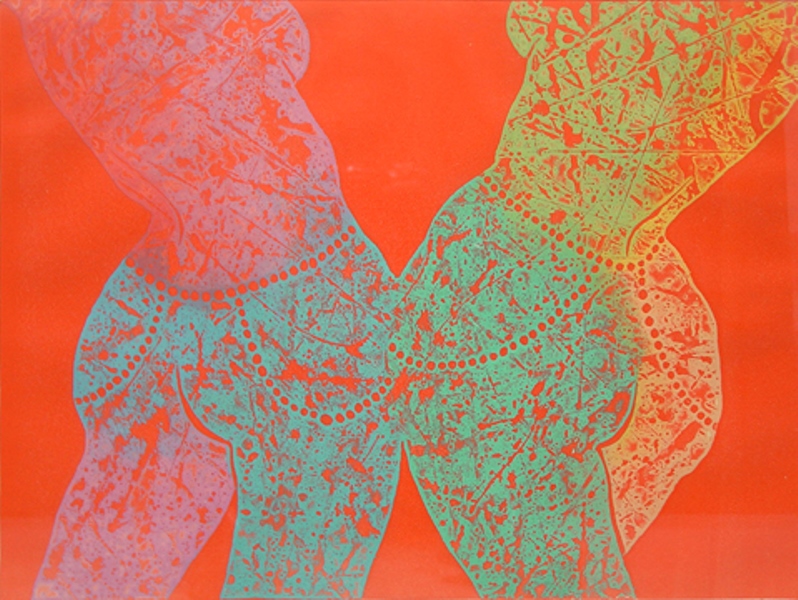
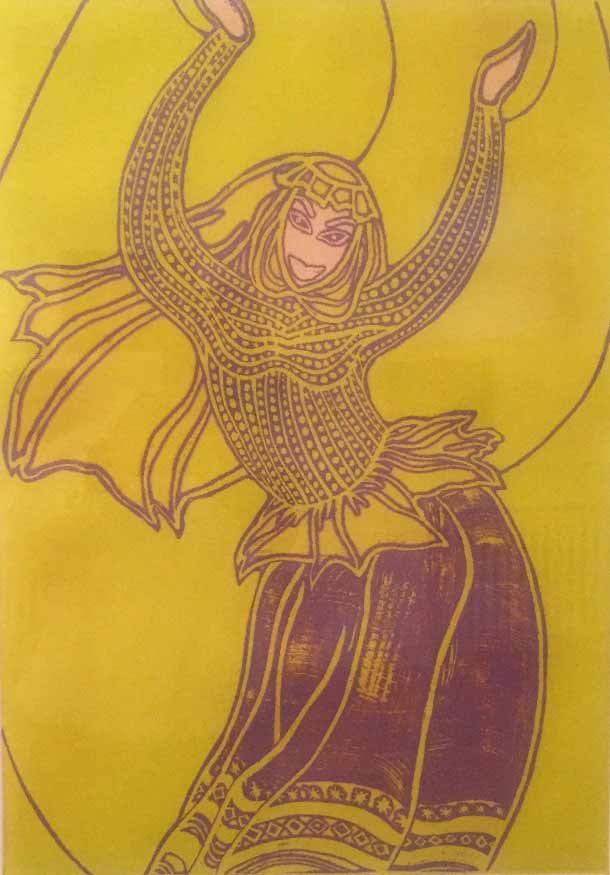
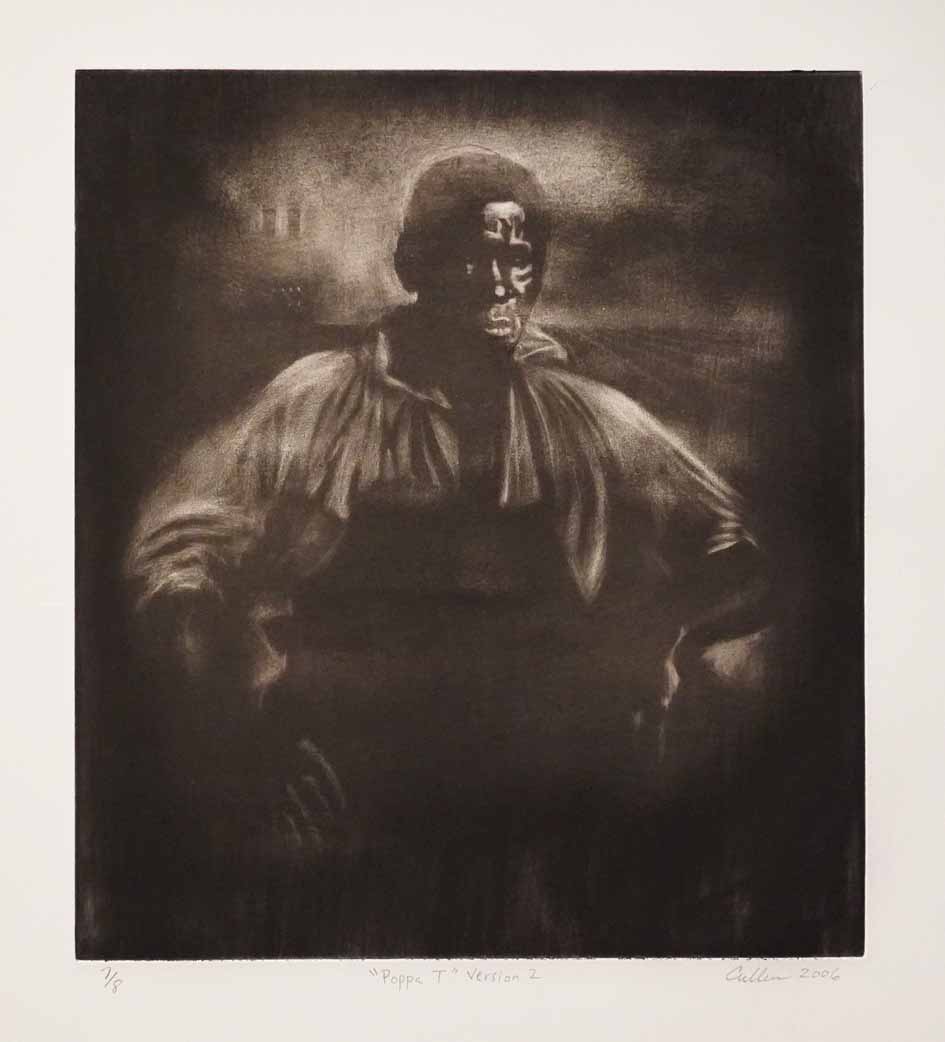
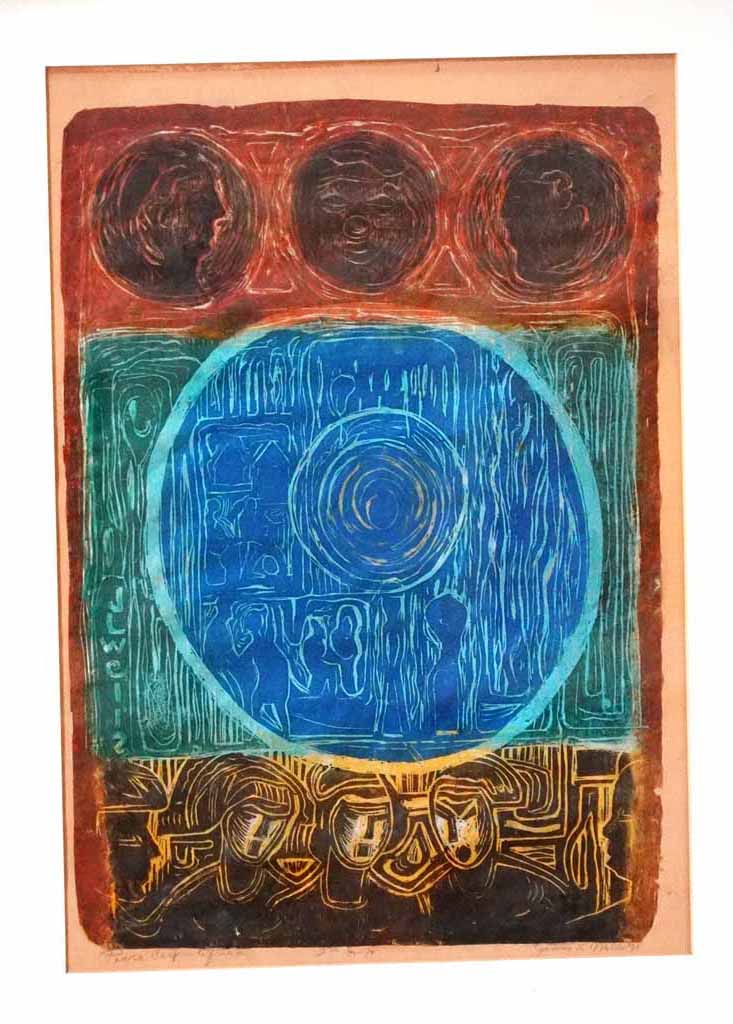
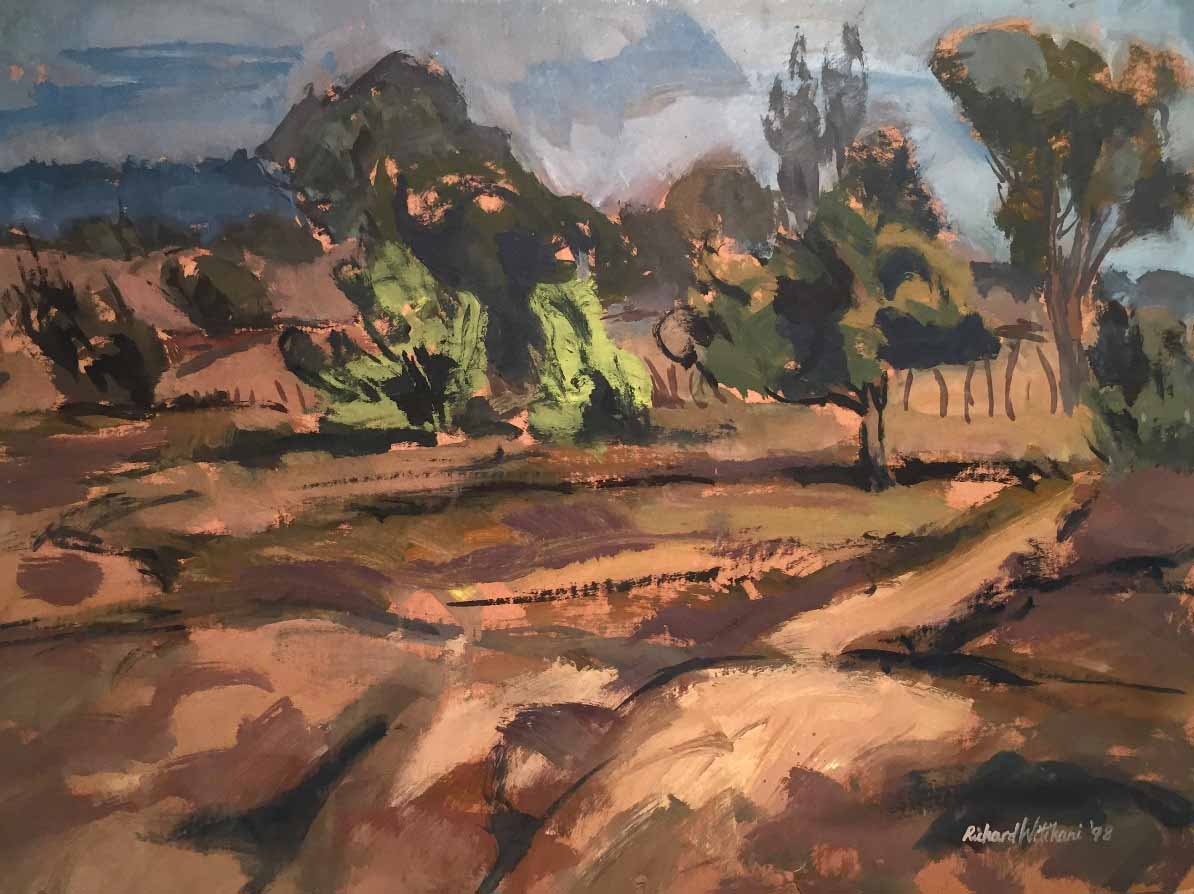
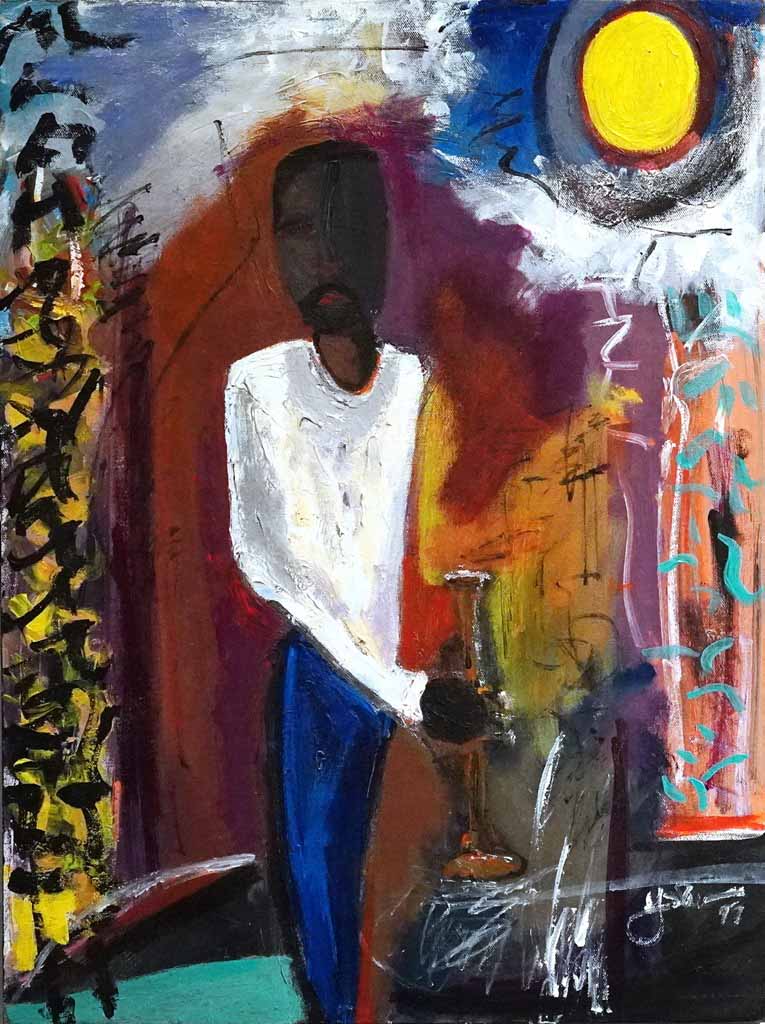
Art of the Collectors VII features works of art created by 20th and 21st century African and African American artists previously held in institution and private collections. Artists: Akili Ron Anderson, Benny Andrews, Romare Bearden, John Biggers, Ernest Crichlow, Sam Gilliam, Lois Mailou Jones, Jacob Lawrence, Ulysses Marshall, Valerie Maynard, Jonathan Pinkett, Frank Smith, Hughie Lee Smith, Lou Stovall, Bruce Onobrakpeya, Delilah Pierce, Stephanie Pogue, Faith Ringgold, Cullen Washington, Jr., James Lesesne Wells, Lorna Williams, Curtis Woody, Falaka Armide Yimer, and Purvis Young.

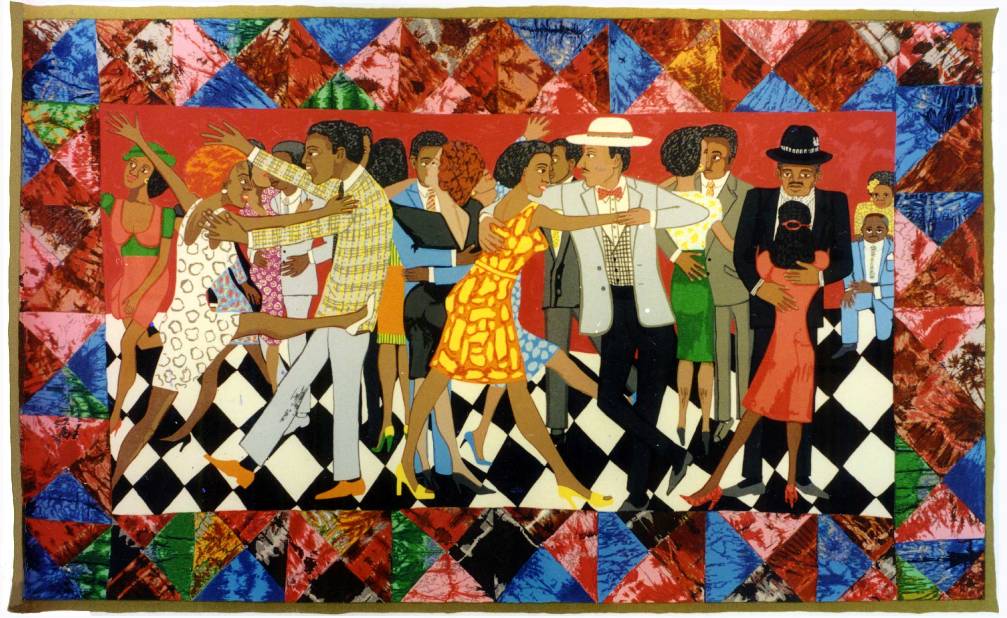
Faith Ringgold, Grooving High
Color Silkscreen 48/425, 35″ x 49″, Framed, 1996
Provenance: Johnetta B. Cole Collection


Artwork

Blackface Artwork

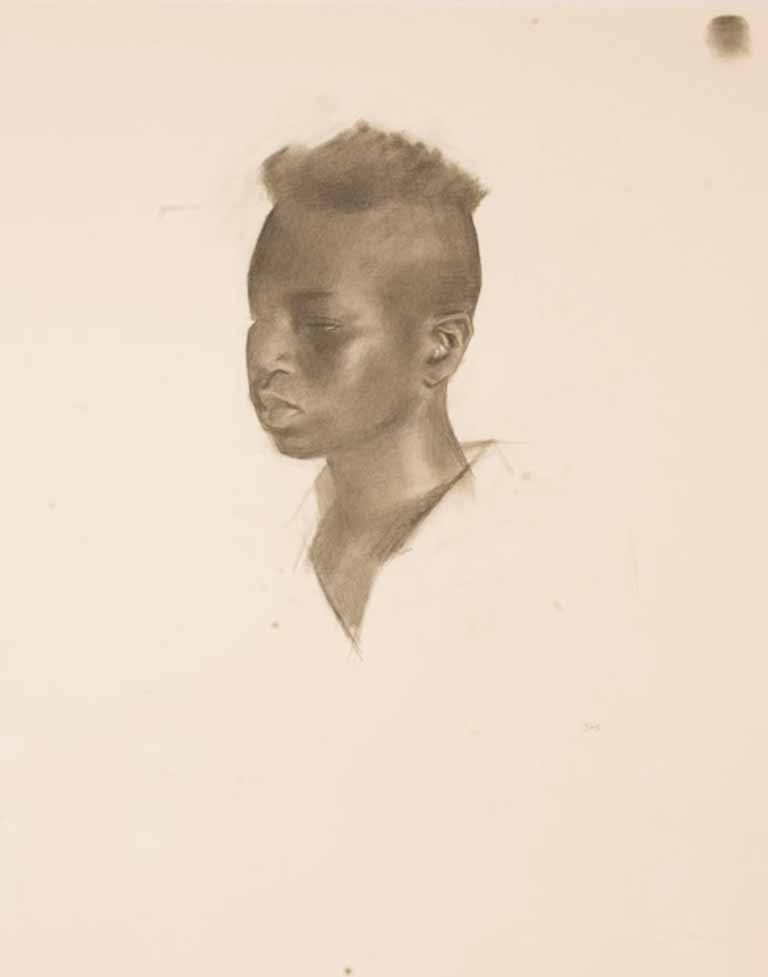
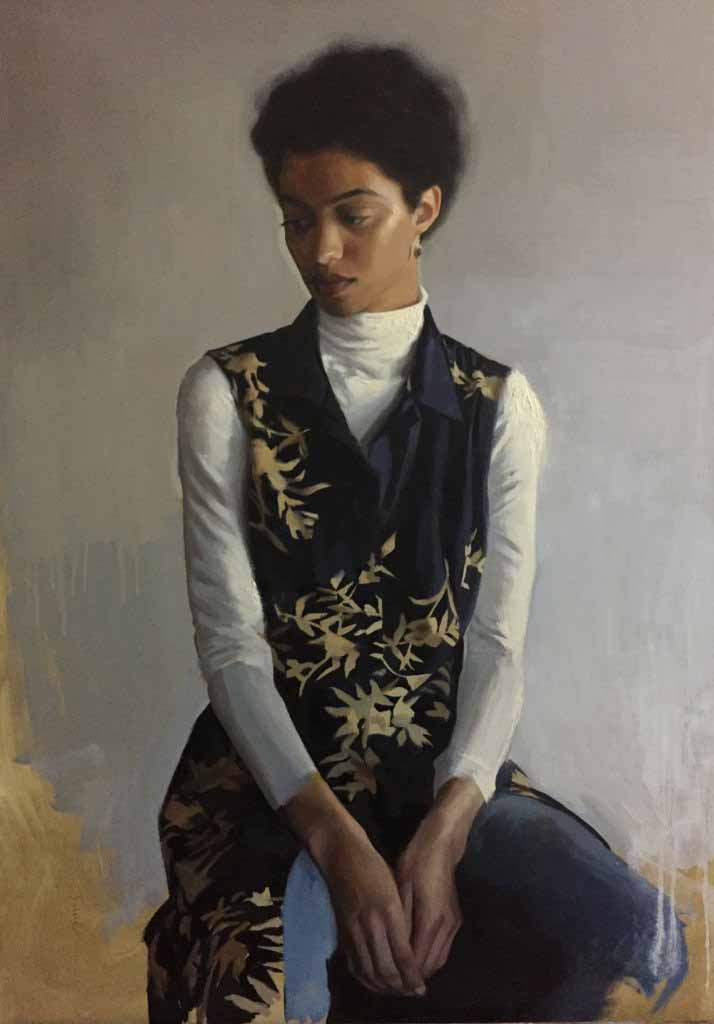
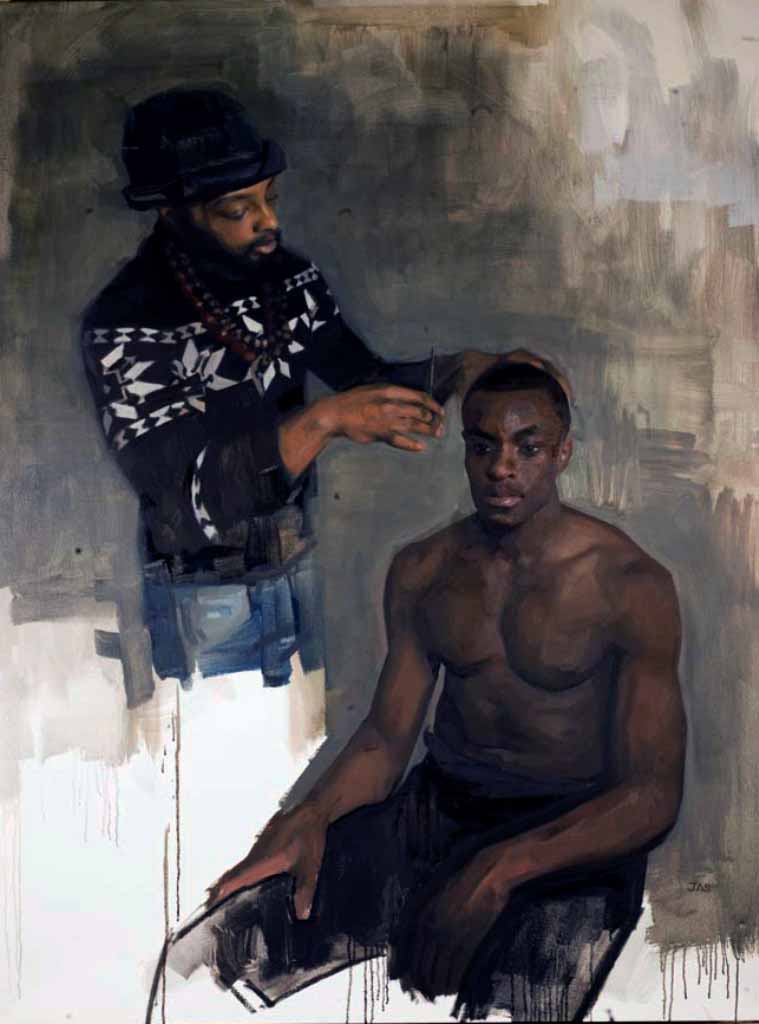
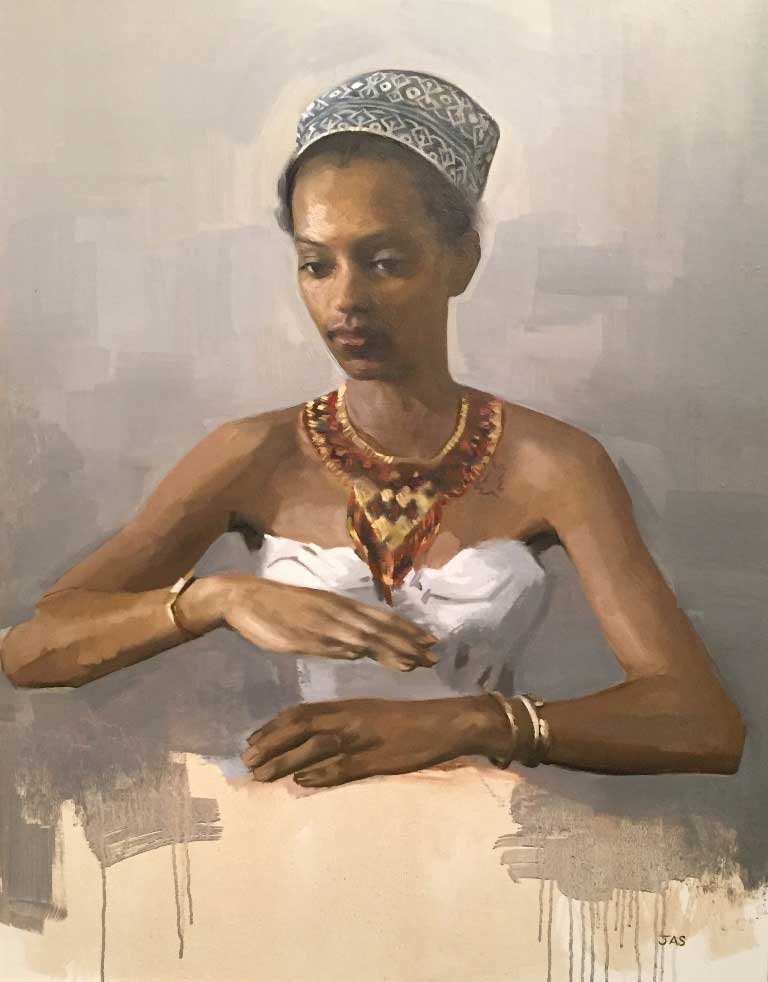
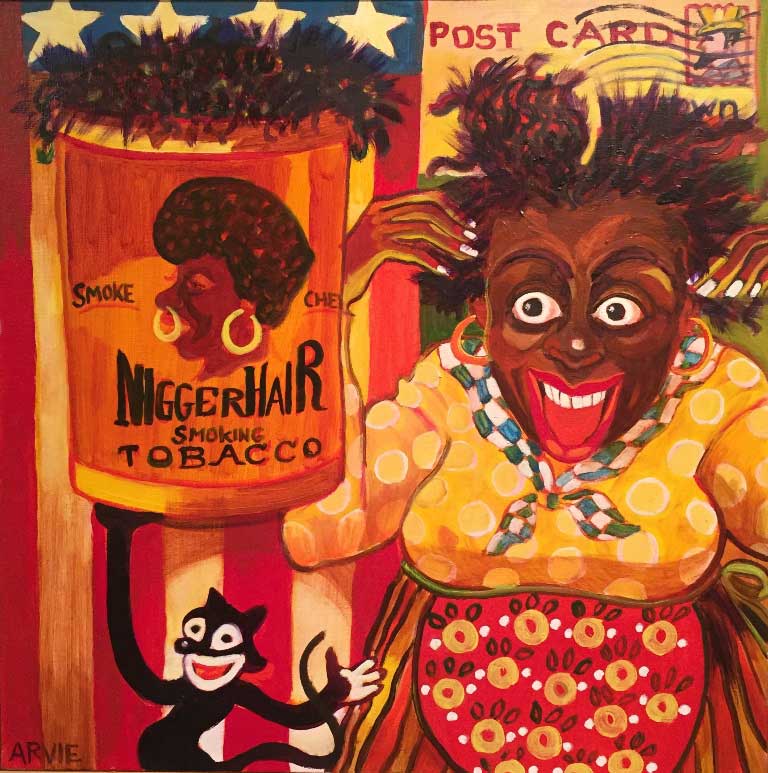
Blackface: A Reclamation of Beauty, Power and Narrative

April 20 – June 15, 2019

about the exhibition | exhibition essay

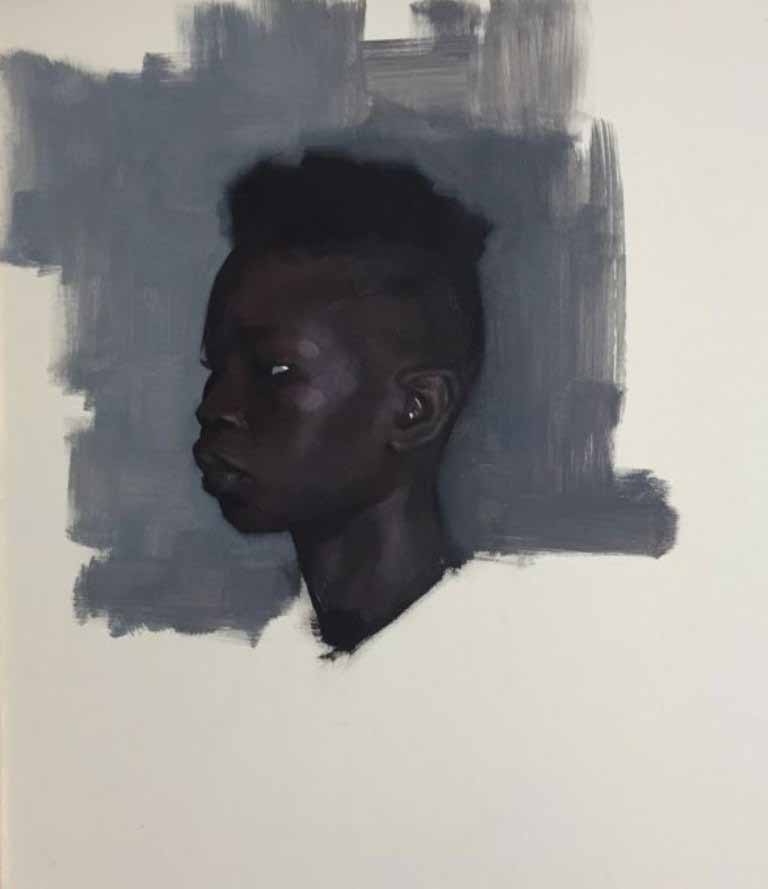
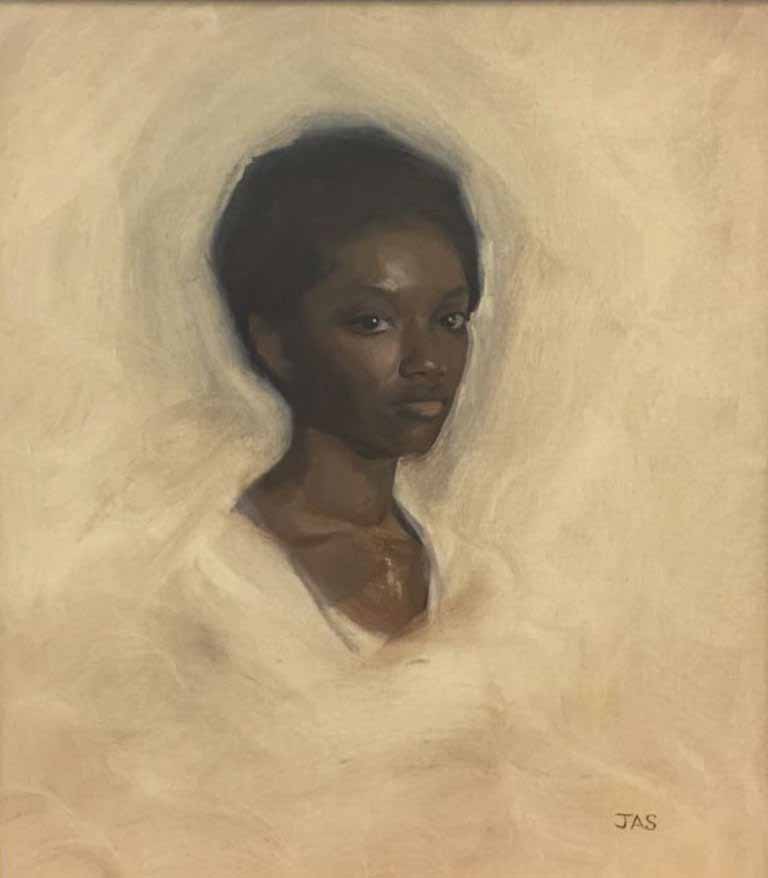
Featured artists: Tawny Chatmon, Alfred Conteh, Jerrell Gibbs, Karina Griffith, Jas Knight, Arvie Smith and Felandus Thames.
Exhibition essay by Halima Taha. Curated by Myrtis Bedolla and Jessica Stafford Davis

Artwork

Building Bridges II The Politics of Love – Identity…

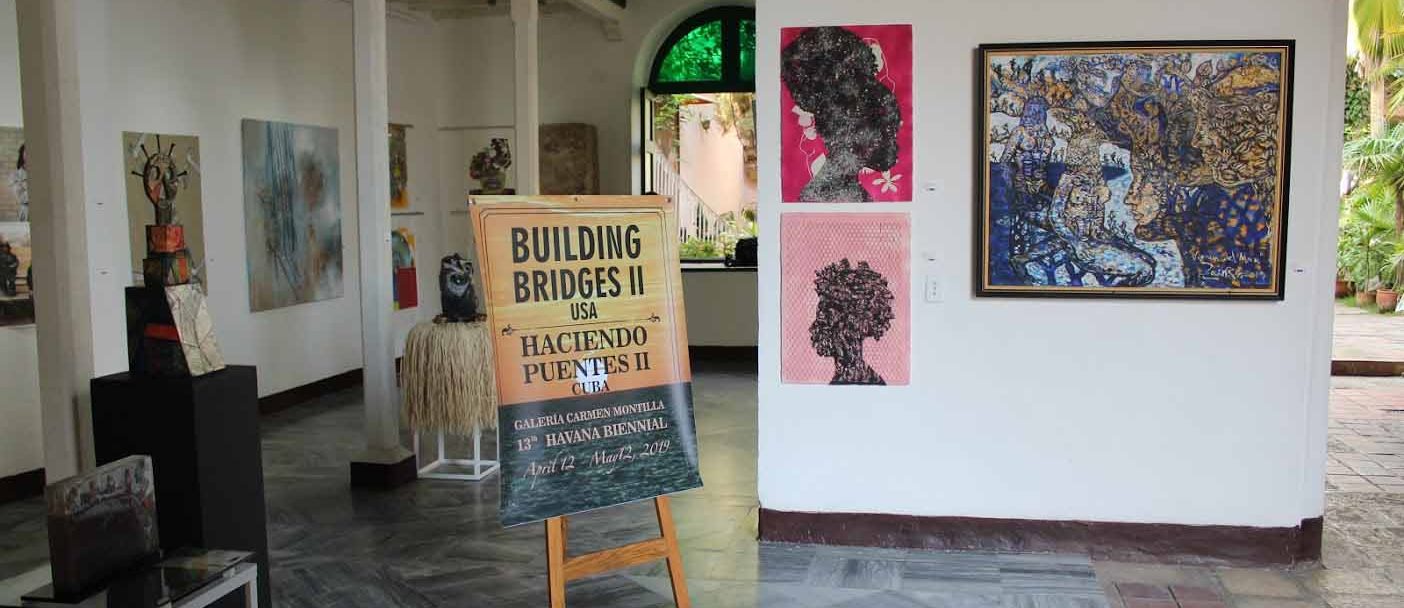
Building Bridges II: The Politics of Love, Identity and Race

13th Havana Biennial, Havana, Cuba
April 12 – May 12, 2019

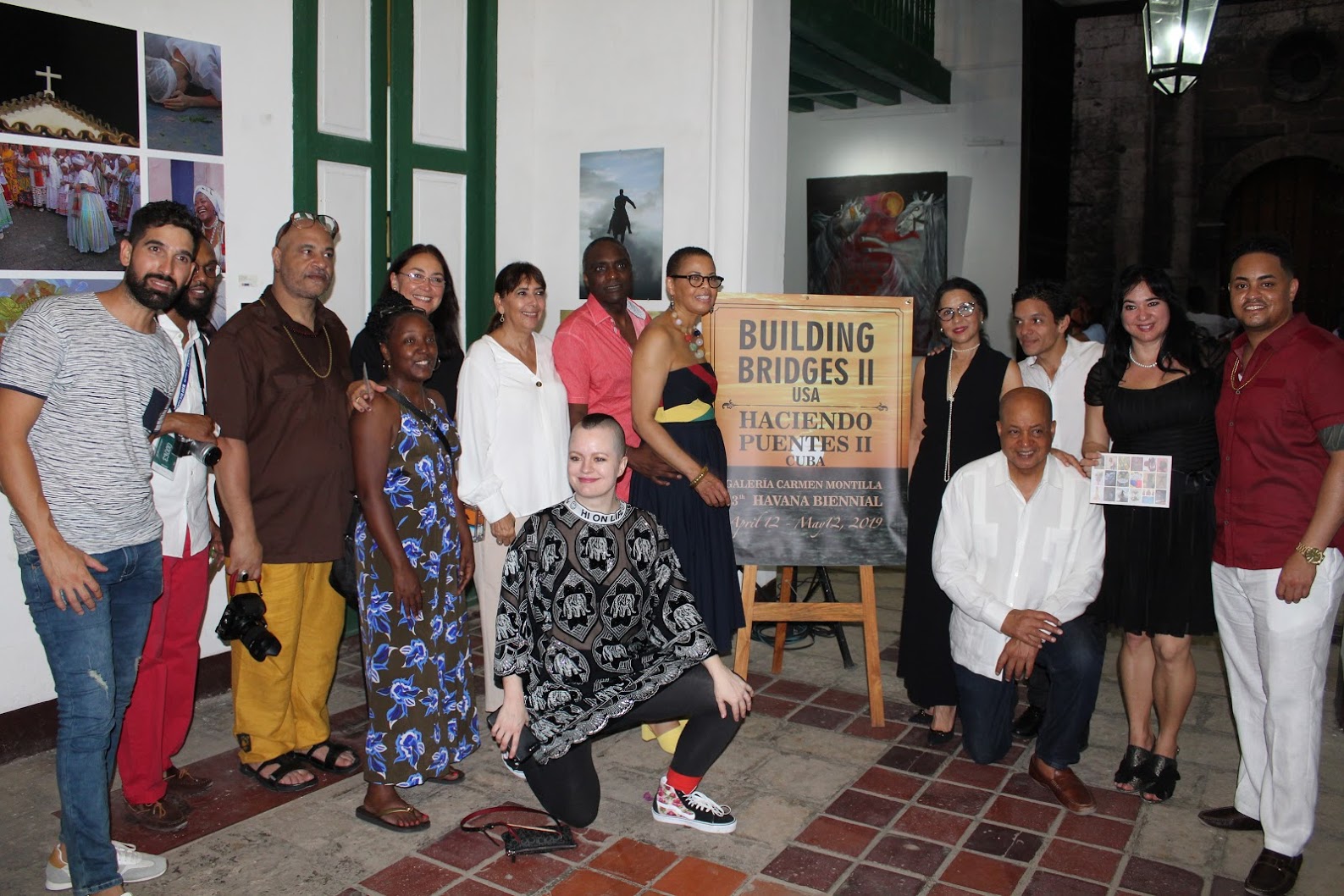
Galeria Carmen Montilla – photo by Chris Bedolla

Location
Galeria Carmen Montilla
Norma Jimenez Iradiz, Directora
Calle de los Oficios No. 162, Old Havana
Opening Reception: April 13, 2019, 6:00 pm – 8:00 pm

Curators Myrtis Bedolla and Ana Joa reunite for the second iteration of Building Bridges II: The Politics of Love, Identity, and Race. In bridging peoples, politics, and cultures, the exhibition investigates the dogma of love, gender politics, and prevailing assumptions about identity and race. We thank Eusebio Leal Spengler, Old Havana Restoration Project for his support.

Los curadores Myrtis Bedolla y Ana Joa se reúnen para la segunda versión de Haciendo Puentes II: La Política del Amor, la Identidad y la Raza. Al unir a los pueblos, la política y las culturas, la exposición investiga el dogma del amor, la política de género y los supuestos prevalentes sobre la identidad y la raza. Agradecemos a Eusebio Leal Spengler, Havana Vieja Restauracion Proyecto por su apoyo.

American Artists: Tawny Chatmon, Wesley Clark, Larry Cook, Alfred Conteh, Anna U. Davis, Morel Doucet, Vance Gragg, Susan Goldman, Michael Gross, Ronald Jackson, M. Scott Johnson, and Delita Martin.

Cuban Artists: Julia Valdés Borrero, Luis Jorge Joa, Daylene Rodriquez Moreno, Caridad Ramos Mosquera, Zaida del Rio, Eduardo Roca Salazar (Choco), Alicia Leal Veloz, and Jorge Jacas Vivanco.


Artwork


Photos