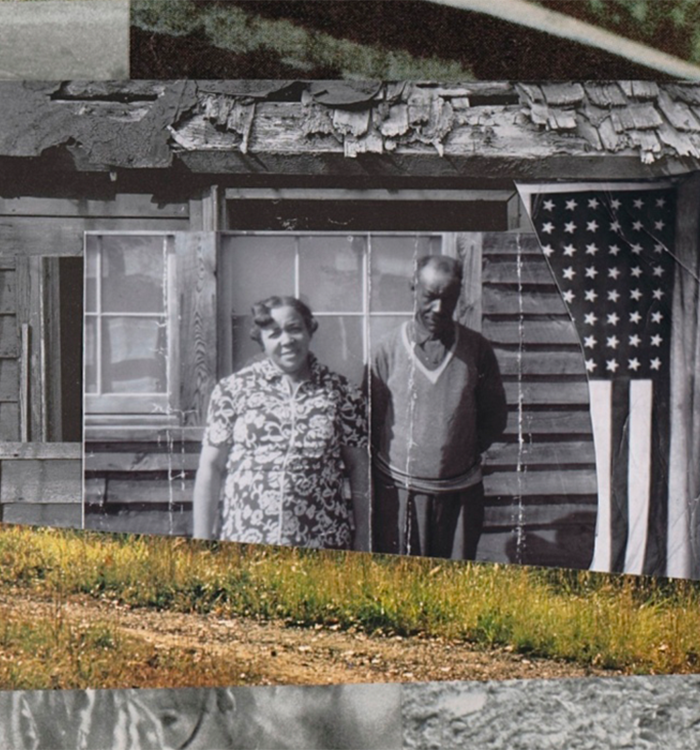
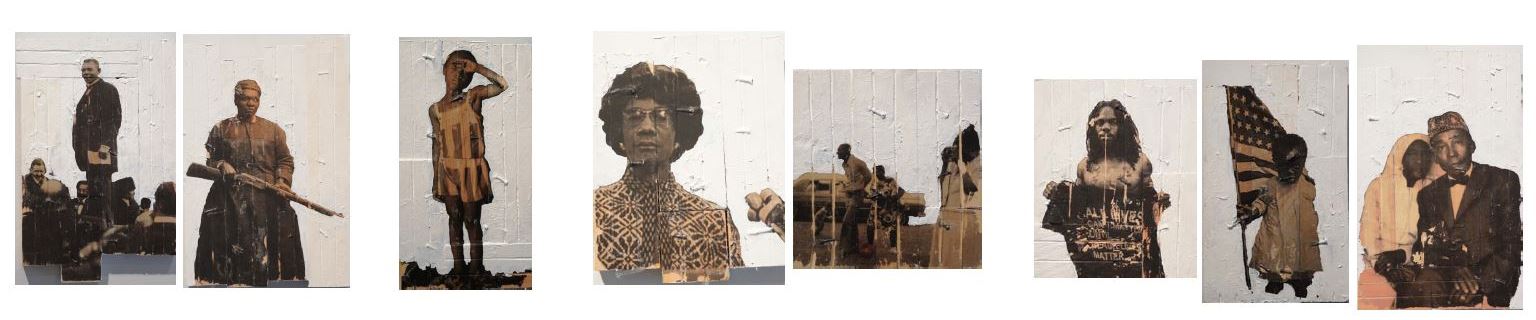
BRIA STERLING WILSON My American Gothic, 2025 Collage, found imagery, family archives 18.25 × 17 ″
Stars and Stripes: Pride, Protest & Promise
Opening Reception:
October 16th, from 6:00 – 8:00 PM
Exhibition runs October 16, 2026 – February 5, 2027.
In celebration of its twentieth anniversary, Galerie Myrtis will present Stars and Stripes: Pride, Protest & Promise, an exhibition examining the enduring symbolism of the American flag and the complex meanings of patriotism, from October 16, 2026, through February 5, 2027.
Marking both a significant milestone for Galerie Myrtis and a pivotal moment of national reflection, the exhibition coincides with the United States’ 250th anniversary. This historic occasion invites renewed consideration of the symbols, values, and narratives that have shaped the American experience—and of the ideals represented by the nation’s most enduring symbol: the American flag.
First explored by Galerie Myrtis in its 2008 exhibition Stars and Stripes: Pride or Despair, the subject returns nearly two decades later with renewed urgency. Through the perspectives of contemporary artists, the exhibition examines patriotism, belonging, identity, freedom, and the enduring tensions between the promise of America and the realities of the American experience.
The American flag endures as one of the nation’s most potent and contested symbols. It has flown over moments of profound progress and painful contradiction: the expansion of civil rights alongside their persistent contestation, democratic ideals shadowed by systemic inequities.
Drawing from the visual language of stars and stripes, the artists in this exhibition—representing diverse cultural, racial, and religious backgrounds—engage the flag not as a static icon, but as a living, evolving site of meaning. Their works celebrate resilience, sacrifice, and collective achievement while also challenging narratives that obscure histories of exclusion and unresolved injustice.
Situated within today’s charged political and social climate—marked by polarization, debates around belonging, and renewed demands for accountability, the exhibition asks what patriotism can and should mean in the present moment. The American flag becomes both mirror and measure, reflecting pride and grief, hope and dissent. These tensions are not framed as oppositional, but as inseparable forces that have always shaped the nation’s democratic project.
By returning to this theme at a pivotal historical moment, Galerie Myrtis underscores the enduring relevance of artistic inquiry in shaping civic imagination. Stars and Stripes: Pride, Protest & Promise, honors the struggles and triumphs that have expanded democracy’s reach, while inviting reflection on the work that remains. As the nation looks toward its next century, the exhibition affirms that celebration and critique are not contradictory acts, but essential components of an engaged, evolving democracy.
Featured Artists: Devin Allen, Lavett Ballard, Wesley Clark, Connor Czora, Tawny Chatmon, Morel Doucet, Ya La’Ford, Jerrell Gibbs, Susan Goldman, Monica Ikegwu, Ronald Jackson, Fabiola Jean-Louis, M. Scott Johnson, Megan Lewis, Lex Marie, Kim Rice, James Seward, and Felandus Thames.
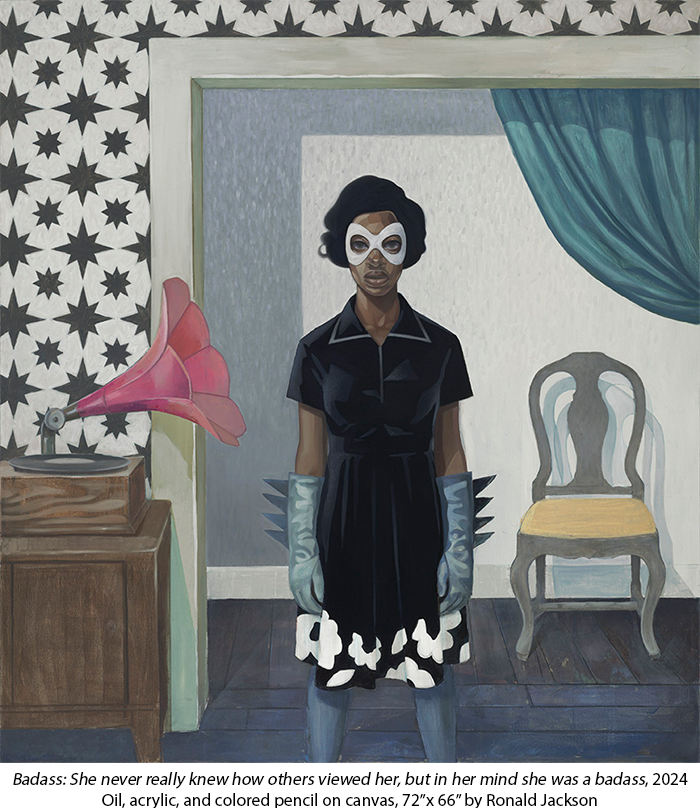
Galerie Myrtis is pleased to present The Brave: Affirming Power, Presence & Possibility, a powerful group exhibition curated by Myrtis Bedolla. On view from August 30 through October 11, 2025, the exhibition features contemporary artists whose work explores the emotional, historical, and imaginative landscapes of the African diaspora.
Inspired by the anthemic lyrics of Danielle Ponder’s Some of Us Are Brave, the exhibition centers artists who examine the complexities of Black freedom, the weight of injustice, and the radical potential of self-definition. Through painting, sculpture, photography, mixed media, and installation, The Brave calls forth a collective testimony that honors ancestral strength, celebrates embodied truth, and demands space for joy, grief, intimacy, and transformation.
Featured artists: Devin Allen, Lavett Ballard, Wesley Clark, Jerrell Gibbs, Fabiola Jean-Louis, Felandus Thames, Megan Lewis, Delita Martin, Ronald Jackson, M. Scott Johnson, Ya La’Ford, James Seward, and Bria Wilson-Sterling.
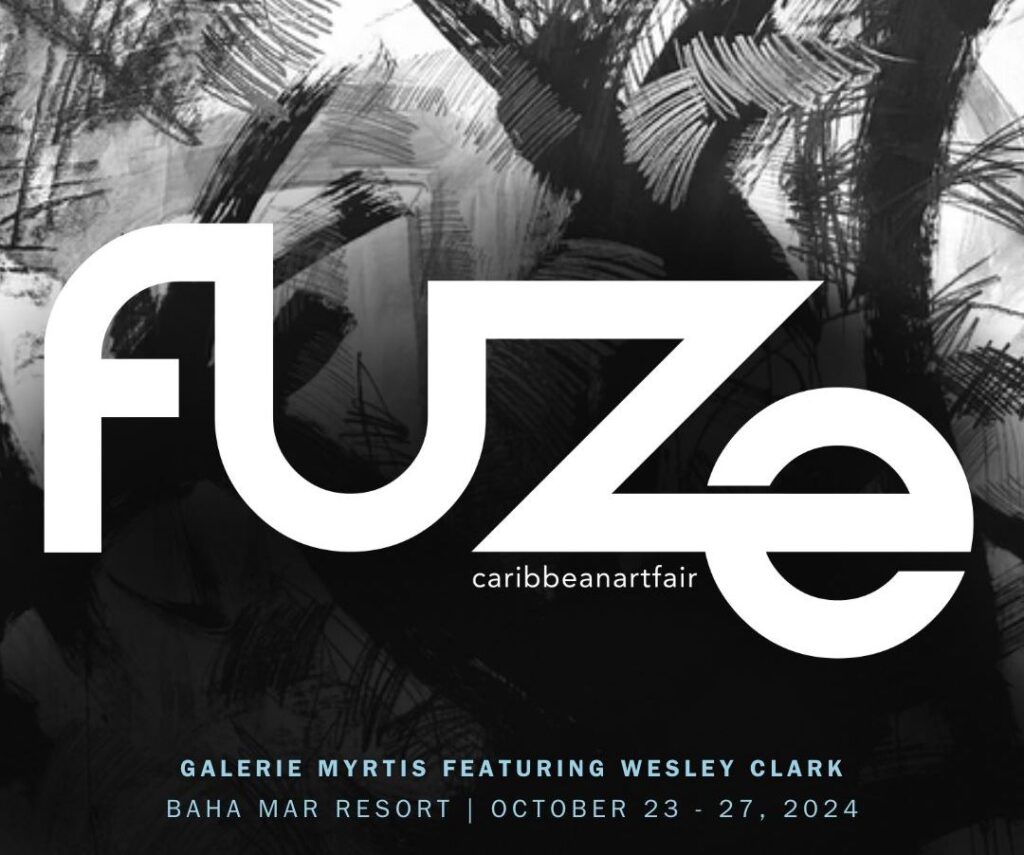
Galerie Myrtis will present new works from Wesley Clark, marking the conclusion of his residency with The Current: Baha Mar Gallery & Center. This annual fair supports the art ecosystem of the region by helping artists develop their work and connect with new audiences and platforms internationally.
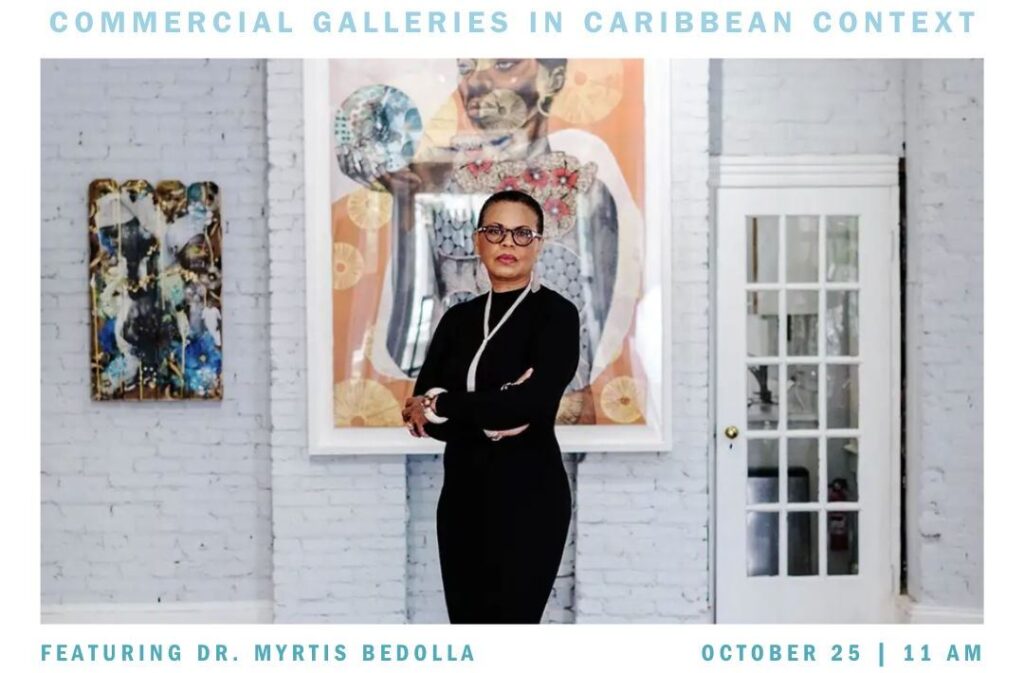
Programming includes the “Commercial Galleries in Caribbean Context,” which features the founding director and chief curator of Galerie Myrtis, Dr. Myrtis Bedolla. The panel will occur on Friday, October 25th, at 11:00 am (EST). Additionally, Clark will participate in an artist talk on Saturday, October 26th, at 5:00 pm (EST). Both discussions will be moderated by Natalie Willis-Whylly.
FUZE Caribbean Art Fair is now offering complimentary admission to the public. Click here for more information on the fair.
Lavett Ballard is a mixed media artist who describes her work as a re-imagined visual narrative of African descent people. Ballard’s use of imagery reflects social issues affecting primarily Black women.
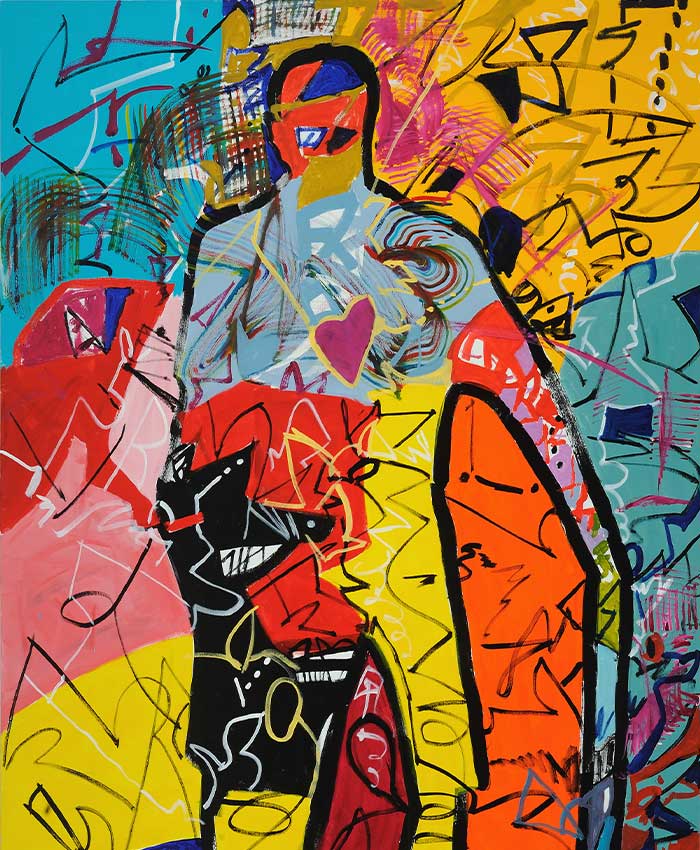
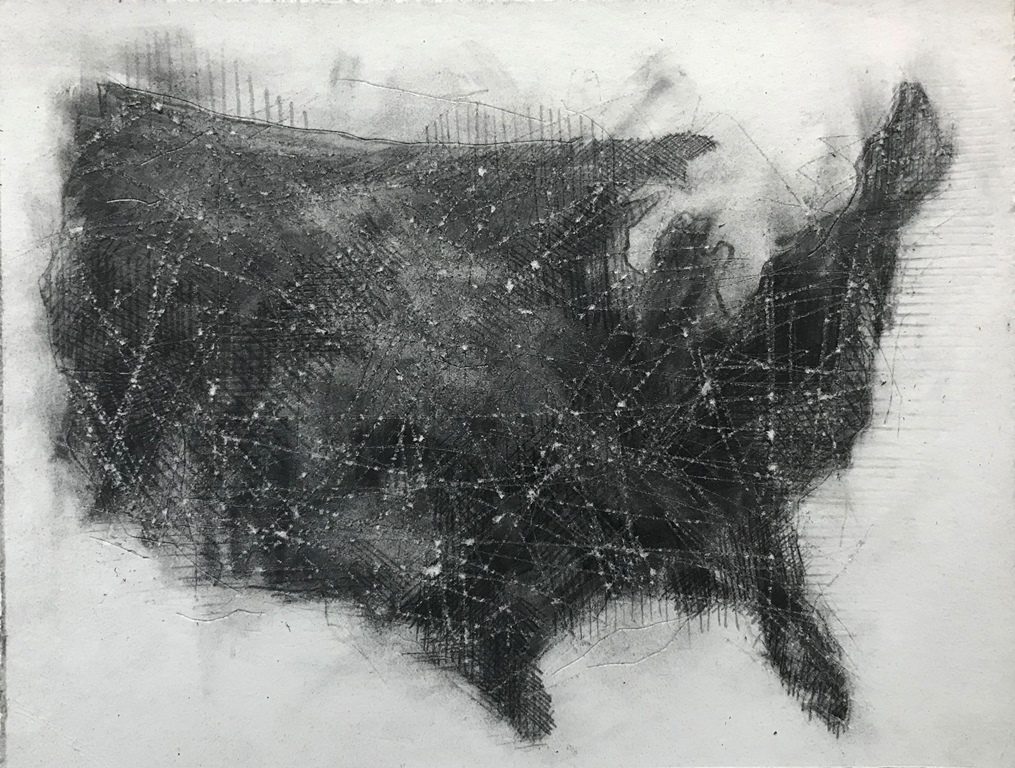
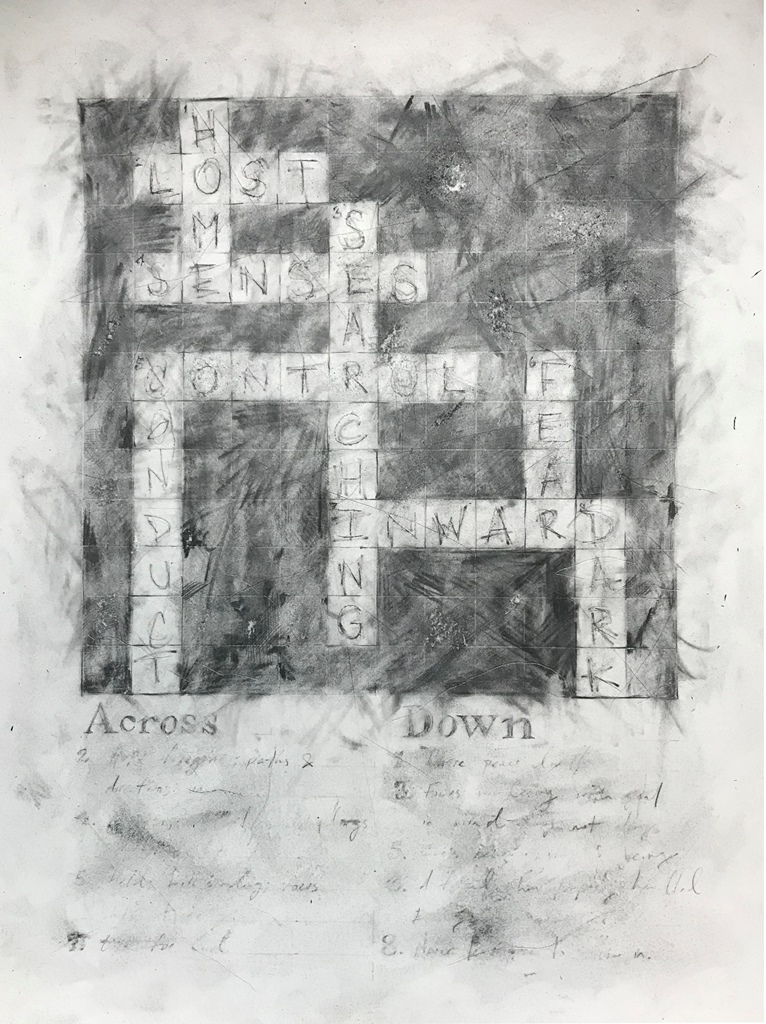
Wesley Clark is a conceptual artist whose work challenges and draws parallels between historical and contemporary cultural issues. Clark’s primary focus surrounds blacks in America and the African Diaspora. He examines the young black male psyche and the feeling of being a target.
Alfred Conteh is a painter who presents visual explorations of how people from the African Diaspora societies living in the South are fighting social, economic, educational, and psychological wars from within and without to survive.
Susan Goldman is a printmaker whose “Squaring the Flower” series explores geometry and decorative form. Love of pattern and underlying passion for color and beauty informs playful layering and improvisation. The flower gets stripped away, covered up, and over-printed, yet it always finds a way back in, like a melodious refrain or a cherry blossom in springtime.
Michael Gross is a painter and printmaker whose intensely colorful works are frenetic studies of light and movement. For Gross, every piece attempts to capture a moment of equilibrium, a kind of elegant balance in time and space, and record it permanently.
Michael Gross The Measure of a Man, 2018
Oil and acrylic on canvas, 72 x 48″
M. Scott Johnson is a photographer and sculptor. As a photographer, Johnson navigates and interprets light, space, and soul in his Landscape Astrophotography series, which represents a yearly pilgrimage to the dark sky of New York’s Adirondack Park, where he captures the rising of the planet Venus in the Northern Hemisphere. As a sculptor, Johnson’s aesthetic and philosophical explorations are shaped by the landscape of his atavistic memories.
Megan Lewis is a painter whose work is a visual series built on her curiosities, experiences, memories, and thought processes. Gathering what she has known to be true becomes the foundation and framework of her artistry. Lewis creates work to express and share her joys.
Delita Martin is a printmaker who portrays Black women as magical beings that possess the power to transcend their black skin and exist in a spiritual form. Through the weaving of history and storytelling, Martin’s work offers narratives on the power of women whose stories are not only layered in textures and techniques but also symbolism.
Arvie Smith is a painter who works transforms the history of oppressed and stereotyped segments of the American experience into lyrical two-dimensional masterworks. Smith’s work is commonly of psychological images revealing deep sympathy for the dispossessed and marginalized members of society in an unrelenting search for beauty, meaning, and equality.
Nelson Stevens is a painter and member of AfriCOBRA (African Commune for Bad Relevant Artists) whose aesthetic is rooted in activism and a commitment to create imagery that rails against racism through positive, powerful, and uplifting imagery.
Felandus Thames is a conceptual artist whose work transcends didacticisms that are typically associated with anachronistic understandings of representation and instead aligns itself with ideas around the taxonomy of human difference. Thames is also interested in the interplay between the personal narrative and the imagined, uses humor to allow the viewer to ease into disconcerting motifs.
FEATURED ARTISTS
Lavett Ballard | Wesley Clark | Alfred Conteh
Susan Goldman | Michael Gross | M. Scott Johnson
Megan Lewis | Delita Martin | Arvie Smith
Nelson Stevens | Felandus Thames
This group exhibition explores concepts of existence and being, drawing inspiration from the metaphysical theory of ontology, the study of the nature of things, and their reality, identity, and relatedness.
In this exhibit, visual narratives conceived in conceptual work, paintings, prints, photography, and sculpture draw parallels between shared occurrences and belief systems derived from the artists’ personal experiences and convictions. Here the theory of ontology will be tested and either accepted or rejected as truth, as we question, do our human experiences inextricably link us? Discourse on the notion of communal expressions will challenge relatedness. And social constructionism leads the debate on what defines being, reality, and identity.
Megan Lewis Calm, 2021
Oil and acrylic on canvas
60 x 36 ″
UTA Artist Space presents Literary Muse, a new group exhibition inspired by Black literary novelists, poets, and scholars, curated by Baltimore-based Myrtis Bedolla of Galerie Myrtis. On view from September 4 through September 25, 2021, the powerful presentation brings together paintings, photographs, prints, and sculptures by twelve contemporary artists working across the United States: Lavett Ballard, Tawny Chatmon, Wesley Clark, Alfred Conteh, Larry Cook, Morel Doucet, Monica Ikegwu, Ronald Jackson, M. Scott Johnson, Delita Martin, Arvie Smith, and Felandus Thames.
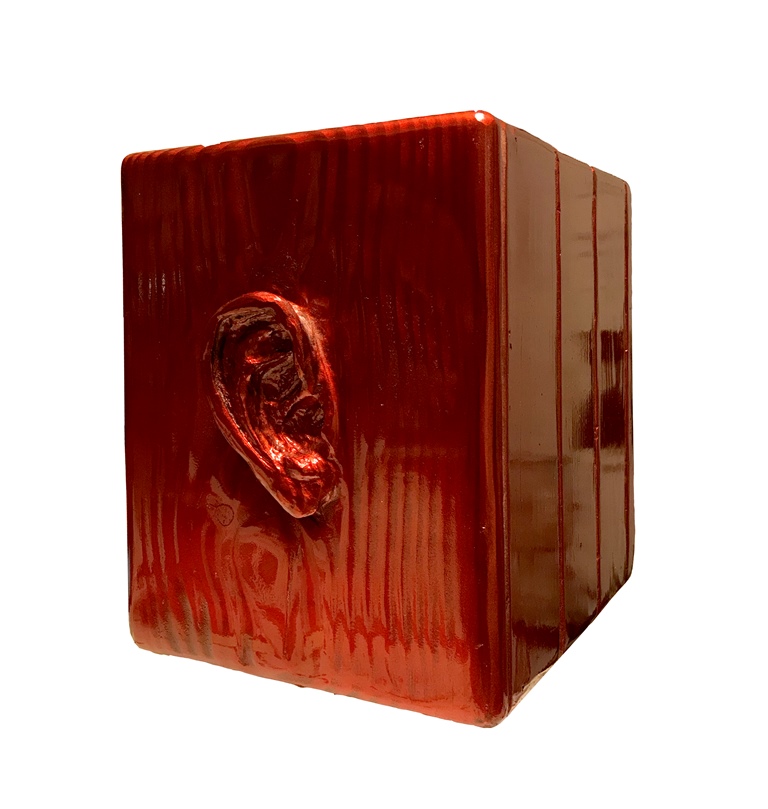
The incisive writings of Black scholars, poets, and authors of fiction bear the weight of a complicated history, at times celebrated and at others, bemoaned. In Literary Muse, their words are the interpretive impulse for imagery that defines the architecture of the Black ethos. The result is a visual vernacular constructed in paintings, photographs, prints, sculptures, and conceptual works composed in hair beads and wood that interrogates the inherent complexities of race.
Steeped in the writings of authors such as Ta-Nahisi Coates, bell hooks, Dr. Beverly Daniel Tatum, Charles Sowell, Alice Walker, and Isabel Wilkerson, these artists draw from a lexicon of Black narratives. They create visual illustrations that probe the connection between the past and present, challenge the inequalities of structural racism, honor the traditions of the Black family’s devoted fathers and mothers, encourage Black economic empowerment and selfhood, and give symbolic meaning to poetry and fiction through visual tropes that explore Black plight.
Looking for inspiration beyond the prose of philosophers, economists, theorists, psychologists, sociologists, and historians, artists turn to the lyrics of Black composers and vocalists elucidating a truth—a gospel truth—bound-up in ancestry and spirituality rooted in the polyrhythms of Africa. Here, they find their muse in rhythms first laid down in African American spirituals which influenced the gospel, jazz, R&B, hip-hop, and rap music of today. These are the sounds that permeate the artists’ studios, consciously and subconsciously inspiring works that touch the depths of our souls.
Through the confluence of literature and artistry, Literary Muse contextualizes the Black experience through a non-Western lens. The notion of Blackness, its history, ancestry, and culture are presented as written and interpreted by its people. Scholars and composers who might otherwise remain obscure are placed at the forefront, as their words influence profound works that offer critical discourse on that which affirms and defines what it means to be Black.
— Myrtis Bedolla
“Myrtis Bedolla has a sharp eye for extraordinary artists. To wield their art and animate the words of these great Black authors and poets—to bring their narratives to life visually—is a phenomenal talent,” says Arthur Lewis, UTA Fine Arts, and UTA Artist Space Creative Director.
image Oluma x Chimdi x Anwi by Monica Ikegwu, Oil on Canvas, 36″ in x 48″ in, 2021, Literary Muse: Beverly Daniel Tatum, Why are all the Black Kids Sitting Together in the Cafeteria?
Image courtesy of the artist and Galerie Myrtis
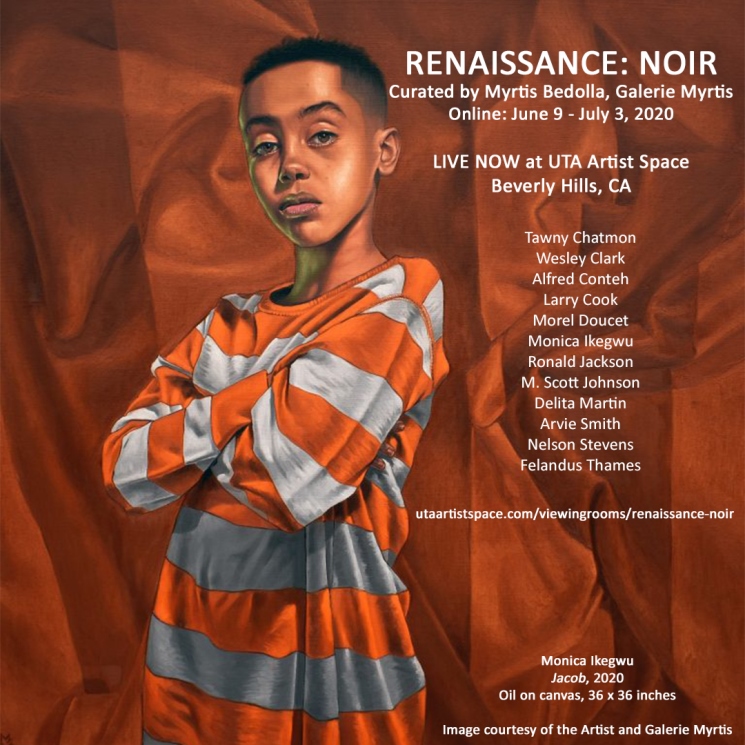
UTA Artist Space is pleased to present Renaissance: Noir, a virtual exhibition featuring works by 12 emerging Black artists, live on UTAArtistSpace.com from June 9 – July 3, 2020. Curated by Myrtis Bedolla, Baltimore-based owner of Galerie Myrtis, Renaissance: Noir investigates Blackness on the continuum of the historiographies of Black artists’ narratives that assert, individually and collectively, their state-of-mind and state-of-being Black. The timeliness of the exhibition is particularly significant, as its launch comes amidst a heightened awareness of racial injustice against the Black community, with protests occurring around the world. The show marks UTA Artist Space’s first full virtual exhibition.
The artists highlighted in Renaissance: Noir are Tawny Chatmon, Wesley Clark, Alfred Conteh, Larry Cook, Morel Doucet, Monica Ikegwu, Ronald Jackson, M. Scott Johnson, Delita Martin, Arvie Smith, Nelson Stevens, and Felandus Thames. Their work collectively captures the existence of “double consciousness,” as coined by W.E.B. DuBois, where one is constantly combating the “isms” —racism, colorism, sexism, capitalism, colonialism, escapism, and criticism through the act of artistic activism.
Renaissance: Noir
UTA Artist Space, Beverly Hills, CA
Curated by Myrtis Bedolla
UTA Artist Space is pleased to present Renaissance: Noir, a virtual exhibition featuring works by 12 emerging Black artists, live on UTAArtistSpace.com from June 9 – July 3, 2020. Curated by Myrtis Bedolla, Baltimore-based owner of Galerie Myrtis, Renaissance: Noir investigates Blackness on the continuum of the historiographies of Black artists’ narratives that assert, individually and collectively, their state-of-mind and state-of-being Black. The timeliness of the exhibition is particularly significant, as its launch comes amidst a heightened awareness of racial injustice against the Black community, with protests occurring around the world. The show marks UTA Artist Space’s first full virtual exhibition.
The artists highlighted in Renaissance: Noir are Tawny Chatmon, Wesley Clark, Alfred Conteh, Larry Cook, Morel Doucet, Monica Ikegwu, Ronald Jackson, M. Scott Johnson, Delita Martin, Arvie Smith, Nelson Stevens, and Felandus Thames. Their work collectively captures the existence of “double consciousness,” as coined by W.E.B. DuBois, where one is constantly combating the “isms” —racism, colorism, sexism, capitalism, colonialism, escapism, and criticism through the act of artistic activism.
Artist Statement
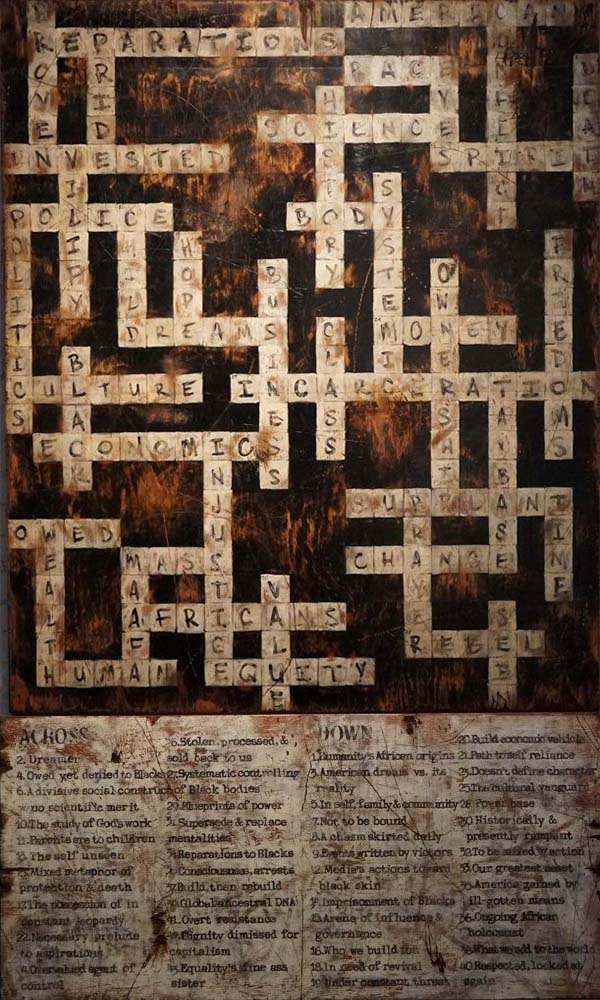
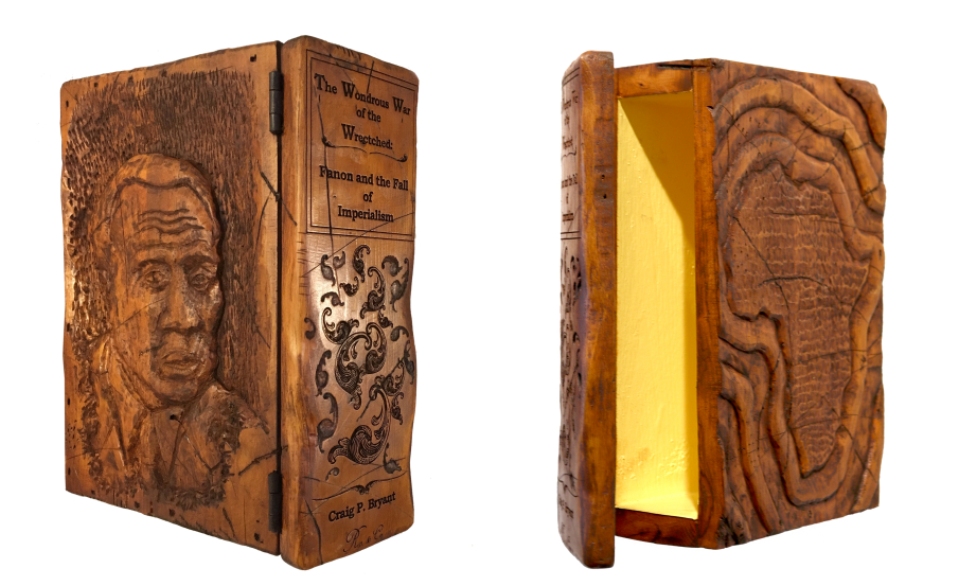
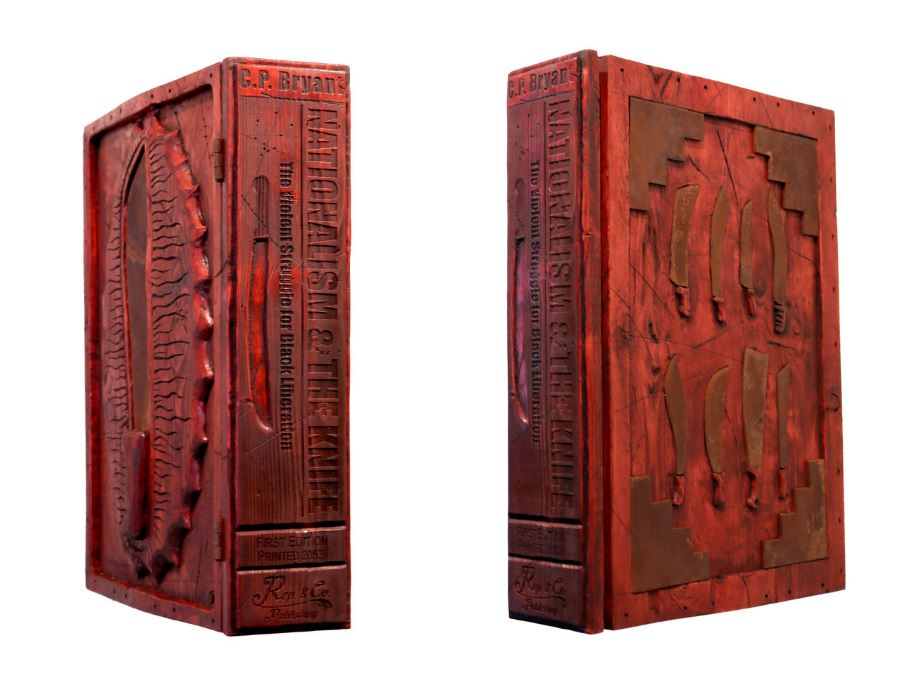
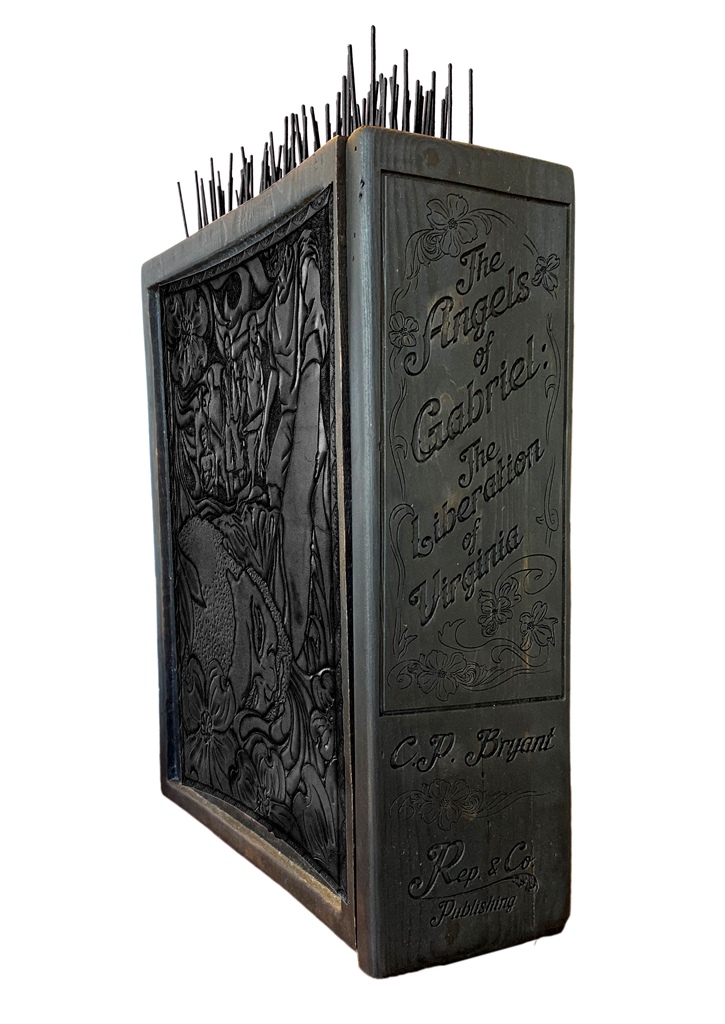
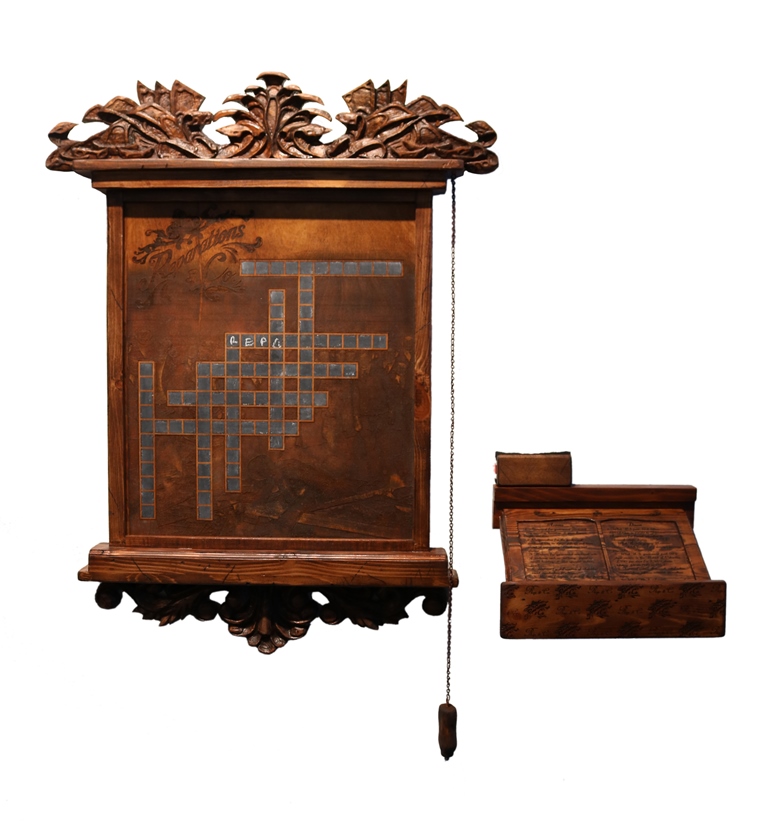
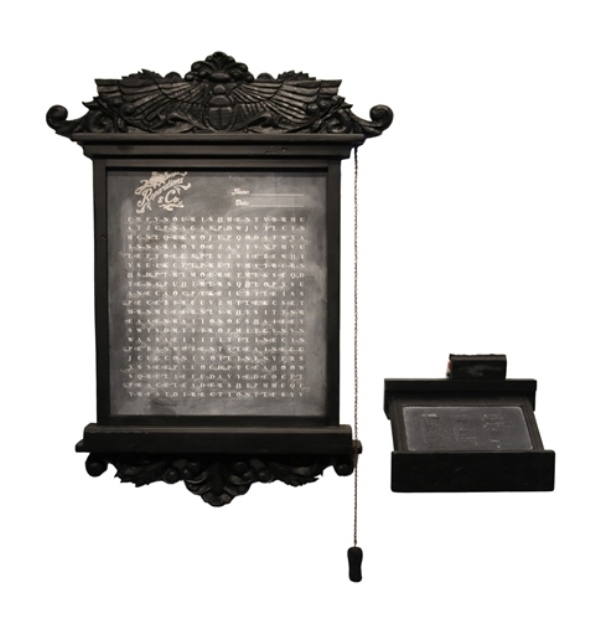
The exhibition, Reparations: Some Things are Just Owed, and Some More than Others, showcases a selection of objects created by a recently discovered artisanal-based company, Reparations & Co. Reparations & Co. (a.k.a. Rep & Co.) founded by Eugene & Morris, two Black men during the Reconstruction era, created functional, subversive, and empowering objects — some futuristic in thought and process. Not much is known about the craftsmen or the company, however, in recent years several objects have surfaced on the auction and secondary markets with the company’s logo, prompting research. As such, researchers discovered what is believed to be their shop in an overgrown, abandoned, dilapidated barn-like structure near Freetown, in Glen Burnie, MD. The collection found is vast and while remarkably well preserved, some objects were vandalized, prompting restoration efforts. On display in this exhibition viewers get a peek into the past through the minds of two craftsmen as they fuse economic empowerment, restoration of identity, and more into their functional and decorative objects; during a pivotal yet short-lived period of American history.
The fictitious narrative of Reparations & Co. is what drives many of the aesthetic choices; it is the vehicle used to create a dialogue on ideas of racial socialization — as described in Post Traumatic Slave Syndrome, by Dr. Joy DeGruy — as a means of expanding and internalizing the discussion of reparations to include what we as Black Americans owe ourselves.
“…the process whereby we come to know our strengths, understand the world in which we live, and position ourselves to thrive. Continual education is at the heart of racial socialization. For young children, education is the elder’s responsibility. For adults, the responsibility is our own. We have to remain vigilant and questioning. We have to continue to constantly endeavor to keep ourselves informed and our education current. We have to question the image we ourselves are portraying. We have to examine the sounds and pictures we expose ourselves to. We have to filter what we hear on the news and strive to understand what is true.“
– Joy DeGruy, Post Traumatic Slave Syndrome watch Joy DeGruy lecture on Post Traumatic Slave Syndrome
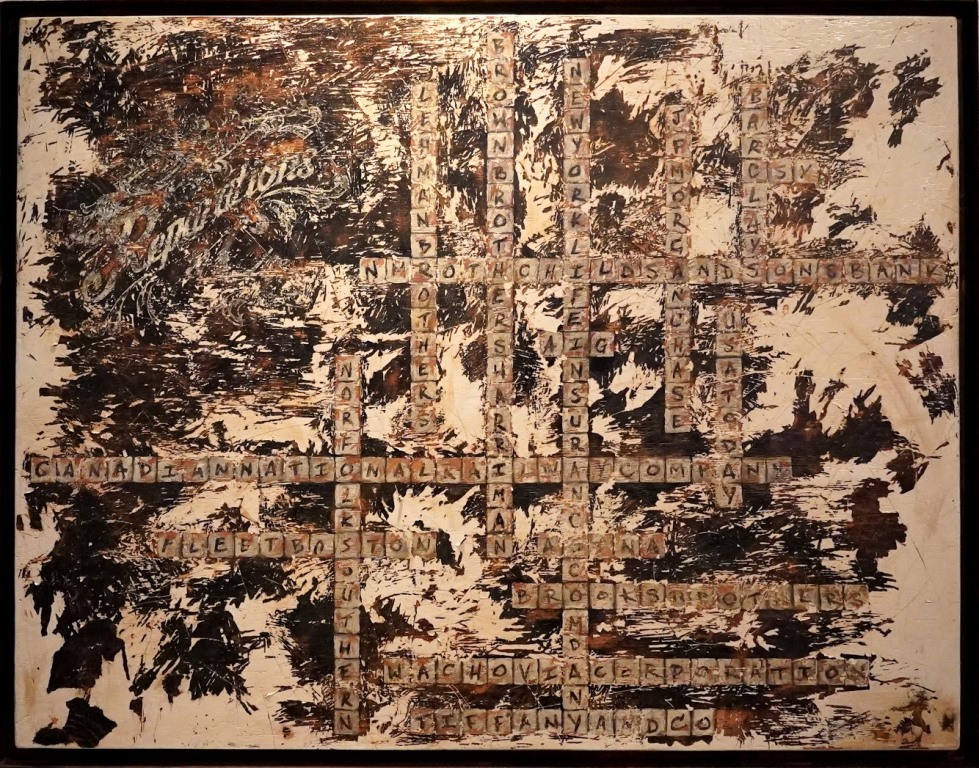
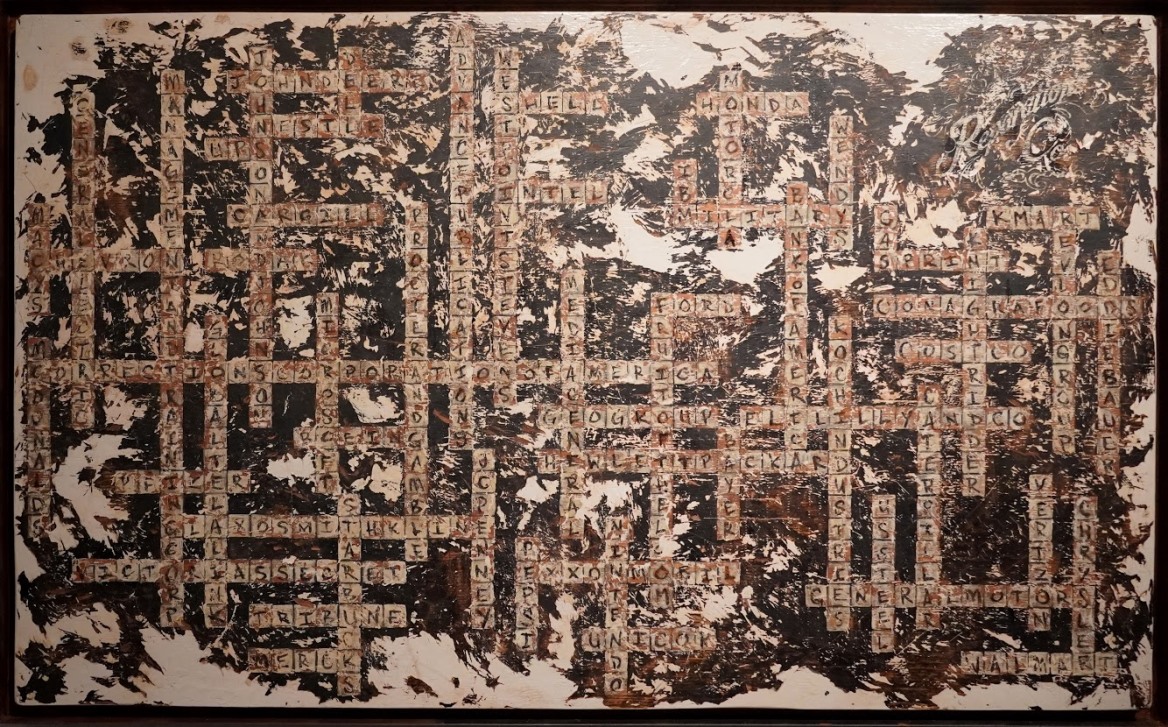
Whether from present day or generational trauma, communal preparation and advancement are at the heart of this body of work. Under the umbrella of preparation, inwardly focused themes around mental health, family history and legacy, self-respect and dignity, leadership, rebuilding the Black economy and restoring relationships are touched on as a means of being solution-oriented. While there are outside influences discussed on the traditional theme of reparations, the focus remains inward. Two examples of such influences can be found when examining the works The Profiteers 1 & The Profiteers 2. The first recognizes existing companies operating in the US (though possibly under a new name) that profited from the enslavement of Africans. The second names corporations that have or still use prison labor and thereby support the growth of the prison industrial complex (i.e., Sprint, Verizon, Bank of America and Walmart). My intent is to think about self-respect, as well as building and supporting a Black economy, as each name listed represents an industry for the Blacks to build and compete in.
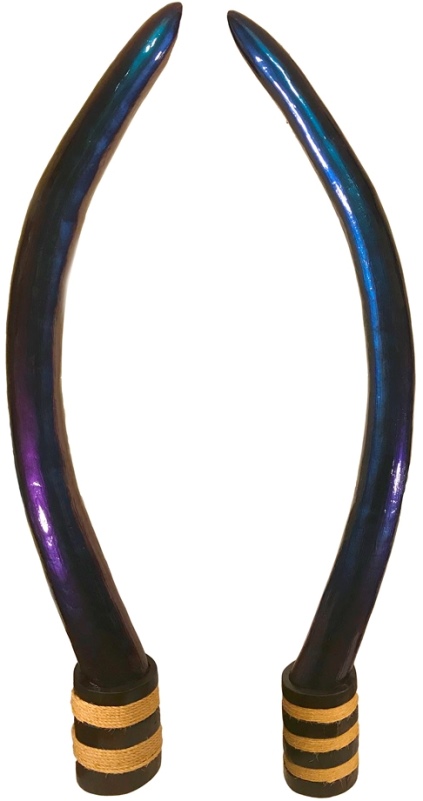
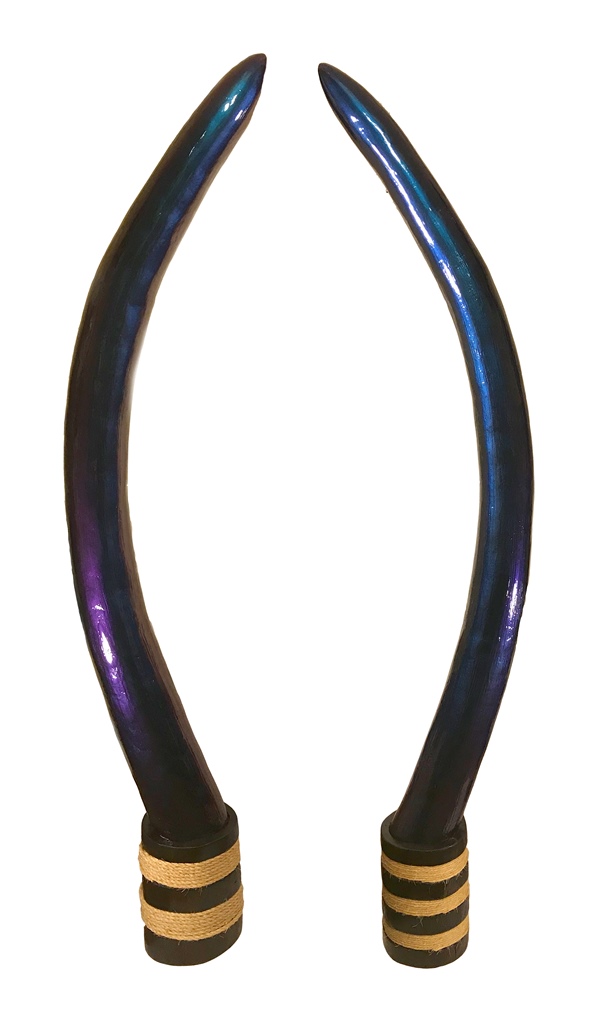
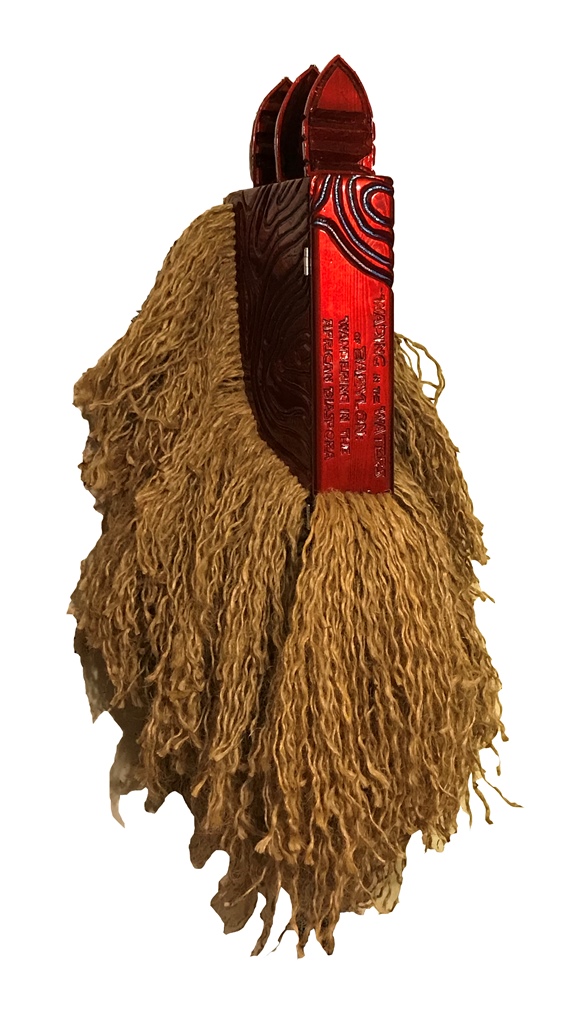
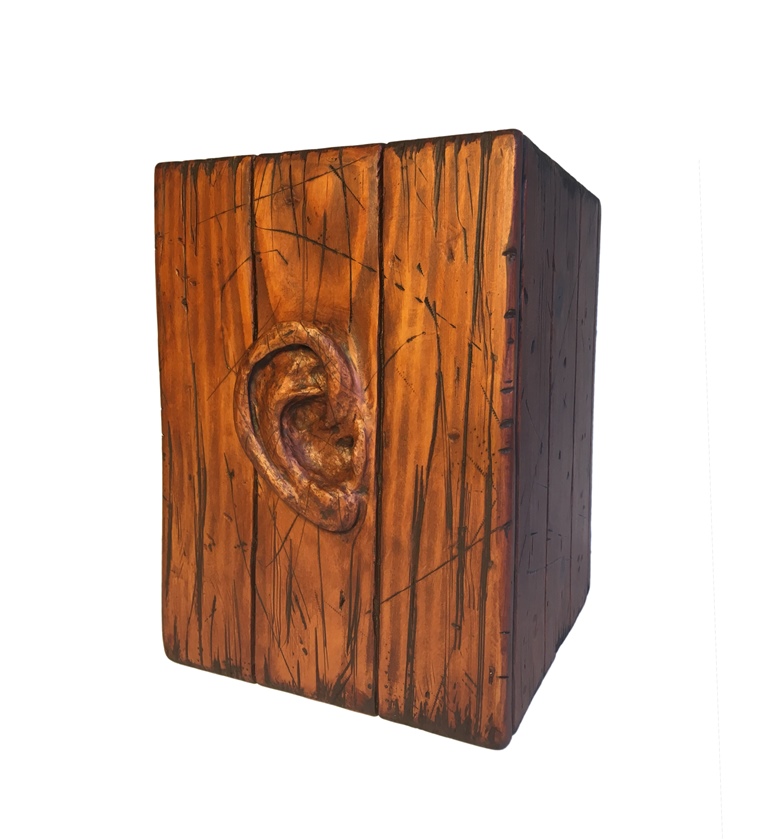
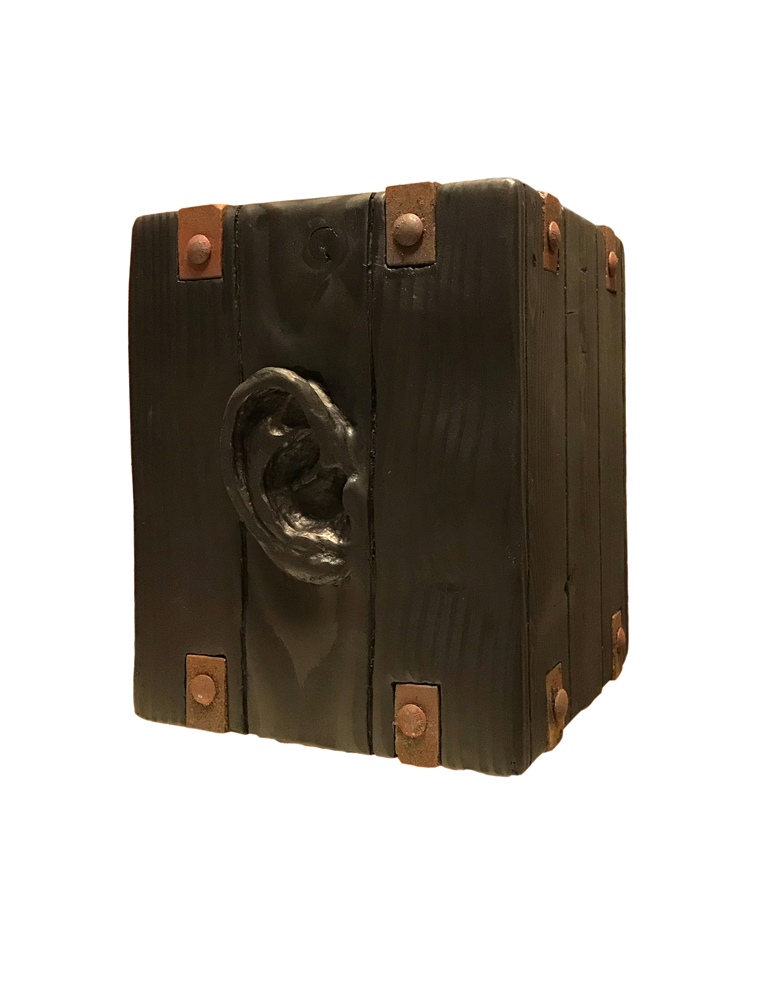
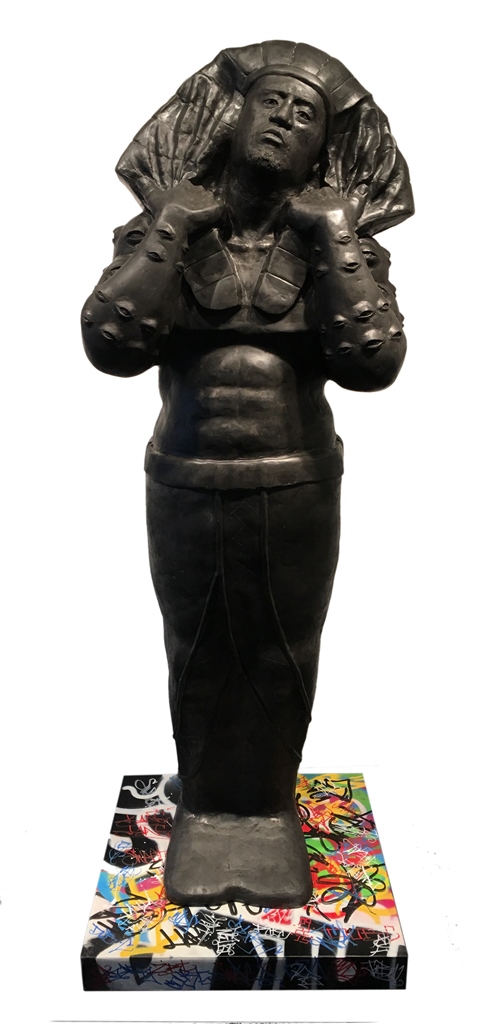
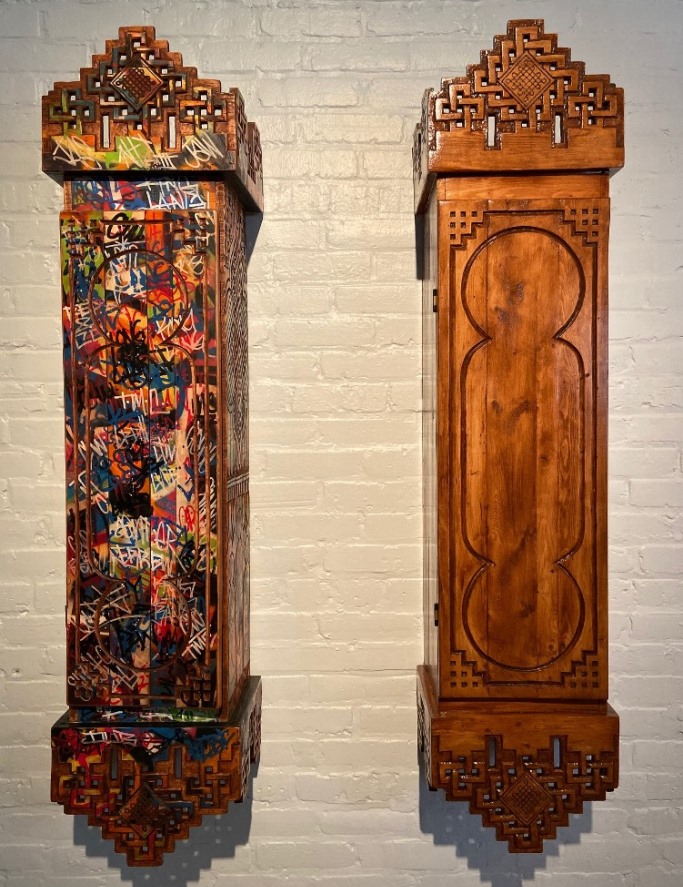
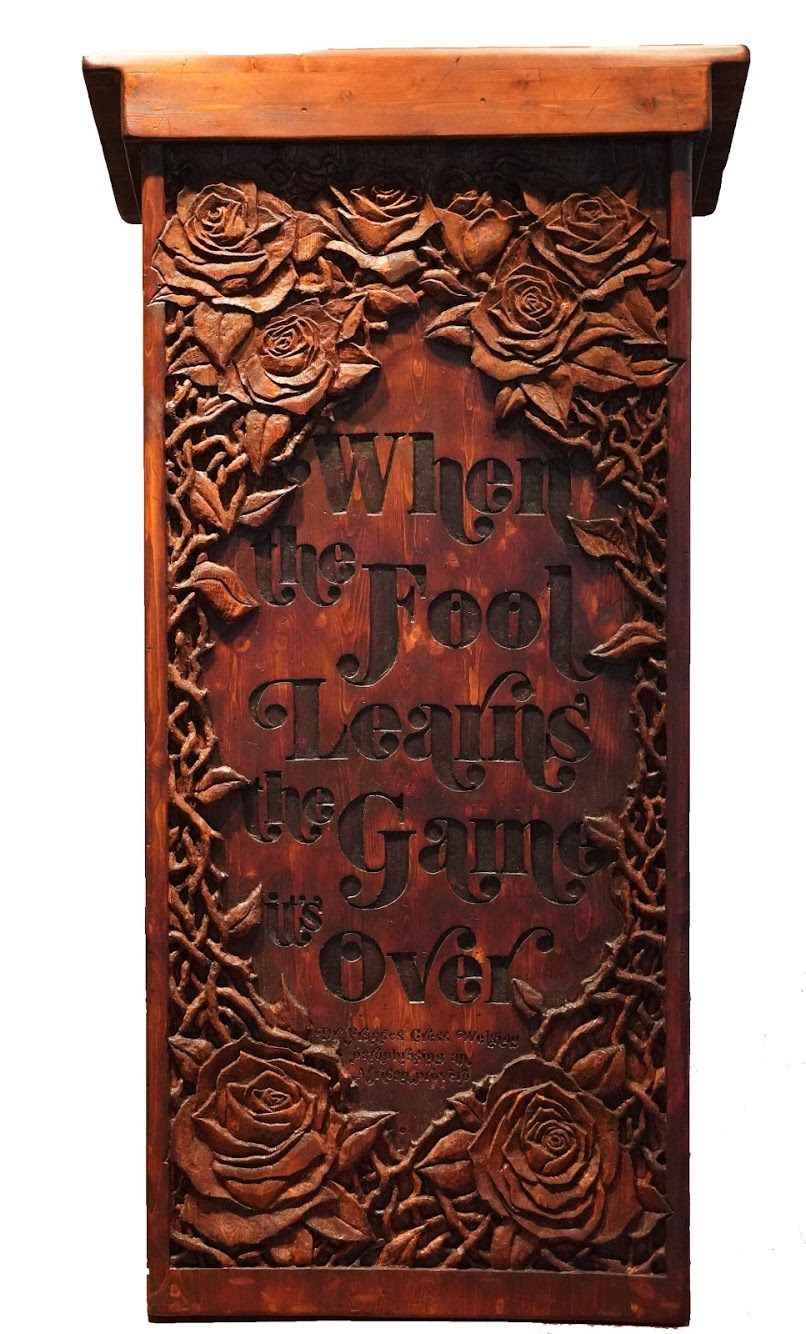
A large portion of my work considers aging, weathering, and/or antiquing objects driven by fictional narratives, which informs my aesthetic choices. Most often this process is about linking present day content to historical issues, or ideas around value. Objects that are salvaged and displayed are deemed to possess a certain value or esteem. I set the stage for that sense of value to be linked to contemporary socio-political or socio-economic issues and conversations. With this body of work, I’ve chosen to incorporate custom automotive high gloss paints — often used on “tricked out” or restored cars — as a contemporary reference to notions of value. These “candy” or “flip flop/color shifting” paints are typical for early/classic model cars souped up with big, fancy rims, chrome details, or engine/body modifications. These cars have been popularized by rap culture in particular and therefore are associated with money, fame, and all that comes with it — just as owning a certain antique furniture piece once were — hence speaks to a younger generation’s value system. Such paints were incorporated into the works, Restoring our Majesty, Wading in the Waters of Babylon, and The Tell-All Earbox: Model no. C3l3stial-4, as one of two visual elements — the other being “tagging”/graffiti writing — to fuse the temporal space between the antique lover and millennial mind.
I’m not concerned with the viewer engaging my personal narratives that drive the work. More often than not, they’re just for me and my process. Reparations & Co. marks the first time my working narrative has held an elemental position (in the form of a logo placed on a few works) and thus a larger more robust storyline has emerged. I work with fictitious narratives as a means of setting a stage for myself mentally — and every stage has its props and boundaries. Therefore I’m constantly questioning, “Does this idea/object fit within the boundaries of my stage and how?” The objects (props) I choose to create are often ubiquitous, even mundane items with slight hybridity-like aspects tossed in for good measure. For the viewer, it’s the objects’ familiarity — loaded with preconceived notions and understandings – that allow entryway. With that familiarity in place, the stage is set for viewers to explore the relationship with the “foreign” social and/or political elements incorporated into the work.
The Profiteers I: Enslavement
Oil paint, latex paint, shellac on plywood
60” x 48”
2019
The Profiteers II: Imprisonment
Oil paint, latex paint, shellac on plywood
79" x 49"
2019
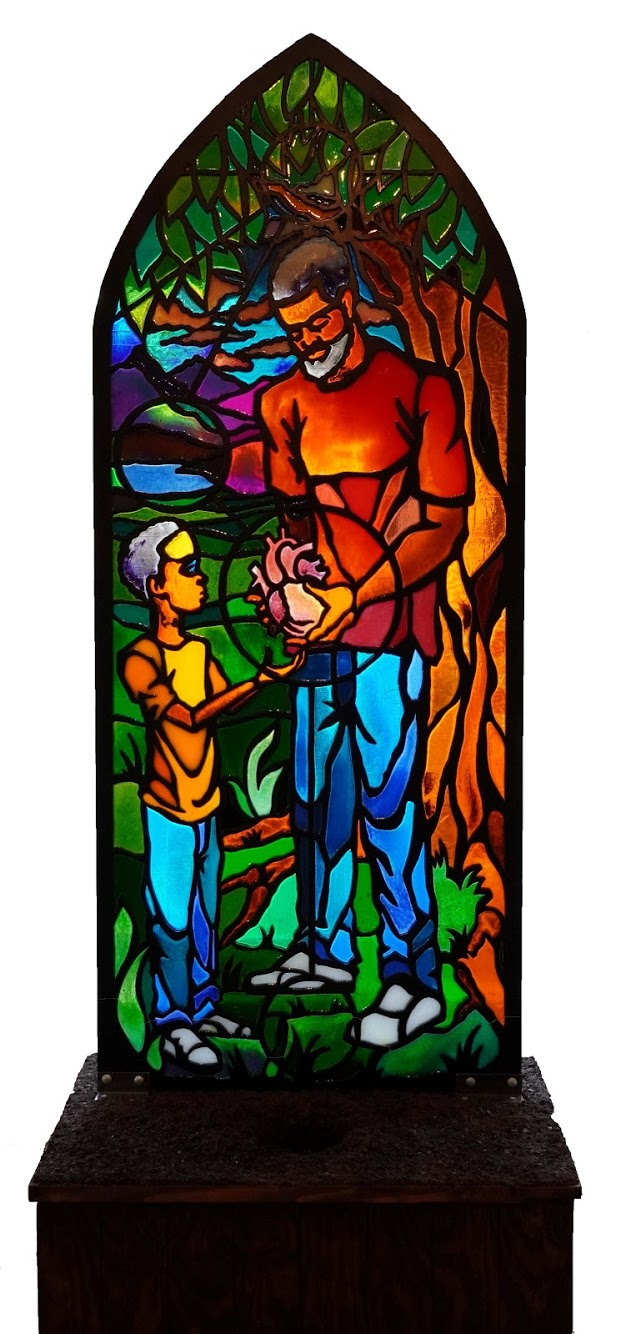
Restoring Our Majesty
Urethane paint, epoxy putty, eps foam
Female: 69-1/2" x 19", Base: 13-1/2" x 28-1/2"
Male: 69-1/2" x 24", Base: 13" x 31"
2019
Prophet's Library: Wading In the Waters of Babylon
Urethane paint, jute, wood
4" x 21" x 11"
2019
The Tell-All Earbox: model no. C0mm0n3r-1
Oil paint, shellac, wood
8" x 11" X 8-1/2"
2019