Art of the Collectors VI
Panel Discussion | artwork
Topic: Discussion concerning issues that govern transferring art collections to family members and donating art to museums and universities.
Panelist’s: Alvah T. Beander, Melanin Art Appraisals, LLC • Berrisford Boothe, Principal Curator, Petrucci Family Foundation Collection of African-American Art • J. Larry Frazier, Attorney for Wills, Estates & Probate Law • Myrtis Bedolla, Founding Director, Galerie Myrtis
Alvah T. Beander
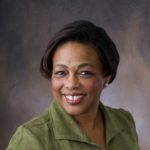 Alvah Beander possesses over 30 years of experience as a personal property appraiser specializing in African, African American, and African Diaspora art. Her company, Melanin Art Appraisals has been incorporated since 2002. She has served as an appraiser and consultant for the PBS series, “The Rise and Fall of Jim Crow: Johnnie Lee Gray paintings”; and was selected to appraise the African art gifts to former President George W. Bush and former Secretary of State Condolezza Rice; and served as consultant to the National Museum of African American History and Culture Plan for Action Presidential Commission.
Beander is a frequent lecturer and has presented at such organizations as the International Monetary Fund (IMF), American Society of Appraisers (ASA), The International Society of Appraisers (ISA), Lockheed Martin Corp., The Congressional Black Caucus, The Embassy of Ghana, and The Phillips Collection.
In 2016, Beander became a member of the international appraisal association, Royal Institute of Chartered Surveyors. She is a member of the prestigious ArtTable, Inc. and a lifetime member of the National Black M.B.A. Beander earned her M.B.A. from Marymount University and is an adjunct professor of business management, entrepreneurship and ethics.
Berrisford Boothe
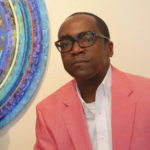 Berrisford Boothe is the former Acting Department Chair of Art, Architecture, and Design at Lehigh University where he teaches beginning and advanced studio practice in drawing, painting and design. Boothe, born in Kingston, Jamaica is a multiple-media artist who has been a visible and well-established presence in the Eastern U.S. art scene for over 20 years. He has carefully crafted a career as painter, digital artist, printmaker, photographer, installation artist, lecturer, and curator.
Boothe has served on the Pennsylvania Council of the Arts and his work is part of collections public and private nationwide and in South America. Berrisford’s career has been presented in Halima Taha’s Collecting African American
Art. He was one of 100 artists nationwide featured in Robert Wuthnow’s book Creative Spirituality: The Way of the Artist. He was in the 2008 seminal exhibition: In Search of the Missing Masters: The Lewis Tanner Moore Collection of African American Art at The Woodmere Art Museum in Philadelphia, PA. His work has been featured in exhibitions at The Allentown Art Museum, The Fabric Workshop and Museum, Philadelphia, PA, The African American Museum, Philadelphia, PA and The William Benton Museum of Art. Professor Boothe has initiated and taught courses on African-American art and aesthetics from pre-colonial Africa to Contemporary America as part of Lehigh’s Africana Studies program.
In 2004–2005 while on sabbatical in Cambridge, England, he was a member of St. Barnabas Print studios. There, he produced new work with director James Hill and exhibited as a painter, photographer, and printmaker. In Cambridge, he also collaborated with master printmaker Kip Gresham at Gresham’s renowned Print Studio. The editioned prints completed there became part of collections at The Fitzwilliam Museum and The Kasser Foundation of Montclair, N.J. In addition, he was artist-in-residence at The London Print Studio where he continues a collaborative project with director John Philips.
J. Larry Frazier
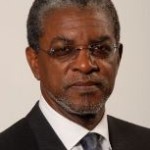 Larry Frazier possesses over 22 years of experience as an attorney specializing in estate planning, trust and will contest litigation, probate and art collection planning. He started his practice in 1995 after working for the federal government and a small firm. He taught Trusts, Estates and Administration for five years at the USDA Graduate School and has been featured in Black Enterprise Magazines on succession planning for small businesses.
Frazier has presented on estate planning in numerous forms and been a regular panelist for the Estates, Trusts, and Probate Section of the DC Bar where he has been recognized as “Lawyer of The Year.”
Frazier is a member of the District of Columbia and North Carolina Bars. He is also a member of the National Bar Association, Washington Bar Association, and the District of Columbia Estate Planning Council. He is a graduate of Columbia College and Georgetown University Law Center. He is the co-trustee of the Lois Mailou Jones Pierre-Noel Trust, and the chair of the advisory board of the Smithsonian Anacostia Community Museum.
Myrtis Bedolla
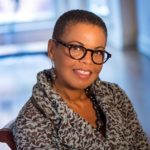 Myrtis Bedolla is founding director of Galerie Myrtis, a contemporary fine art gallery and art advisory located in Baltimore, Maryland. She possesses over 30 years of experience as an advisor to individual collectors, and public and private institutions in the acquisition and sale of fine art; and provides professional curatorial services, lectures and educational programming to corporate, civic and arts organizations.
Galerie Myrtis was voted, Best Gallery by the Baltimore Sun in 2017. Bedolla has been featured in BMORE Art magazine, Issue 3, Living with Art: Myrtis Bedolla Builds a Home and Gallery in Old Goucher and in the Baltimore Style Magazine,
October 2013 issue Women in the Arts which honored women at the helm of the Baltimore art scene.
Bedolla is the recipient of the Foreign Language and Area Studies (FLAS) Fellowship, African Language Institute, Shona Language and Culture, from Michigan State University; holds a Bachelor of Science degree in Business Administration from the University of Maryland, University College, and received her curatorial training at the Maryland Institute College of Art in Baltimore, Maryland, and earned an on-line certificate in Cultural Theory for Curators from the Node Center for Curatorial Studies, Berlin, Germany.
Appointed board memberships include: the Association of African American Museums, Washington, D.C.; Art Advisory Board, University of Maryland University College, College Park Maryland; Board of Directors for the Smith Center for Healing and the Arts, Washington, D.C. Bedolla is a member of ArtTable: a national organization for professional women in the visual arts.
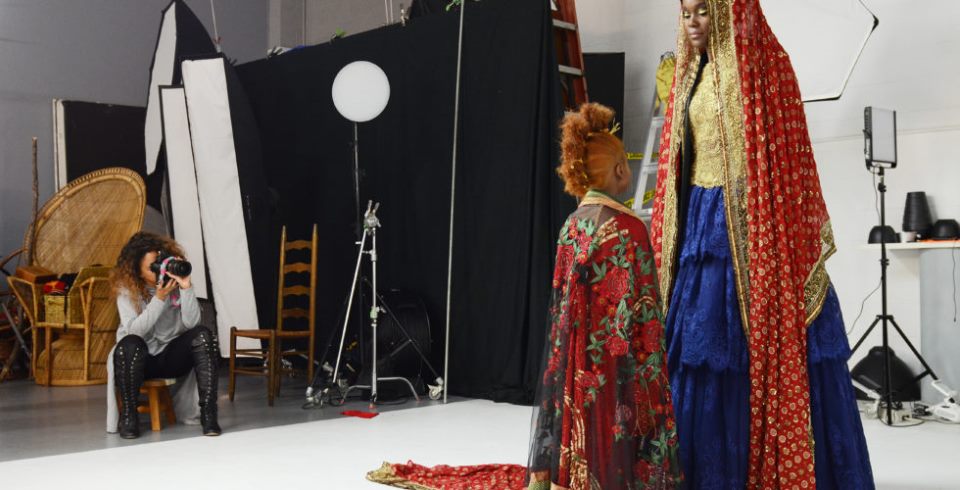
Photograph courtesy Stephen Spartana
photography.spartana.com
 Artist


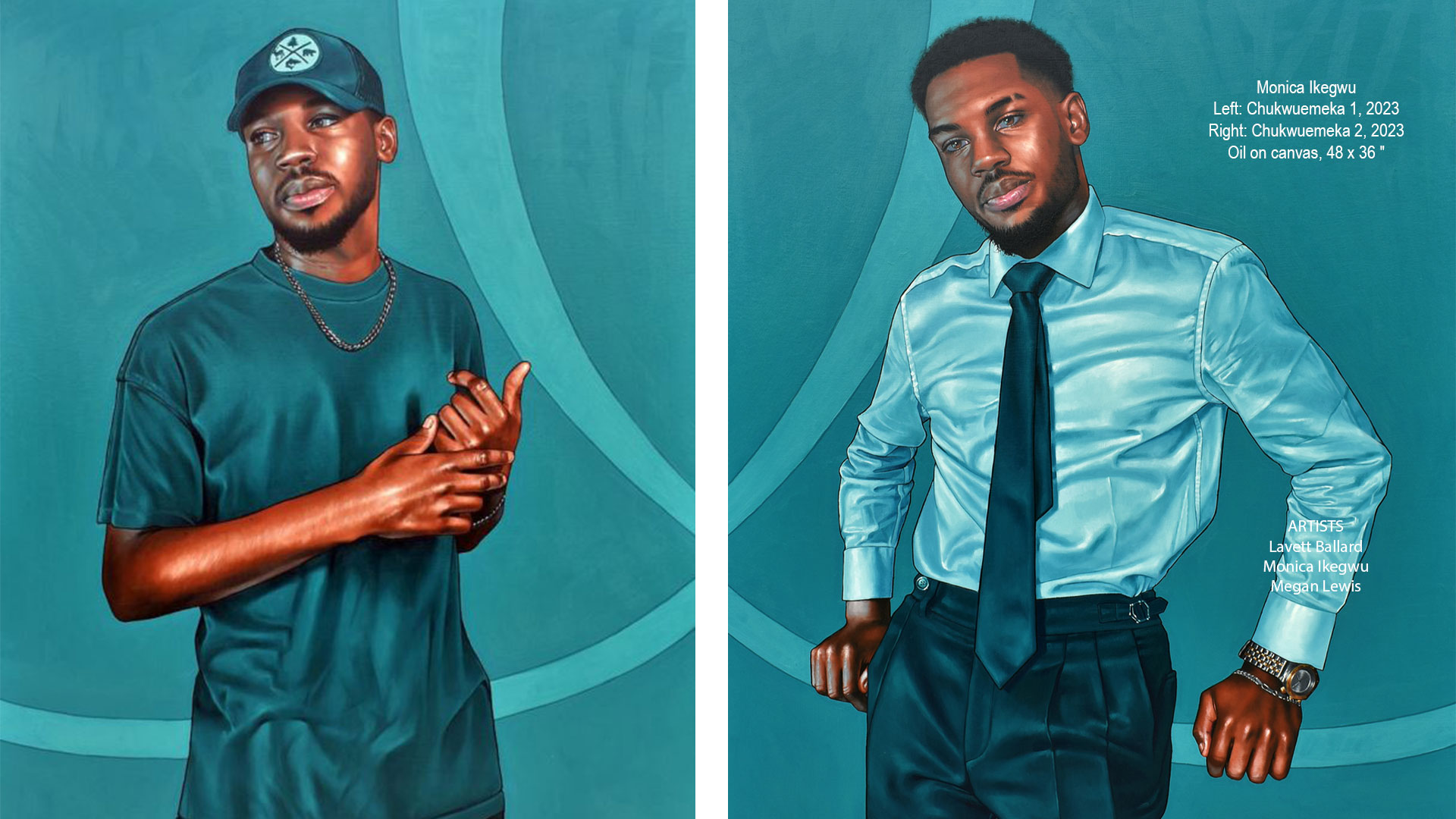
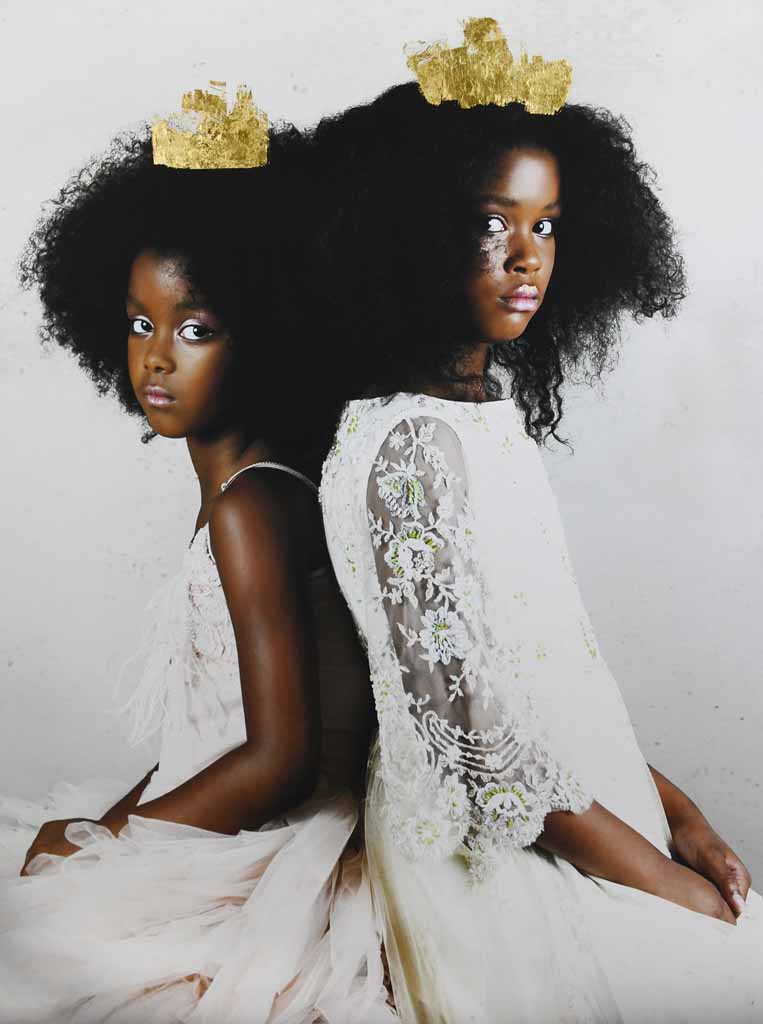
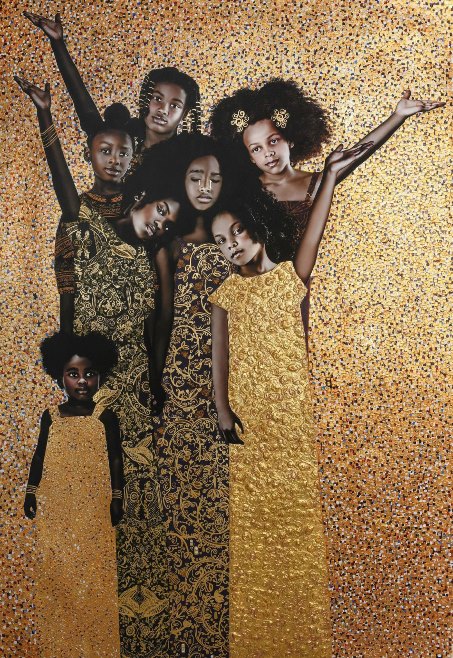 For those who encounter my work, I want them to stop, I want them to pay attention, I want them to not be able to look away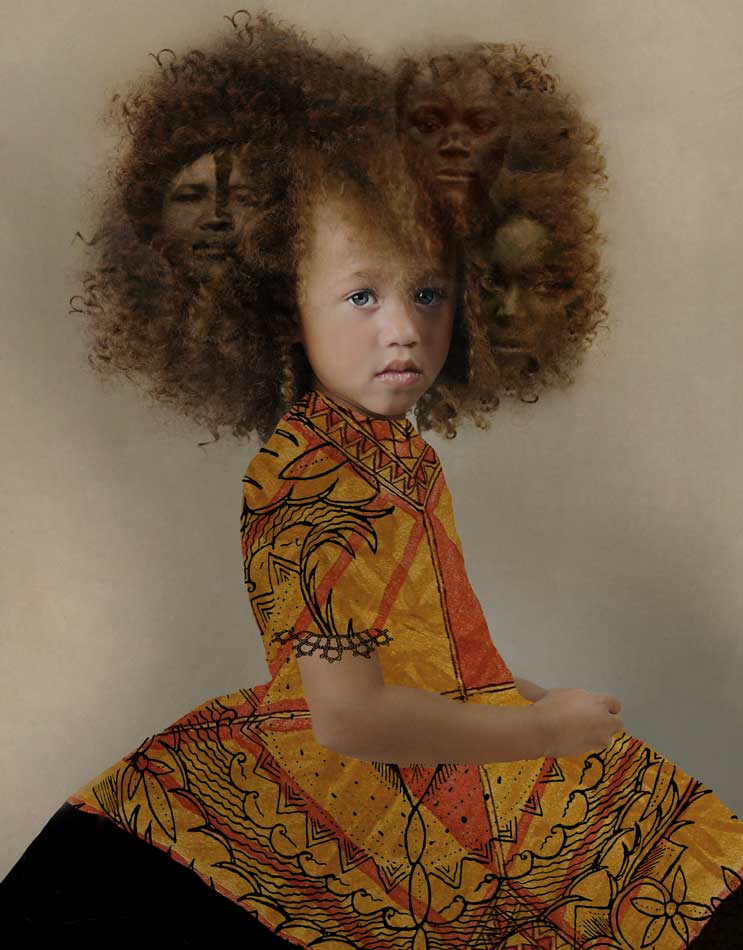
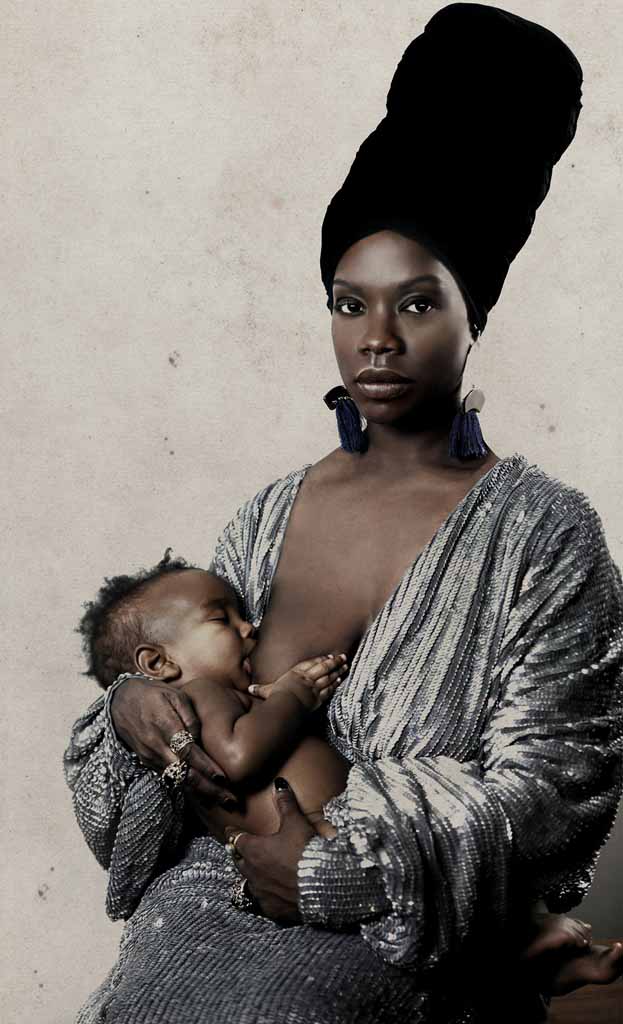
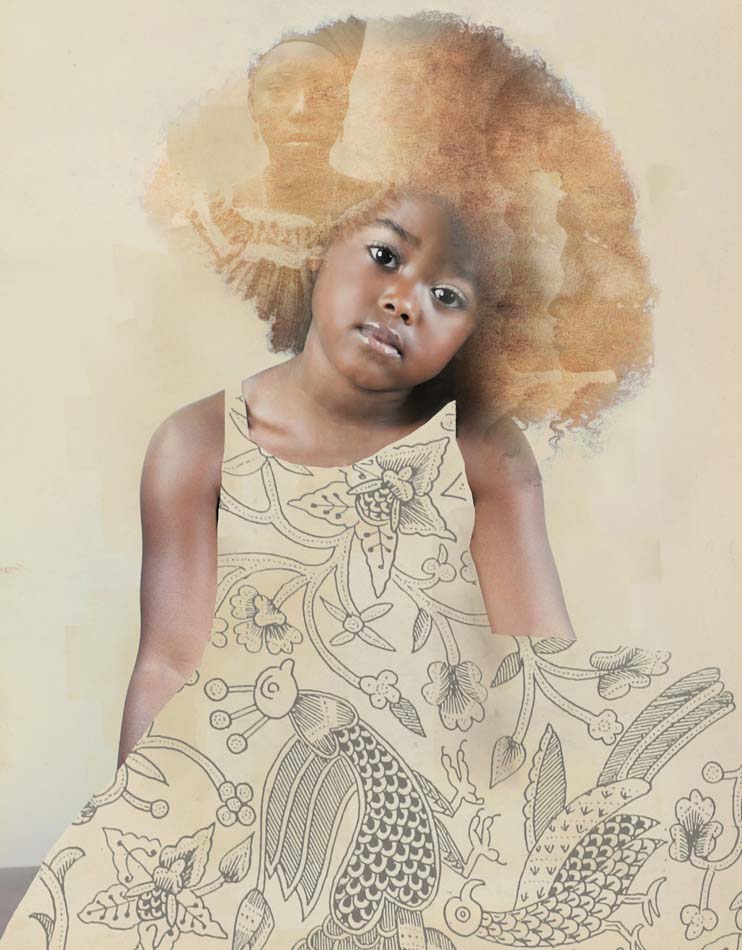
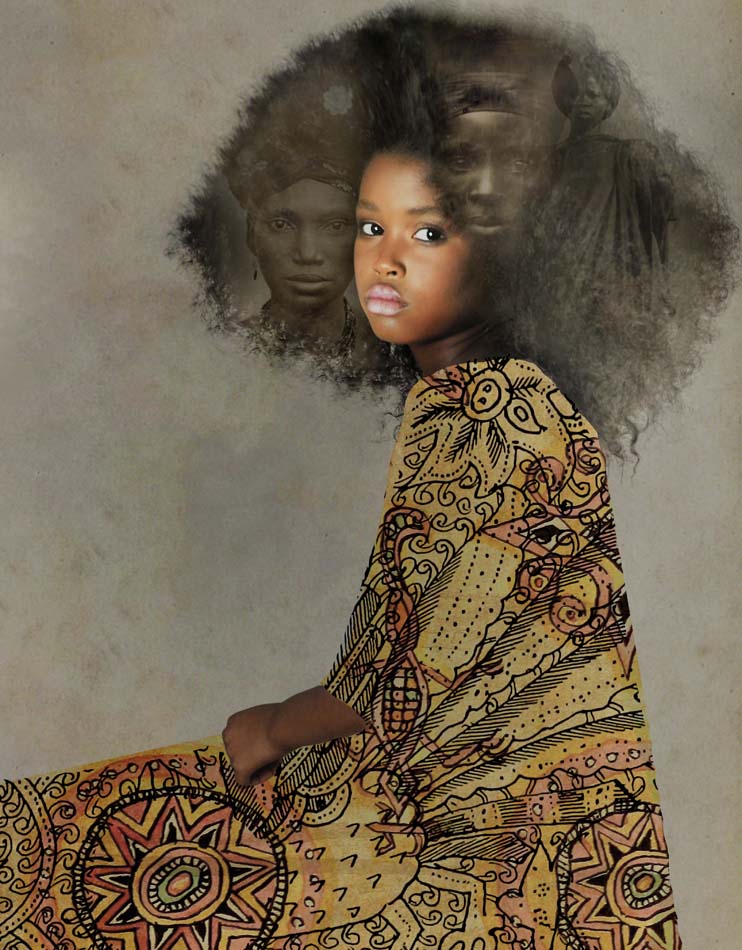
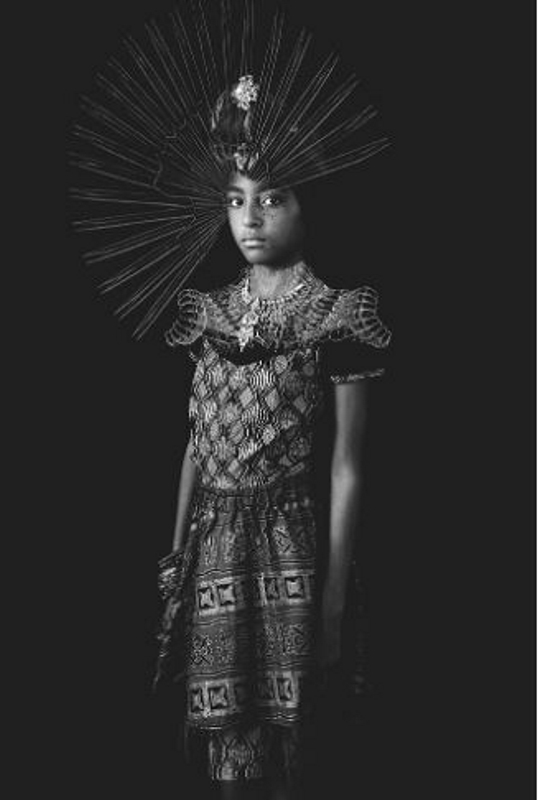
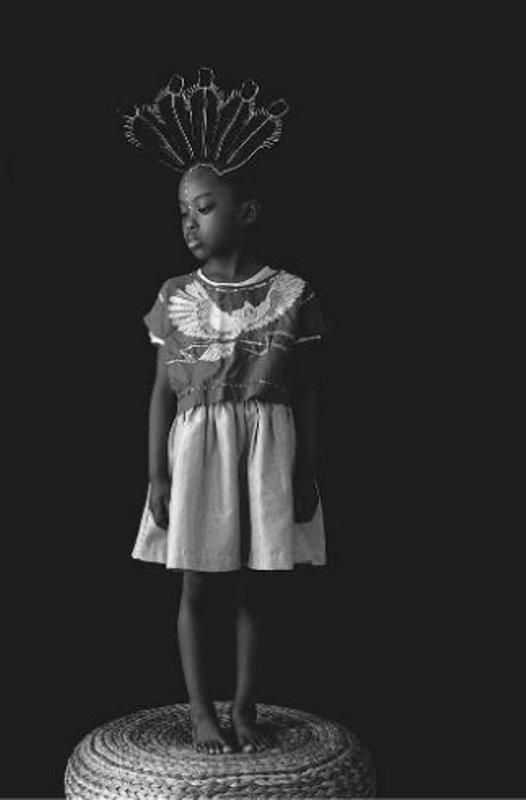
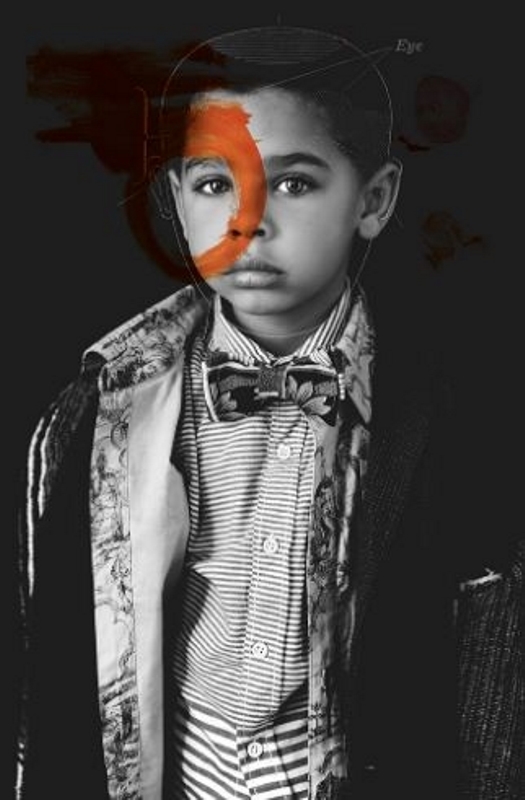
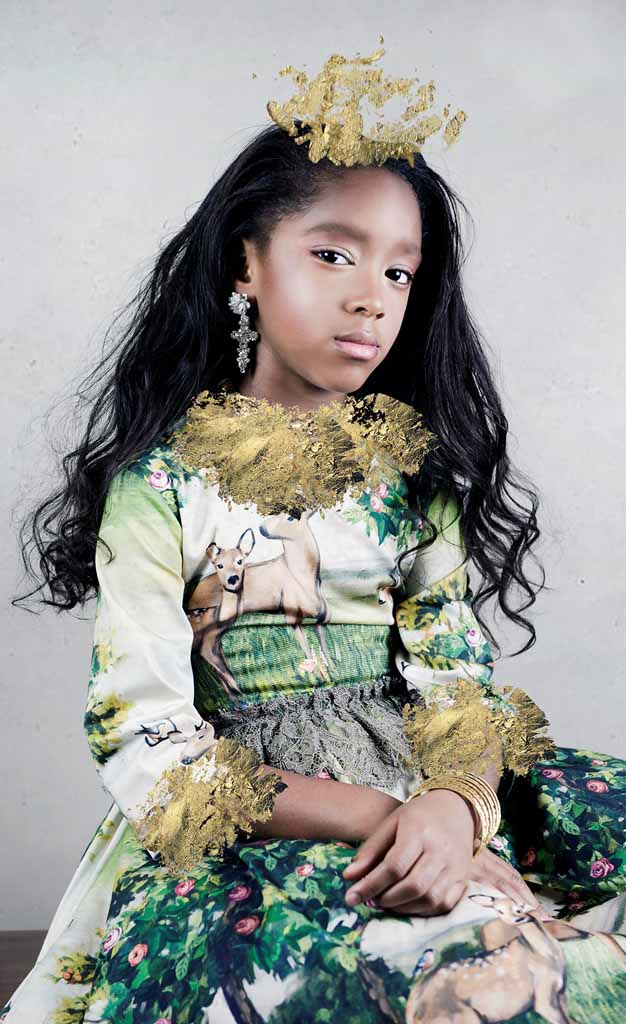
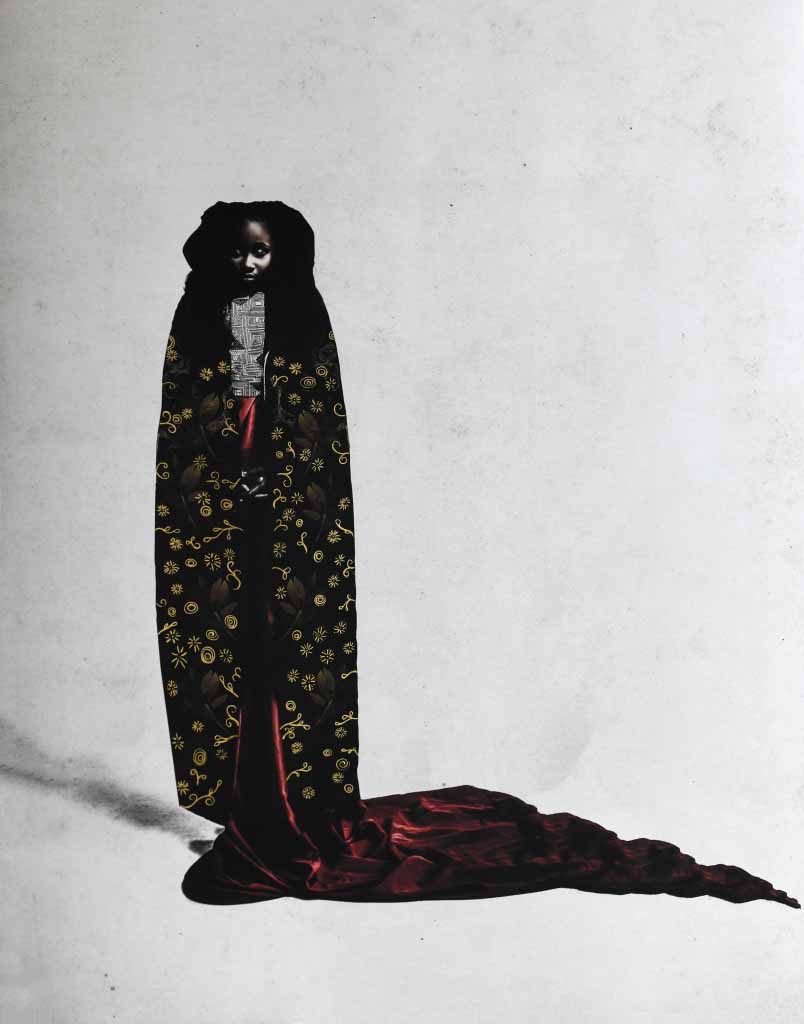
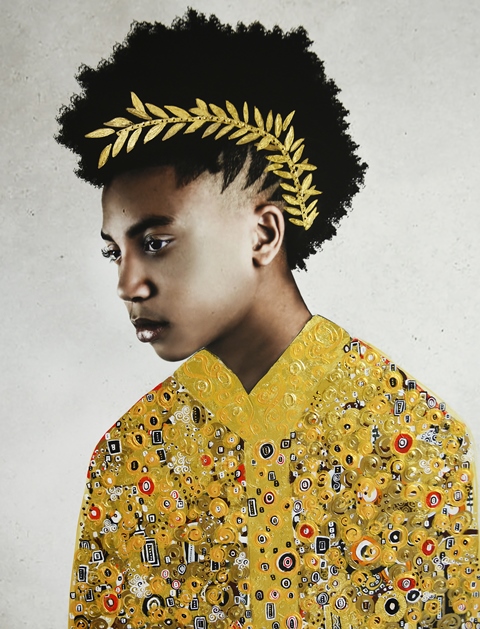
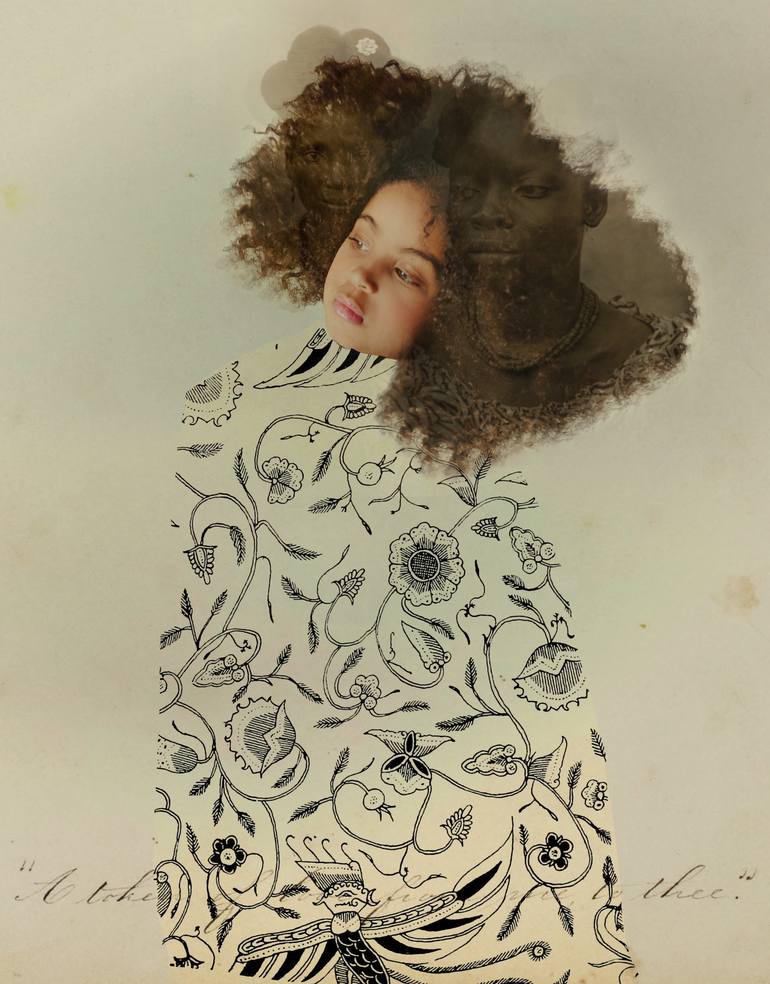
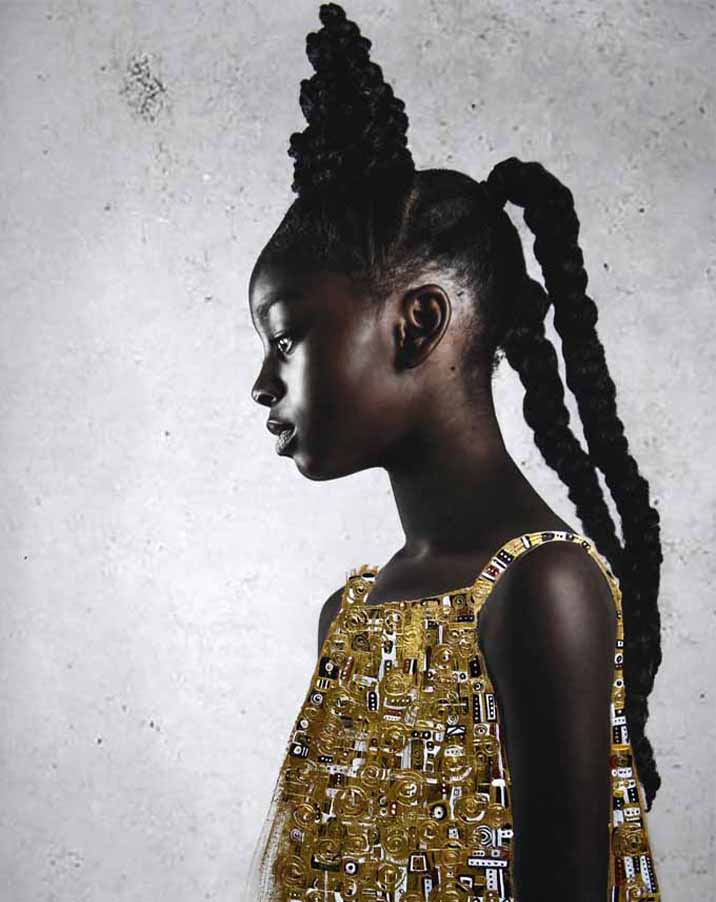 It is my belief that our memories and experiences are directly responsible for who we become. What we are exposed to, what we read, the toys we play with as children, what we view… I attribute this thought to my desire to make sure I’m sending a clear message (with my work) and that the message I am sending is “saying something” important; because if I believe we are shaped by our memories, as an artist, I must also believe that I too play a small part in shaping and shifting the views of anyone who comes in contact with my work. I did not always think this way but once realized, the thought never left me.