Catalogue

AfriCOBRA Catalogue

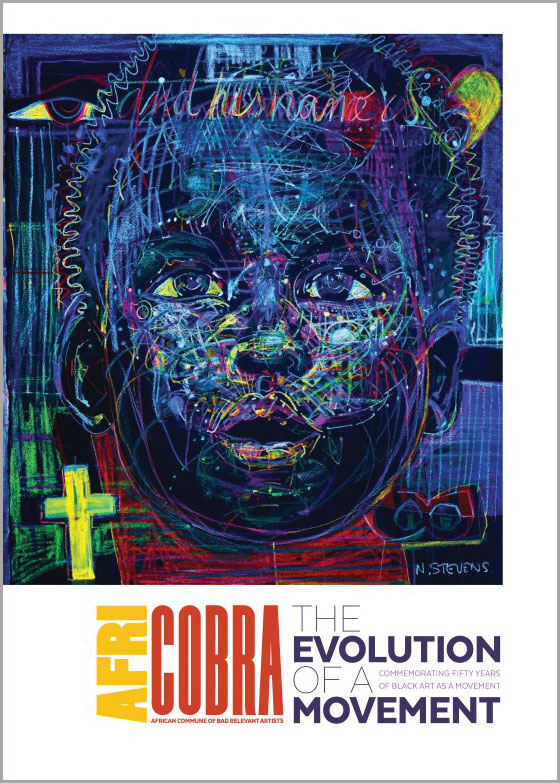
AfriCOBRA: The Evolution of a Movement


Price: $29.99 USD +S&H – Limited-edition

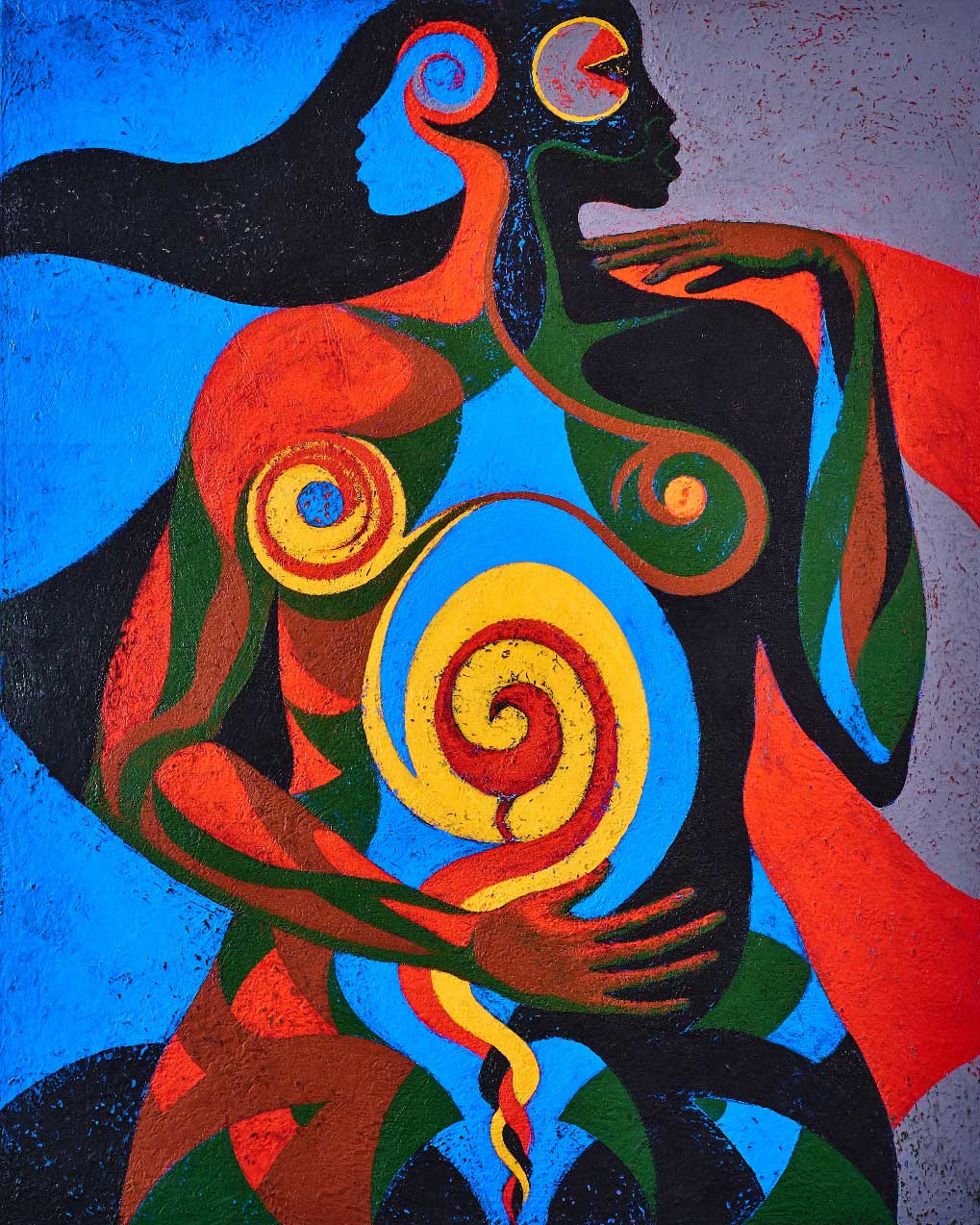
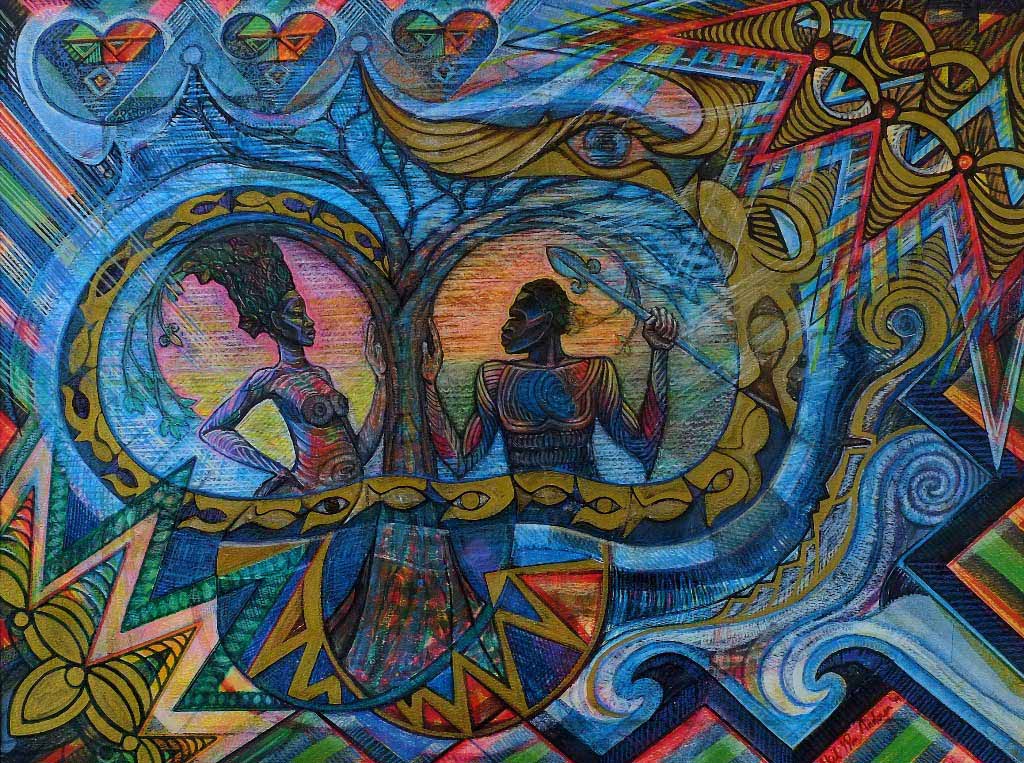
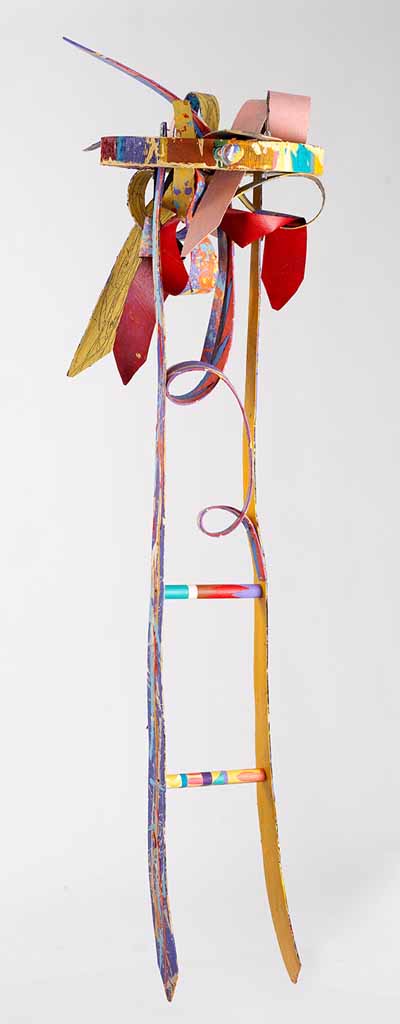
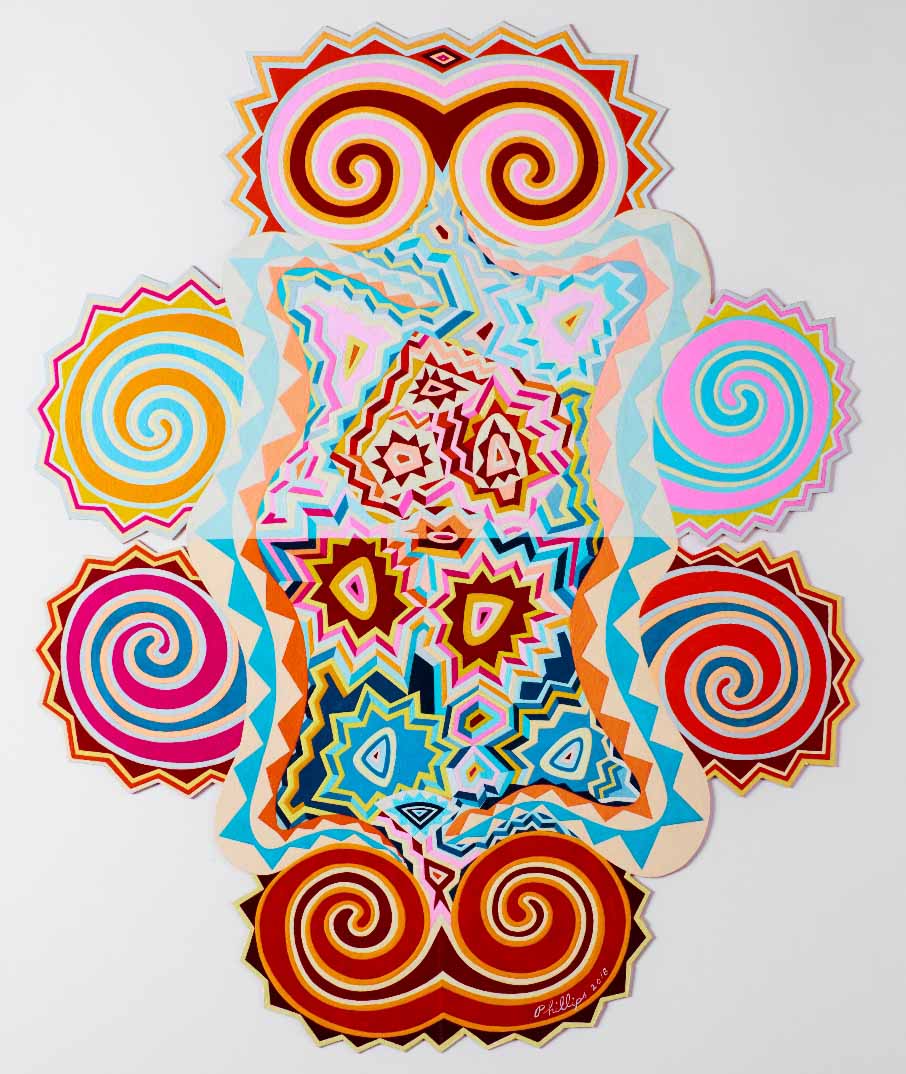
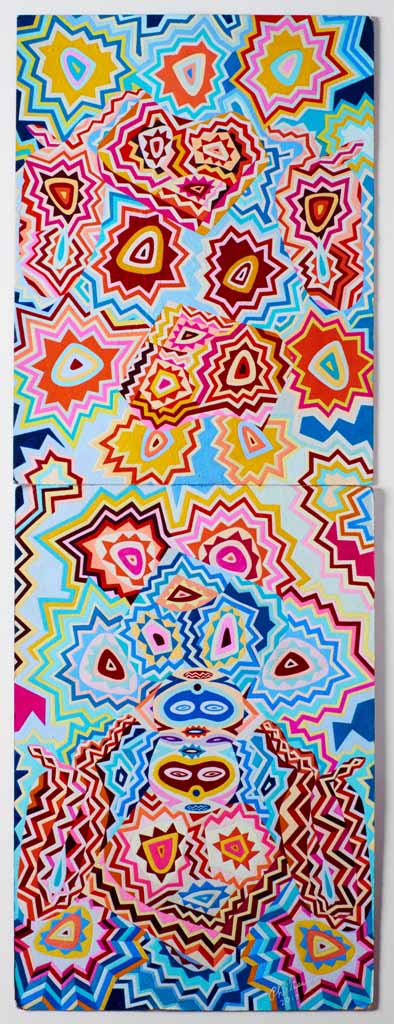
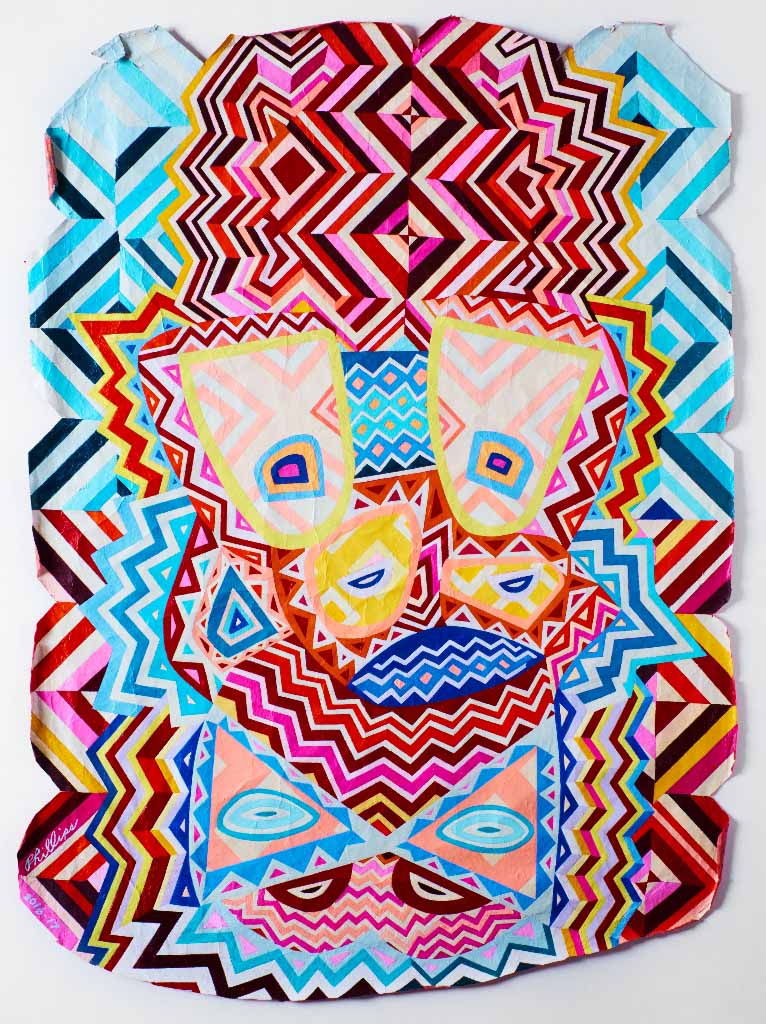
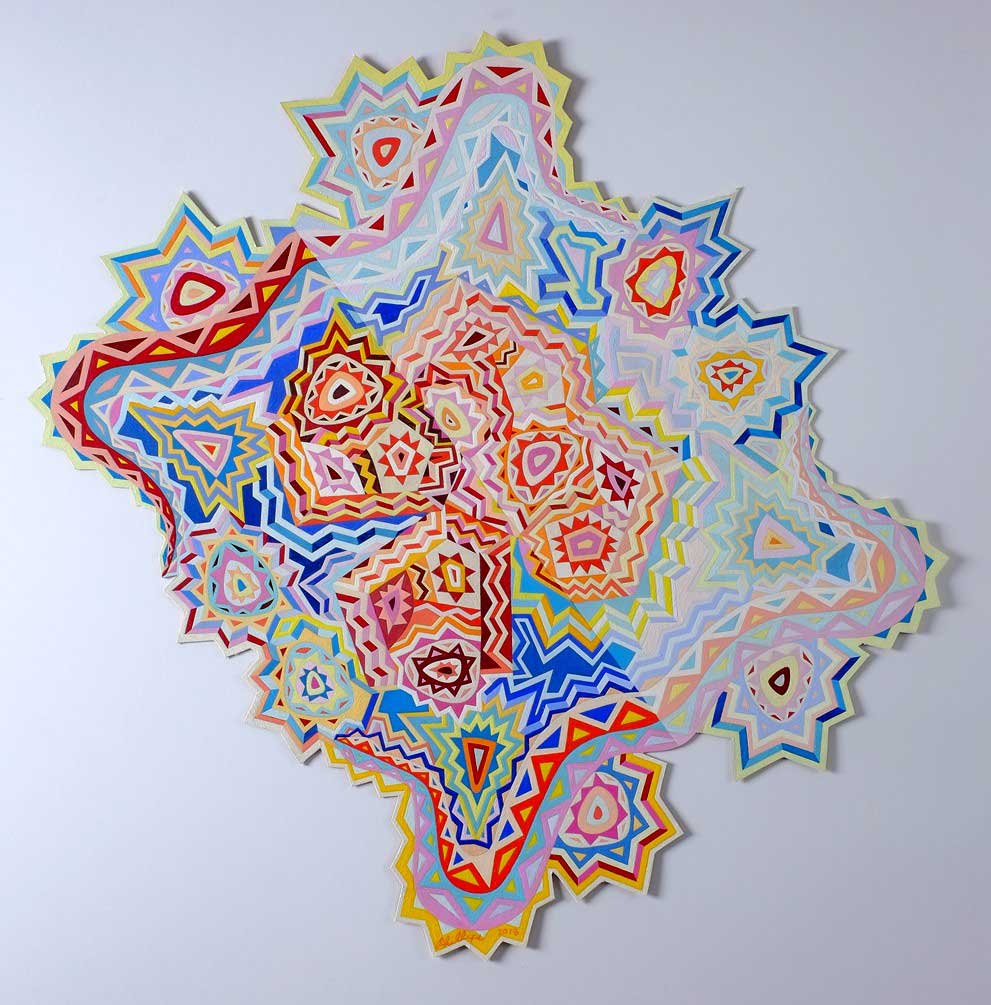
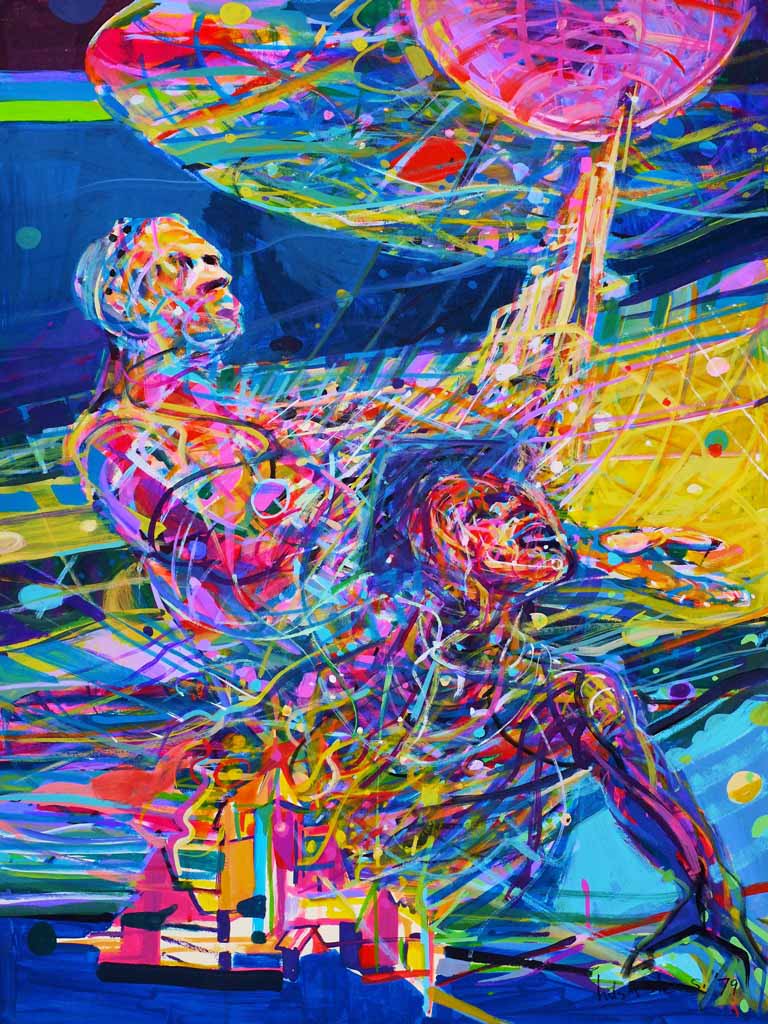
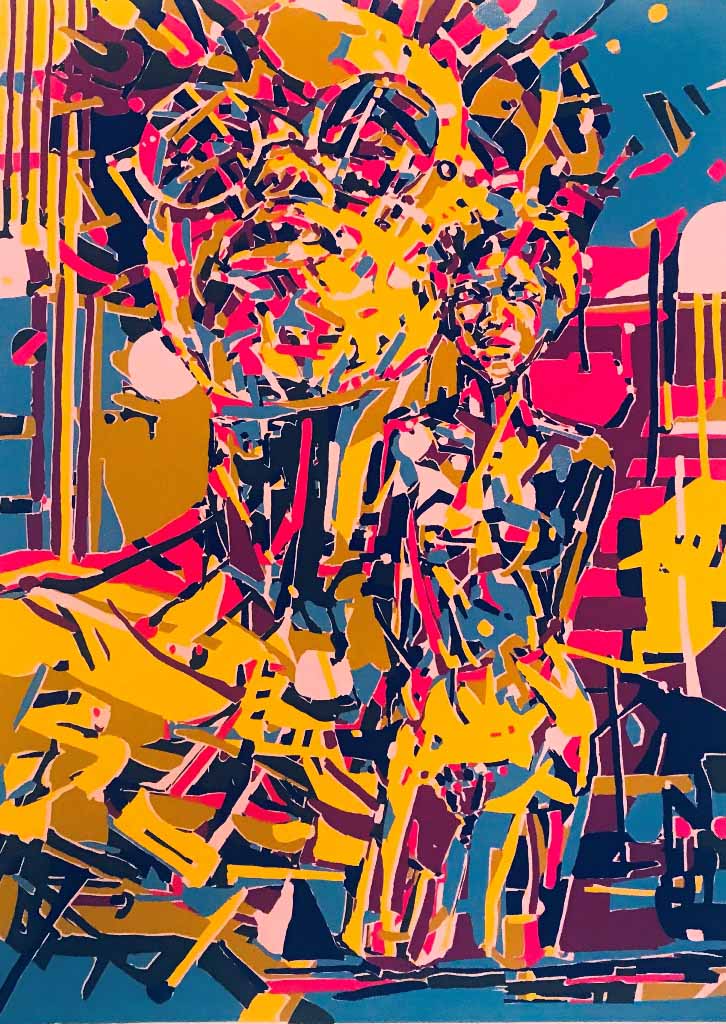
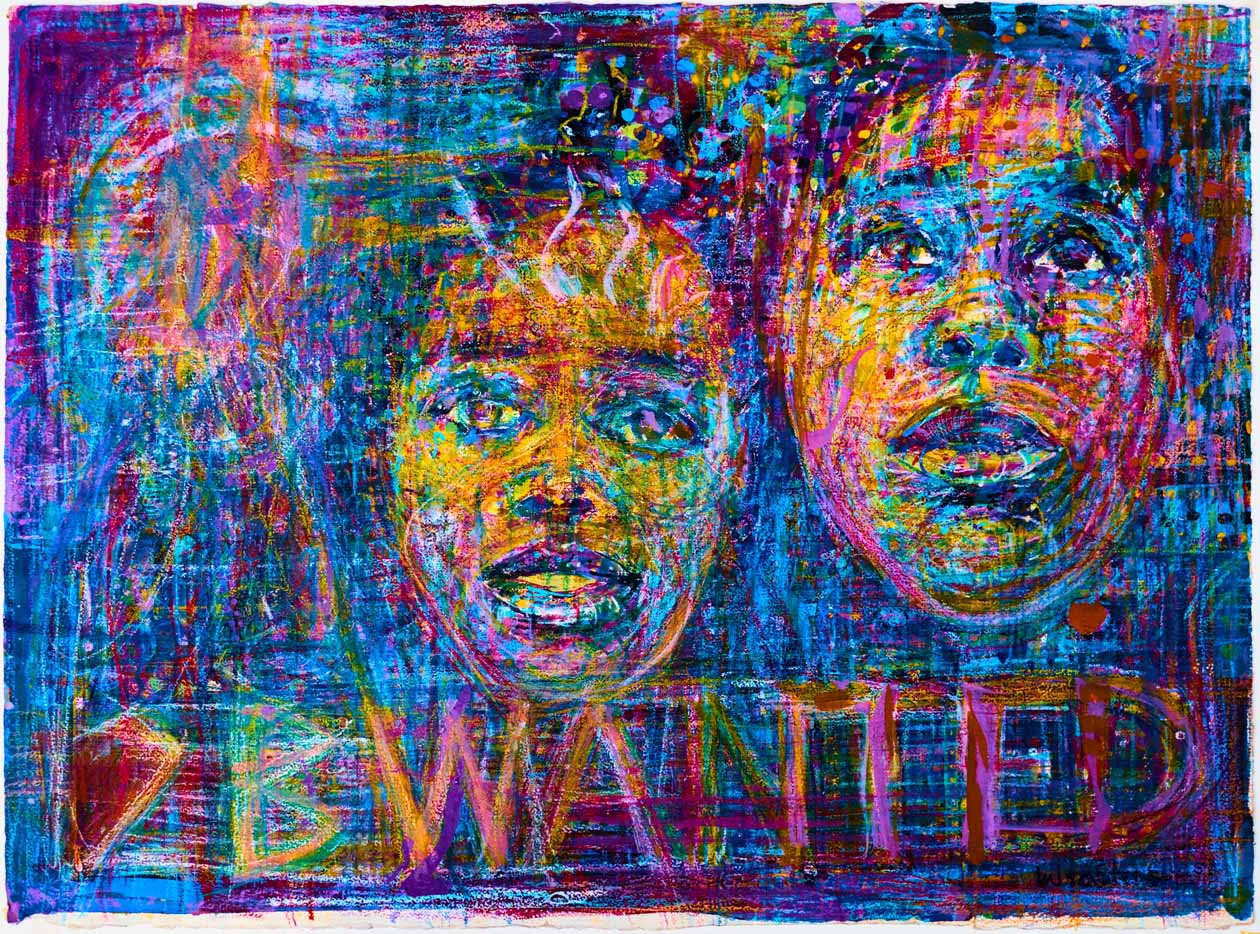
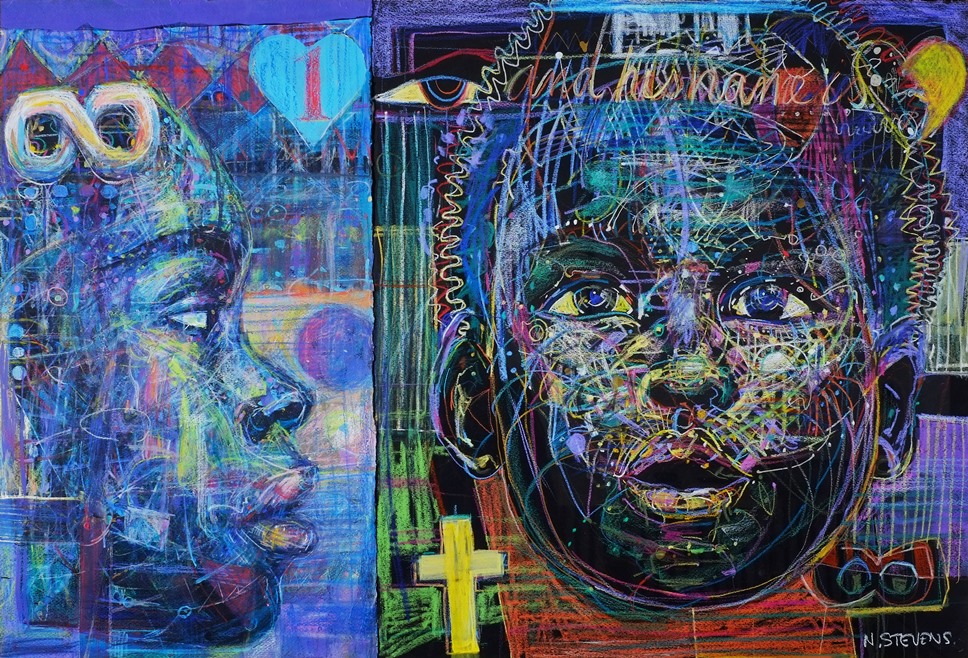
Galerie Myrtis offers for sale the exhibition catalogue AfriCOBRA: The Evolution of a Movement, commemorating the 50th anniversary of AfriCOBRA (African Commune of Bad Relevant Artists) the coalition of black revolutionary artists whose aesthetic emerged from activism and a commitment to rail against racism through positive, powerful and uplifting imagery.

artwork | artists | about AFRICOBRA

Featured Artists (year of membership)
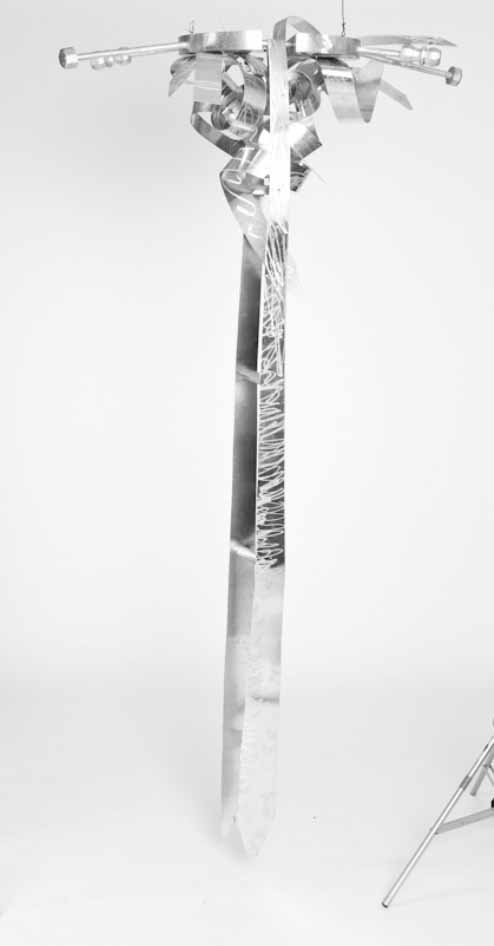
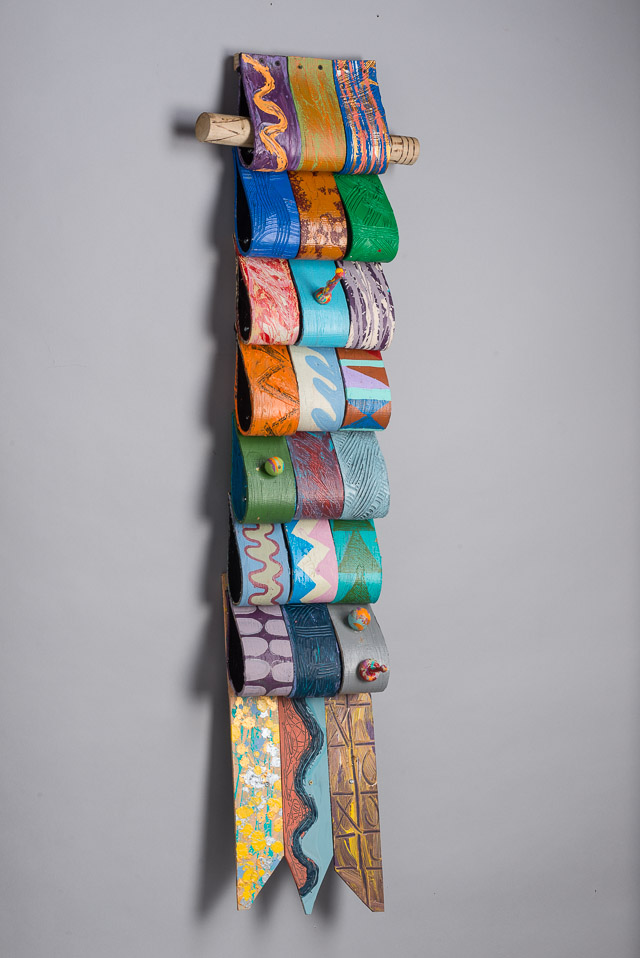
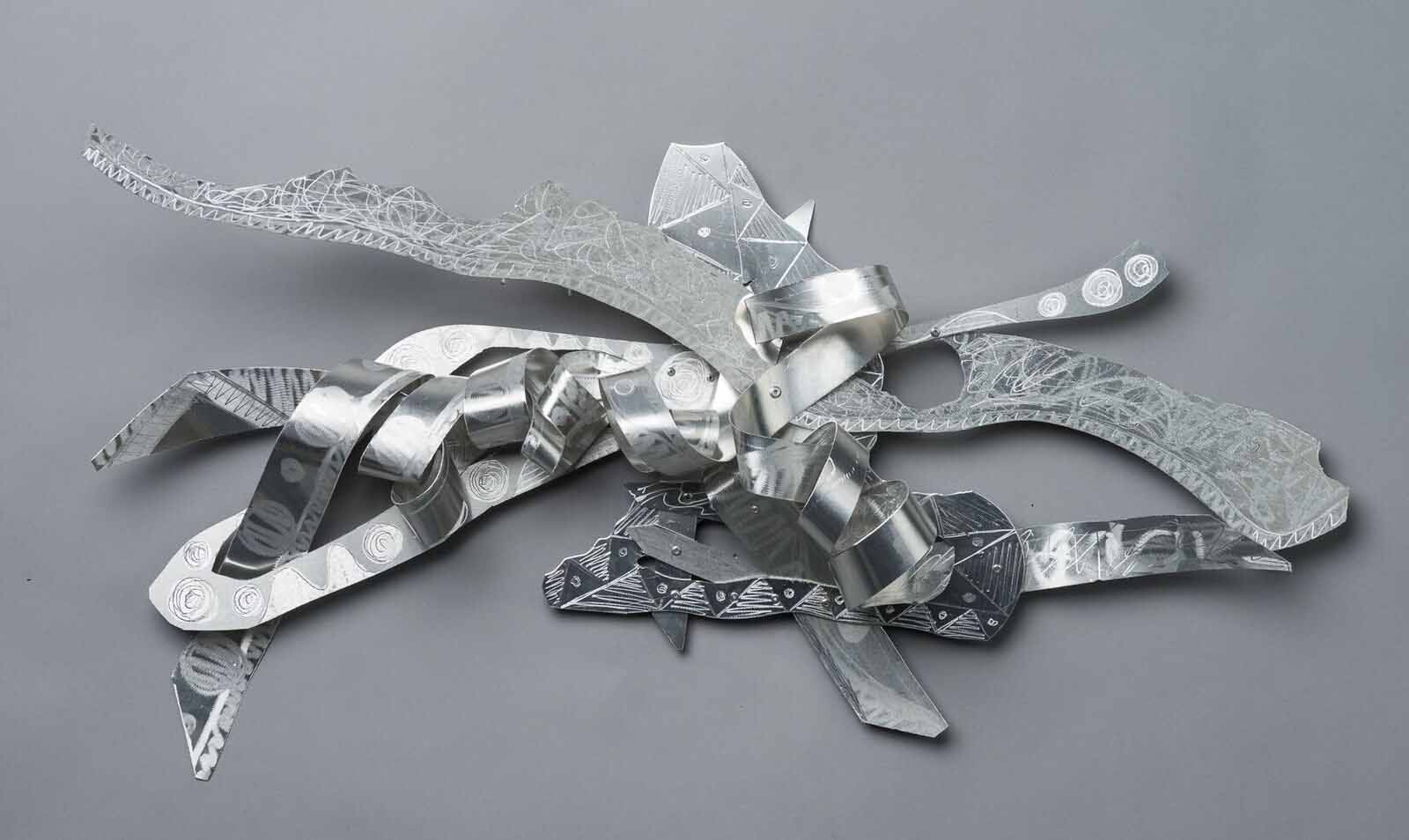
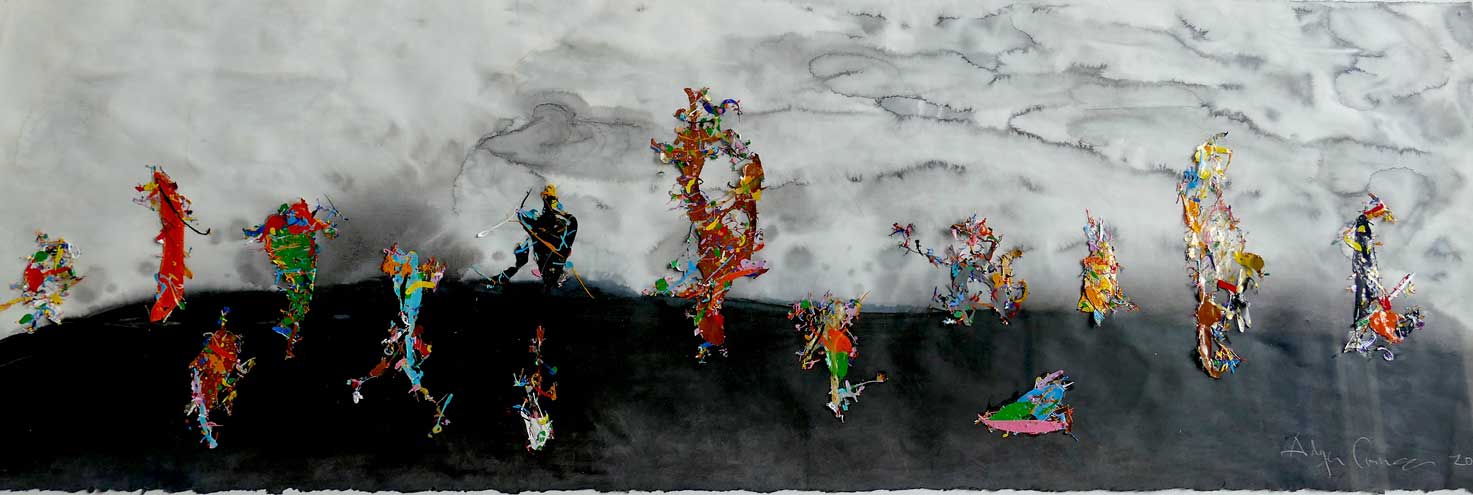
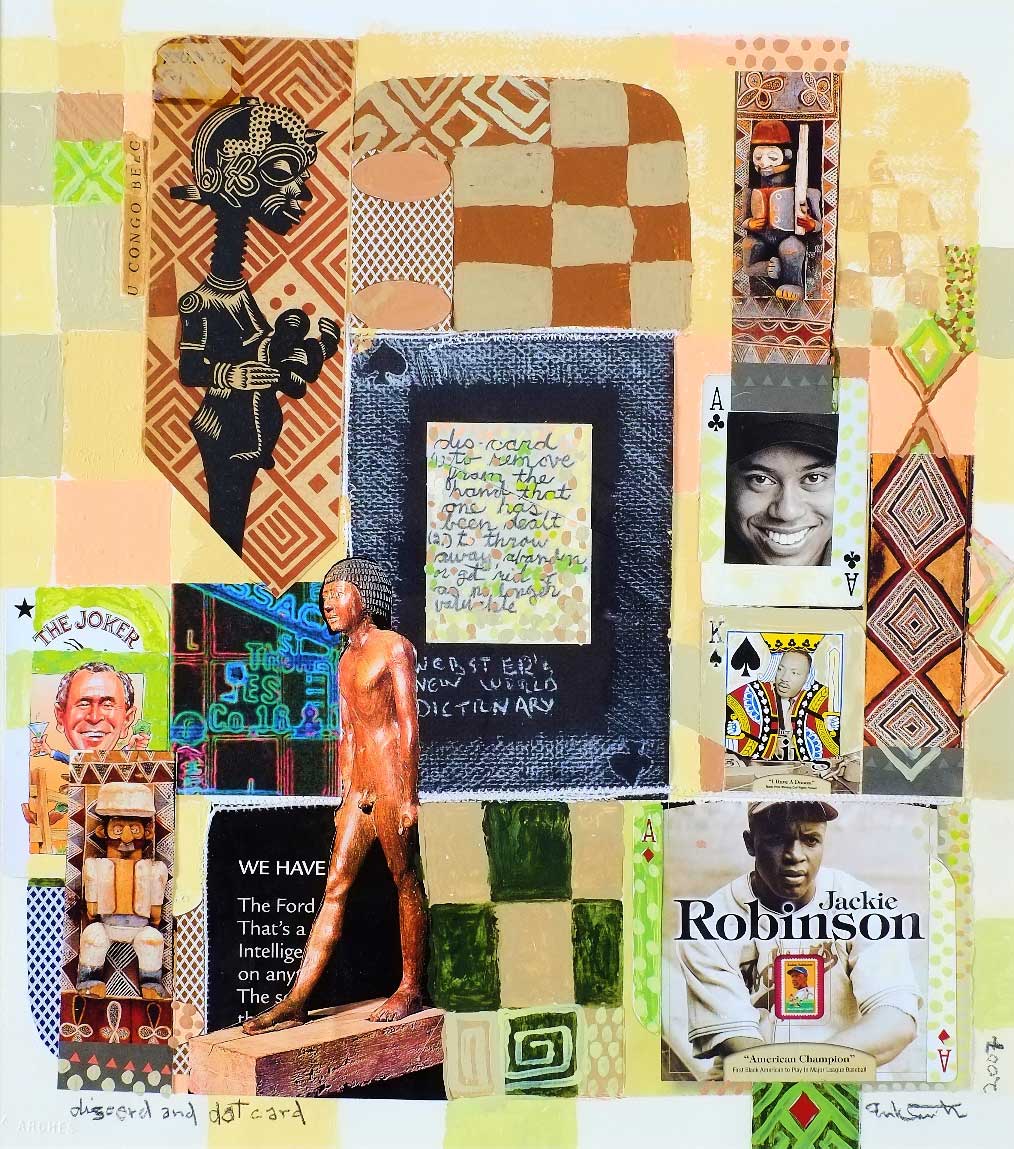
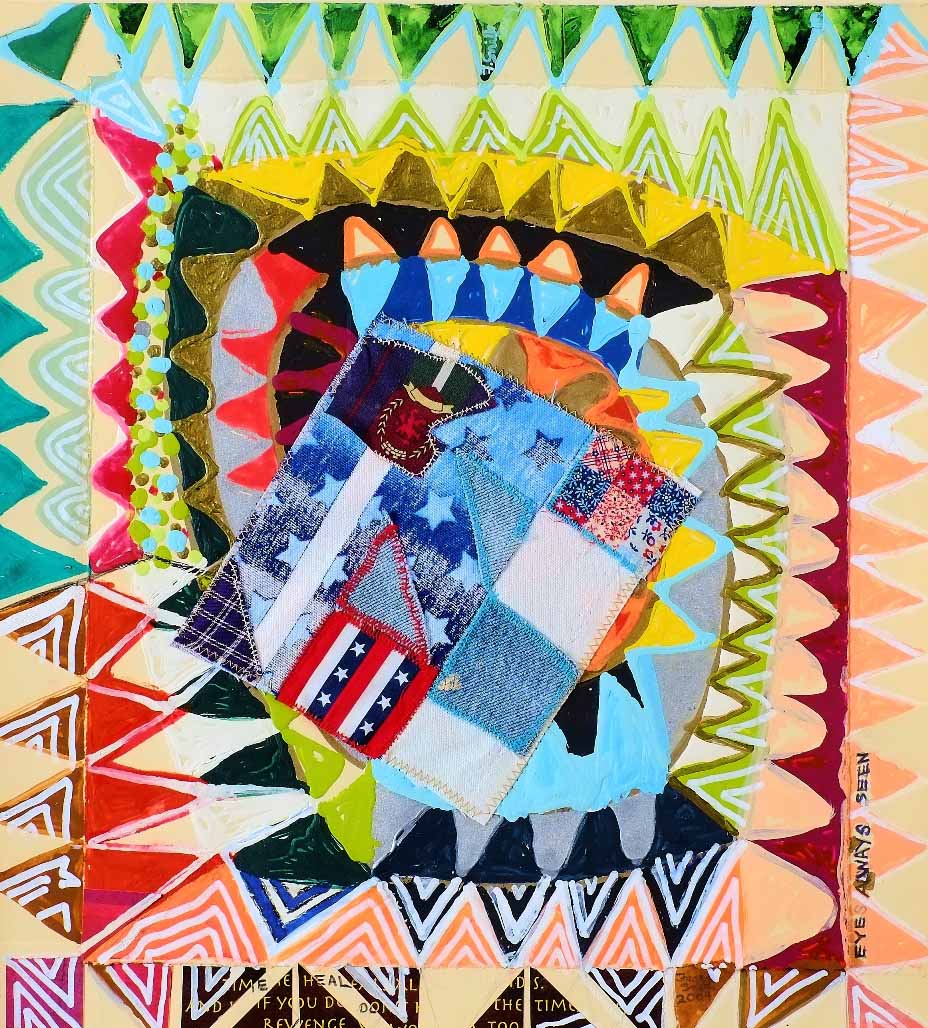
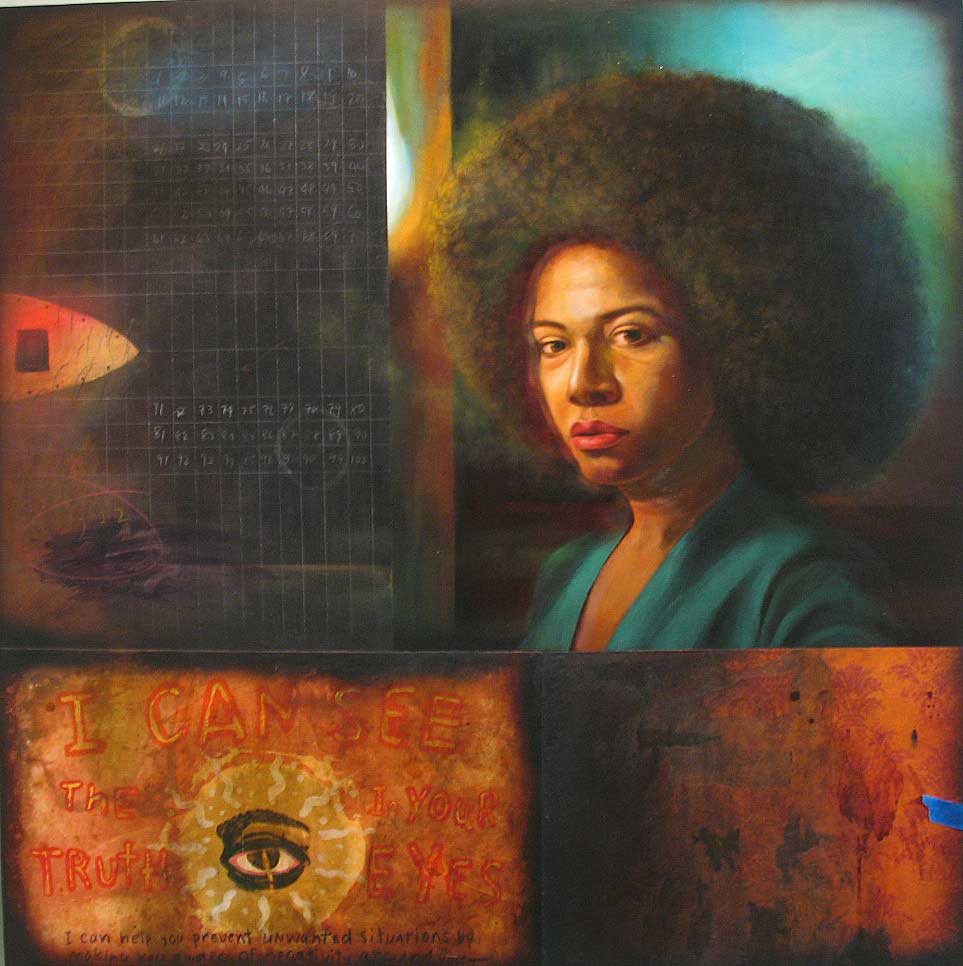
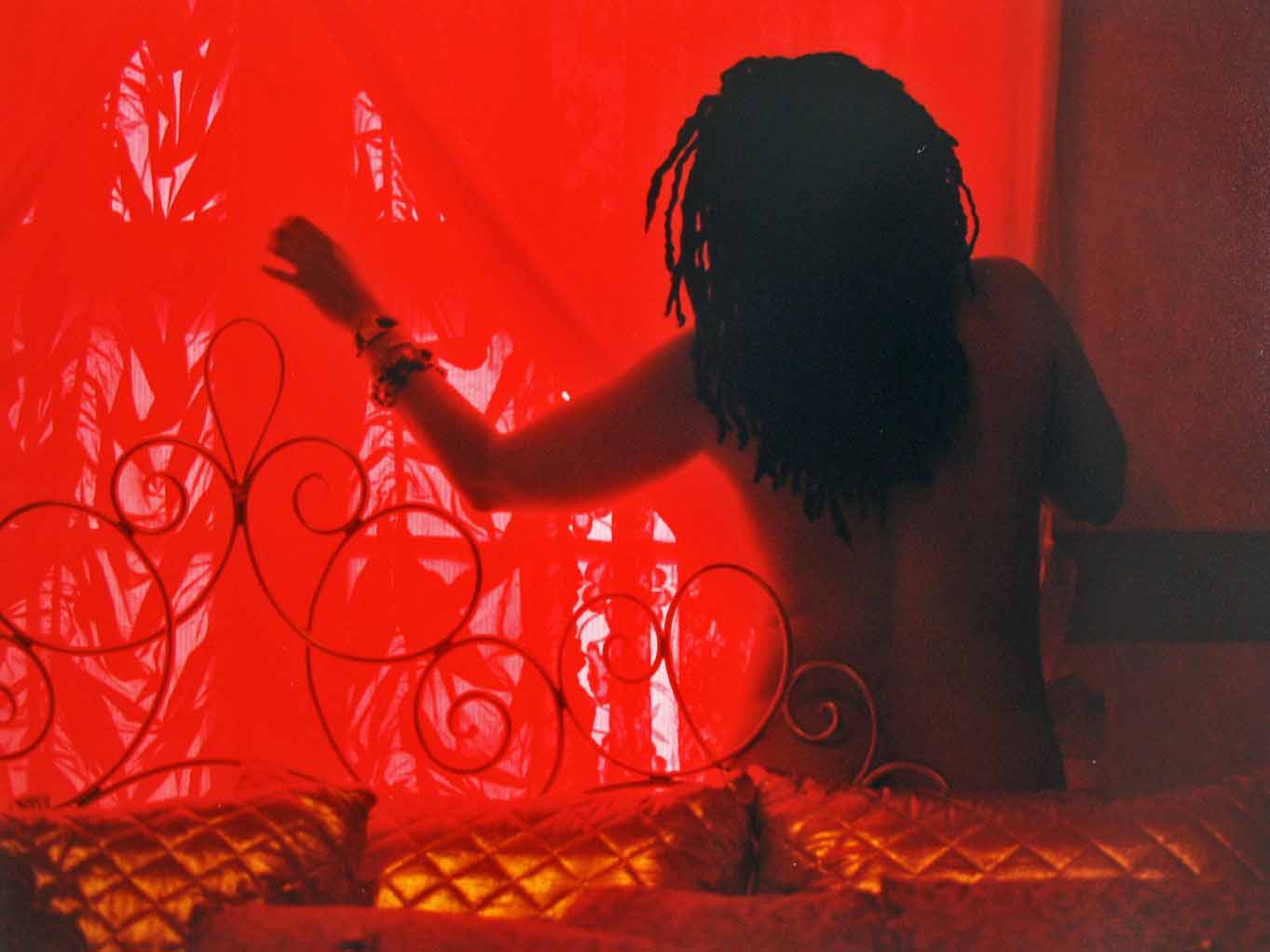
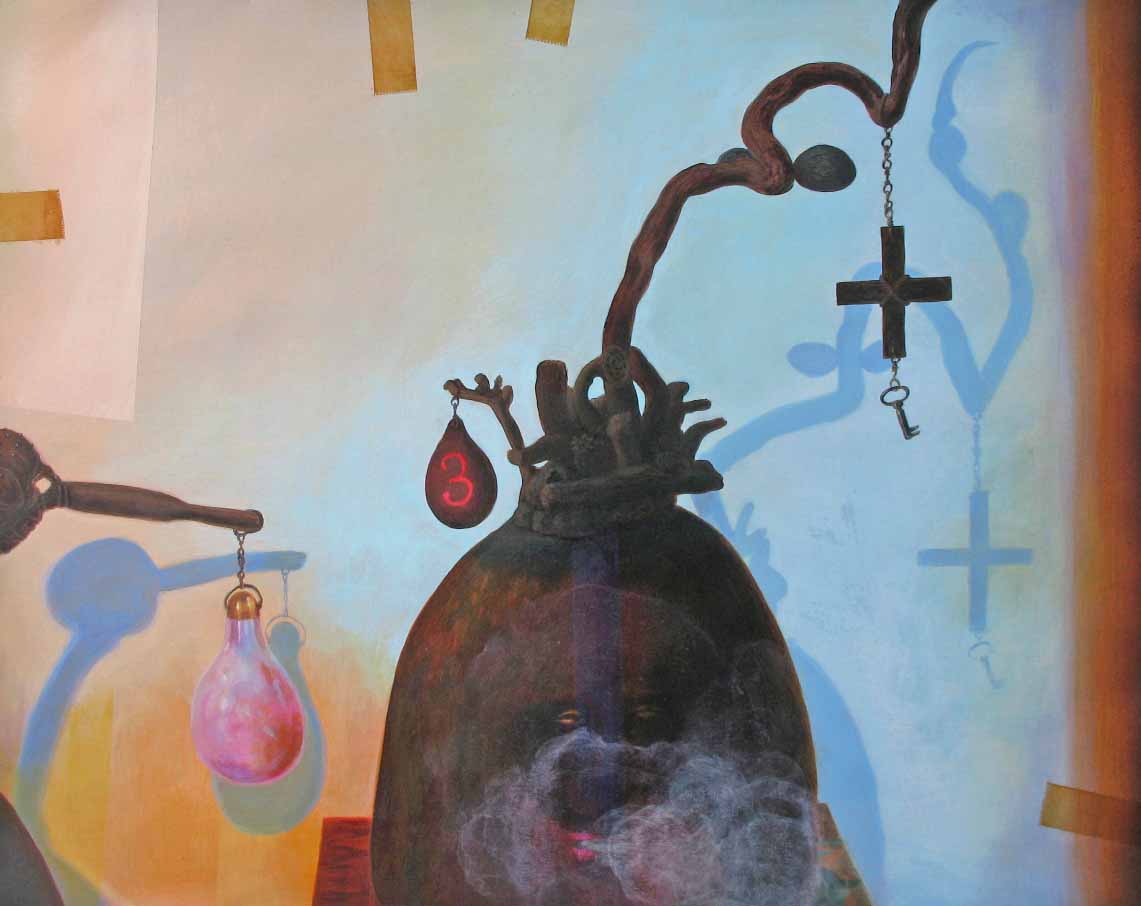
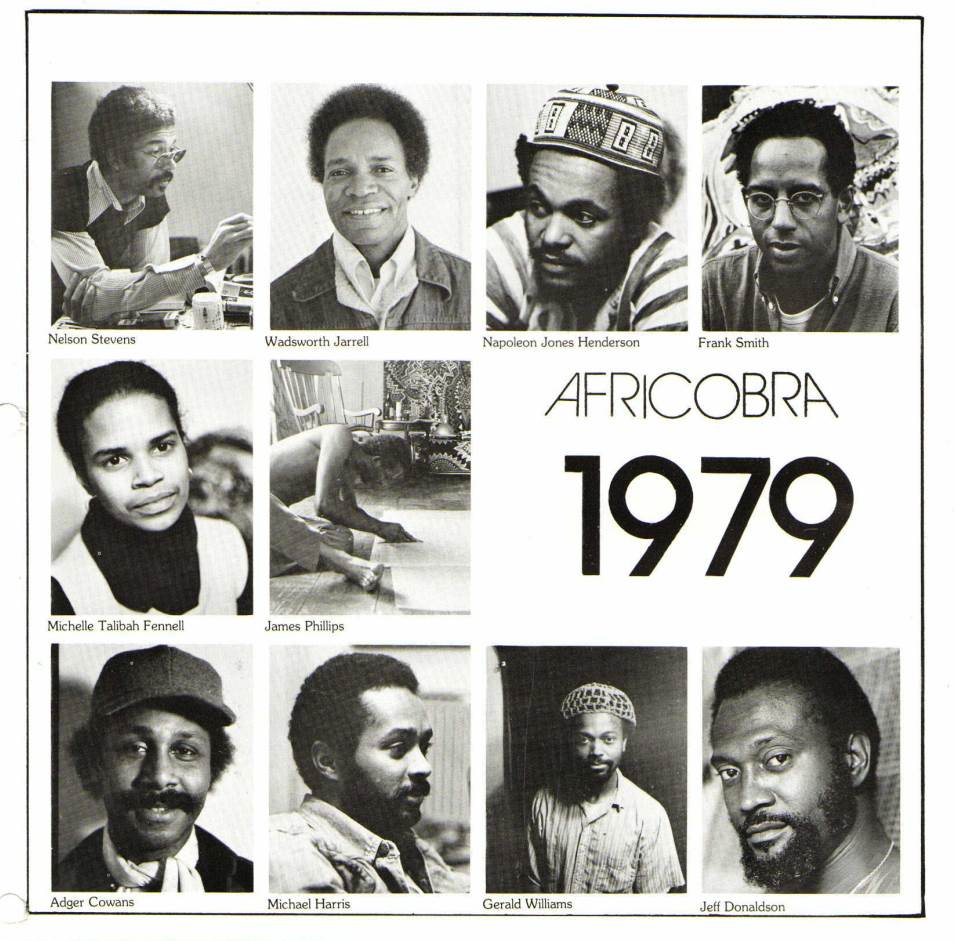
Akili Ron Anderson (1979), Kevin Cole (2003), Adger Cowans (1978), Michael D. Harris (1979), Napoleon Jones-Henderson (founding member, 1968), James Phillips (1973), Frank Smith (1973), Nelson Stevens (founding member, 1968), Renée Stout (2017)

Catalogue essayist: Melanee Harvey, Ph.D.
Curatorial Statement: Myrtis Bedolla


Paperback: 40 pages | 39 color and black and white illustrations
Year published: 2018
Language: English
ISBN: 978-0981960289
Dimensions: 8.5 x 11 inches

AfriCOBRA

AfriCOBRA Photos


September 15 – October 27th, 2018

Featured Artists (year of membership)
Akili Ron Anderson (1979), Kevin Cole (2003), Adger Cowans (1978), Michael D. Harris (1979), Napoleon Jones-Henderson (founding member, 1968), James Phillips (1973), Frank Smith (1973), Nelson Stevens (founding member, 1968), and Renee Stout (2017)

artwork | artists | artists’ talk | photos | catalogue | about AFRICOBRA


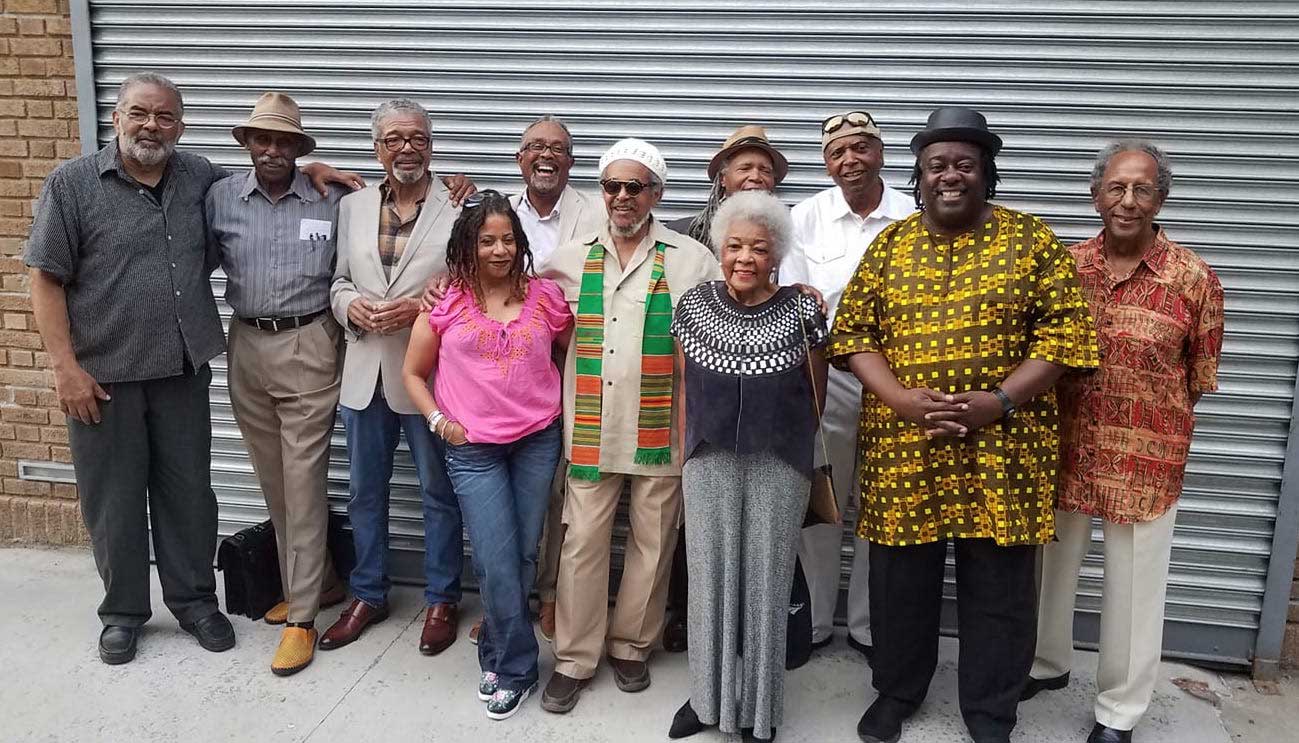
AfriCOBRA 2018 (back row, left to right) Akili Ron Anderson, Adger Cowans, Nelson Stevens, Michael Harris, Wadsworth Jarrell, Gerard Williams, Frank Smith (front row, left to right) Renée Stout, Napoleon Jones-Henderson, Jae Jarrell, Kevin Cole
Photograph courtesy: Adger Cowans
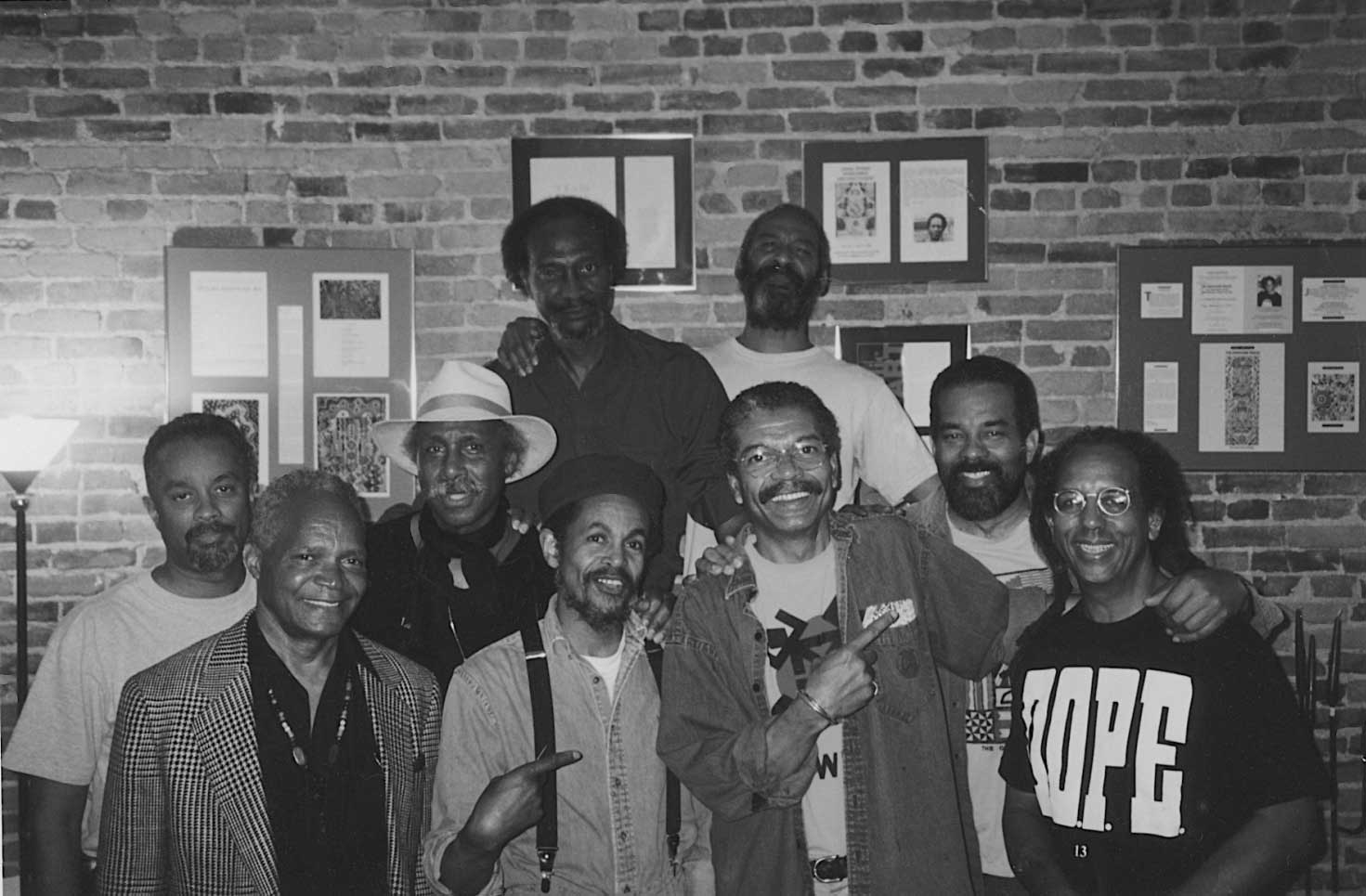
AfriCOBRA (circa 1990) (standing back row, left to right) Jeff Donaldson and James Phillips, (second row, left to right) Michael Harris, Adger Cowans, Akili Ron Anderson, (front row, left to right) Wadsworth Jarrell, Napoleon Jones-Henderson, Nelson Stevens, Frank Smith
Photograph courtesy Adger Cowans
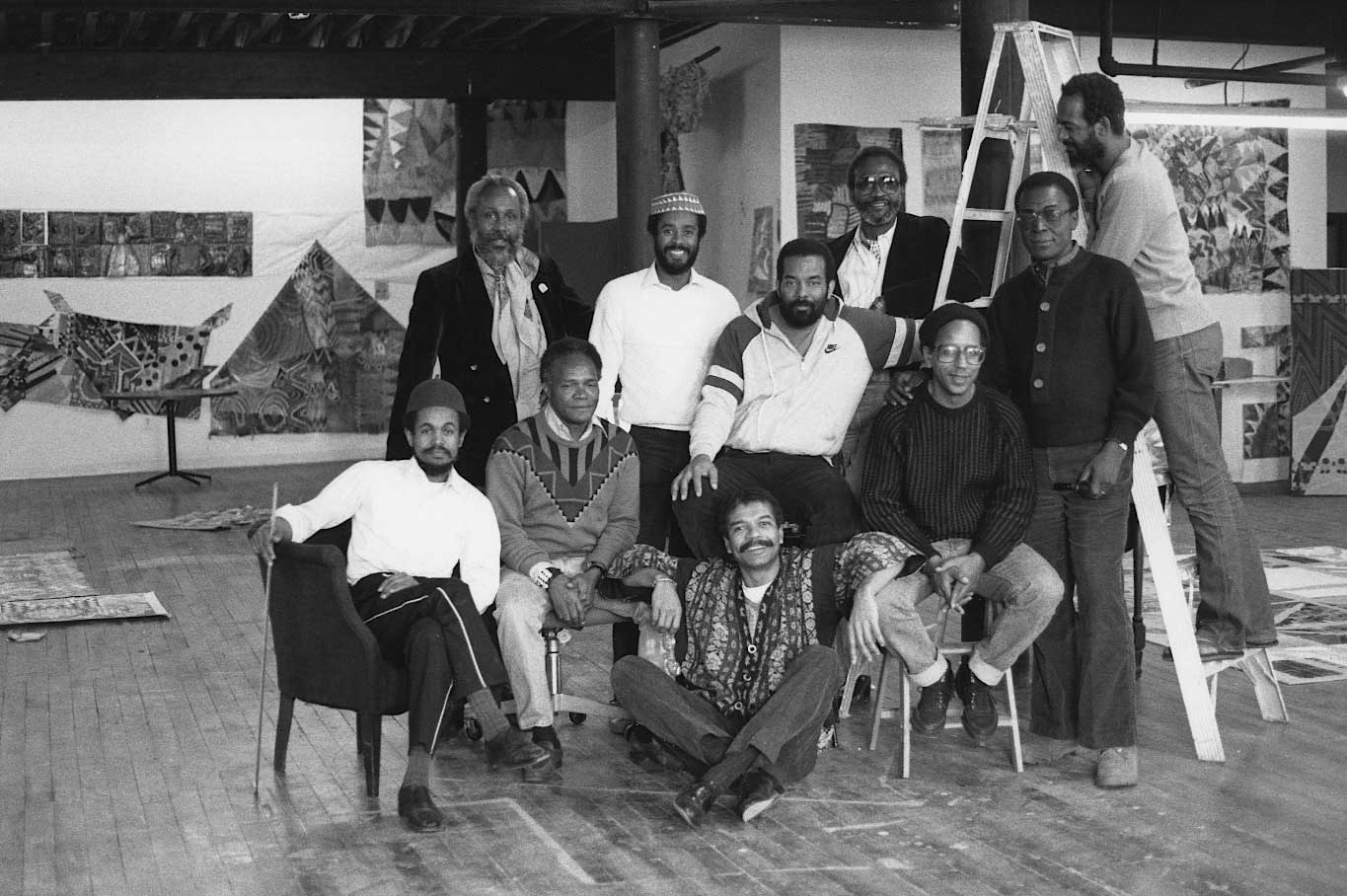
AfriCOBRA members 1989 (standing, left to right) Adger Cowans, Michael Harris, Jeff Donaldson, Murray DePillars, (on ladder) James Phillips, (seated, left to right) Napoleon Jones-Henderson, Wadsworth Jarrell, Akili Ron Anderson, Frank Smith, (on floor) Nelson Stevens.
Photograph courtesy Adger Cowans

Exhibitions

Profiles of Color

Profiles of Color III: Fabric, Face, and Form


Solo Exhibition: Ronald Jackson
June 30th – July 28, 2018

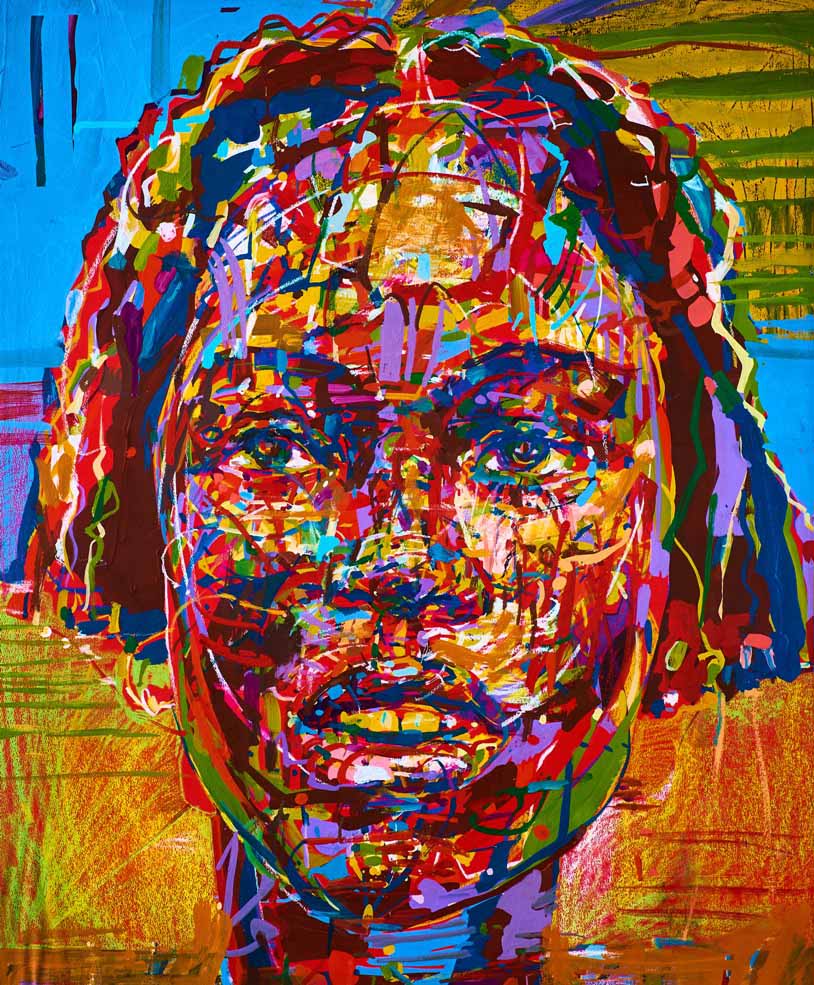
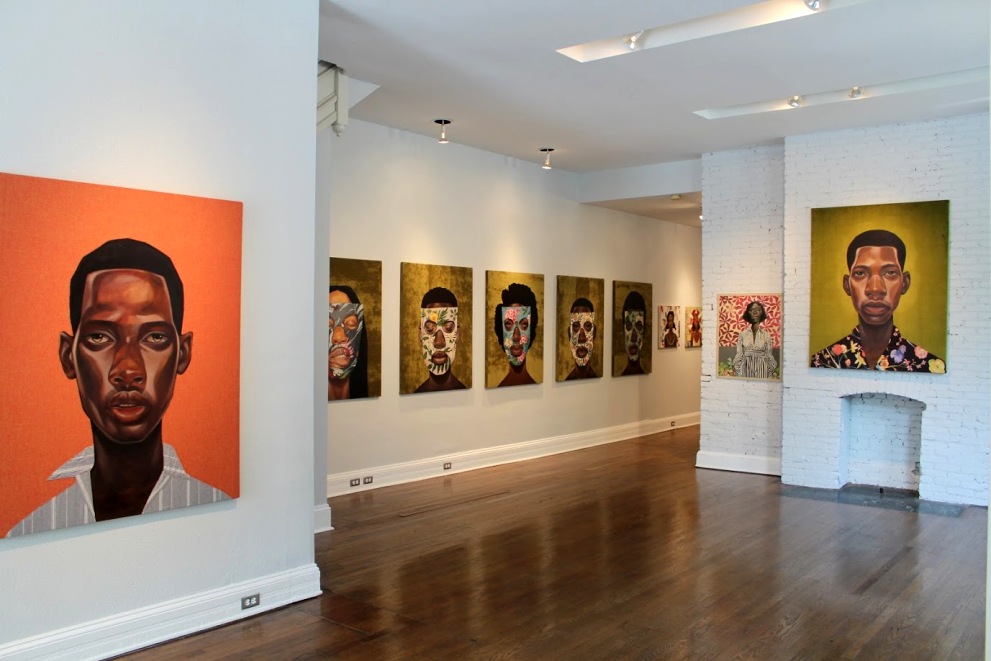
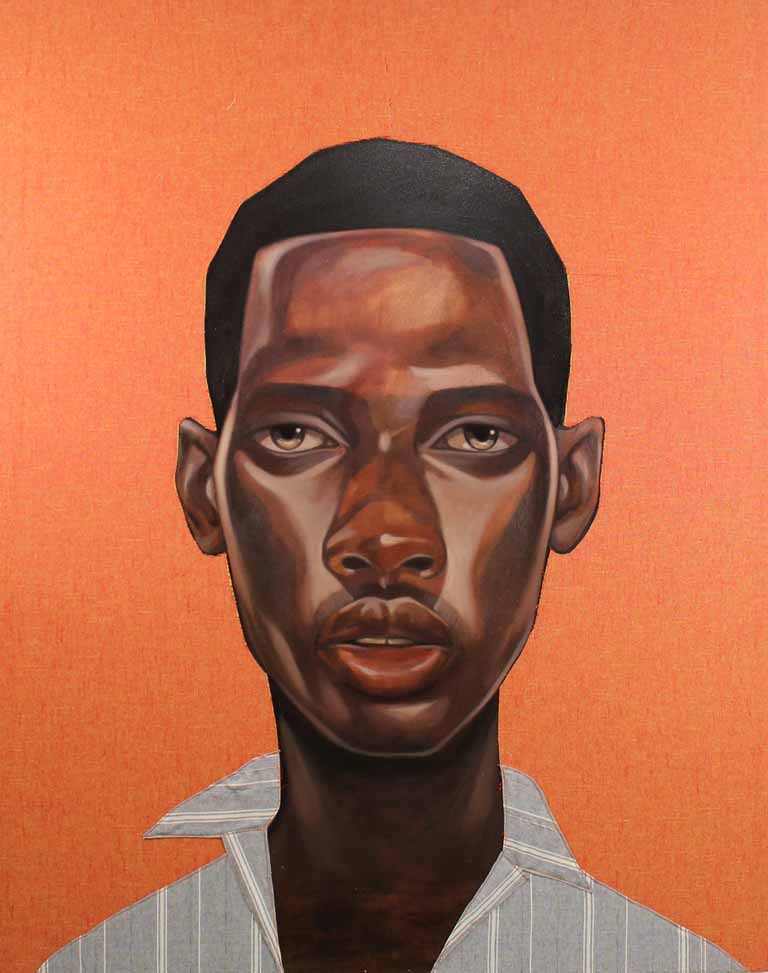
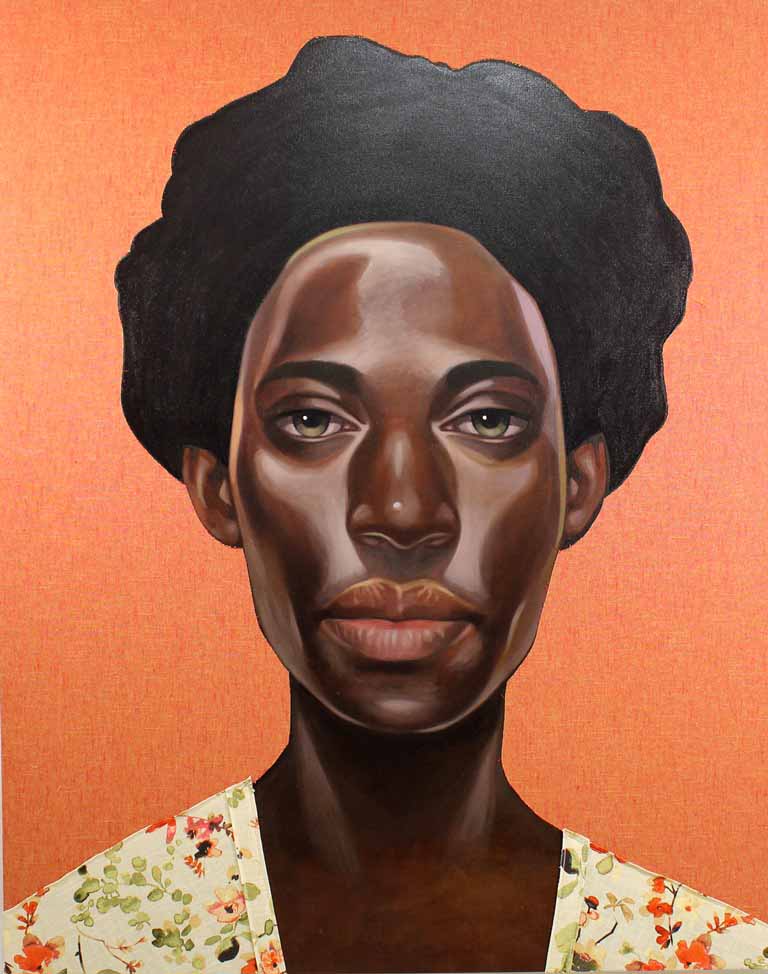
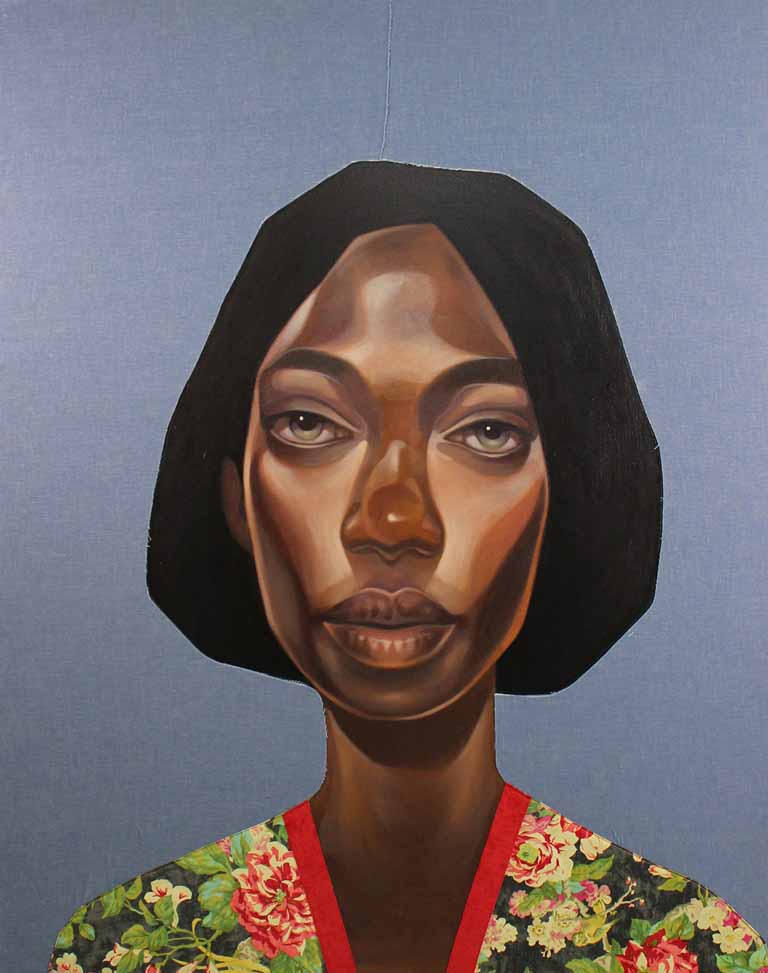
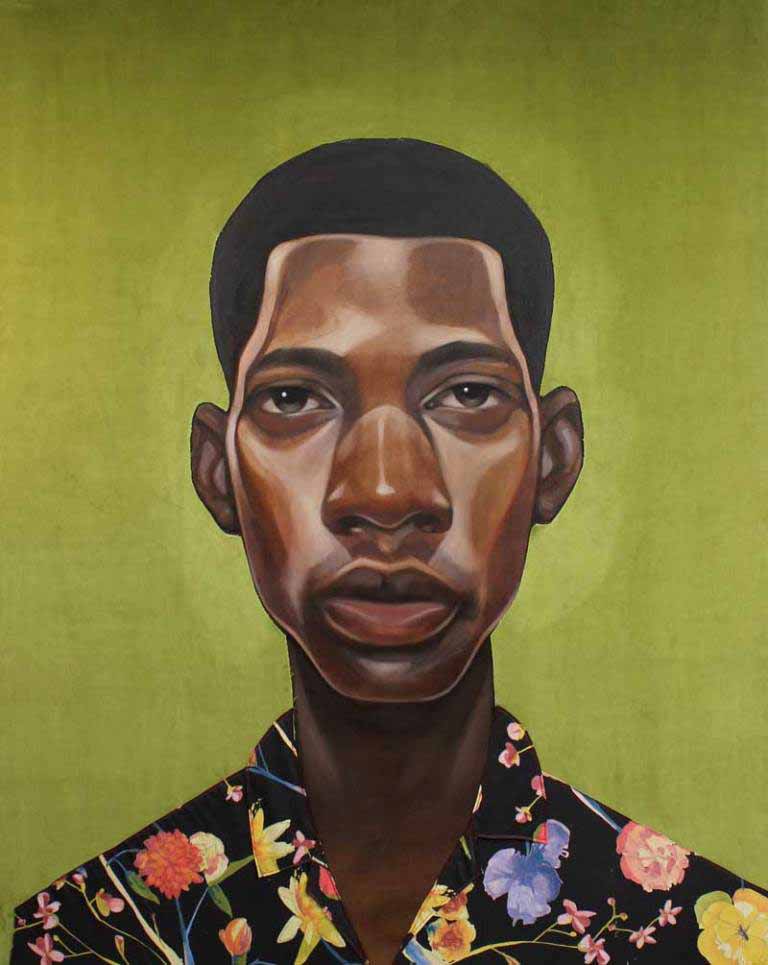
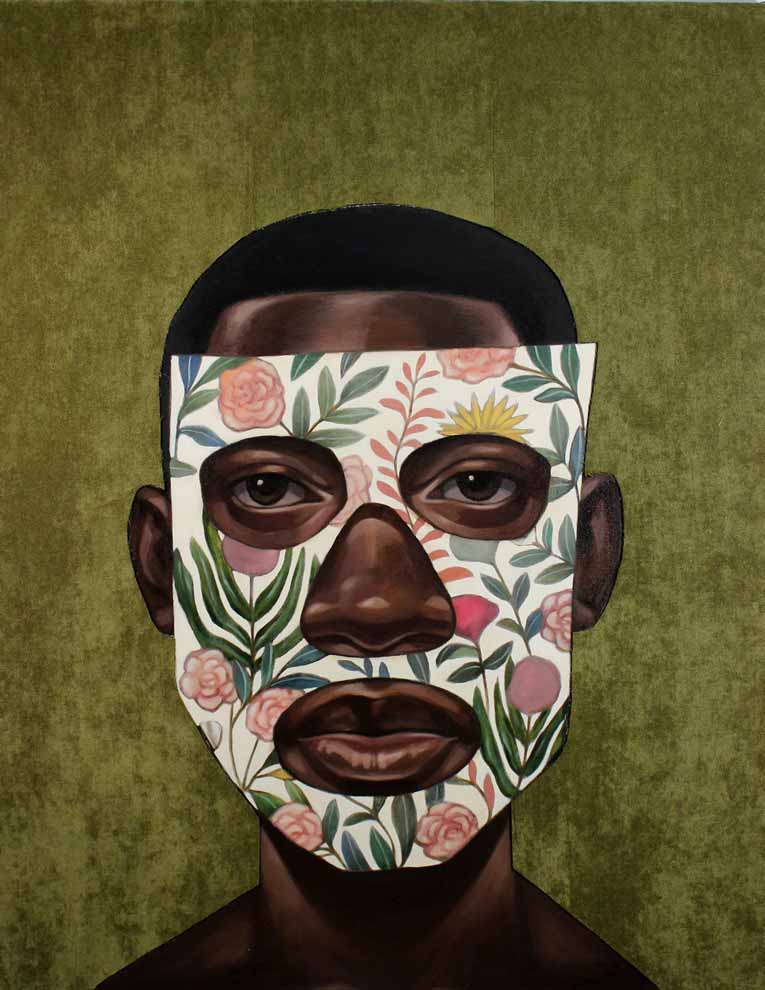
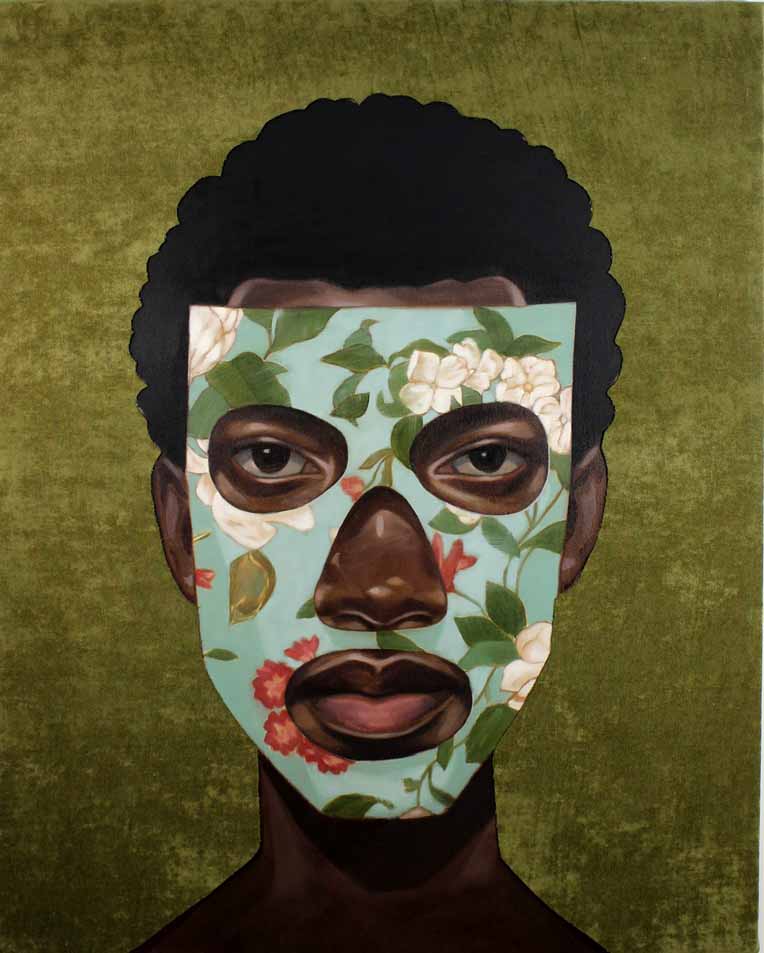
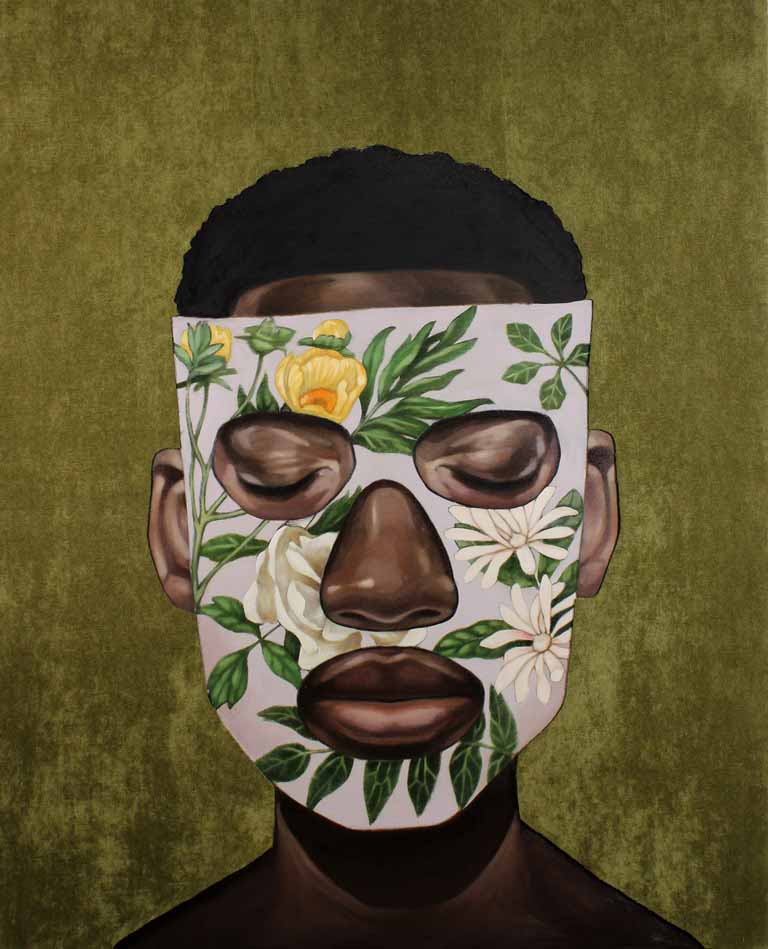
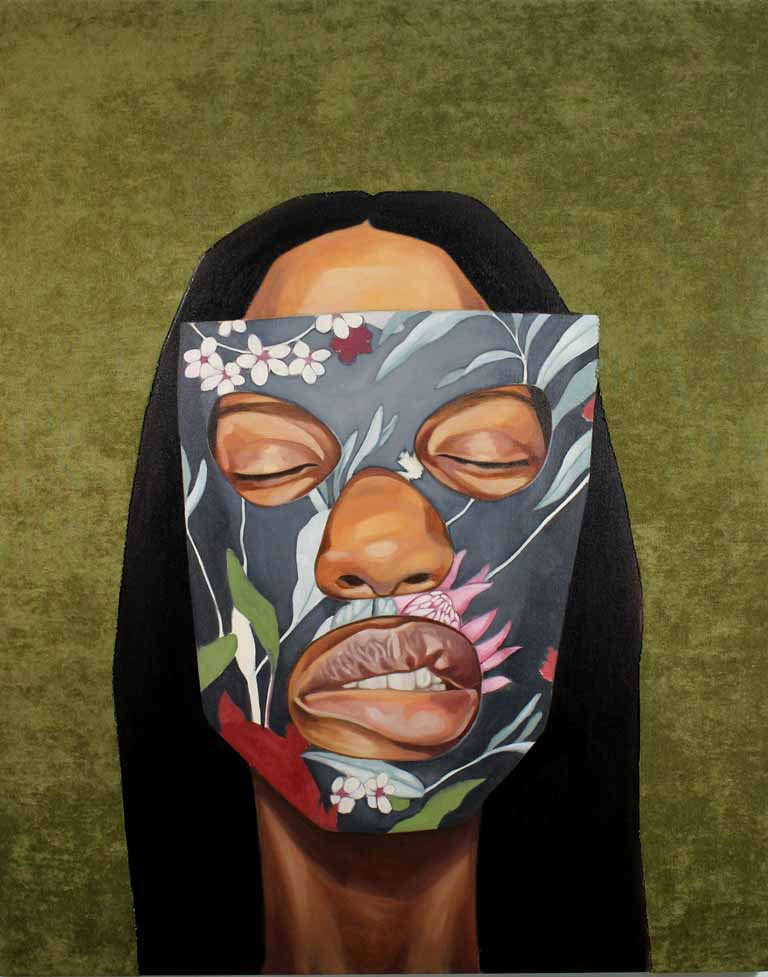
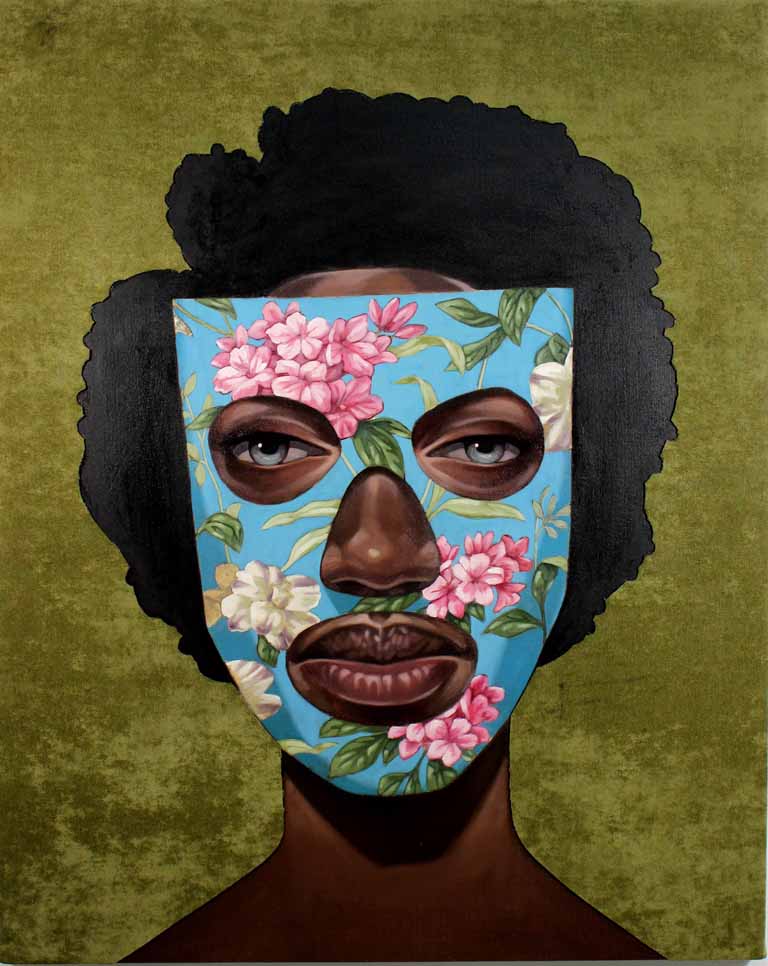
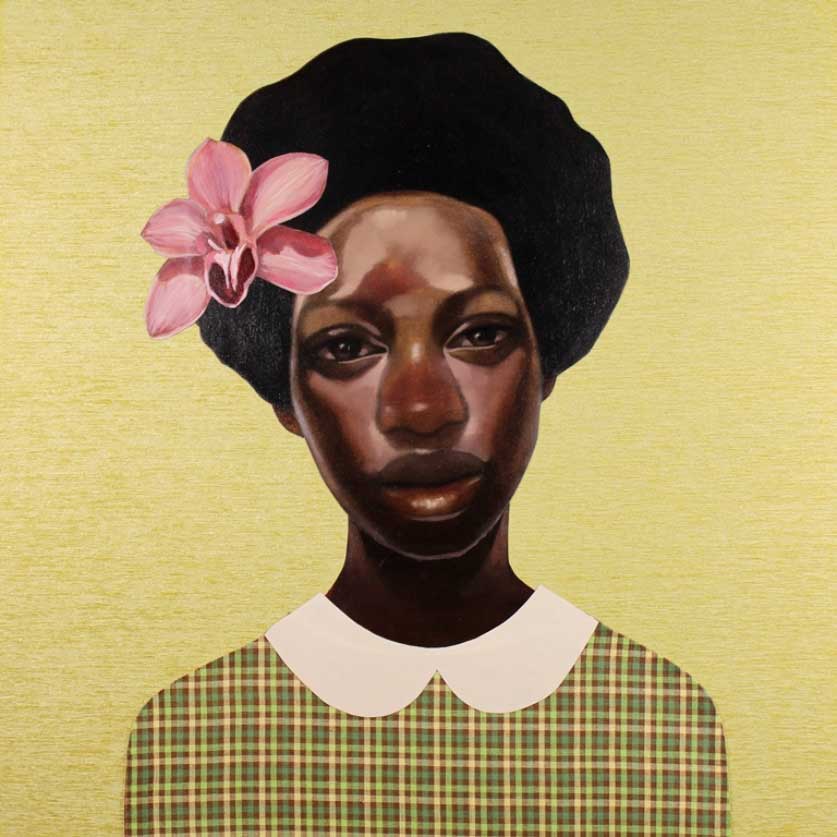
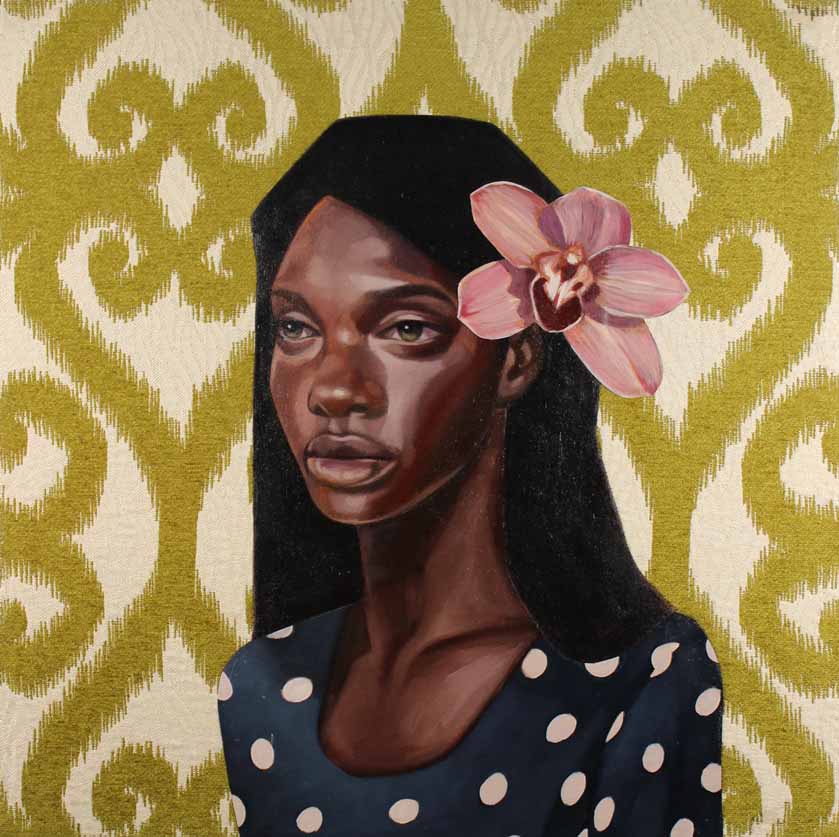
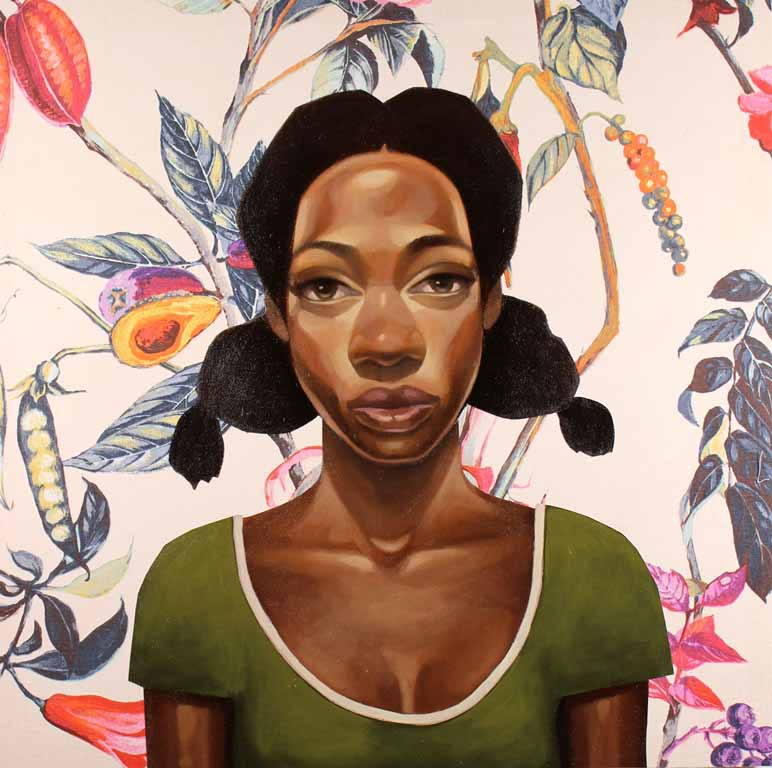
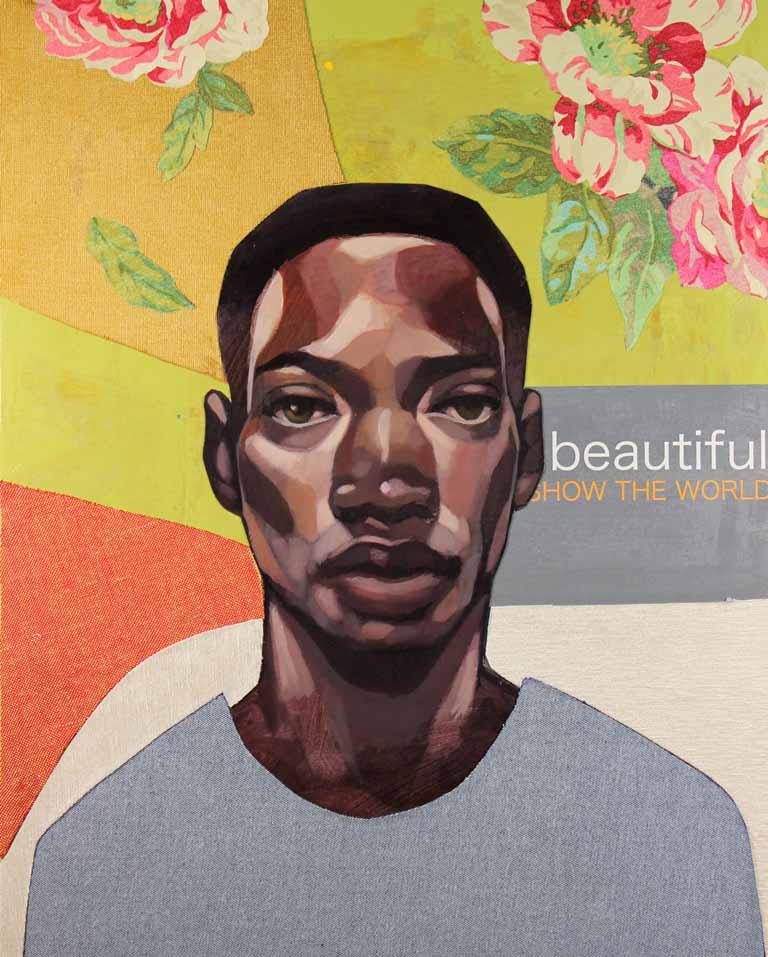
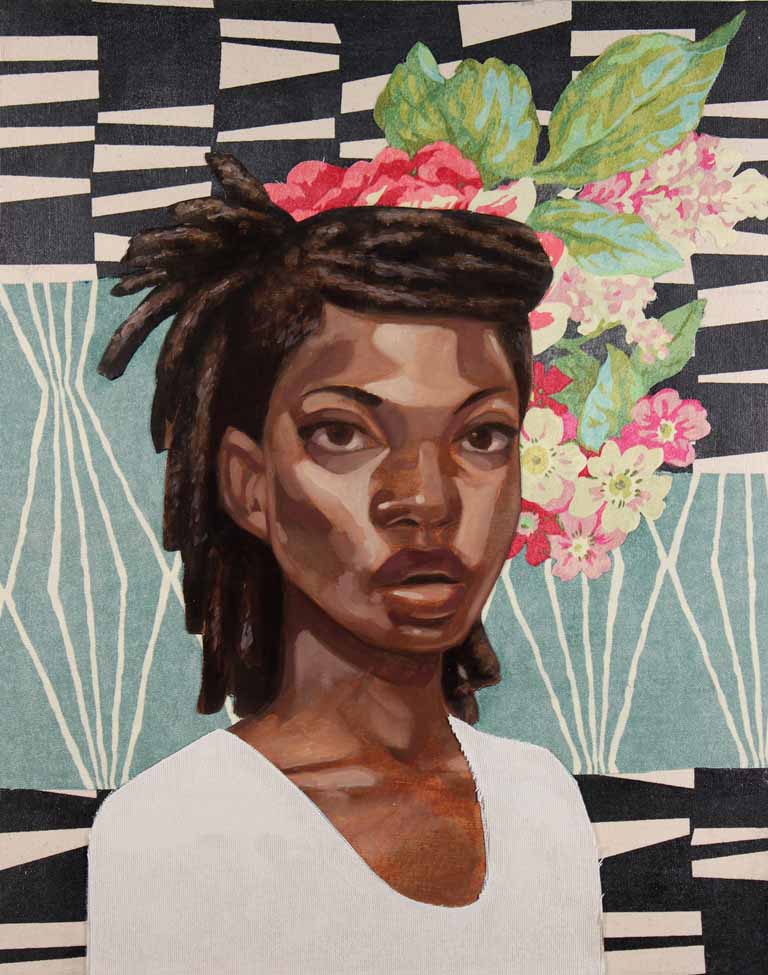
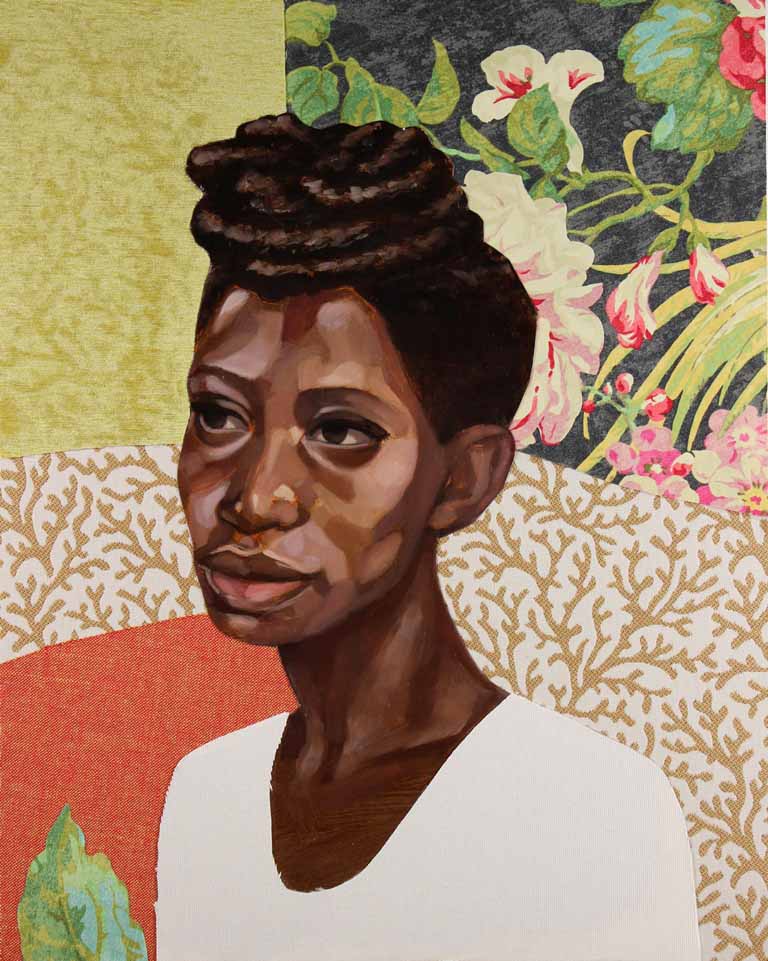
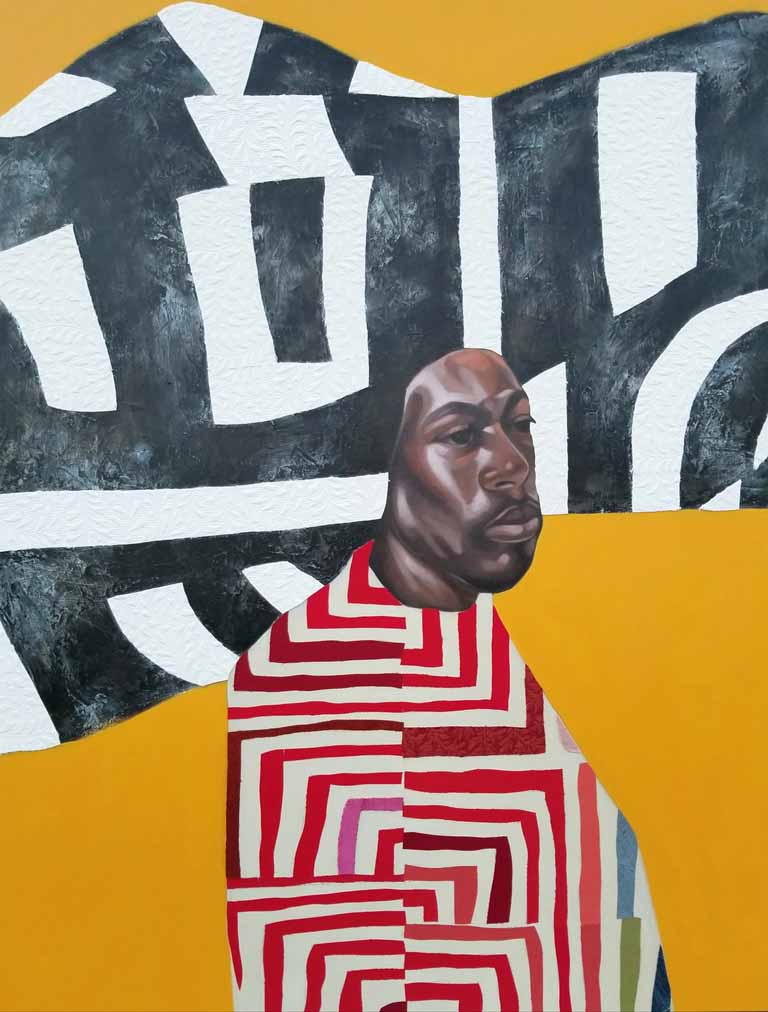
Myrtis presents its first solo exhibition of works by painter Ronald Jackson. Profiles of Color III: Fabric, Face, and Form is the third iteration of portrait paintings in which Jackson employs mixed media collage techniques and oil paint to further his exploration in re-imagining African American portraiture. Vivid hues, geometric shapes, and rich fabrics result in dramatic renderings of faces – some with floral masks, engulfed in bursts of color offering fanciful narratives from his imagination.

artist talk | about Ronald | resume

Artwork

Artist

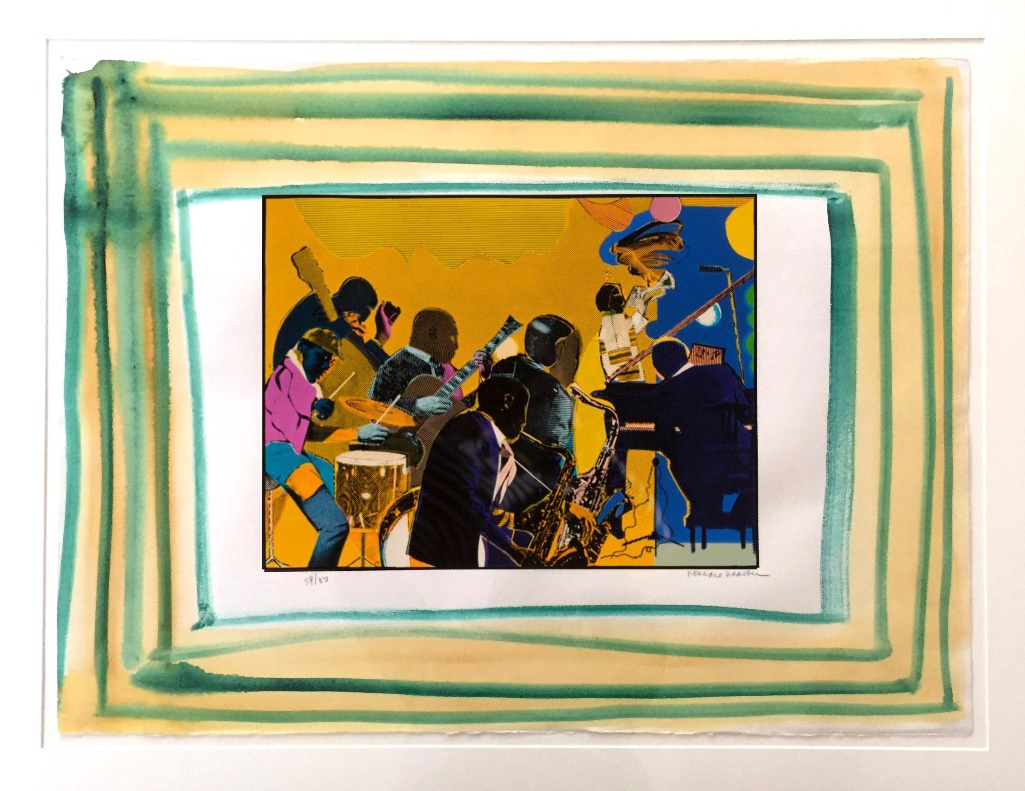
Romare Bearden Secondary Market Out Chorus

Secondary Market

Romare Bearden (1911-1988)

Out Chorus, ed. 59/60, 1979-80
Serigraph with Hand-Colored border, 22”x29 ¾” framed
Bell-Reid Collection
Price: Contact Galerie Myrtis

Romare Bearden was strongly influenced by the works of other artists, including musicians. “Out Chorus” echoes the beats of Harlem’s thriving jazz scene, and the music’s improvisational form.

Romare Bearden (1911-1988), considered one of America’s greatest artists, was a draftsman, painter, watercolorist, and most preeminently, a collagist. He received many honors during his life, and was awarded the National Medal of Arts in 1987 from President Reagan. Born in North Carolina, and raised in Pittsburgh and New York’s Harlem, Bearden worked in various styles, including cartoon and drawing, social genre, modernism, abstract expressionism and photo-collage. Bearden was best known for the universal themes employed in his collage paintings and prints. He found his imagery in both the everyday rituals of African American rural life in the south and urban life in the north, combining those American experiences with his personal experiences and interest in classical literature, religion, and music.

Reference: Smithsonian Anacostia Community Museum

Artist

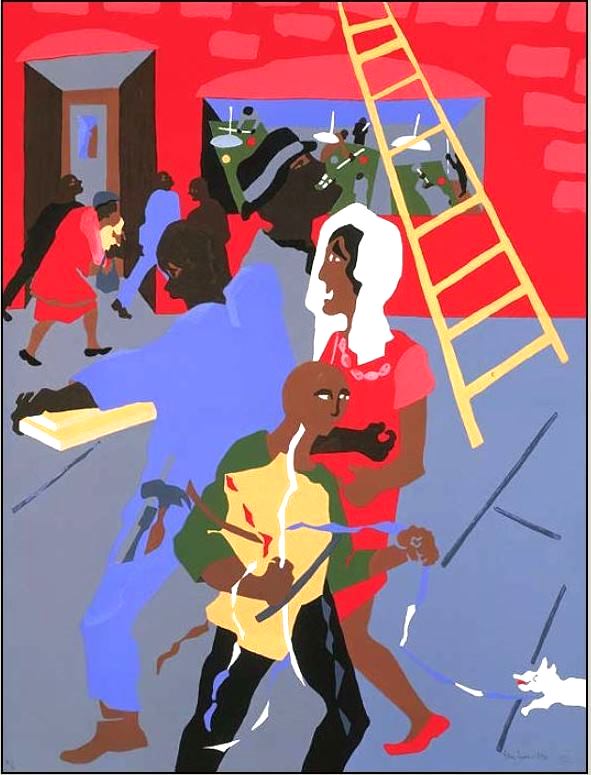
Jacob Lawrence Secondary Market On The Way

Secondary Market

Jacob Lawrence (1917-2000)

On the Way, 1990
Lithograph, 40”x29 ½” framed
Bell-Reid Collection
Price: Contact Galerie Myrtis

In his late composition, On the Way, (1990), Lawrence captures African Americans as they move through the streets with his usual stylistic attention to detail and, at the same time, telling abstract forms. At first glance it is difficult to determine what is happening in this scene, as we see flat shapes and areas of vibrant color that create a brilliant overall design. Heightening the abstract quality of the composition, Lawrence subverts traditional perspective, where bold colors occupy the foreground and paler colors occupy the background. Instead, he applies saturated and vibrant colors not only in the foreground but also in the background. Bright blue and red in the figures located in the foreground are repeated in the window and brick wall in the background. Similarly, yellow objects–boards and other equipment related to the building trade–are carried by the foreground figures and are echoed in the yellow ladder in the upper right. Thus, the tonalities in the foreground and background merge to create shifting, incongruous space, emphasizing the tensions between the picture surface and implied background, and enhancing the overall energy of the scene.

While the colorful, animated design first draws the viewer into the composition, closer examination of On the Way reveals clearly defined figures and objects. Created after the height of the Civil Rights movement, Lawrence shows men and women moving quickly through the streets, on their way to their various destinations. Implicit in this activity is the notion of the African American community on its way to a better future—with the tools for building it in their hands.

Reference: The Phillips Collection

Secondary Market

Ernest Crichlow Secondary Market

Secondary Market

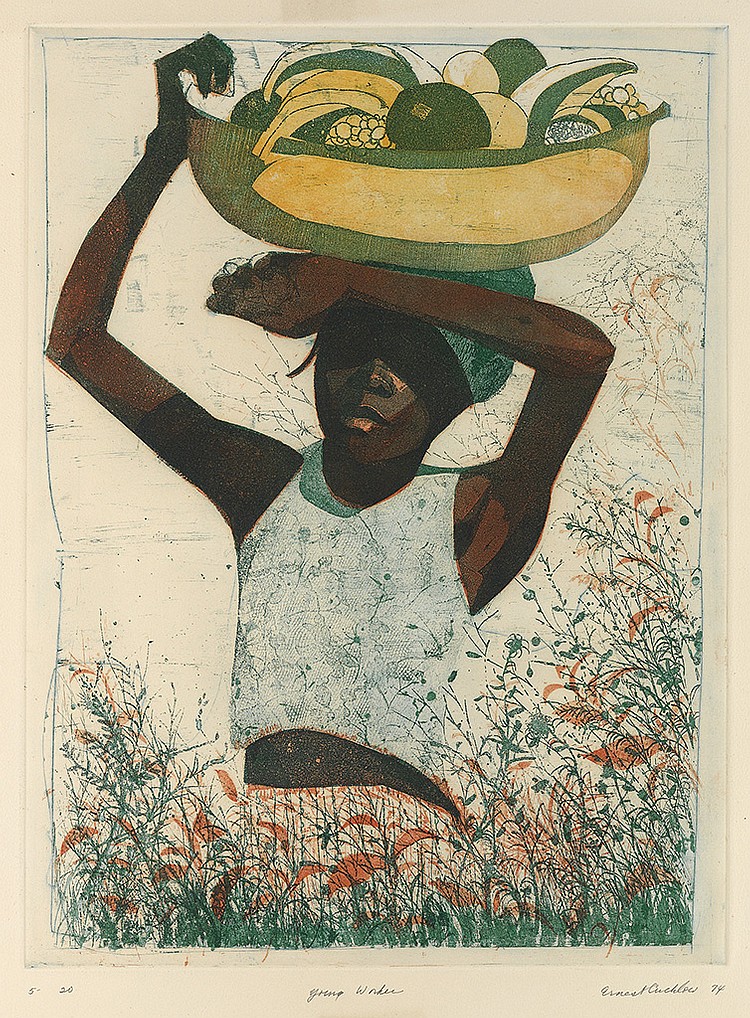
Ernest Crichlow (1914-2005)

Artwork for Sale

Biography

Ernest Crichlow was born in Brooklyn, New York, in 1914. He joined the Harlem Artists Guild in the 1930’s and worked alongside Jacob Lawrence, Charles Alston, and Aaron Douglas. The Artists Guild was supported by the Works Progress Administration (WPA), which provided employment for many artists during the Depression.

For Crichlow, the WPA was essential to the formation of many careers of African-American artists. He said that the WPA was “the greatest stimu-lant the American art scene had ever had. it meant something to be an artist then. The WPA was our haven and offered us a real entrée into what was happening. We had a lot of hope . . . Before that, very few of us had anything resembling a real art education.” Crichlow was always a strong advocate for black artists. in 1969, he, Romare Bearden, and Nor-man Lewis jointly founded the Cinque Gallery, an institution devoted to the advancement of black artists.

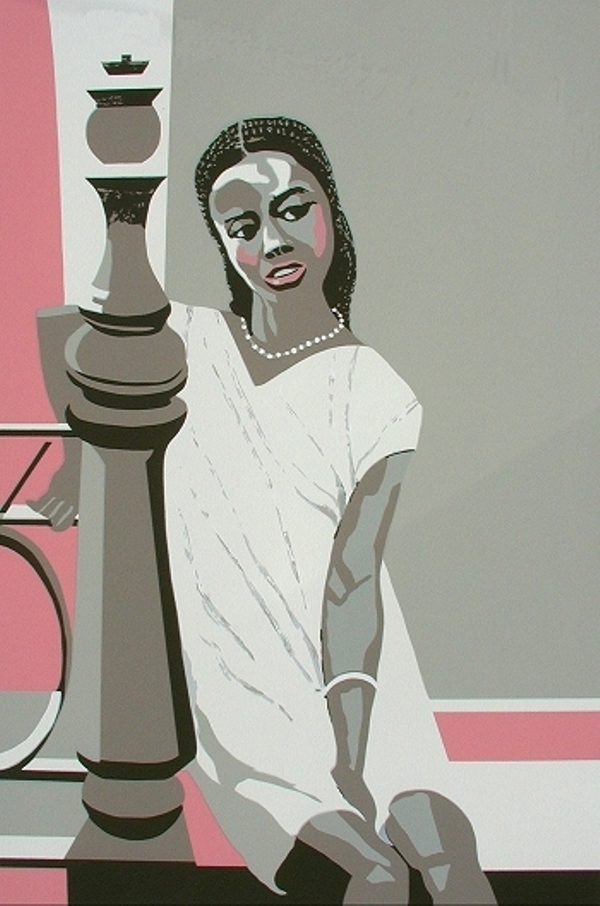
Primarily a figurative painter, Crichlow concentrated on people who lived in his Brooklyn neighborhood. He stated, “i try to show all of the emotions . . . i’m interested in clarity.” in Woman in a Blue Coat, arguably his most important painting, a confident, self-assured woman is depicted. Unlike later works by the artist that deal directly with societal limitations placed on blacks, this work celebrates the depth of emotions conveyed by her countenance. This is an image contro-versial for its confident nature and its simplicity and for its disavowal of the political world beyond the frame. The slice of life quietly elevated the subject to heroic stature at a time when the everyday lives of African-American women were not typically considered worthy of representation. Reference: Understanding the Vision: Learning from the Hewitt Collection of African-American