For those who encounter my work, I want them to stop, I want them to pay attention, I want them to not be able to look away
-Tawny Chatmon
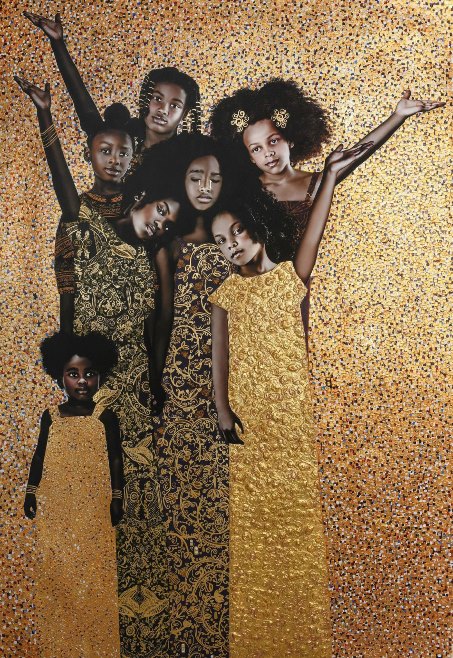
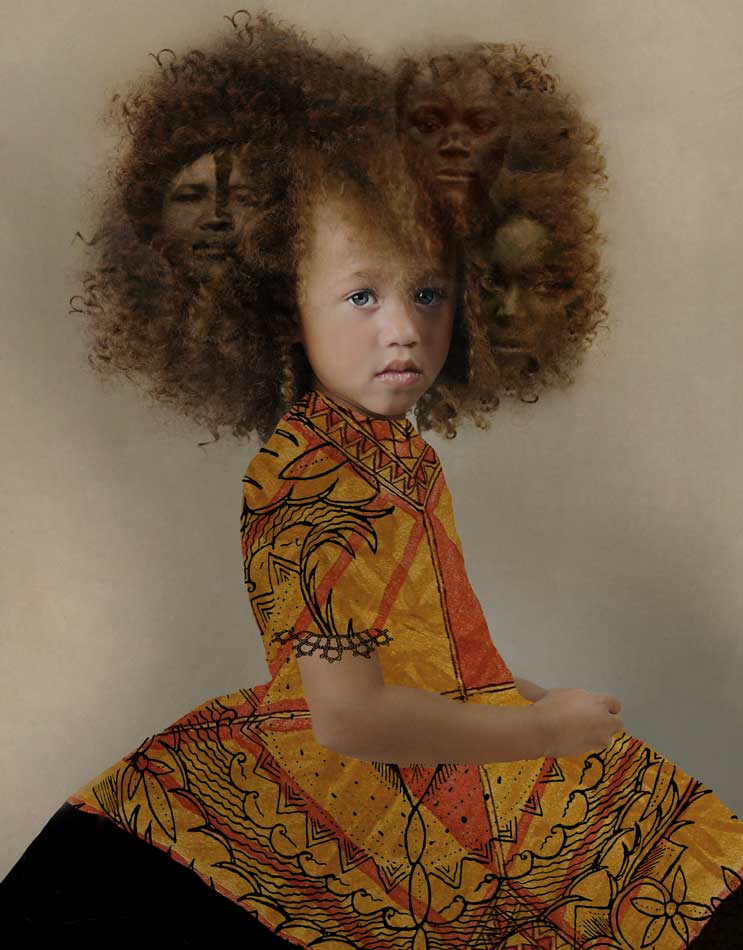
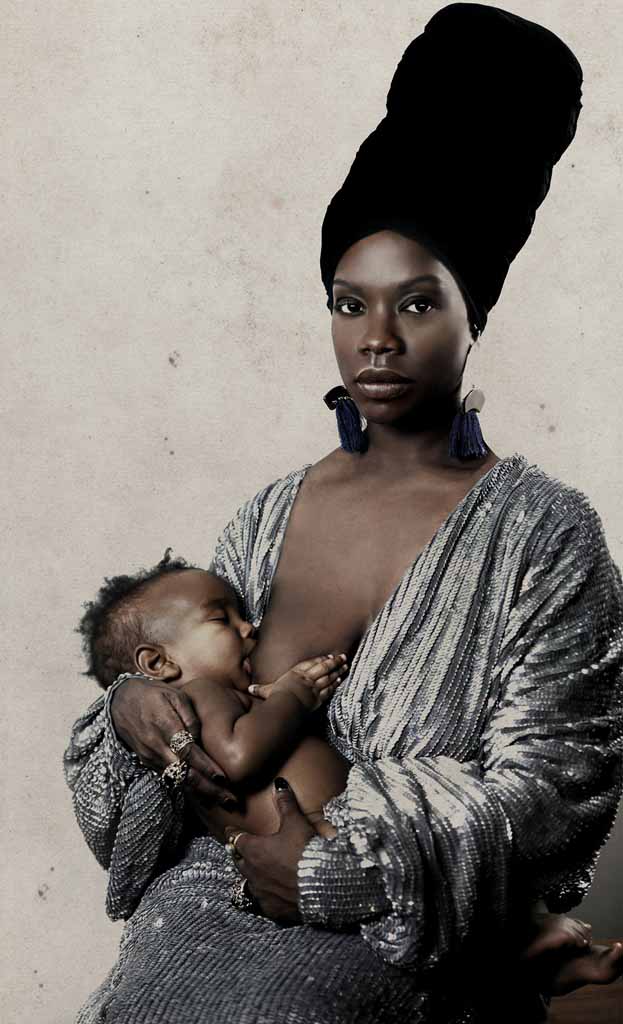
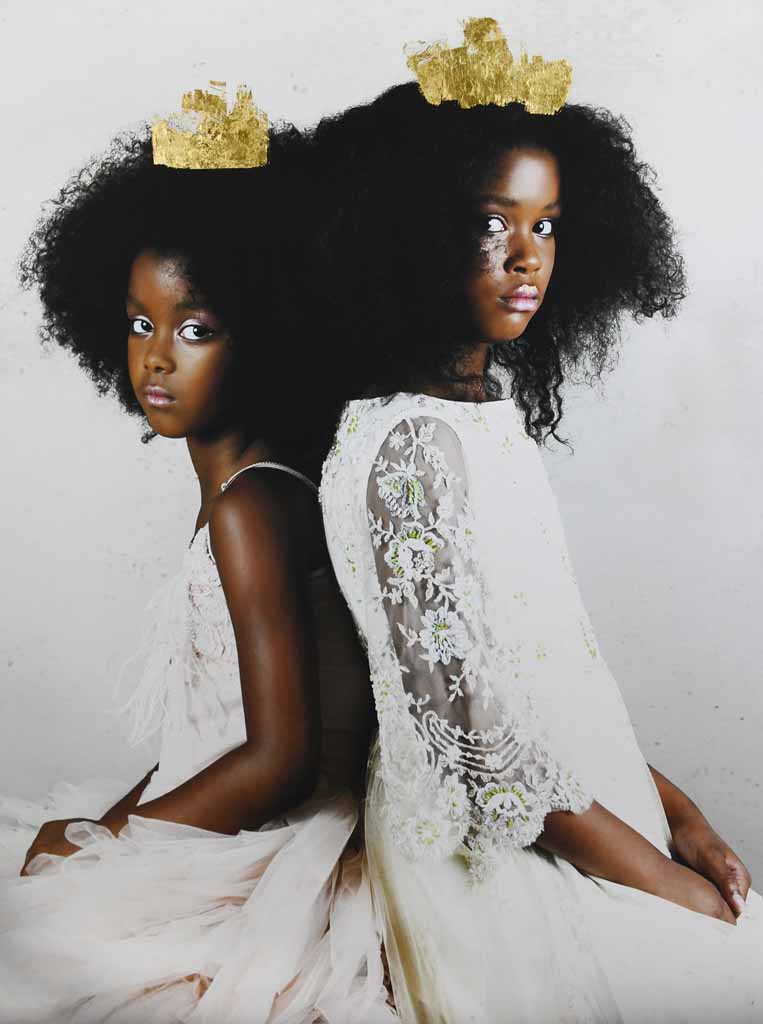
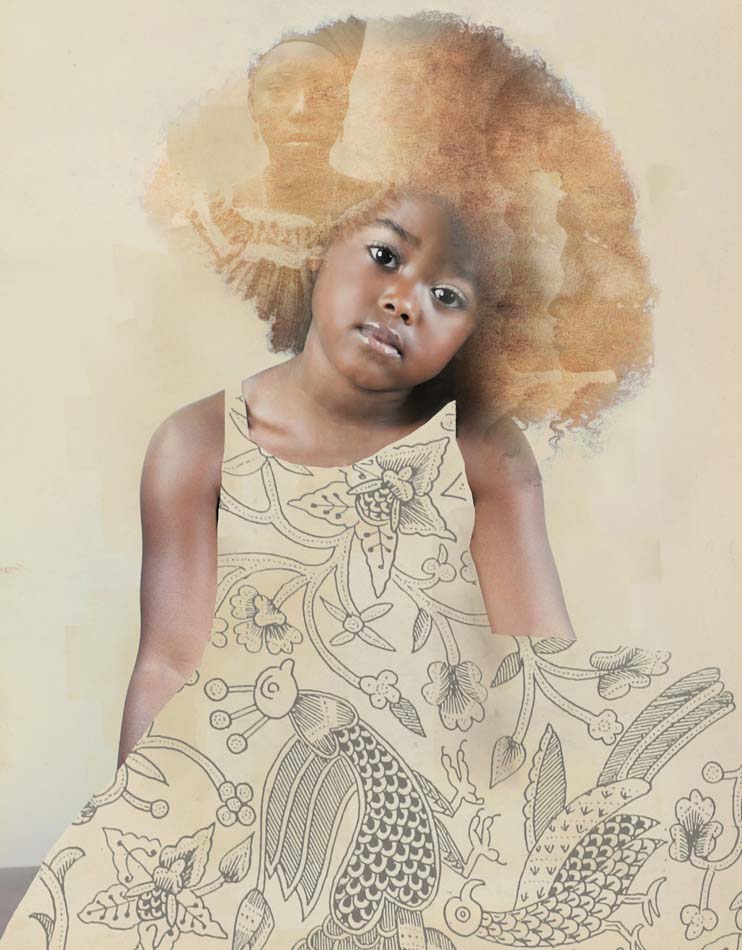
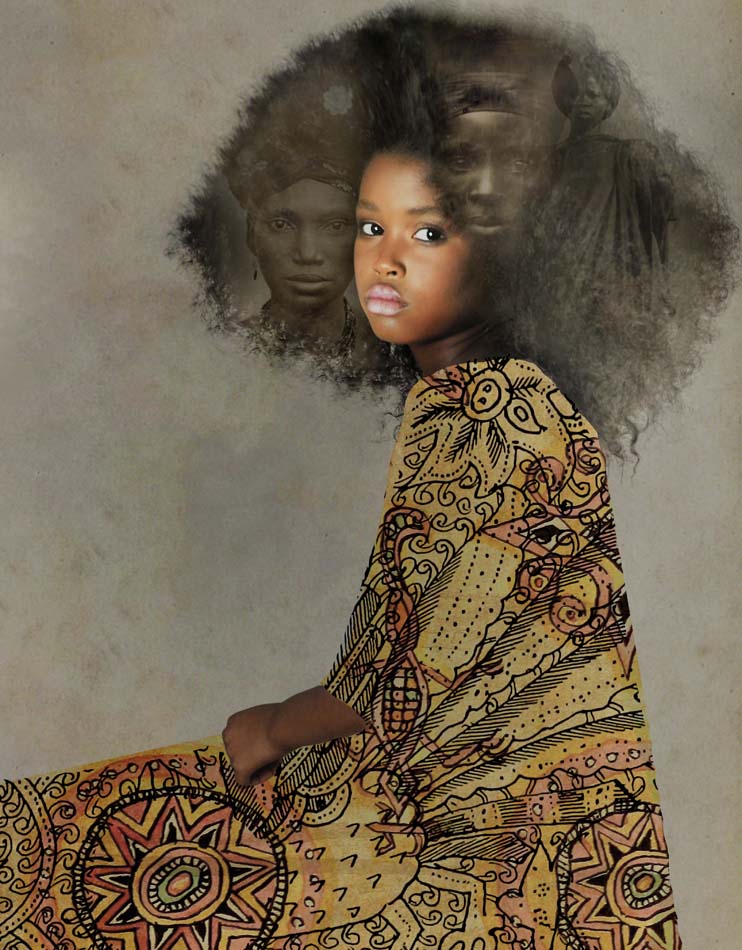
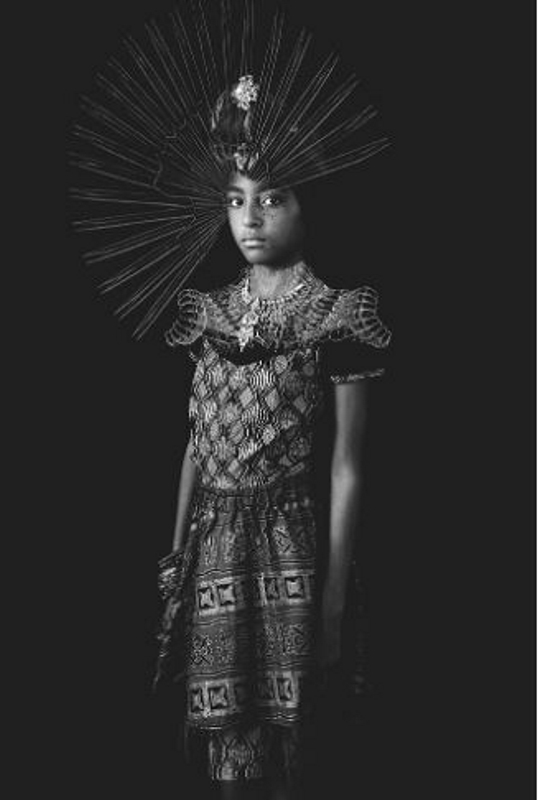
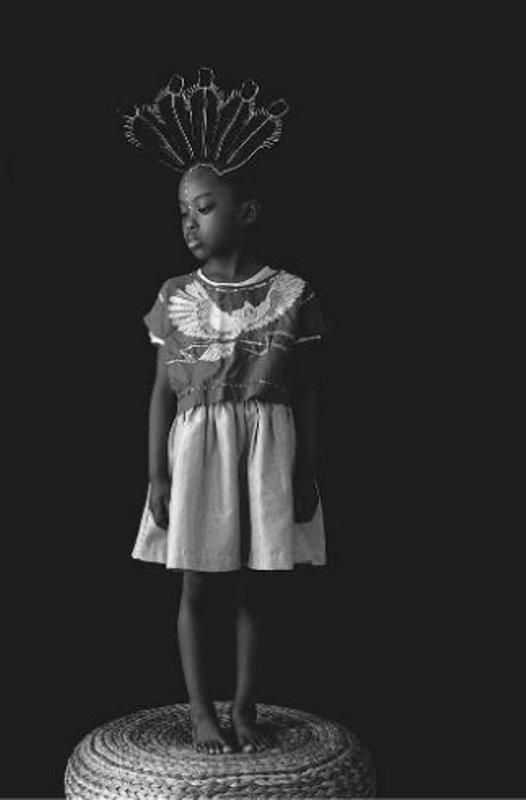
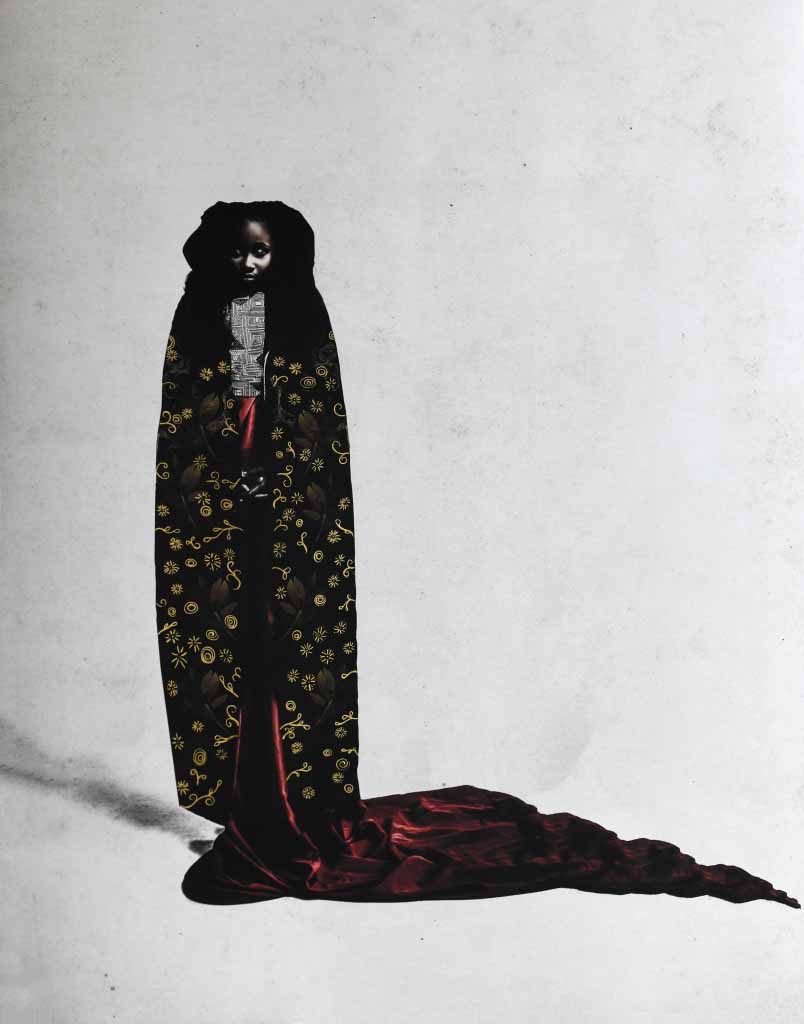
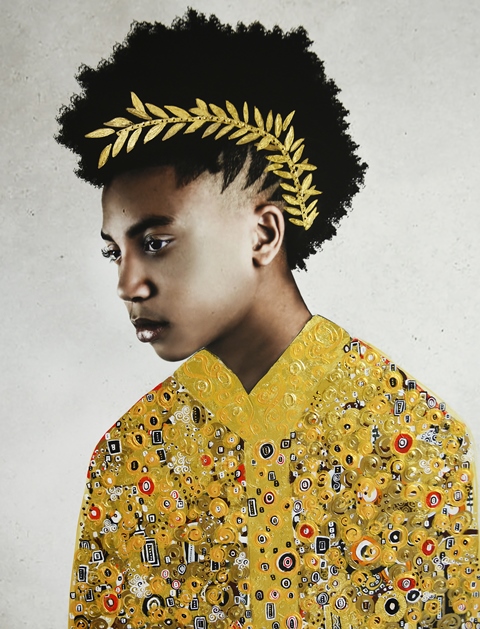
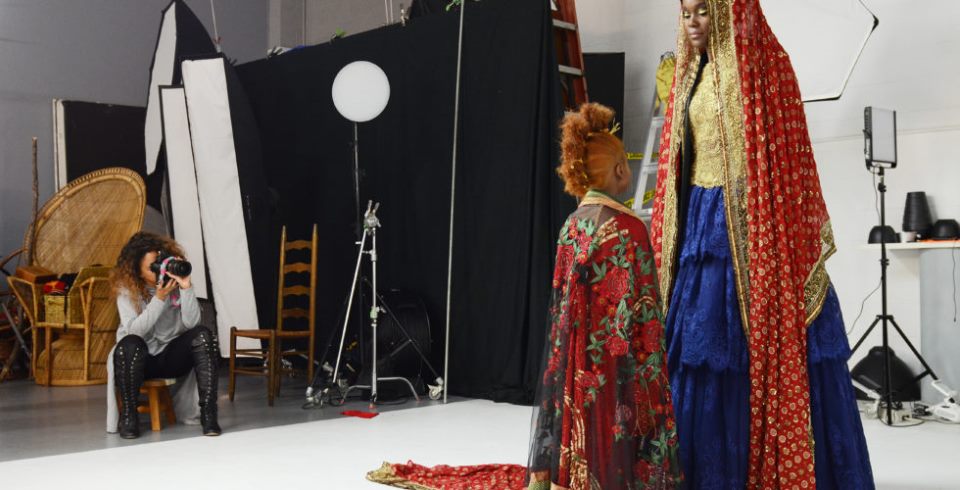
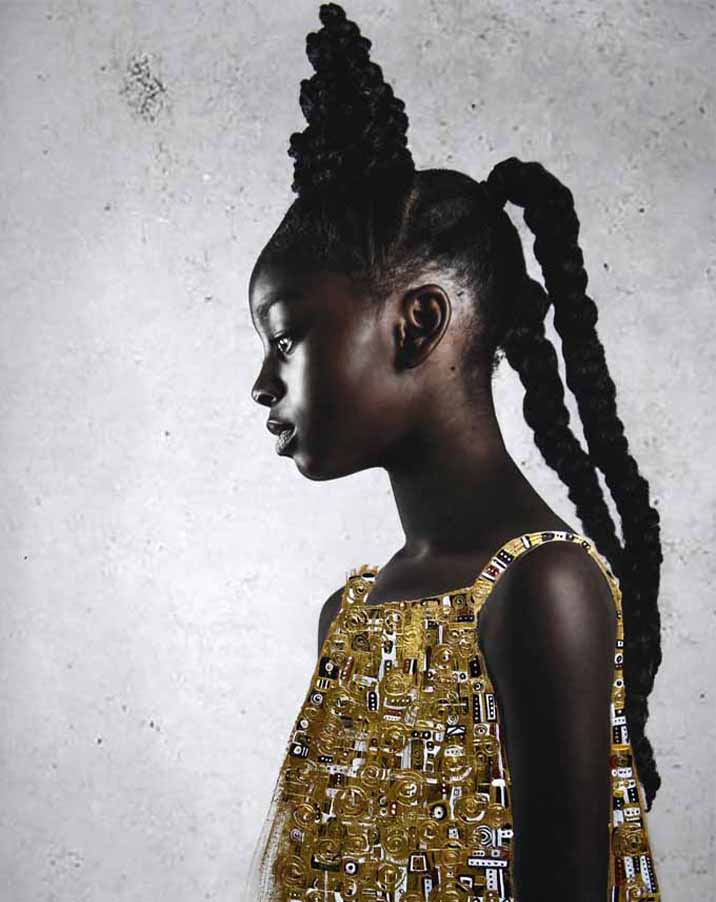
Through the lens of photography and the layering of mixed media materials, artist Tawny Chatmon has captured the regality of Black youth. Inspired by the aesthetics of Austrian painter Gustav Klimt’s Golden Phase, Chatmon’s subjects are often depicted in period dresses and then layered with a mixed media of gold leaf, acrylic paint, and detailed with precious and semi-precious jewels. To add a spiritual presence to her subjects, Chatmon employs the Byzantine art aesthetic of elongating their bodies and dress. Consequently, these figures overwhelm the space. Adding emphasis are the grandeur and versatile styles and textures of natural black hair that serve as a celebration of Black beauty. Yet, there is also a stillness of these figures that echoes what Kevin Quashie (2012) describes as “the sovereignty of quiet” in which quiet “is a metaphor for the full range of one’s inner life—one’s desires, ambitions, hunger, vulnerabilities [and] fears.” … Chatmon’s work primarily focuses on creating a safe and healing space for Black childhood in western society, which is feared and often indistinguishable from Black adulthood.
Excerpt from the essay “What I Want You to Know: Chatmon’s Visual Love Letter to Black Children” By Tanisha M. Jackson, Ph.D.
It Was Never Your Burden To…, 2020
24k gold leaf, acrylic, watercolor on archival pigment print
52 x 36″
Deeply Embedded / Ancestral - Limited Edition of 25
Photography, Photo-Manipulation, Montage, Superimposition
Size: 16 H x 20 W x 0.1 in
The World is Imperfect, But You… The Awakening Series
12k white gold leaf on archival pigment print
54” x 30" (unframed), 72” x 49.5" (framed)
2018-2019
Sisterhood: Byzantine Contempo Series
24k gold leaf on archival pigment print
45” x 33 " (unframed), 60"x 47" (framed)
2016
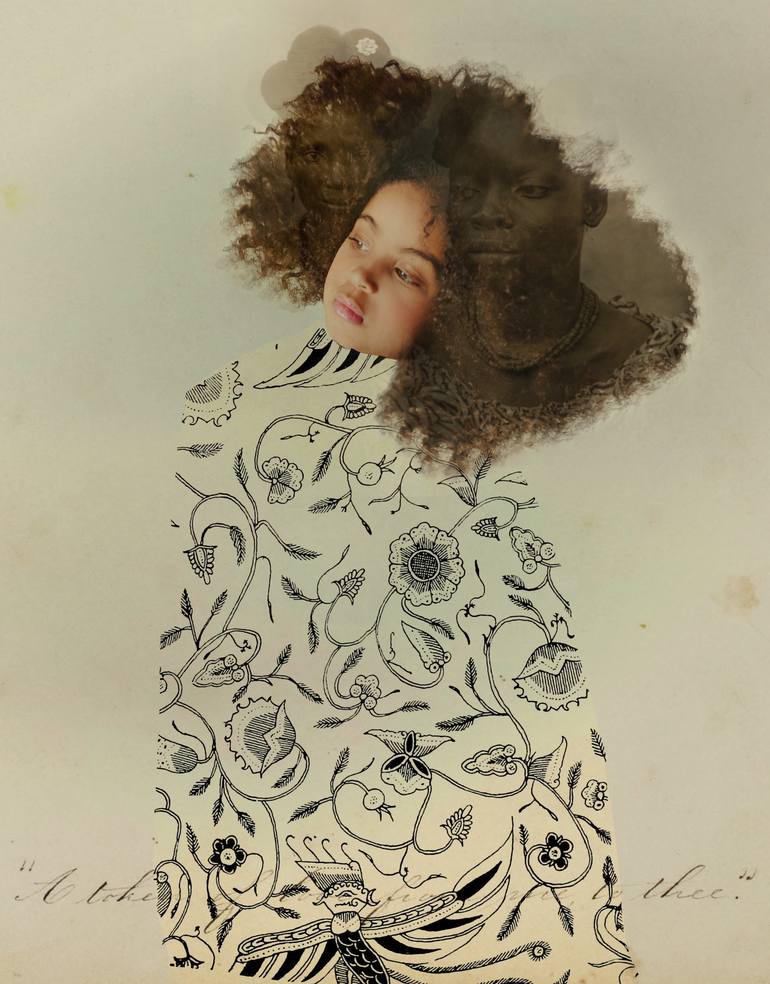
Deeply Embedded / Little One - Limited Edition of 25
Photography, Photo-Manipulation, Montage, Superimposition
Size: 16 H x 20 W x 0.1 in
Deeply Embedded / God - Limited Edition of 25
Photography, Photo-Manipulation, Montage, Superimposition
Size: 16 H x 20 W x 0.1 in
Fundamental: 3, 2016
Photography, Montage
20h x 30w in
Fundamental: 4, 2016
Photography, Montage
20h x 30w in
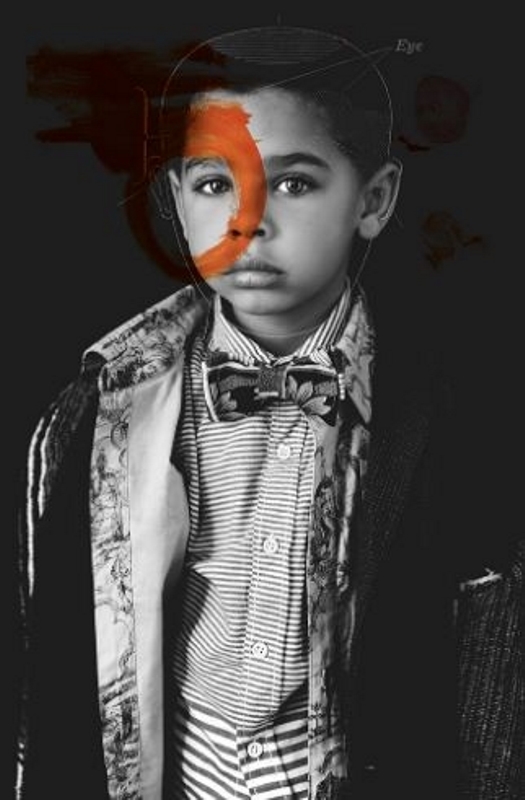
Fundamental / Eye, 2016
Photography, Montage
20h x 30w in
Hayden: Byzantine Contempo Series
24k gold leaf on archival pigment print
44” x 30" (unframed), 58"x 43.5" (framed)
2016
Peace Within: The Awakening Series
24k gold leaf and archival pigment print
36" x 28" (unframed), 43.5"x 33.5" (framed)
2018-2019
The Redemption: The Boy That Changed My Life Honored
24k gold leaf and acrylic paint on archival pigment print
51” x 41” x 4” on Hahnemühle Paper w/ additional 5cm border
2018-2019
Mya: Deeply Embedded
Limited Edition of 25
Photography, Photo-Manipulation, Montage, Superimposition
20"H x 16"W
2016
Tawny Chatmon (b. 1979, Tokyo, Japan) is a photography-based artist residing in Maryland. In 2010, the then commercial photographer’s outlook and relationship with her camera shifted when she began photographing her father’s battle with cancer, consequently documenting the disease unexpectedly taking his life. With her father’s passing, she gradually began to look to her camera less as a device for monetary gain and more as a way for her work to serve a higher vocation.
While the camera remains her primary tool of communication, the self-taught artist takes a multi-layered approach in her process. She does not restrict herself to following any set of rules and does not subscribe exclusively to traditional photography practices. Her photographs are often digitally intensified by exaggerating the hairstyles of her subjects (who are often her children and other family members), lending them the eyes of someone older and wiser, and elongating their form, drawing inspiration from the Byzantine period to signify importance. Thereafter, she typically combines overlappings of digital collage and illustration. After refining and printing, she frequently experiments with various art practices by hand-embellishing with acrylic paint, 24-karat gold leaf, and materials such as paper, semi-precious stones, glass, and other mixed media. In choosing to frame the achieved iconography in golden antique, repurposed, and contemporary baroque frames, the artist composes a touching counter-narrative that is more than just a photograph but a new, meaningful compositional expression.
Chatmon suggests that our life experiences and memories are largely responsible for who one ultimately becomes and that “what we are exposed to, what we are taught, and even the toys we play with as children” contributes immensely to shaping us into adulthood. A Black woman and mother of three Black children, she is motivated by “leaving something important behind” to the world her children will grow up in while creating imagery that celebrates and honors the beauty of Black childhood and familial bonds while at times addressing the absence and exclusion of the Black body in Western art.
Chatmon is among the eight African American artists featured in the 2022 Venice Biennale exhibition The Afro-Futurist Manifesto: Blackness Reimagined, curated by Myrtis Bedolla of Galerie Myrtis. The exhibit explores the theme of Black life on the continuum of its imagined future presented in the Personal Structures art fair.
It is my belief that our memories and experiences are directly responsible for who we become. What we are exposed to, what we read, the toys we play with as children, what we view… I attribute this thought to my desire to make sure I’m sending a clear message (with my work) and that the message I am sending is “saying something” important; because if I believe we are shaped by our memories, as an artist, I must also believe that I too play a small part in shaping and shifting the views of anyone who comes in contact with my work. I did not always think this way but once realized, the thought never left me.
The primary theme that drives my art practice today is celebrating the beauty of black childhood. I am currently devoted to creating portraits that are inspired by artworks spanning various periods in Western Art with the intent of bringing to the forefront faces that were often under-celebrated in this style of work.
My camera remains my primary tool of communication, while my constant exploration of diverse ways of expression moves me to add several different layers using a variety of mediums. After a portrait session is complete, I typically digitally manipulate my subjects and unite them with other components to achieve a work that is a new expression. Often lending to them the eyes of someone their elder and more wise and almost always exaggerating and/or emphasizing their hair and features in a celebratory way. Thereafter, I may superimpose antique patterns and textures, collage vintage botanical and wildlife illustrations, or add hand-drawn digital illustration. If I feel I am not yet complete, after each portrait is refined and printed, I may combine paint and gold leaf adding ornamental elements.. By experimenting with various art practices, I allow myself to follow no set of rules while creating instinctually and fluidly. Each layer serves it’s very own meaningful purpose.
It is my hope that with each theme I explore and with each portrait I create, something vital is etched into the memory of the viewer.
-Tawny Chatmon
The Redemption: Castles
Photography, Photo- Manipulation, 24k gold leaf, Acrylic paint
34.5″ x 42″ Framed
2018/2019
Topic: Discussion concerning issues that govern transferring art collections to family members and donating art to museums and universities. Panelist’s: Alvah T. Beander, Melanin Art Appraisals, LLC • Berrisford Boothe, Principal Curator, Petrucci Family Foundation Collection of African-American Art • J. Larry Frazier, Attorney for Wills, Estates & Probate Law • Myrtis Bedolla, Founding Director, Galerie Myrtis
Alvah T. Beander

Alvah Beander possesses over 30 years of experience as a personal property appraiser specializing in African, African American, and African Diaspora art. Her company, Melanin Art Appraisals has been incorporated since 2002. She has served as an appraiser and consultant for the PBS series, “The Rise and Fall of Jim Crow: Johnnie Lee Gray paintings”; and was selected to appraise the African art gifts to former President George W. Bush and former Secretary of State Condolezza Rice; and served as consultant to the National Museum of African American History and Culture Plan for Action Presidential Commission.
Beander is a frequent lecturer and has presented at such organizations as the International Monetary Fund (IMF), American Society of Appraisers (ASA), The International Society of Appraisers (ISA), Lockheed Martin Corp., The Congressional Black Caucus, The Embassy of Ghana, and The Phillips Collection.
In 2016, Beander became a member of the international appraisal association, Royal Institute of Chartered Surveyors. She is a member of the prestigious ArtTable, Inc. and a lifetime member of the National Black M.B.A. Beander earned her M.B.A. from Marymount University and is an adjunct professor of business management, entrepreneurship and ethics.
Berrisford Boothe

Berrisford Boothe is the former Acting Department Chair of Art, Architecture, and Design at Lehigh University where he teaches beginning and advanced studio practice in drawing, painting and design. Boothe, born in Kingston, Jamaica is a multiple-media artist who has been a visible and well-established presence in the Eastern U.S. art scene for over 20 years. He has carefully crafted a career as painter, digital artist, printmaker, photographer, installation artist, lecturer, and curator.
Boothe has served on the Pennsylvania Council of the Arts and his work is part of collections public and private nationwide and in South America. Berrisford’s career has been presented in Halima Taha’s Collecting African American
Art. He was one of 100 artists nationwide featured in Robert Wuthnow’s book Creative Spirituality: The Way of the Artist. He was in the 2008 seminal exhibition: In Search of the Missing Masters: The Lewis Tanner Moore Collection of African American Art at The Woodmere Art Museum in Philadelphia, PA. His work has been featured in exhibitions at The Allentown Art Museum, The Fabric Workshop and Museum, Philadelphia, PA, The African American Museum, Philadelphia, PA and The William Benton Museum of Art. Professor Boothe has initiated and taught courses on African-American art and aesthetics from pre-colonial Africa to Contemporary America as part of Lehigh’s Africana Studies program.
In 2004–2005 while on sabbatical in Cambridge, England, he was a member of St. Barnabas Print studios. There, he produced new work with director James Hill and exhibited as a painter, photographer, and printmaker. In Cambridge, he also collaborated with master printmaker Kip Gresham at Gresham’s renowned Print Studio. The editioned prints completed there became part of collections at The Fitzwilliam Museum and The Kasser Foundation of Montclair, N.J. In addition, he was artist-in-residence at The London Print Studio where he continues a collaborative project with director John Philips.
J. Larry Frazier

Larry Frazier possesses over 22 years of experience as an attorney specializing in estate planning, trust and will contest litigation, probate and art collection planning. He started his practice in 1995 after working for the federal government and a small firm. He taught Trusts, Estates and Administration for five years at the USDA Graduate School and has been featured in Black Enterprise Magazines on succession planning for small businesses.
Frazier has presented on estate planning in numerous forms and been a regular panelist for the Estates, Trusts, and Probate Section of the DC Bar where he has been recognized as “Lawyer of The Year.”
Frazier is a member of the District of Columbia and North Carolina Bars. He is also a member of the National Bar Association, Washington Bar Association, and the District of Columbia Estate Planning Council. He is a graduate of Columbia College and Georgetown University Law Center. He is the co-trustee of the Lois Mailou Jones Pierre-Noel Trust, and the chair of the advisory board of the Smithsonian Anacostia Community Museum.
Myrtis Bedolla

Myrtis Bedolla is founding director of Galerie Myrtis, a contemporary fine art gallery and art advisory located in Baltimore, Maryland. She possesses over 30 years of experience as an advisor to individual collectors, and public and private institutions in the acquisition and sale of fine art; and provides professional curatorial services, lectures and educational programming to corporate, civic and arts organizations.
Galerie Myrtis was voted, Best Gallery by the Baltimore Sun in 2017. Bedolla has been featured in BMORE Art magazine, Issue 3, Living with Art: Myrtis Bedolla Builds a Home and Gallery in Old Goucher and in the Baltimore Style Magazine,
October 2013 issue Women in the Arts which honored women at the helm of the Baltimore art scene.
Bedolla is the recipient of the Foreign Language and Area Studies (FLAS) Fellowship, African Language Institute, Shona Language and Culture, from Michigan State University; holds a Bachelor of Science degree in Business Administration from the University of Maryland, University College, and received her curatorial training at the Maryland Institute College of Art in Baltimore, Maryland, and earned an on-line certificate in Cultural Theory for Curators from the Node Center for Curatorial Studies, Berlin, Germany.
Appointed board memberships include: the Association of African American Museums, Washington, D.C.; Art Advisory Board, University of Maryland University College, College Park Maryland; Board of Directors for the Smith Center for Healing and the Arts, Washington, D.C. Bedolla is a member of ArtTable: a national organization for professional women in the visual arts.
Photograph courtesy Stephen Spartana
photography.spartana.com

Art of the Collectors VI explores the role of the collector in preserving culture and building legacy through art collecting and giving. Featured are works created by prominent and lesser known artists, along with African art. Offerings include a rare drawing by John Biggers, paintings, original prints, and sculptures held in private hands for generations, and important works of art from institution holdings.
Tea with Myrtis – Panel Discussion Topic: Discussion concerning issues that govern transferring art collections to family members and donating art to museums and universities. Panelist’s: Alvah T. Beander, Melanin Art Appraisals, LLC • Berrisford Boothe, Principal Curator, Petrucci Family Foundation Collection of African-American Art • J. Larry Frazier, Attorney for Wills, Estates & Probate Law • Myrtis Bedolla, Founding Director, Galerie Myrtis watch panel discussion
Artwork
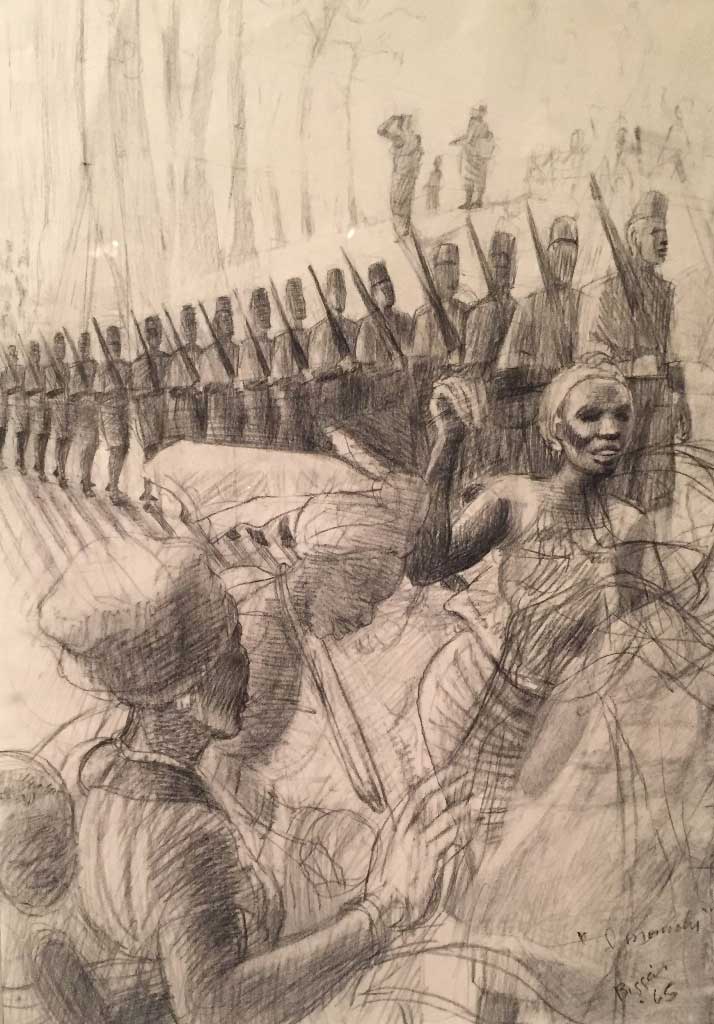
John Biggers, I Momolu, Conte on paper, 1965, 19"H x 14"W, $6,000 Reserve (price subject to verification), Bell-Reid Collection
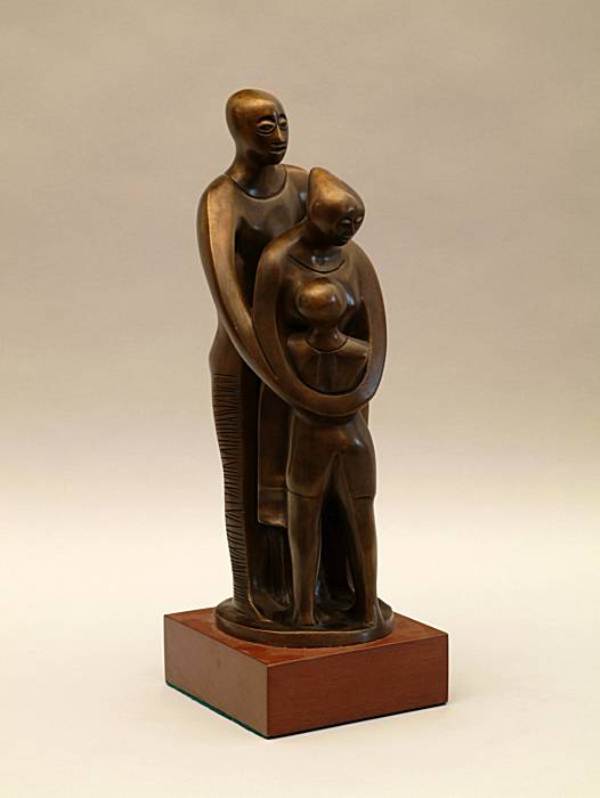
Elizabeth Catlett, The Family, Bronze on Wood, Sculpture: 15” Wooden base:
h. 2” x 5 ½” x 5”, (contact gallery for pricing), 2002, Kansas African American Museum
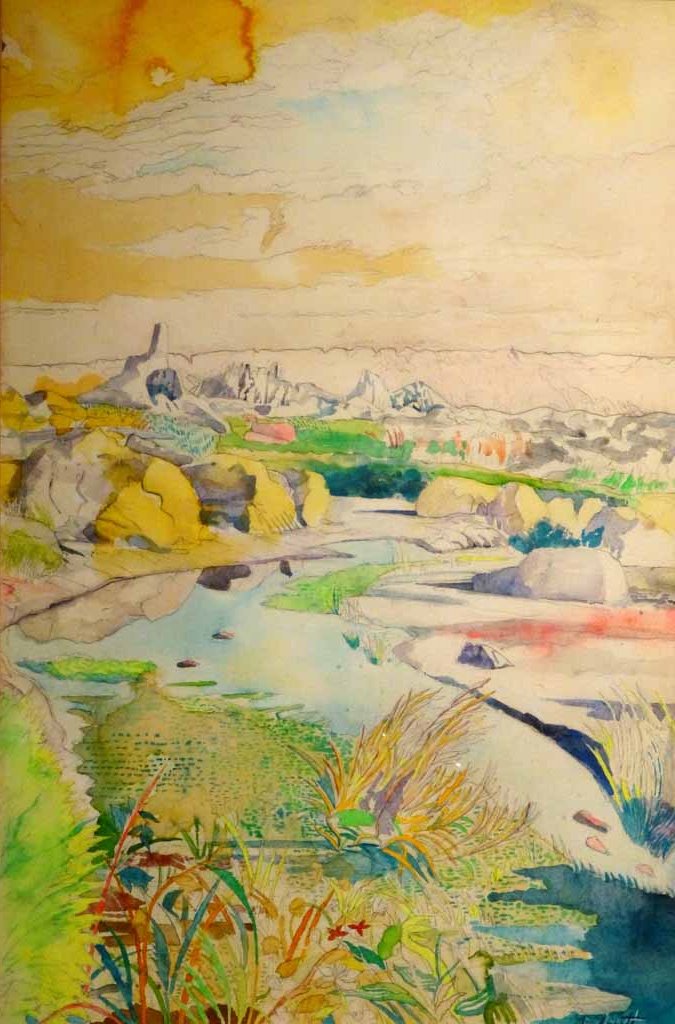
Louis Delsarte, Heaven's Gate, Watercolor and acrylic on paper, 1968, 36"H x 26"W (framed), $2,700.00 (price subject to verification), Davis Collection
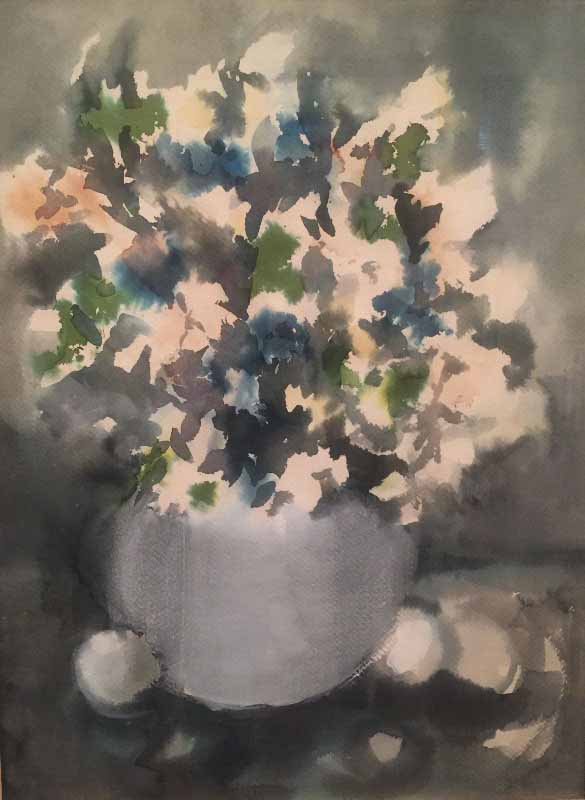
Adolphus Ealey, Untitled (Floral - Still Life), Watercolor on paper, N.D., 31"H x 24 1/2"W (framed), $5,000, (price subject to verification), Evanson Collection gift from Adolphus Ealey, Barnett/Aden Gallery
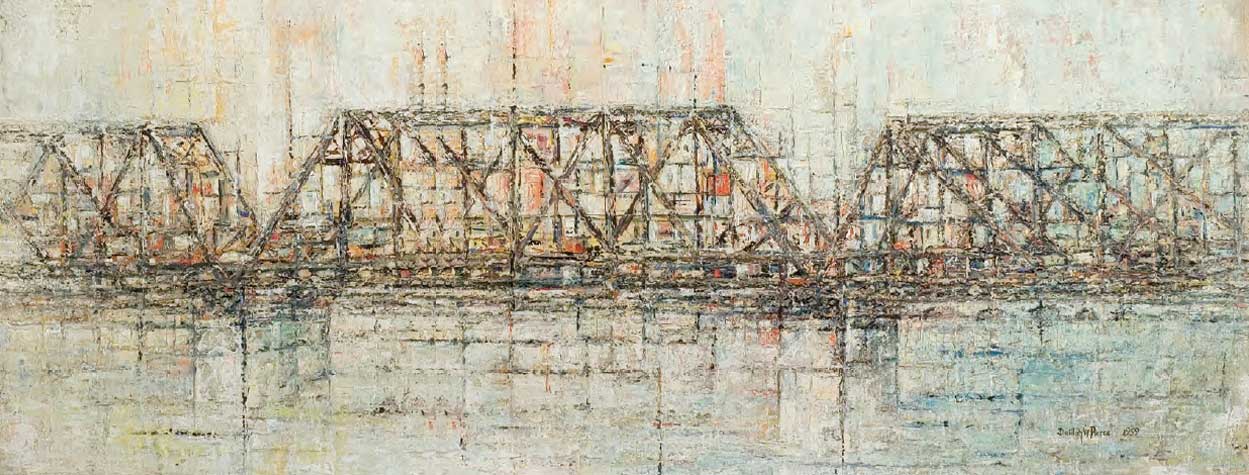
Delilah Pierce, Long Bridge – D.C. and Virginia, Oil on Masonite, 18 ¾” x 48” framed, $12,000, (price subject to verification), Spence Collection
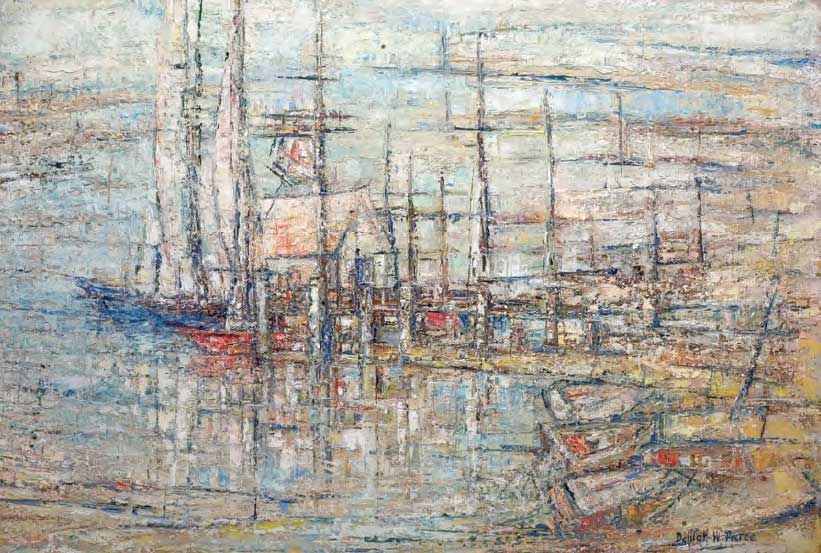
Delilah Pierce, Vineyard Haven Harbor Massachusetts, Acrylic on Board, 23 ½” x 20” framed, $8950, (price subject to verification), 1957, Spence Collection
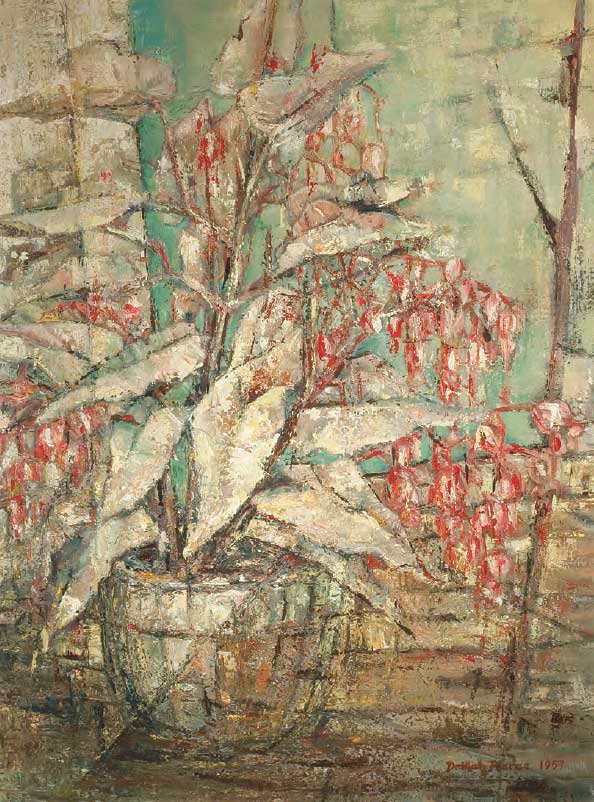
Delilah Pierce, Untitled (flower pot), Acrylic on Board 24” x 20” framed, $7000, (price subject to verification), 1957, Spence Collection
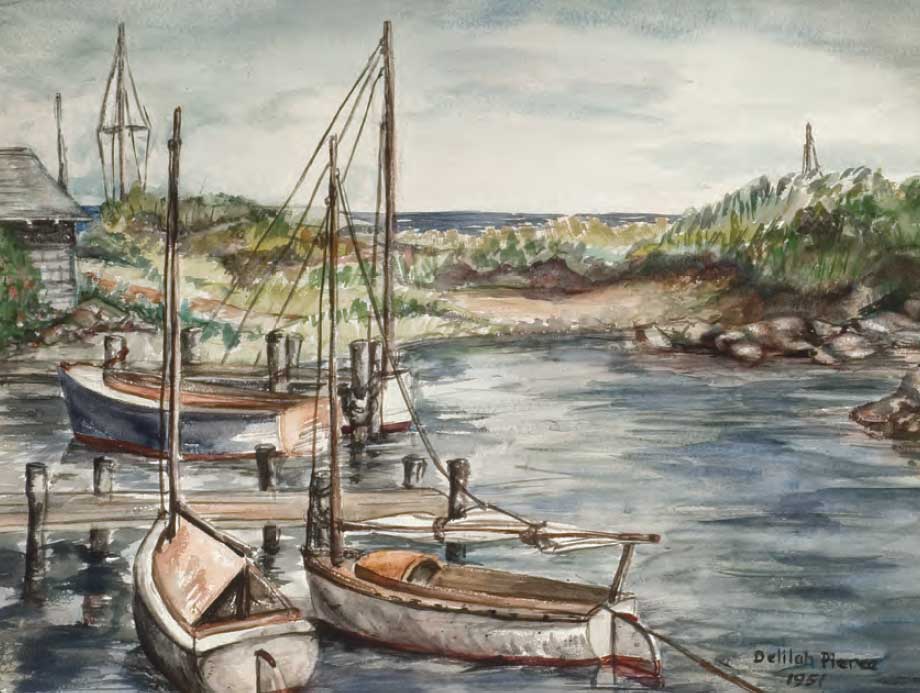
Delilah Pierce, Untitled (Sailboats and a Lighthouse), Watercolor on paper 16” x 20 ¾” framed, $3500, (price subject to verification), 1951, Spence Collection
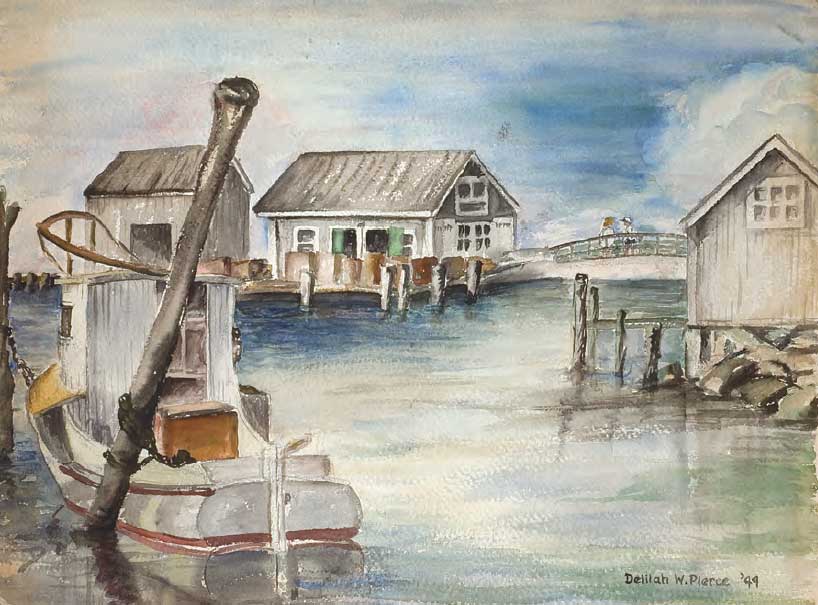
Delilah Pierce, Untitled (fishing boat) Watercolor on paper, 16” x 20 ¾” framed, $3500, (price subject to verification), 1949, Spence Collection
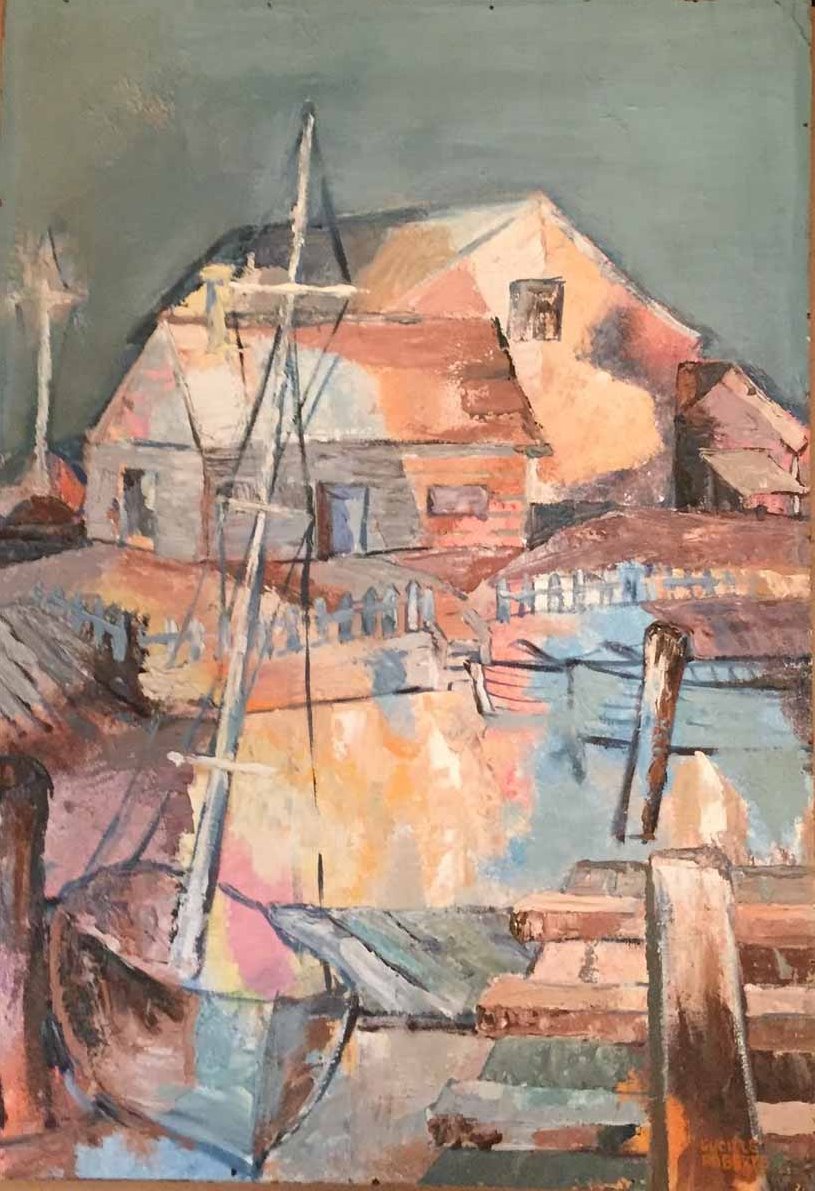
Lucille Malkia Roberts, Wharf Maine Ave, Oil on Masonite Board, 32.5 x 23 in. n/d, $3500, (price subject to verification), Brooks Estate
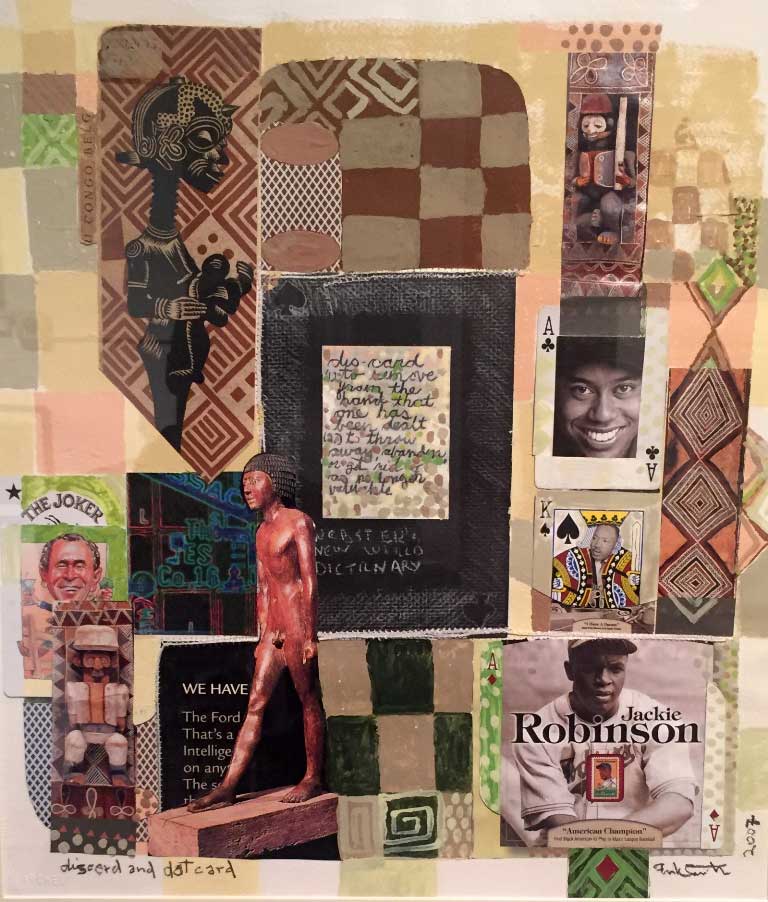
Frank Smith, Discard and Dat Card- Race Card Series, Mixed media collage on paper 2007, 27.5"H x 23.5"W, $3,000.00, (price subject to verification), Ford Collection
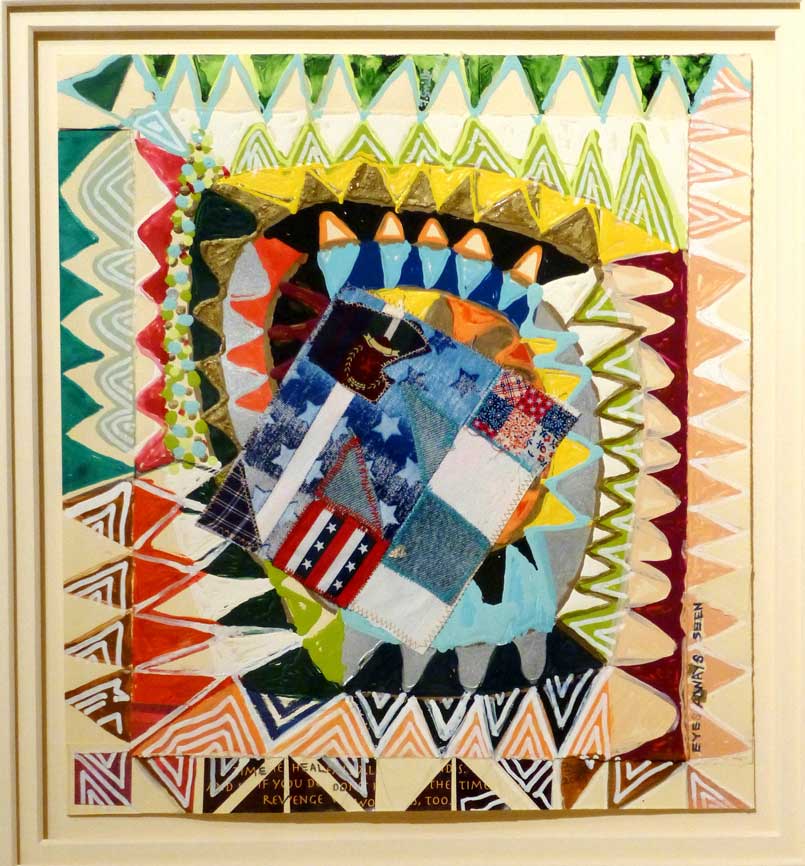
Frank Smith, Eyes Always Seen, Mixed media, 2009, 16"H x 17"W, $2,900.00, (price subject to verification), Harris Collection
Benny Andrews, Glider, Lithograph, 1991, 116 of 275, 35 1/2"H x 27 1/2"W (framed), $1,500.00 (price subject to verification), Smith Collection
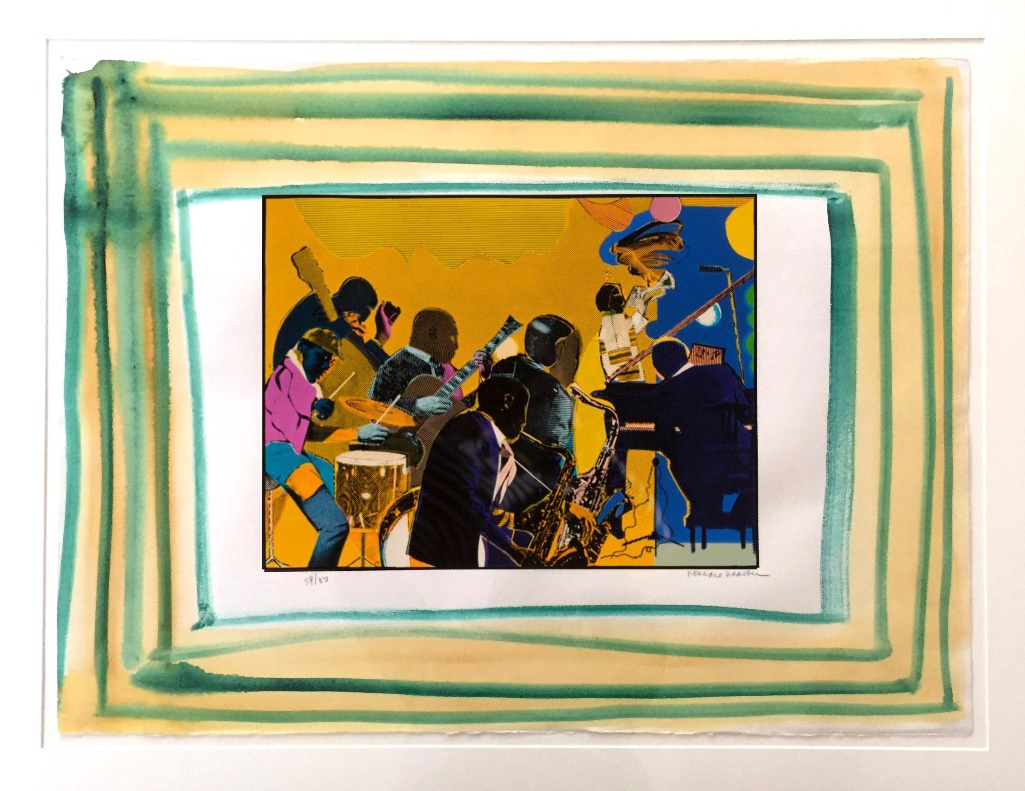
Out Chorus, ed. 59/60, 1979-80, Romare Bearden (1911–1988), Serigraph with Hand-Colored border, 22”x29 ¾” framed, $10,000.00 (price subject to verification),
Bell-Reid Collection
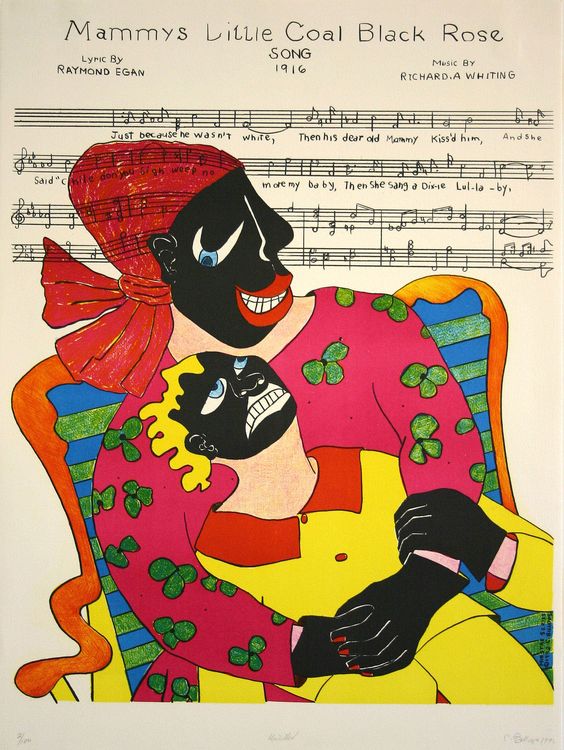
Camille Billops, Untitled (Mammy's little Coal Black Rose series), Lithograph, 6/100, 36” x 27” framed, $1500 (price subject to verification), 1992, Smith Collection
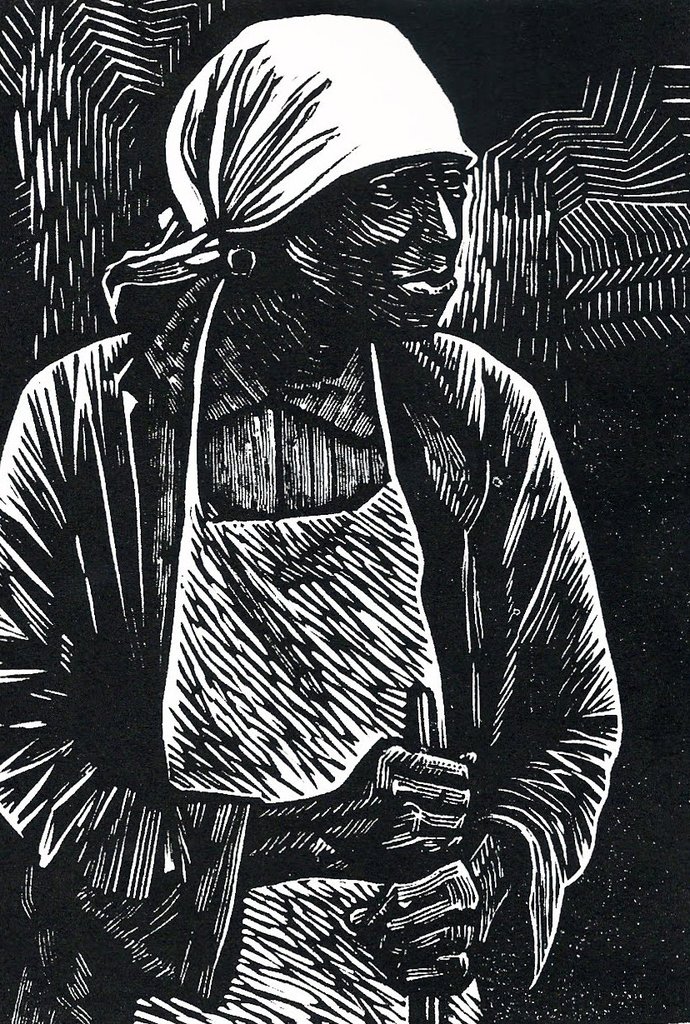
Elizabeth Catlett, Survivor, Linocut, 830/1000, 20” x 17” framed, $2000 ( price subject to verification), 1983, Harris Collection
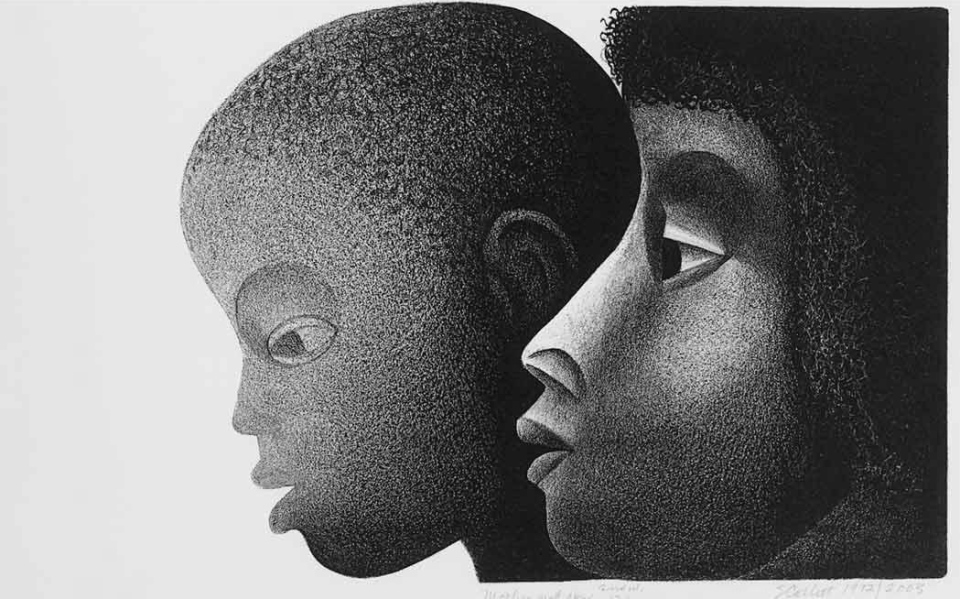
Elizabeth Catlett, Mother and Son, Offset lithograph, EE 66/100, 11.5 x 15.5 in. framed, $1500 (price subject to verification), 1971, Jordan Collection
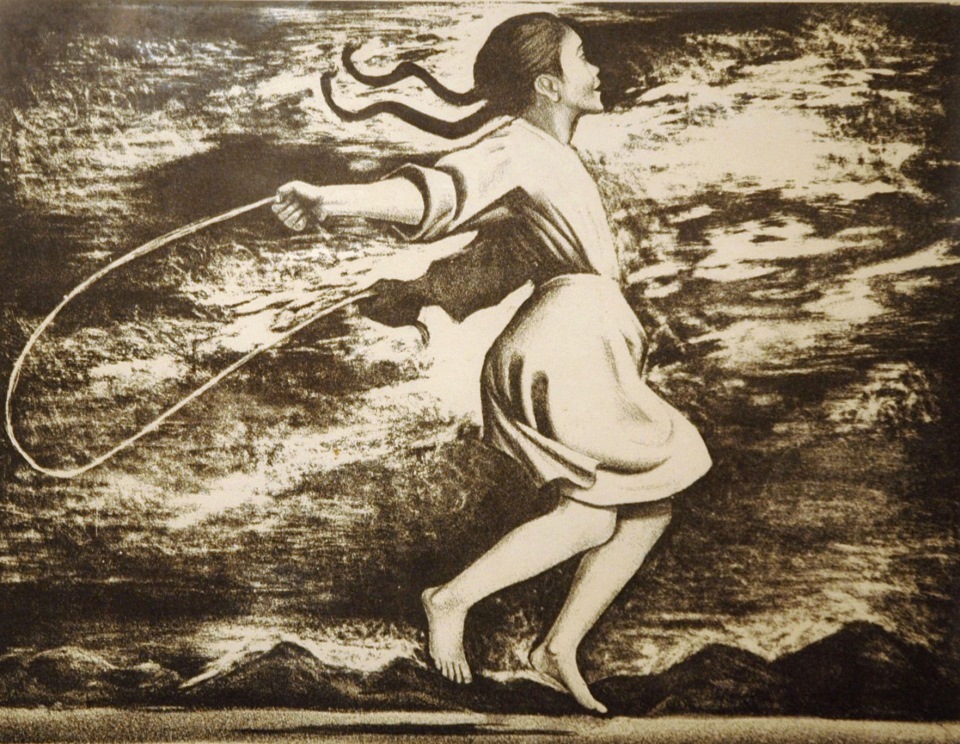
Elizabeth Catlett, Girl Jumping Rope, Lithograph, EE 66/100, 13.75 x 19.25 in. (framed), $2500 (price subject to verification), 1958, Jordan Collection
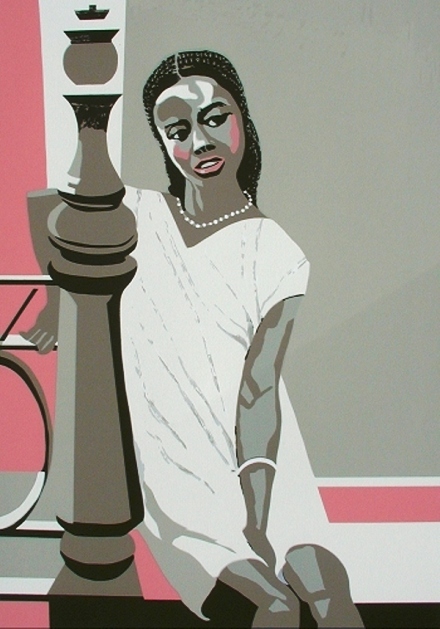
Ernest Crichlow, Stone Princess, request viewing, Screenprint, 1982, 64 of 100 30"H x 20"W (unframed), $3,000.00 (price subject to verification), Derby Collection
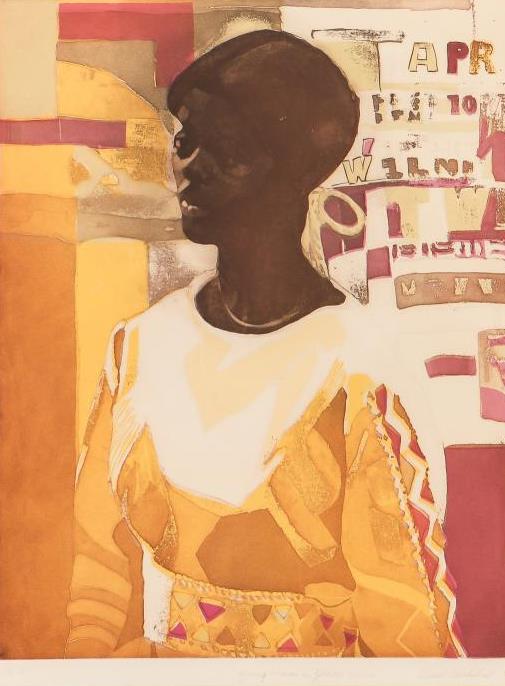
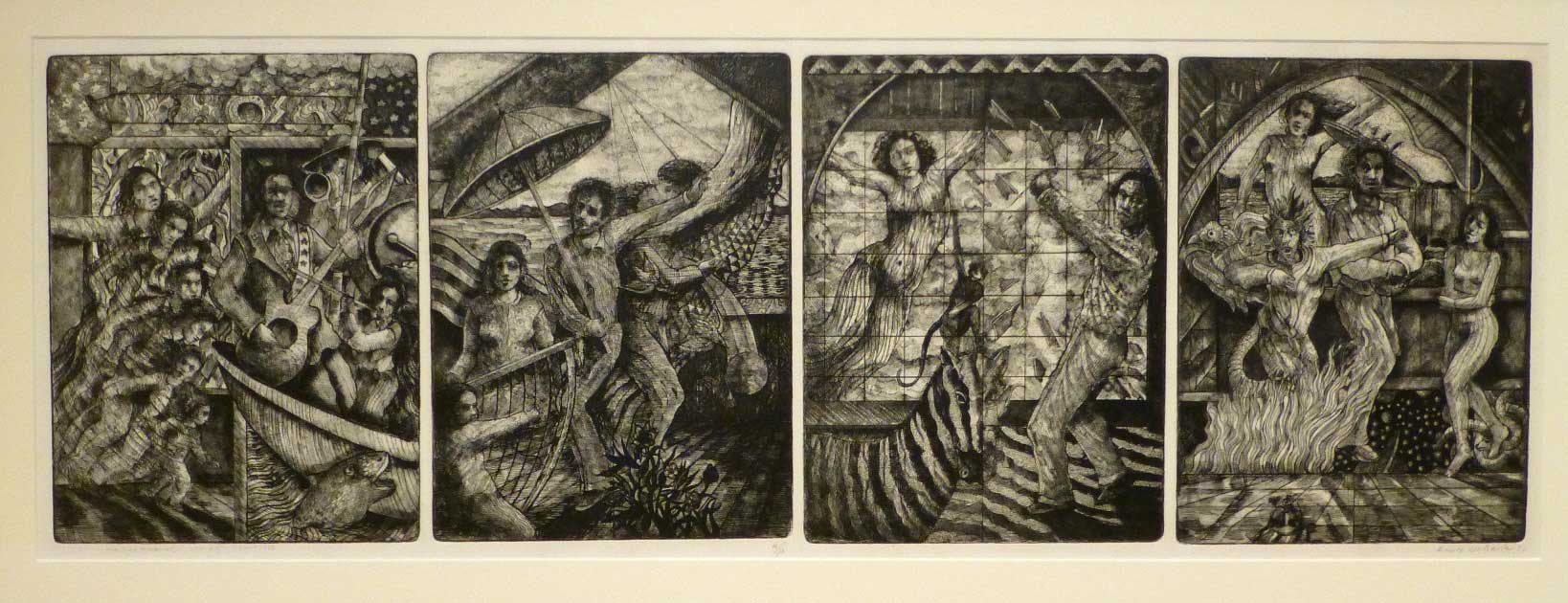
Ernest Crichlow, Lady in Yellow Color, etching and aquatint, 47/100, 21.75 x 16.75 in. unframed, $3,500 (price subject to verification)1982, Derby Collection
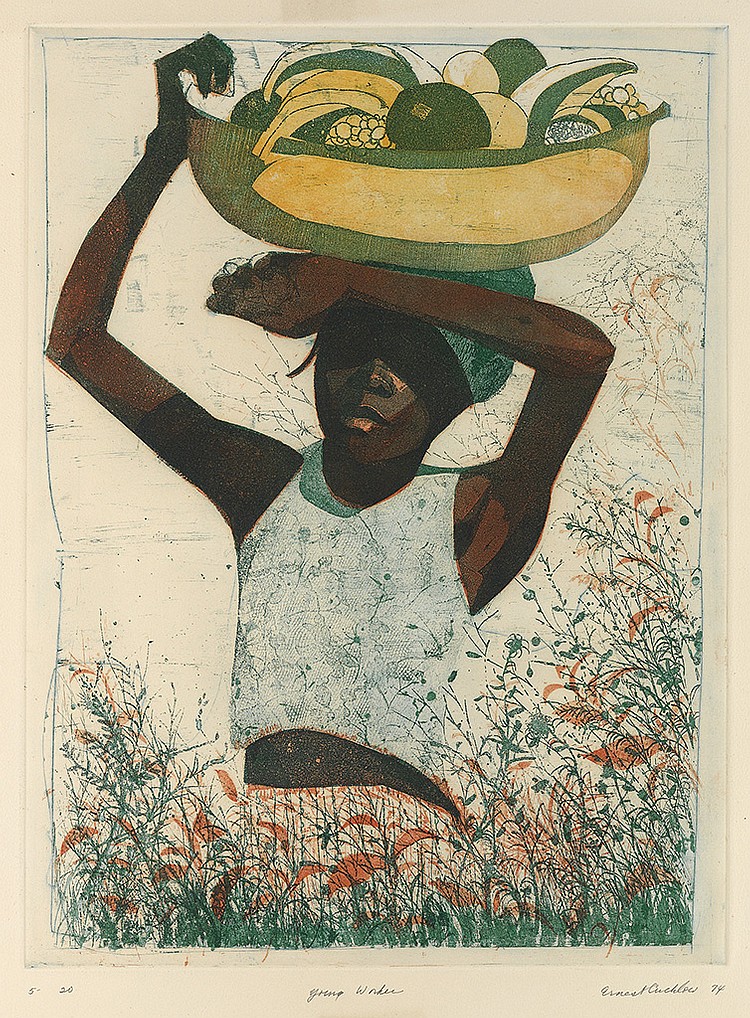
Ernest Crichlow, Young Worker, Color Etching and Aquatint, 9/20, 23 7/8” x 17 ¾” unframed, $4,500 (price subject to verification)1974, Bell-Reid Collection
Louis Delsarte, Enlightenment, Lithograph, A/P, 17 x 41 in. framed, 1976, $1850 (price subject to verification), Davis Collection
Ray George, Untitled, Offset Lithograph 1991, 8 of 80, 33 1/2”H x 25 ½”W, $950.00 (price subject to verification), Smith Collection
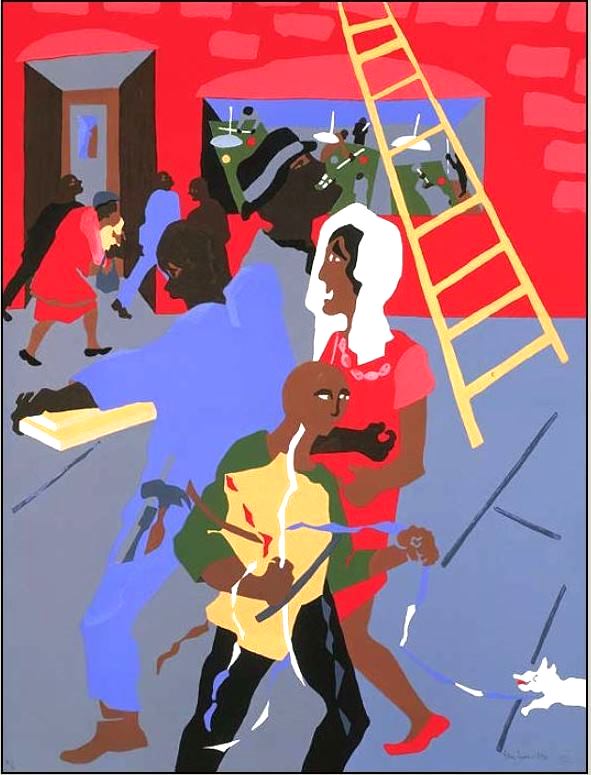
On the Way, 1990, Jacob Lawrence (1917-2000), Lithograph, 40”x29 ½” framed, $4900 (price subject to verification), Bell-Reid Collection
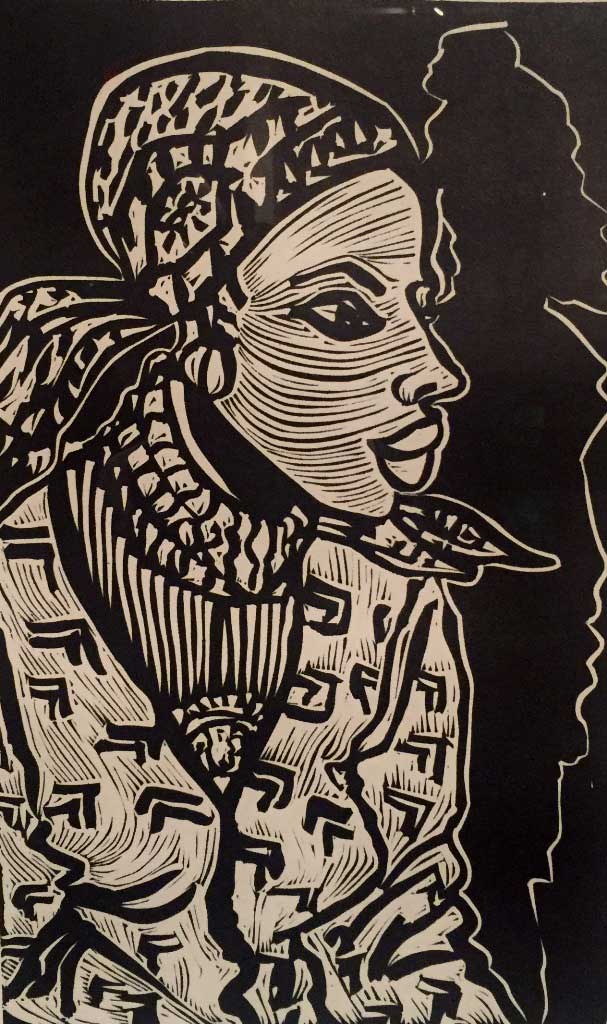
Valerie Maynard, Fulani Lady, Linocut, unknown A/P, 30 1/4"H x 23"W, $2,000.00 (price subject to verification), Lynch Collection
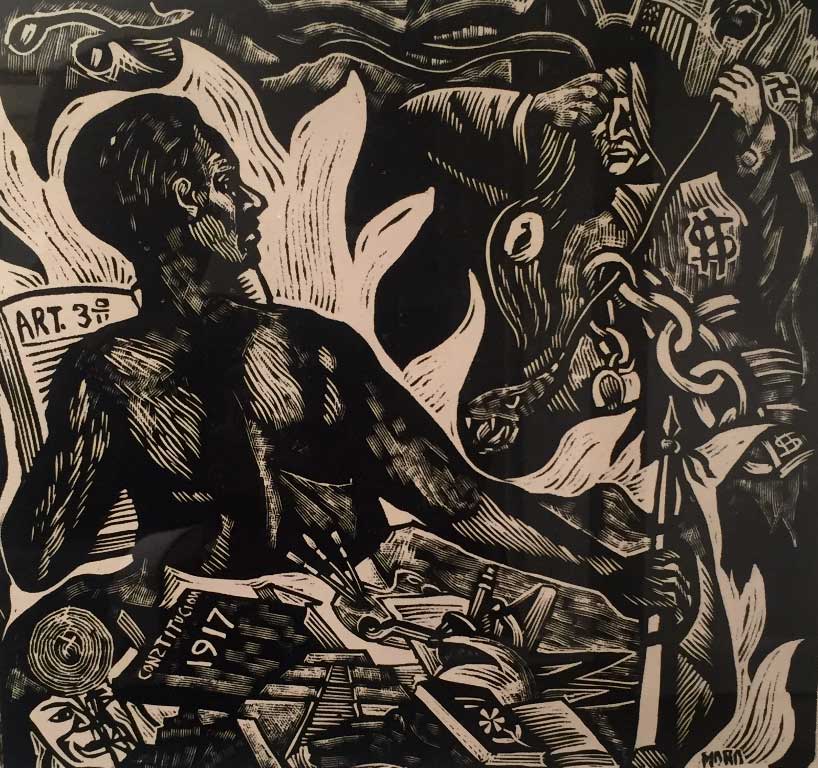
Francisco Mora, (Husband of Elizabeth Catlett), Untitled, Linocut, ca. 1940-50's, 16 1/2"H x 16 1/2"W (framed), $550.00 (price subject to verification), Lynch Collection
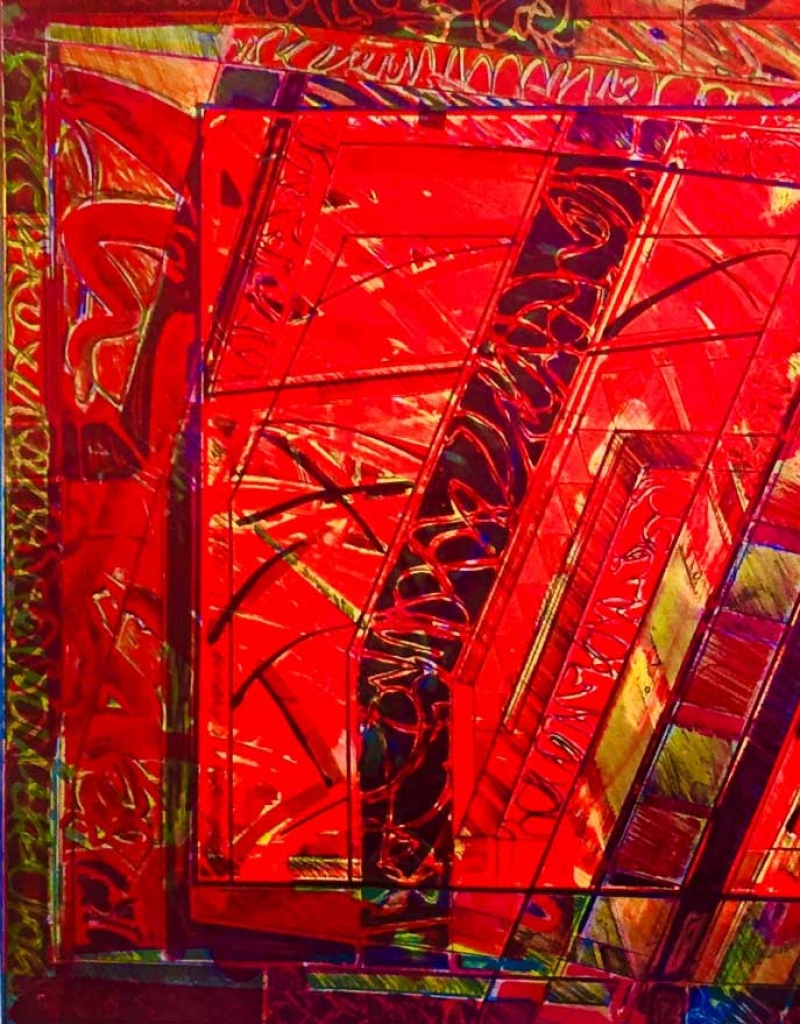
Stephanie Pogue, Caught in the Wind, Color viscosity etching, 5/50, 34 ½” H x 27 ½”W (framed), $850.00 (price subject to verification), 1978, Pogue Collection
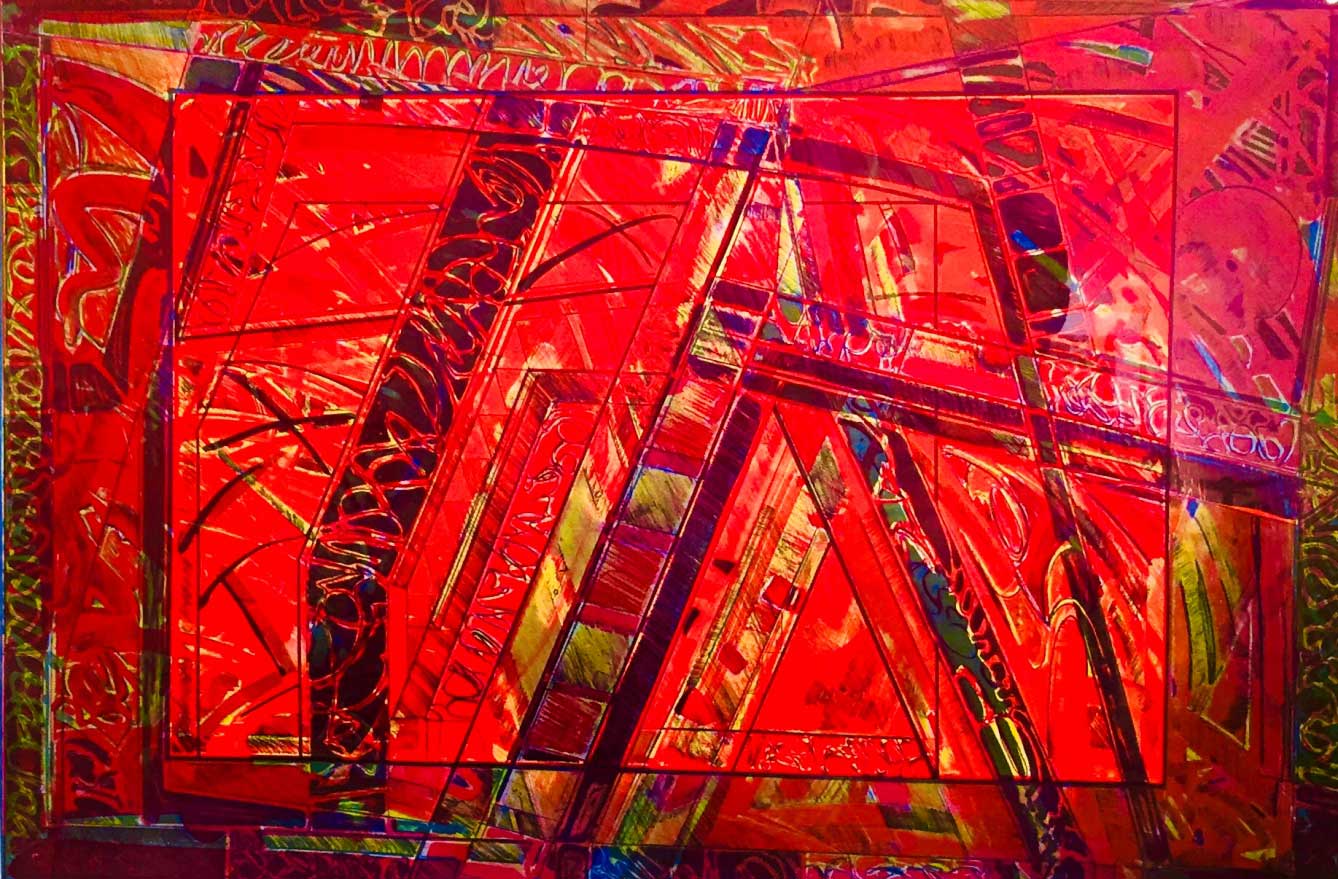
Stephanie Pogue, Paris Skylight Color, viscosity and collagraph, 33 1/4"H x 40 1/2"W (framed), $950.00 (price subject to verification), 1984, Pogue Collection
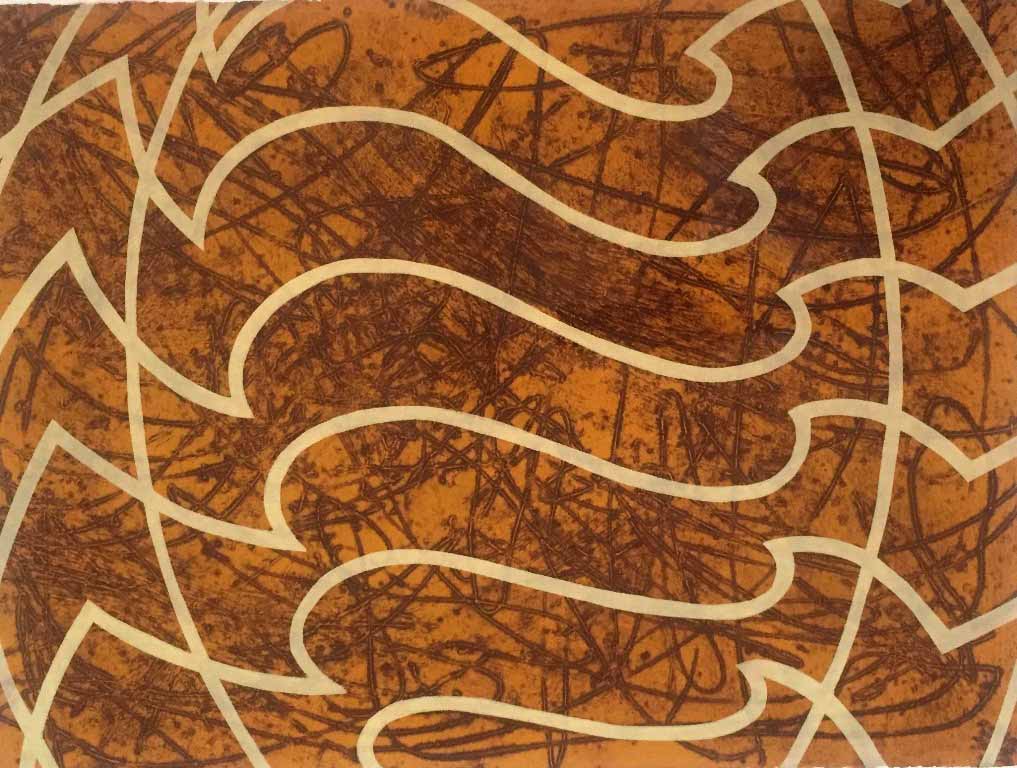
Stephanie Pogue, Chameleon, Color viscosity etching, 1987, A/P 31"H x 25"W (framed), $950 (price subject to verification), Pogue Collection
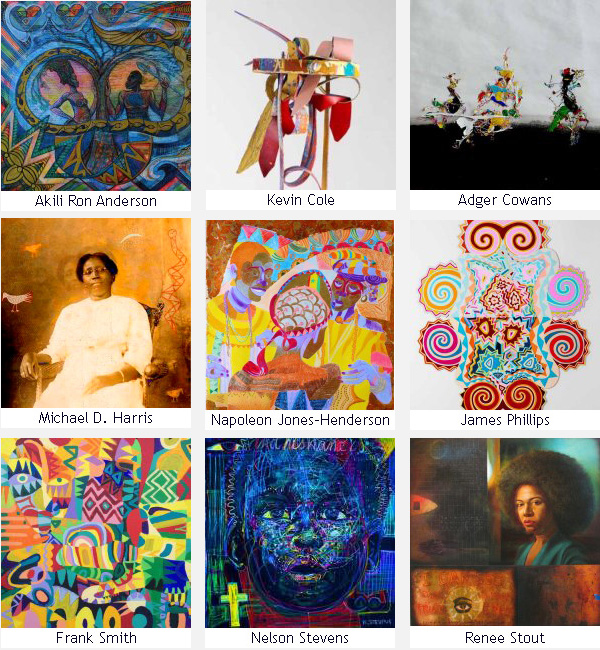
Featured Artists (year of membership)
Akili Ron Anderson (1979), Kevin Cole (2003), Adger Cowans (1978), Michael D. Harris (1979), Napoleon Jones-Henderson (founding member, 1968), James Phillips (1973), Frank Smith (1973), Nelson Stevens (founding member, 1968), and Renee Stout (2017)
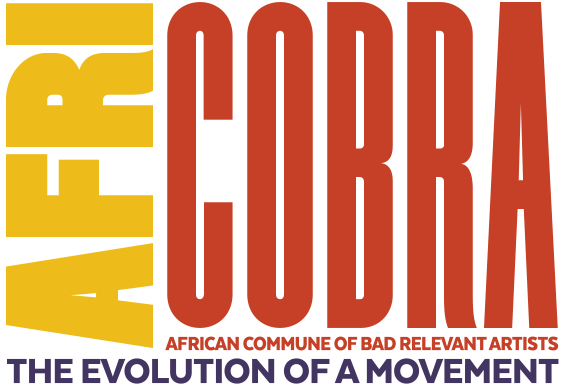
Galerie Myrtis Fine Art presents AfriCOBRA: The Evolution of a Movement in celebration of the 50th anniversary of the coalition of black revolutionary artists whose aesthetic emerged from activism and a commitment to rail against racism through positive, powerful and uplifting imagery.
AfriCOBRA (African Commune for Bad Relevant Artists) was inspired by the Black Arts Movement, to expand the canon by creating artwork that speaks to the concerns of black people. In exploring the evolution of their creativity, this exhibition features paintings, photographs, prints, and three-dimensional forms created from 1979 to 2018, by the group’s earliest to its latest members.

Birthed during the height of the Civil Rights Movement, AfriCOBRA shaped a radical black aesthetic that asserted black empowerment, self-determination, and unity among African Diasporic people. The artists’ collective was conceived in 1968, on the South Side of Chicago, by founding members, Jeff Donaldson (1932-2004), Wadsworth Jarrell (b. 1929) and Gerald Williams (b. 1941) who formed the nucleus of the group. As socially and politically conscious artists, they sought to counter white supremacist representations with positive black imagery, presented symbolically and rhythmically to uplift the soul of a nation.
Drawing from the tenets of the Black Power Movement, and the philosophical concepts and aesthetic principals of AfriCOBRA—works emerging from the collective captured the ethos of the black community. Through their imagery, rendered in a palette of “Kool-aid” colors, developed a black iconography rooted in African ancestry and black pride; and a lexicon, as in the term “mimesis at midpoint” to describe their artistic approach. These expressions, couched in idioms, such as, “the rich lustre of a just-washed ‘Fro” formed a vernacular that defines cultural nuances of the black experience. Myrtis Bedolla, Curator
Architectural Digest, June, 2020
Young Black Artists Speak About the Role of Art in This Moment by Nick Mafi
Groundbreaking artists such as Njideka Akunyili Crosby and Jammie Holmes and [Wesley Clark] discuss their work in the context of 2020, and what power art has to lead us toward a better tomorrow.full article
CULTUREVOLT, June, 2020
A Conversation with Wesley Clark, an American artist speaking on issues faced by Black people in America
I guess I’d consider myself on the latter end of emerging. Honestly, it’s not something I think about, though. I’ve never had the best interpretation of the various stages, but in my mind I probably feel like I’m forever emerging. full article
Baltimore Sun, July 3, 2017
A Hot Summer Exhibit at C. Grimaldis Gallery by Tim Smith
The powerful statements start right inside the doorway of the gallery’s main floor, where Wesley Clark’s “My Big Black America,” presented in cooperation with Galerie Myrtis, occupies 10-by-16 feet of wall space.full article
Nashville Arts Magazine, June 2017
In Wesley Clark’s solo exhibition he creates wonders that could be found in a fantastical library. Employing narrative devices such as foreshadowing, looking back, and mixing chronology, he casts light onto ideas shaping the past, present, and future full article
BMORE Art, June, 2016
Seeing Through the Lens of Black America by Angela Carroll
Wesley Clark, Larry Cook, Linda Day Clark, Oletha DeVane, Nehemiah Dixon III, Susan Goldman, Curlee Holton, Wayson R Jones, Jeffrey Kent, Wendel Patrick, Jamea Richmond-Edwards, and Stephen Towns each contribute critical, timeless inquiries which focalize the unsettling realities of black American experiences.full article
Factualism, 2017These three works, The God Seed, Factualism, and Dark Matter represent a subtle shift in my practice. I’ve shifted away from the struggles, both historical and present, of Black Americans, to their beauty and greatness – an aspect of our people given less prominence than deserved. I feel it’s important to be unapologetic prideful in who you are. This something Black people in America have not been encouraged to do, when seemingly at every turn there’s a force aimed at silencing and oppressing that spirit of pride.
I chose to use the human heart painted Black as a means of representing the Black body. The heart being the core of the body, the drum whose rhythm keeps us moving while Black Americans are the cultural, spiritual, and biological vanguard. The God Seed depicts the biological, giving us a black heart as the nucleus with golden barbed wire as electrons. This speaks to the origins of civilization as we know it; with all roots leading to Africa. While science has proven every human carries DNA strands of the Black woman, we know it takes two to populate – making the Black woman and man the Mother and Father of civilizations. (It would almost seem the Black man is intentionally left out of the equation).
Dark Matter takes us to the astrological tying in cultural and spiritual ties. In science dark Matter is both theoretical, and invisible as it does not reflect light, yet helps to explain things like gravitational forces. These invisible forces I place correlation to that of “soul” – the style and movements of Black men in particular. From the music we’ve created, to how we style our clothing, to the way we strut down a sidewalk, our soul is magnetic. It is an attracting force people worldwide gravitate toward with hopes to bask in the feeling and replicate for themselves. This desire to be entangled in our soulfulness I interpret almost as a form of worship. Dark Matter is presented to the viewer as a salvaged relic-like object—broken and missing pieces yet preserved and placed on display for all to see. The rusted and broken hinges give the sense that this three-part panel was once connected, possibly unfolding from the center, offering a visual presence reminiscent of alters in catholic churches.
Factualism is simply a meditation on whom and what Black men truly are. It is meant as the antithesis of what pop culture and the news m/entertainment media present us as. It’s an exercise in defining oneself and taking hold of one’s own agency. It’s the presentation of another set of facts not often put on display. The words and ideas are given to the viewer in the form of a crossword puzzle to help think about how these ideas intersect and build off one another, giving viewers a new set of images to aid contextualizing their thoughts on Black men.
Larry Cook
Face Off 1, 2014Face-Off (I and II) explores the notion of selfhood embedded in black male identity. Each image uses light and shadow as a metaphor for the black male psyche and its many contrasting elements. The self-reflective arrangement of the figure promotes the viewer to re-examine standards of portrait photography. The subjects represent not only themselves, but also the ideological beliefs and cultural exteriors within manhood, which can unite or divide our community.
Do For Self and The Call pay homage to black liberation philosophies that arose out of organizations such as the Nation of Islam and the Moorish Science Temple. Each work references a sector of Black trade and industry that is a part of our cultural memory. In Do For Self, oil based colognes signify vendor customs established within the black community. In The Call, a reproduction of the Nation of Islam’s weekly The Final Call observes that recordings of personal histories within black community can equate to economic independence, self-worth, and empowerment.
Johnnie Lee Gray
Separate But Equal, NDIn “The Revolution” series Johnnie Lee Gray depicts “the brutality that protesters experienced during the large-scale marches in the South, when marchers were beaten, maimed and killed by armed police and attack dogs. In this before-and-after series, the artist shows a fictional street corner in an urban Southern neighborhood and alludes to the outcome as no more than an “illusion of equality,” since “Bubba,” a euphemism for “the white man,” still owns all the property.”
“Johnnie Lee Gray’s Paintings in the Context of Jim Crow” Book title: Rising Above Jim Crow: The Paintings of Johnnie Lee Gray. Published by New York Life. Excerpt from essay written by Gwen Everett, PH.D.
Arvie Smith
Push Back, 2017“Change the Joke and Slip the Yoke”, Ralph Ellison
The exhibition Black Man in a Black World couldn’t be more timely, when demonstrations of bigotry and hate are assigned the moral equivalency of people fighting for human dignity, equality and justice for all members of the human family. African Americans and all marginalized people need to be heard, recorded and acknowledged for what they have endured, for their significance, and for their strength. Through my paintings I consider historical and contemporary truths attempting to reveal the dignity, endurance, and genius of African Americans hoping to evoke dialogue and reflection on implicit bias and resulting perpetrated injustices committed towards people of color in this country.
In this body of work, it is my intent to “flip” the role of the Black Man from the degradation of subservience to the triumphant role of hero using images traditionally assigned to white males.
The Fighter exemplifies the Black Man’s clash against oppression, degradation and exploitation. The daily assaults and dog whistle status reminders requires nothing less than emotional resistance, determination and resilience.
Minstrel’s Guide this black harlequin harks back to the 1500s as he moves into the viewer’s space to then morph into the minstrel of the 1800-1900s. Minstrels were derogatory characterizations, created by the dominant culture as entertainment to ridicule blacks after the Civil War.
Sampson Brings Down the House recalls the biblical image of a white curly locked Sampson tearing down the temple. Here it is flipped, showing a Black Sampson tearing down the house of injustice. It is my intent to show the strength and prowess of the Black Man in overcoming enormous odds.
Push Back depicts the strong Black male pushing back against racism, bigotry, hatred, inequities, prejudice, discrimination, white supremacy, etc., etc…..
Strange Tale is based on the mythology of Europa and Jupiter, here used to represent the “peculiar institution” of slavery and its aftermath.
The work Sampson and the Lion is based on the biblical story of Sampson slaying the lion that roared against him, flipped here to show a strong Black Sampson combating oppression.
Eric Telfort
Crackers and the Eucharist, 2013Eric Telfort creates work exploring the concept of simulation-based creativity in poverty. Crackers and the Eucharist is a satirical take on his Catholic childhood experience.
Growing up we feared for our lives. Dropping the wafers or chewing too fast would result in going to hell, so we would impersonate Jesus distributing the holy wafers, to practice receiving the Eucharist correctly. Ritz crackers were usually the practice food of choice to simulate the daunting experience, not to mention they were addictive. Since Jesus was white, according to Catholic imagery, a shirt was always used as a wig to help sell the idea of flowing hair.