Exhibitions

Black Man in a Black World – Music

Black Man in a Black World

September 2 – November 18, 2017

artwork | artists’ talk | the artist’s | film | music | press

Music Playlist

Track Listing

  1. The Revolution Will Not Be Televised, Gil Scott-Heron
  2. Black Man, Stevie Wonder
  3. On My Way to Harlem, Gregory Porter
  4. Red, Black and Green, Roy Ayers
  5. Black America Again, Common
  6. Malcolm X, Philip Cohran & The Artistic Heritage Ensemble
  7. Invisible, Courtney Pine
  8. Infinite Possibilities, Amel Larrieux
  9. Rule The World, Michael Kiwanuka
  10. Desert Fairy Princess, Horace Tapscott with the Pan Afrikan Peoples Arkestra
  11. Page From The Journal, Chico DeBarge
  12. I’m Dying Of Thirst, Robert Glasper
  13. Tell Me A Bedtime Story, Herbie Hancock
  14. African Rhythms, Oneness Of Juju
  15. Freedom, Charles Mingus
  16. Peace Go With You Brother, Gil Scott-Heron
  17. Mortal Man, Kendrick Lamar

Myrtis Bedolla, Curator; Khadija Nia Adell, Co-curator; Alexander Hyman and Sterling Warren, Curators of Film & Music.

Exhibition Video

Black Man in a Black World – Film

Black Man in a Black World

September 2 – November 18, 2017

artwork | artists’ talk | the artist’s | film | music | press

Films

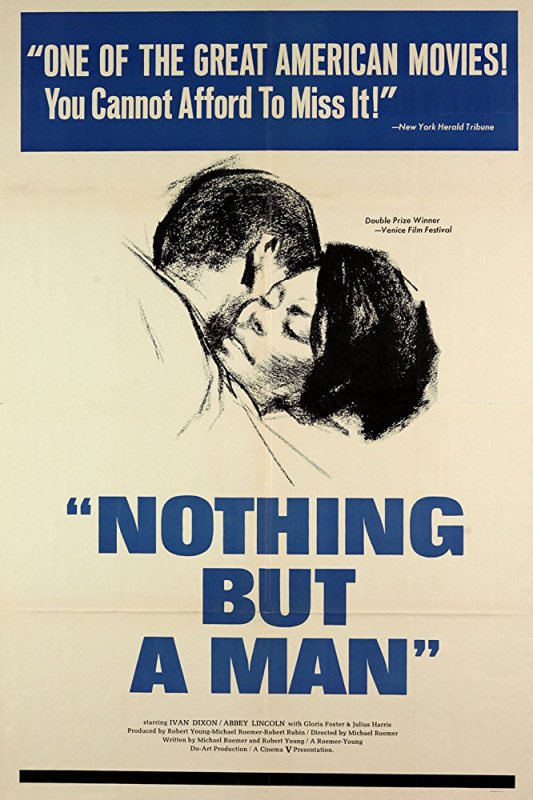
Nothing But a Man: October 8, 2017 – 2:00 – 4:00 pm
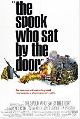
The Spook Who Sat by the Door: November 11, 2017 – 2:00 – 5:00 pm

Myrtis Bedolla, Curator; Khadija Nia Adell, Co-curator; Alexander Hyman and Sterling Warren, Curators of Film & Music.

Trailers

Nothing But A Man, 1964
A proud black man and his school-teacher wife face discriminatory challenges in 1960’s America.
Director: Michael Roemer
Stars: Ivan Dixon, Abbey Lincoln, Julius Harris

YouTube player

The Spook Who Sat By The Door, 1973
A black man plays Uncle Tom in order to gain access to CIA training, then uses that knowledge to plot a new American Revolution.
Director: Ivan Dixon
Stars: Lawrence Cook, Janet League, Paula Kelly

YouTube player
Exhibitions

Black Man in a Black World


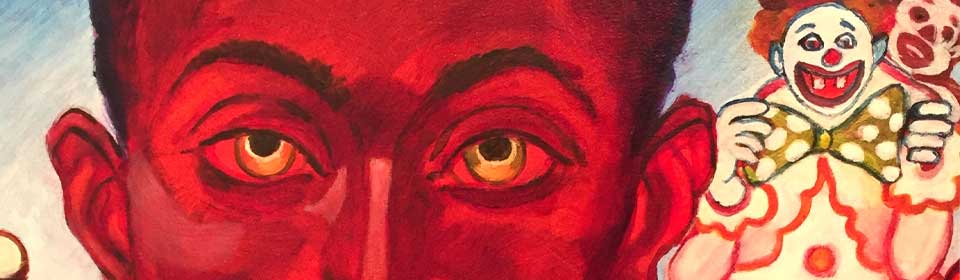
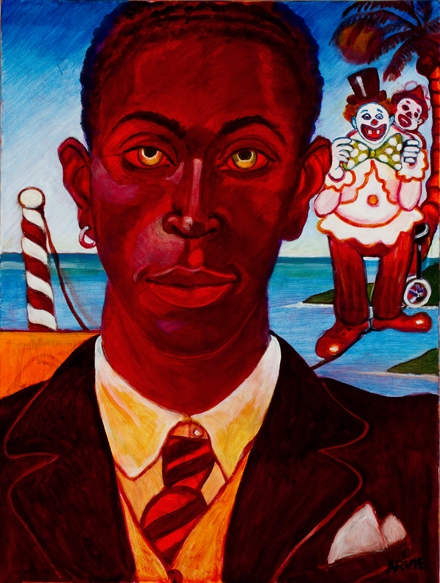
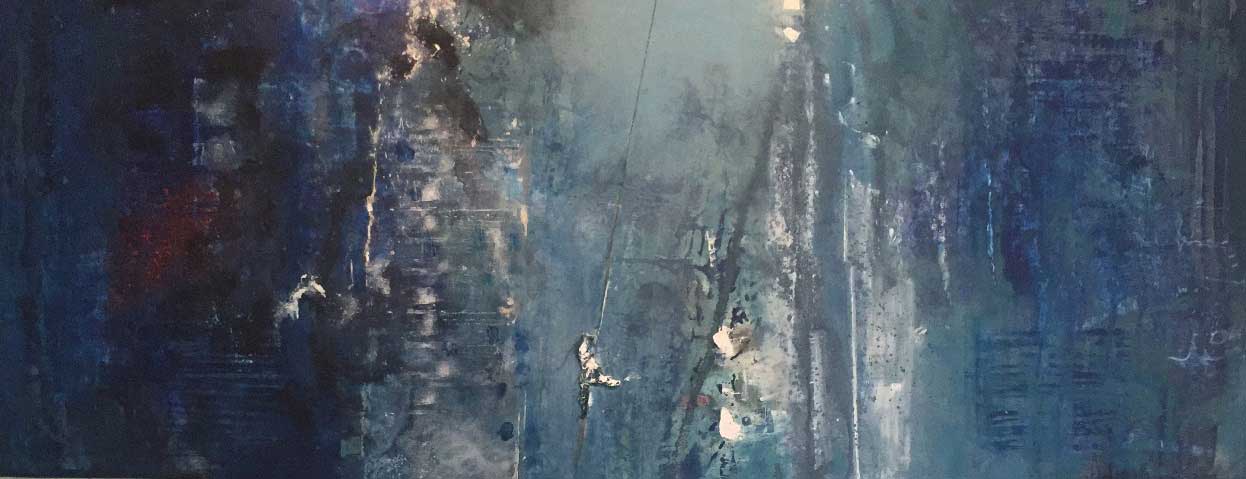
Tight Rope (detail), Oil on canvas, 40″ x 30″, 2014, by Arvie Smith

Black Man in a Black World

September 2 – November 18, 2017

artists’ talk | the artist’s | film | music | press

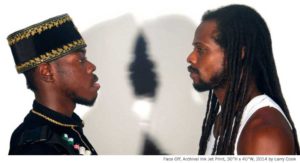
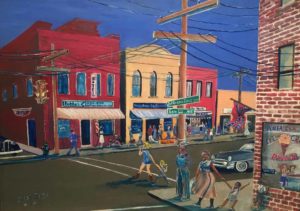
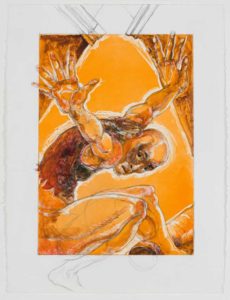
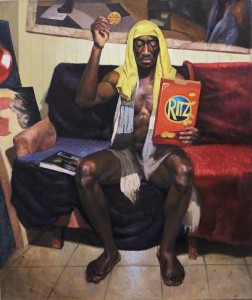
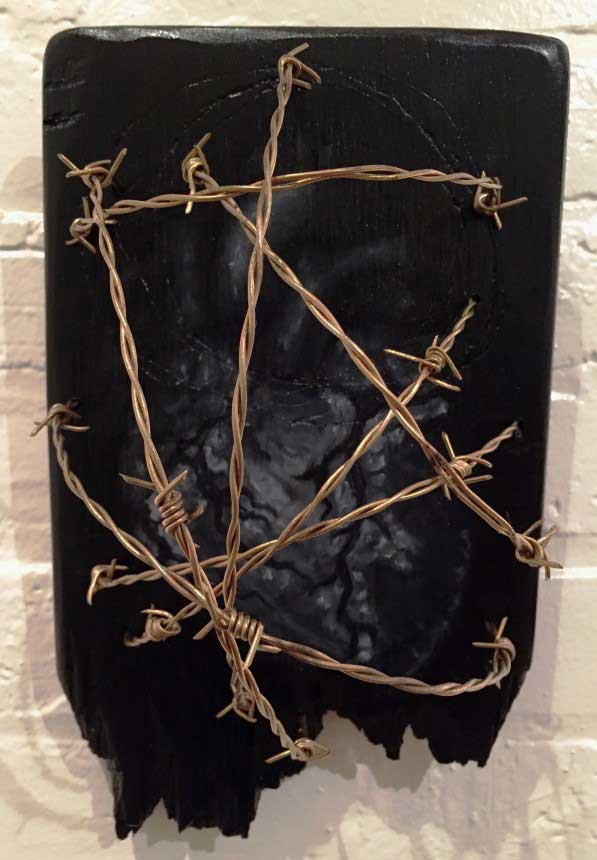
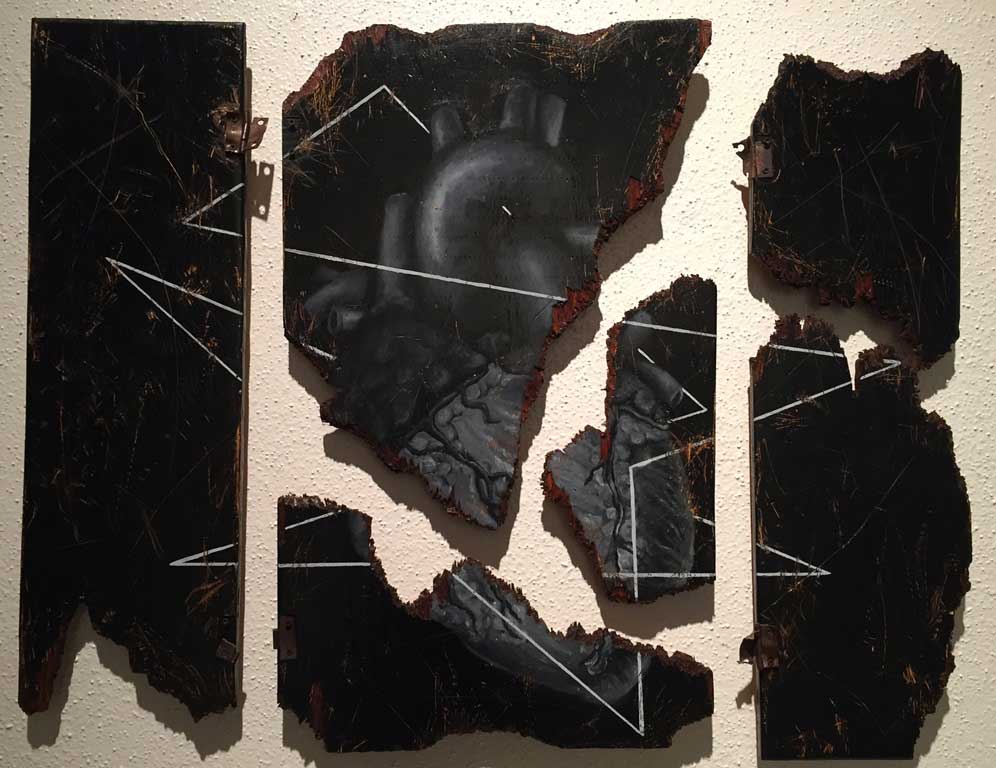
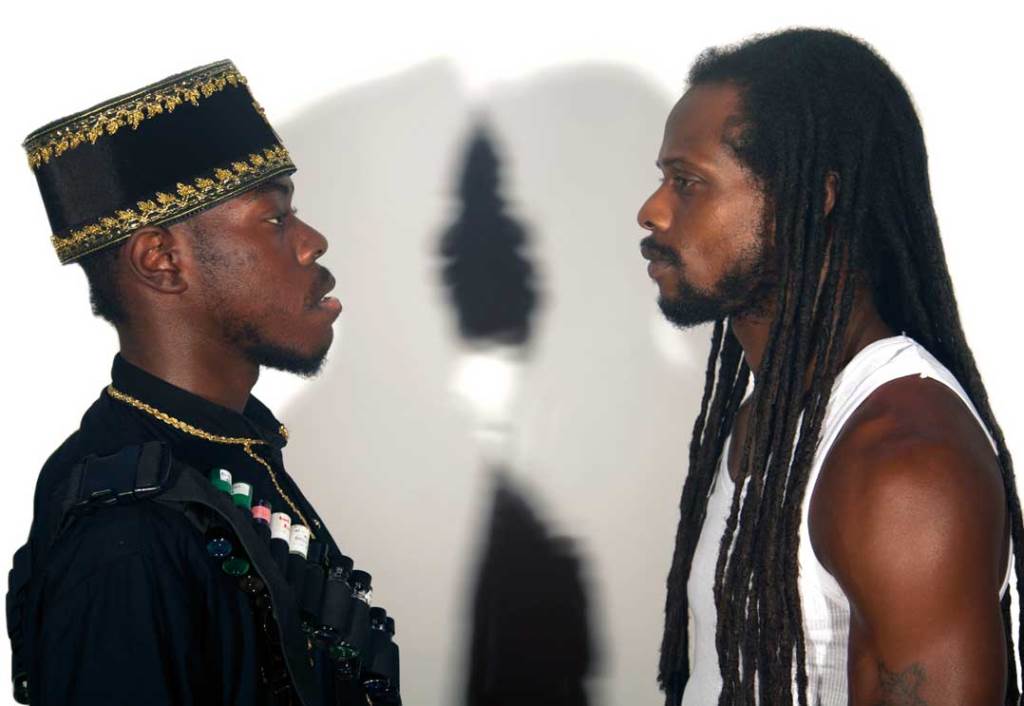
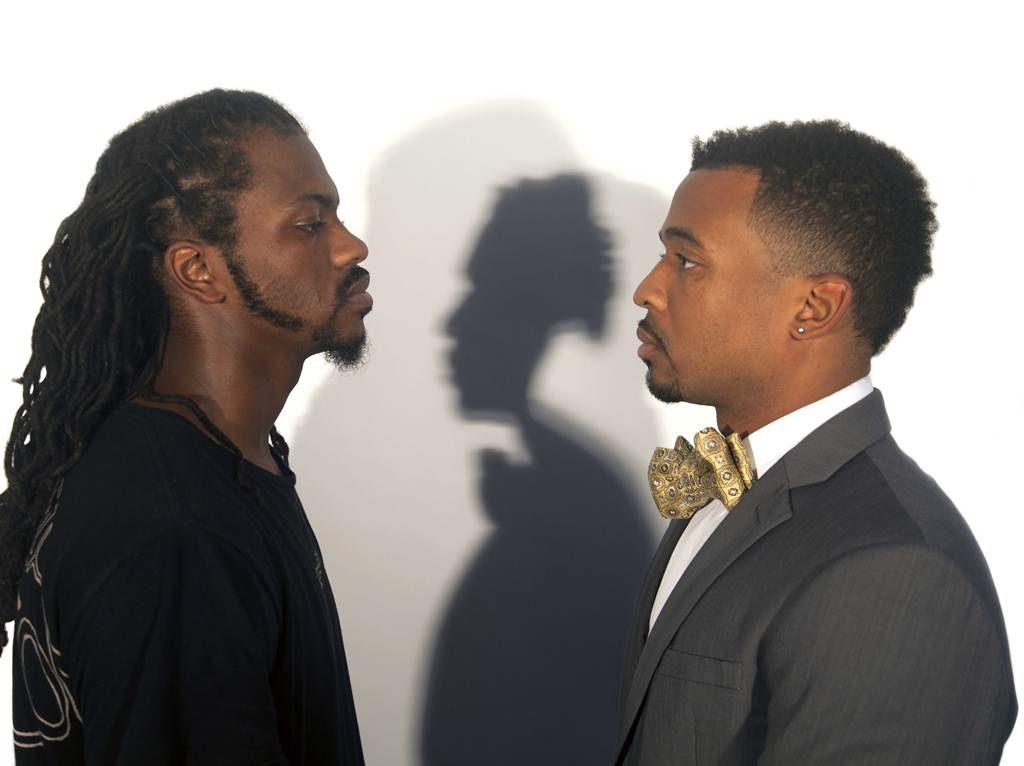
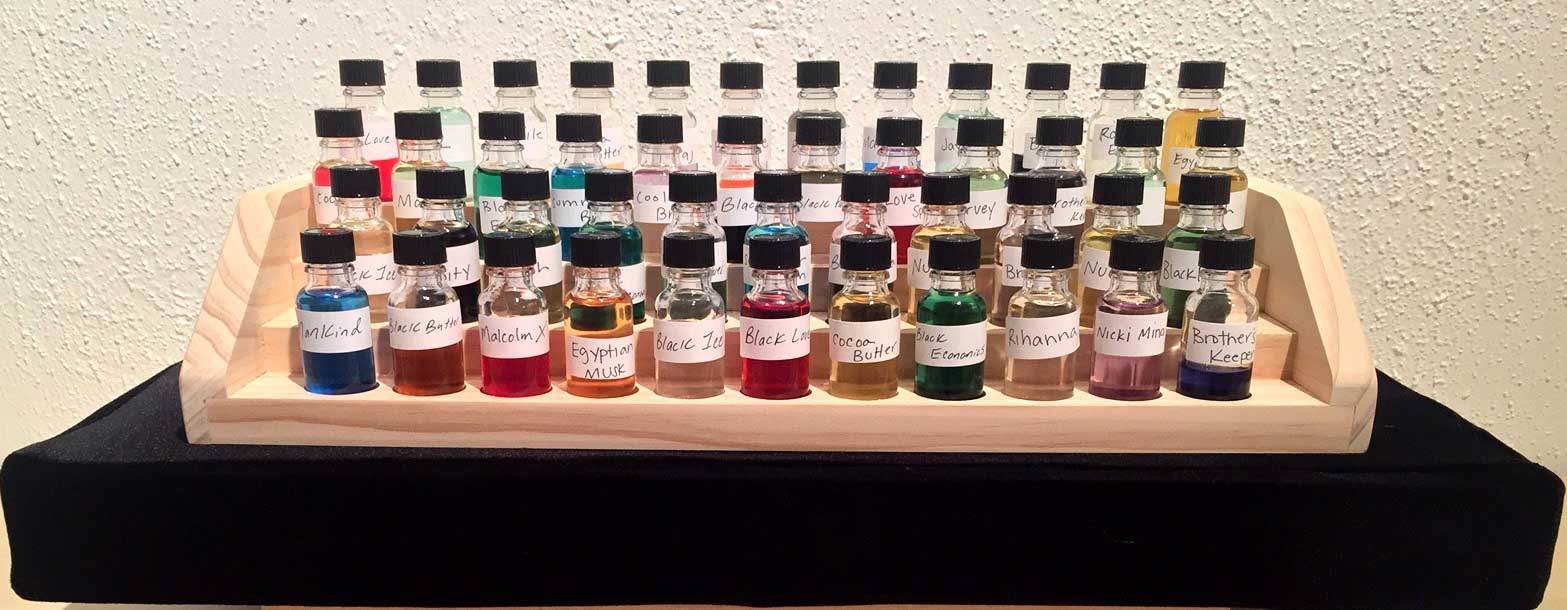
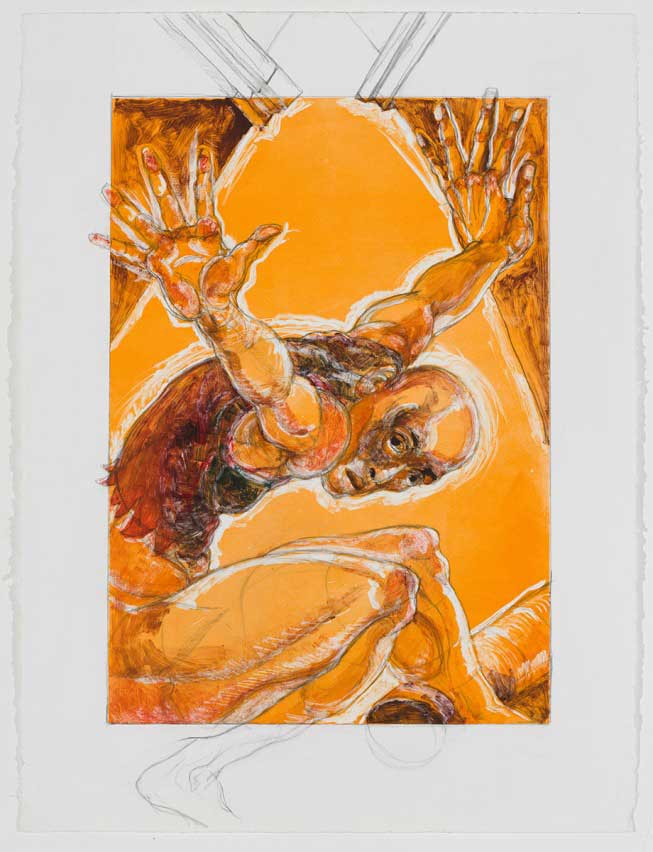
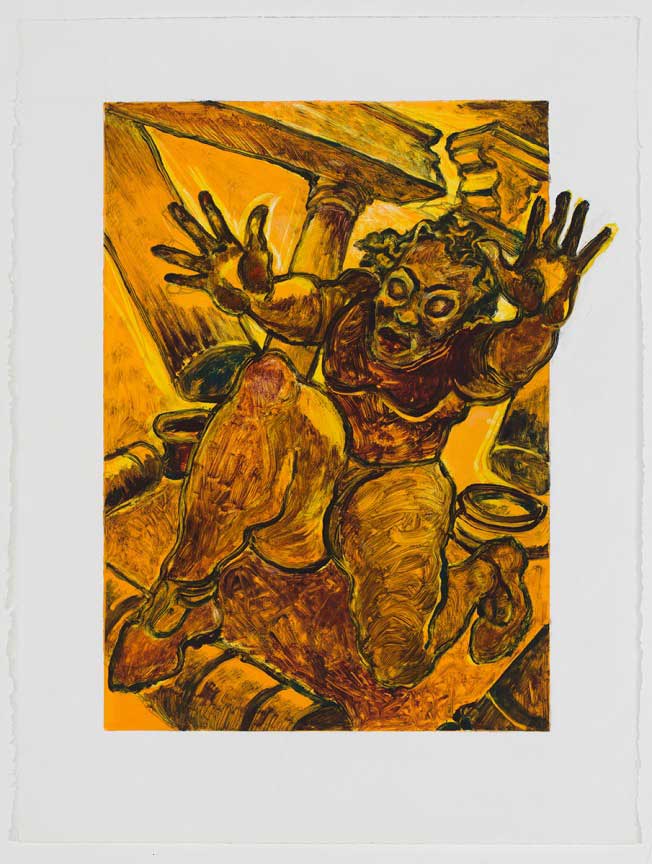
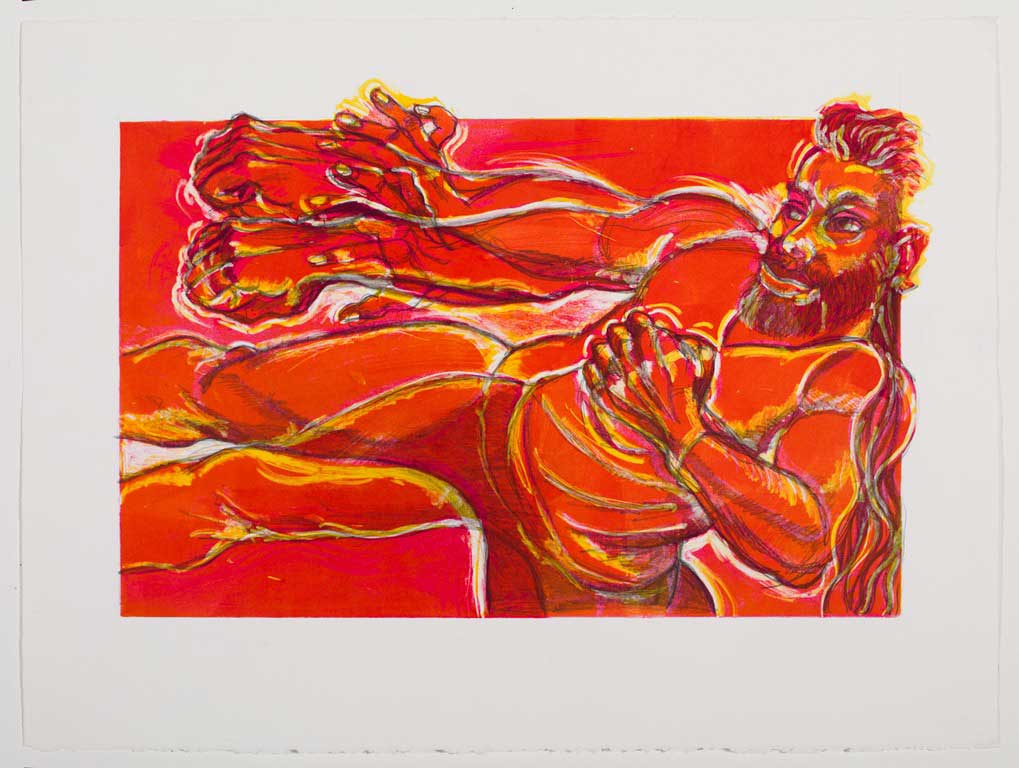
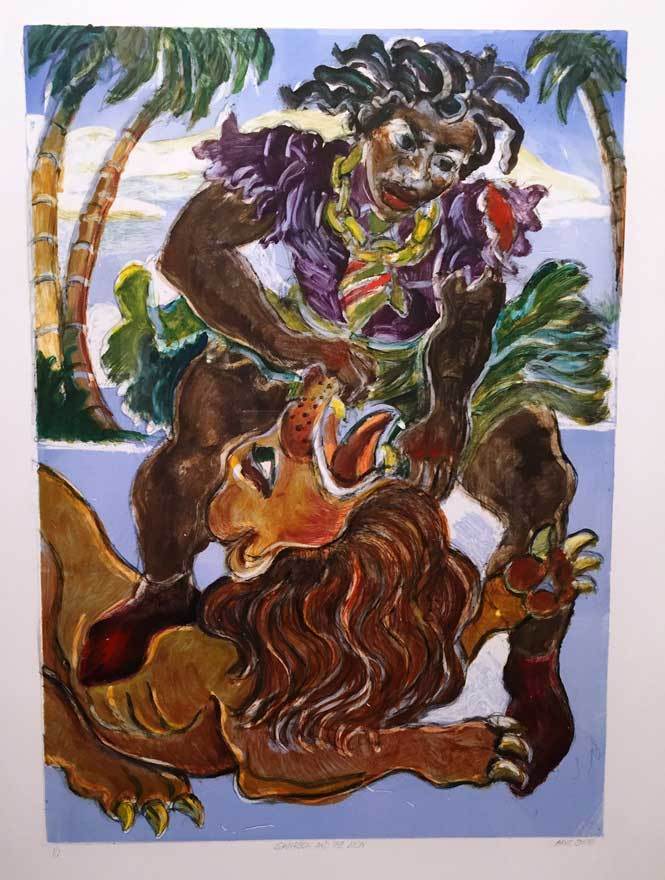
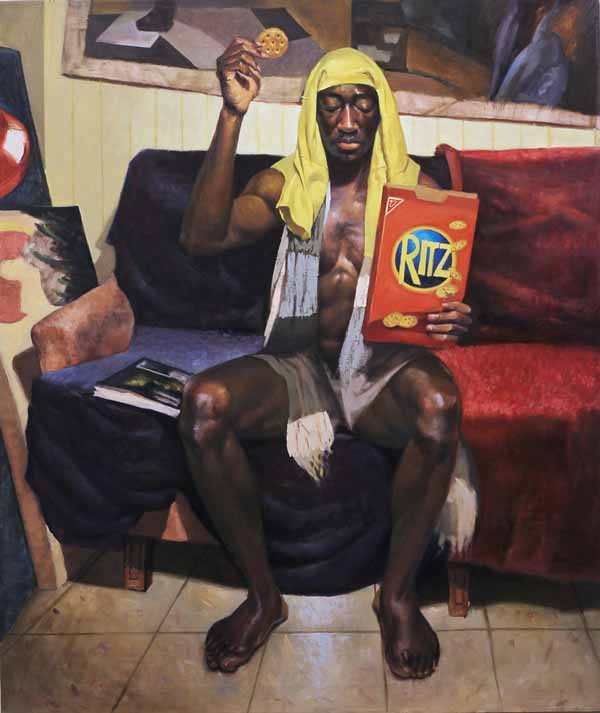
Black Man in a Black World features works by Wesley Clark, Larry Cook, Johnnie Lee Gray, and Arvie Smith. Through internal ruminations and visual explorations of historical perspectives and contemporary realities of blackness this exhibition offers individual and collective visions of the multi-faceted intersections of black male identity. Through multimedia presentations of painting, sculpture, printmaking, and photography Black Man in a Black World aims to center the black male perspective through the agency and distinctiveness of their own voices. The reclamation of ownership of the visual representations of black male consciousness and identity, by black male artists, requires the kind of boldness, passion, and honesty that has the power to viscerally ignite the soul and spark a transformation of self and community.


Artwork


Programming Schedule:

Film
Nothing But a Man (1964), 92 mins
October 8, 2017
2:00 – 4:00 pm

“Nothing But A Man” is the first of two films selected to screen in tandem with the exhibition “Black Man in a Black World.” Following the screening there will be a panel discussion with guest panelist Raél Jero Salley, and film curators Sterling Warren and Alexander Hyman, about the role of cinema in the historical and contemporary portrayal of black male identity.

Synopsis: A young black man in 1963 Alabama loves a minister’s daughter, works hard, and is put upon, oppressed, and called boy by everyone with whom he comes in contact; he wants to be nothing but a man. view trailer


Artists’ Talk
October 14, 2017
4:00 – 6:00 pm
Join Wesley Clark, Larry Cook and Arvie Smith for a lively discussion about their inspiration and thoughts about their artwork.
view past talks in our video library


Film
The Spook Who Sat by the Door (1973), 102 mins.
November 11, 2017
2:00 – 4:00 pm
 
 
“The Spook Who Sat by the Door” is the second of two films selected to screen in tandem with our current exhibition “Black Man in a Black World.” Following the screening there will be a panel discussion.

Synopsis: The film tells a credible tale of a Black CIA agent who rebels against his role as a racial token and uses his training in counterrevolutionary tactics to organize a guerrilla group in Chicago to fight racism. The story proved so controversial that United Artists was content to let The Spook Who Sat by the Door sink out of sight, although it did attract an avid following among scholars and fans of African-American cinema.
view trailer


Myrtis Bedolla, Curator; Khadija Nia Adell, Co-curator; Alexander Hyman and Sterling Warren, Curators of Film & Music.

Artist

Artist Talk – Paradigms of Structure and Change: David…

Artist’s Talk with David Carlson: Paradigms of Structure and Change

exhibition | about david carlson


Working with the unique qualities of painting, drawing, and video, David Carlson engages the poetics of geometry and design through the collision of gestural lines, rounded forms, and layered imagery. Spanning over several years, the bodies of work featured in Paradigms of Structure and Change are in conversation with one another as investigations into the importance of experience and reflection within the process of intuitive creation.
Khadija Adell, Curator

Artist

Johnnie Lee Gray Secondary Market

Secondary Market

Johnnie Lee Gray (1941-2000)

bio |resume

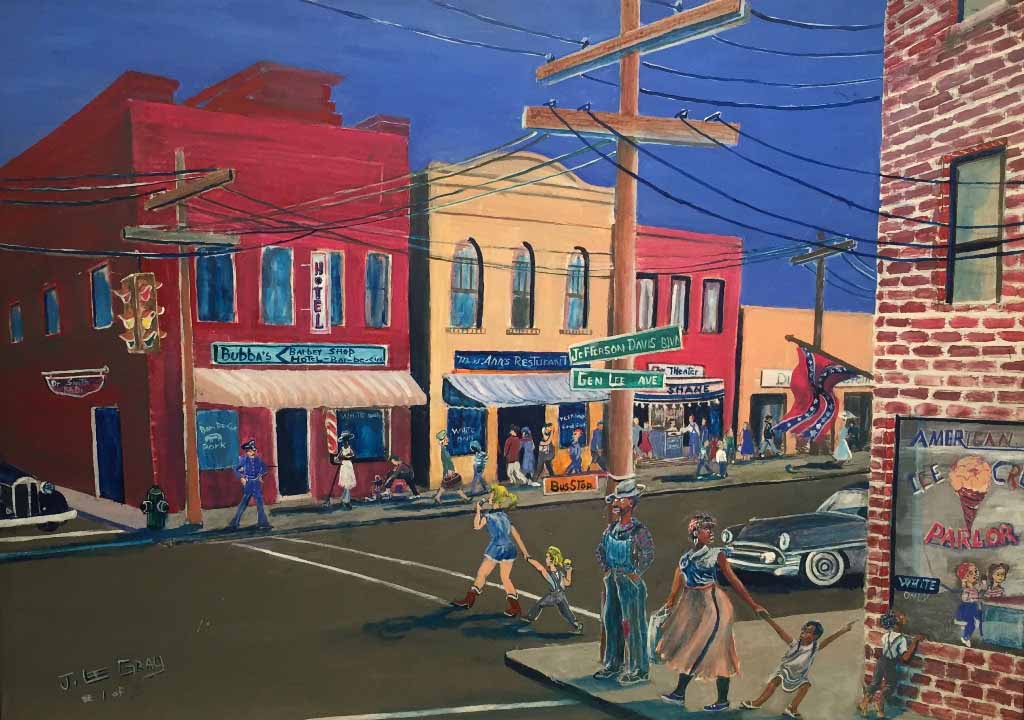
Johnnie Lee Gray was born in Spartanburg County, South Carolina in 1941. In his early years Gray demonstrated artistic talent, painting and drawing as a way to express his emotions and depict his surroundings. Working alongside his grandparents in the fields of their sharecropper farm, and later as a carpenter, textile mill worker, house painter, Gray learned early on to use the materials of his milieu to create works of art that drew on his memories and experiences as a black American man. read full biography

Artwork for Sale

Artist

Johnnie Lee Gray

Johnnie Lee Gray

art | bio |resume

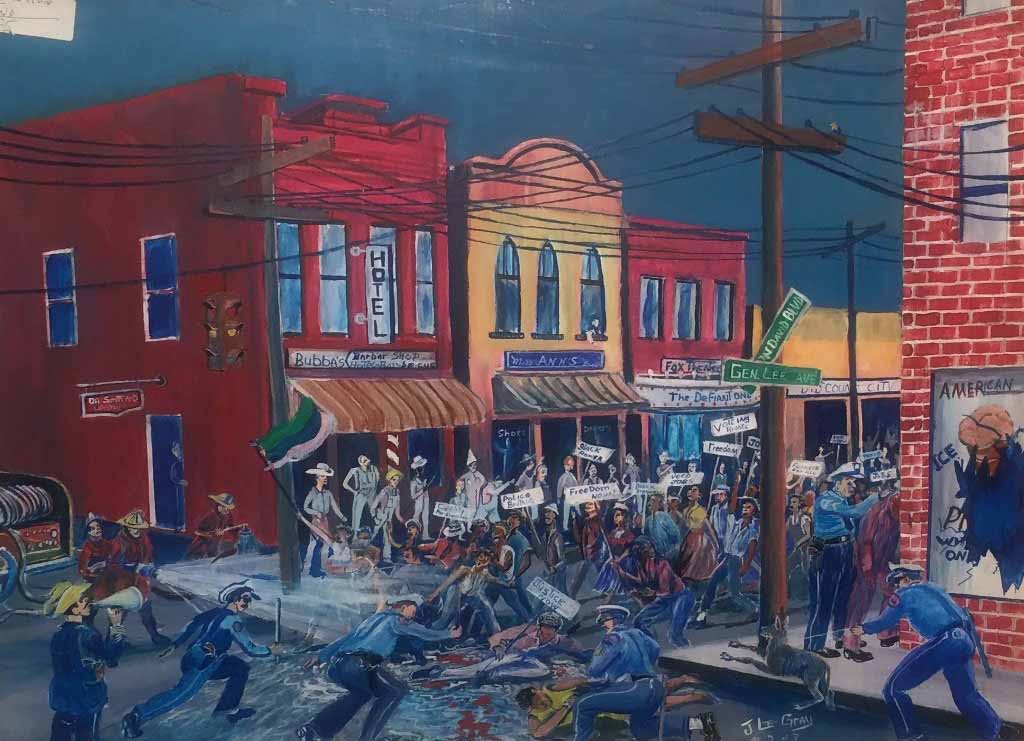
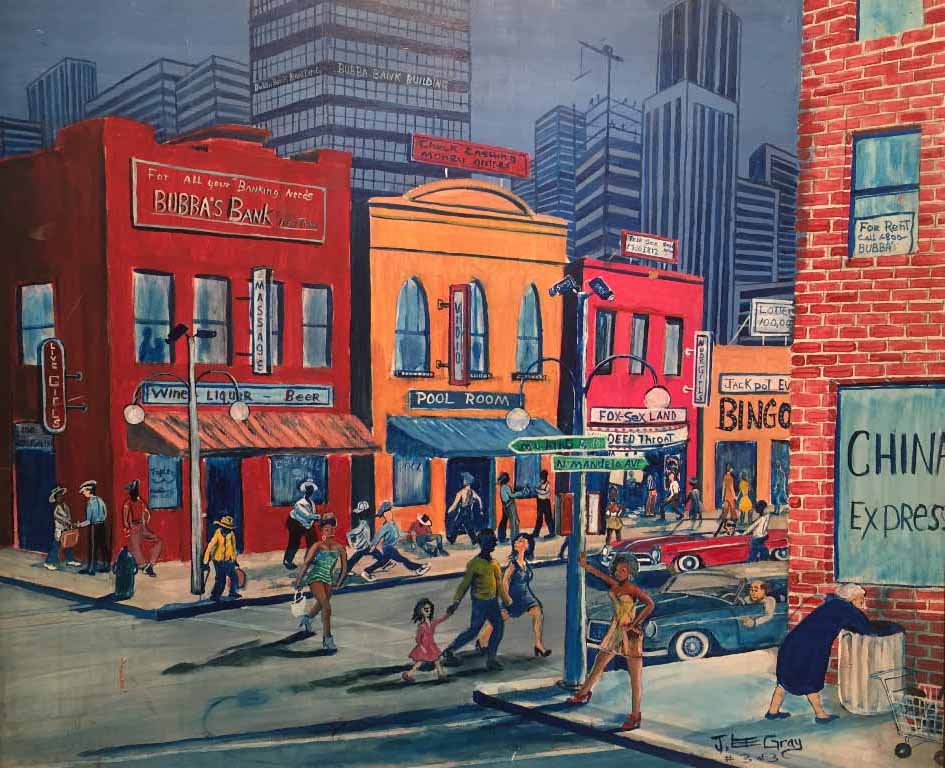
The Revolution: Separate But Equal – Jim Crow Series, n.d., Acrylic on plywood, 3 of 3, 20″H x 23 5/8″W
Johnnie Lee Gray was born in Spartanburg County, South Carolina in 1941. In his early years Gray demonstrated artistic talent, painting and drawing as a way to express his emotions and depict his surroundings. Working alongside his grandparents in the fields of their sharecropper farm, and later as a carpenter, textile mill worker, house painter, Gray learned early on to use the materials of his milieu to create works of art that drew on his memories and experiences as a black American man.

After graduating from the county’s segregated Lincoln High School in 1960, Gray enlisted in the Army, where he served for seven years, including an 18-month volunteer tour of duty in Vietnam. As a Vietnam Veteran and self-taught artist, Gray’s work illustrated his experiences in the military as an African-American and the participation of black people in the history of the American and world landscape. Described as “visionary” “outsider” artist, the patterned shapes, visual texture, vibrant palettes and repetitive forms showcased in his paintings are recognizable characteristics of his historical narratives. read full bio

Artist

Johnnie Lee Gray Biography

Johnnie Lee Gray

art | bio |resume

Biography

The Revolution: Separate But Equal – Jim Crow Series, n.d., Acrylic on plywood, 3 of 3, 20″H x 23 5/8″W
Johnnie Lee Gray was born in Spartanburg County, South Carolina in 1941. In his early years Gray demonstrated artistic talent, painting and drawing as a way to express his emotions and depict his surroundings. Working alongside his grandparents in the fields of their sharecropper farm, and later as a carpenter, textile mill worker, house painter, Gray learned early on to use the materials of his milieu to create works of art that drew on his memories and experiences as a black American man.

After graduating from the county’s segregated Lincoln High School in 1960, Gray enlisted in the Army, where he served for seven years, including an 18-month volunteer tour of duty in Vietnam. As a Vietnam Veteran and self-taught artist, Gray’s work illustrated his experiences in the military as an African-American and the participation of black people in the history of the American and world landscape. Described as “visionary” “outsider” artist, the patterned shapes, visual texture, vibrant palettes and repetitive forms showcased in his paintings are recognizable characteristics of his historical narratives.

Recently earning his spot in history along notable artists like Jacob Lawrence and Robert Colescott, Gray’s parting prayer was that his wife of 22 years, Shirley Sims Gray, would be blessed through his artwork and provided for after he passed (2000). Mrs. Gray later went on to establish Art by J. Lee Gray, Inc, and serves as the CEO for this private collection. In 2004, one of his paintings—depicting sharecroppers picking cotton—sold for $100,000, a significant price for the work of an outsider artist.

A pivotal point in Johnnie Lee Gray’s career came after his death, when PBS and Thirteen/WNET New York reached out to Mrs.Gray to conduct an interview for their ongoing research on the African-American experience with legally enforced segregation, otherwise known as Jim Crow. While interviewing her, researchers discovered her husband’s extensive body of work revealing the storyteller they were looking for. Shortly after New York Life Insurance Company became the official corporate sponsor for the television series The Rise and Fall of Jim Crow, airing nationally in the fall of 2002, which prominently featured Grays work. This new attention and recognition prompted a traveling exhibition in 2003, curated by Dr. Gwendolyn H. Everett of Howard University, with its official opening night at the Schomburg Center for Research in Black Culture in Harlem, NY.

From 2003-2009, Johnnie Lee Gray’s work was exhibited in such venues as the Russell Senate Office Building Rotunda, Washington D.C.; The Forbes Galleries, Manhattan, NY; Chicago Historical Society, Chicago, IL; Atlanta History Center, Atlanta, GA; California State University, Northridge, CA; the Spartanburg County Museum of Art, SC; University of Virginia Art Museum, Charlottesville, VA; Gibbes Museum of Art, Charleston, SC; Morris Museum of Art, Augusta, GA; Livingstone College, Salisbury, NC; Converse College Milliken Art Gallery, Spartanburg, SC; the Schomburg Center for Research in Black Culture, Harlem, NY; and the Cherokee County History & Arts Museum, Gaffney, SC. 1

Significant exhibitions include traveling solo exhibits: “Rising Above Jim Crow: The paintings of Johnnie Lee Gray”, 2003 and “Landscape of Slavery: The Plantation in American Art”, 2007-2008.

1 Biography information sourced from Rising Above Jim Crow: The Paintings of Johnnie Lee Gray by Dr. Gwendolyn H. Everett, PH.D., 2004, New York Life Insurance Company

Artist

Johnnie Lee Gray Art

Johnnie Lee Gray

art | bio |resume

Art

Exhibitions

Building Bridges: The Politics of Love, Identity and Race


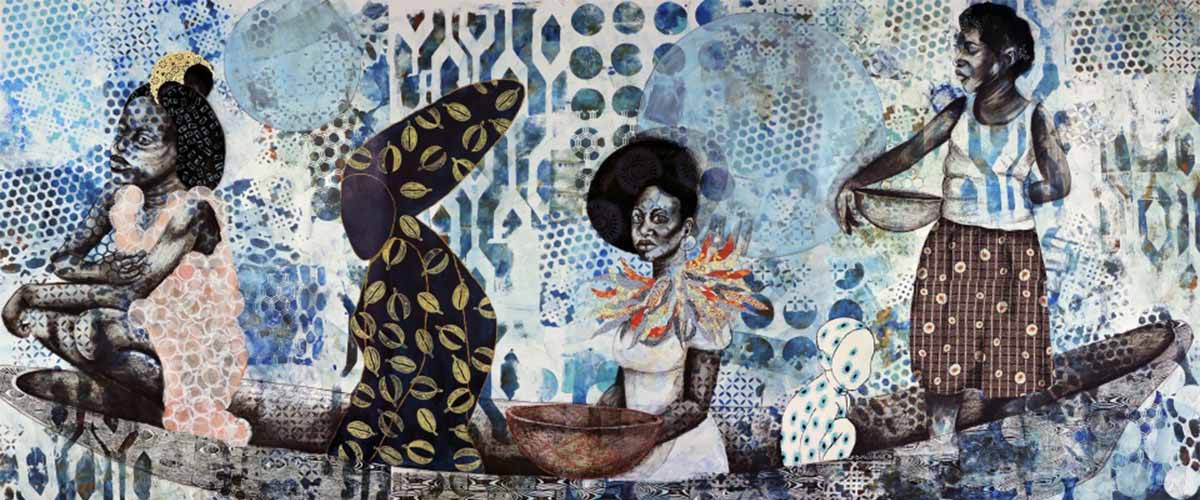
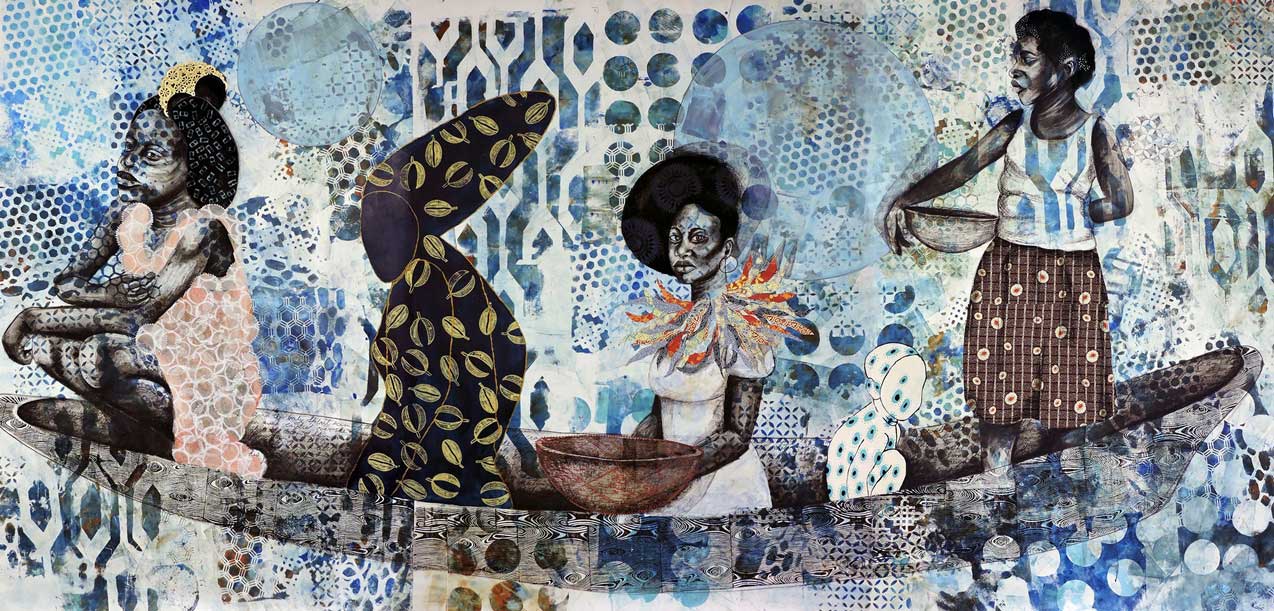
Night Travelers (detail), Gelatin printing, mixed media on paper, 6 ft. x 12.5 ft. (Triptych), 2016 by Delita Martin, American

Building Bridges: The Politics of Love, Identity and Race

May 13 – July 21, 2017


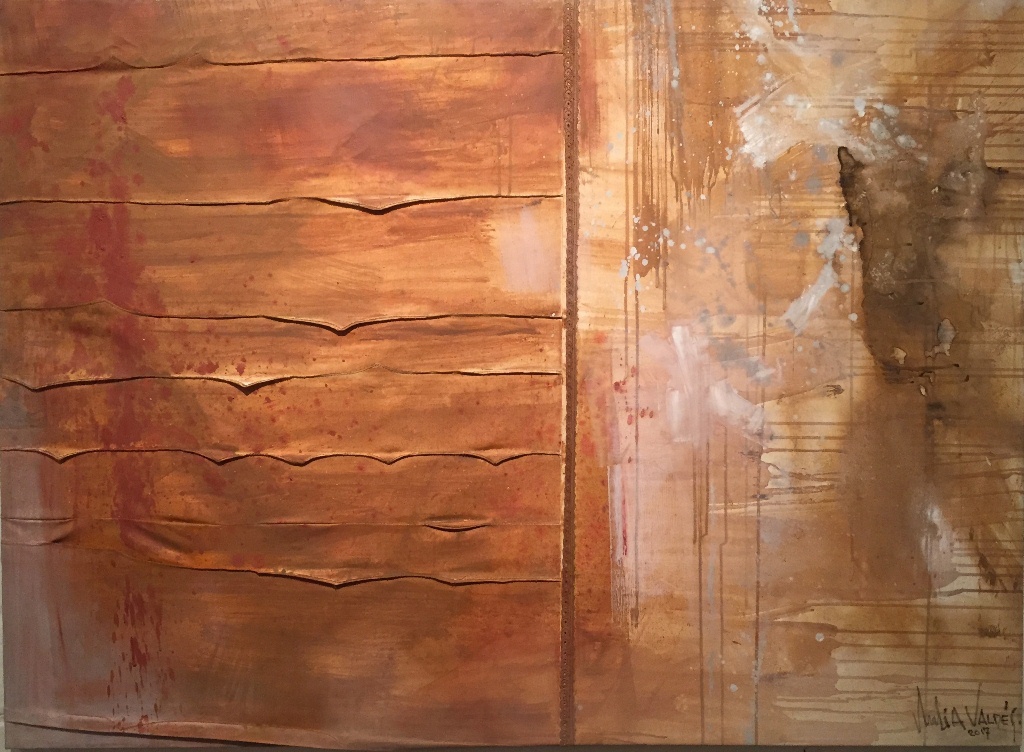
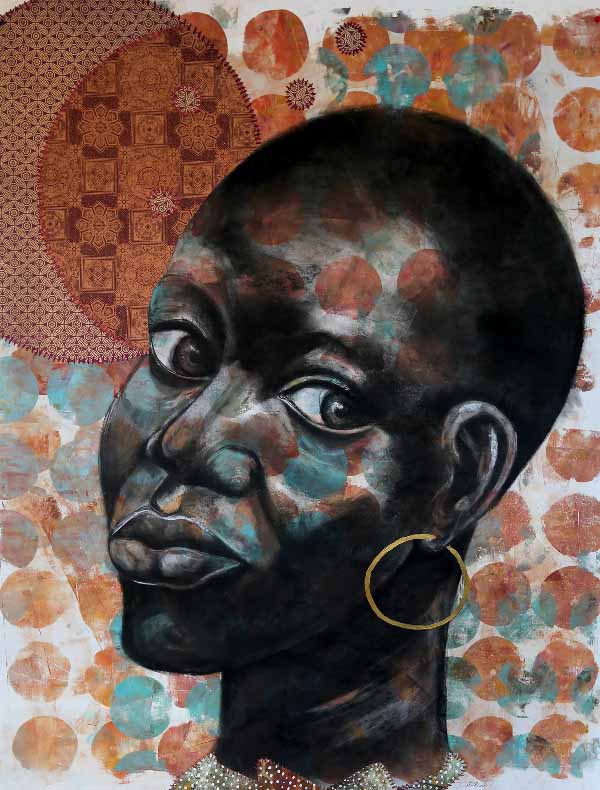
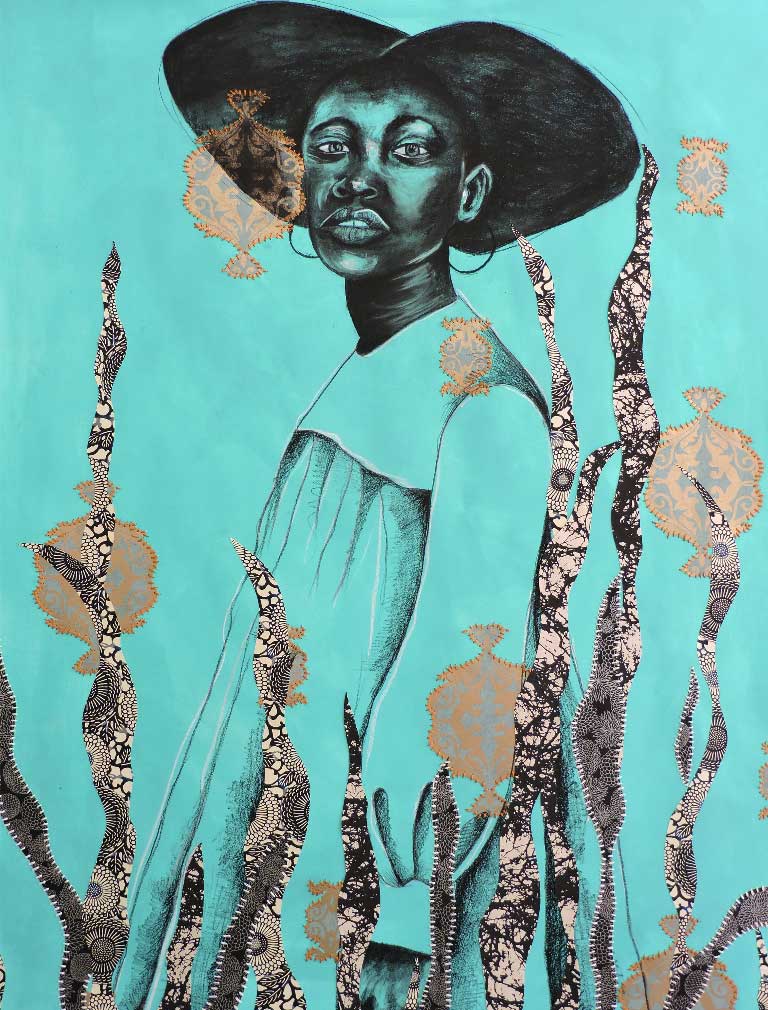
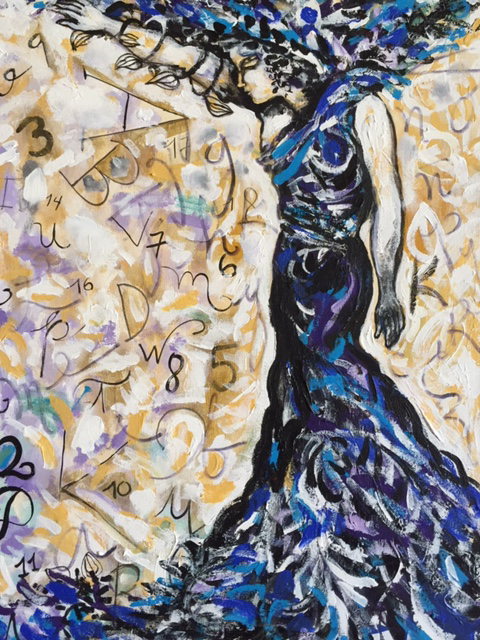
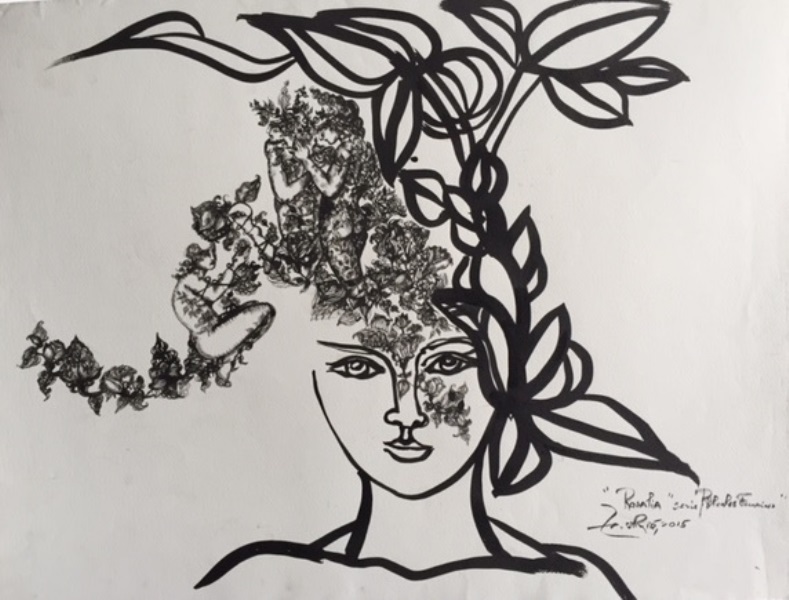
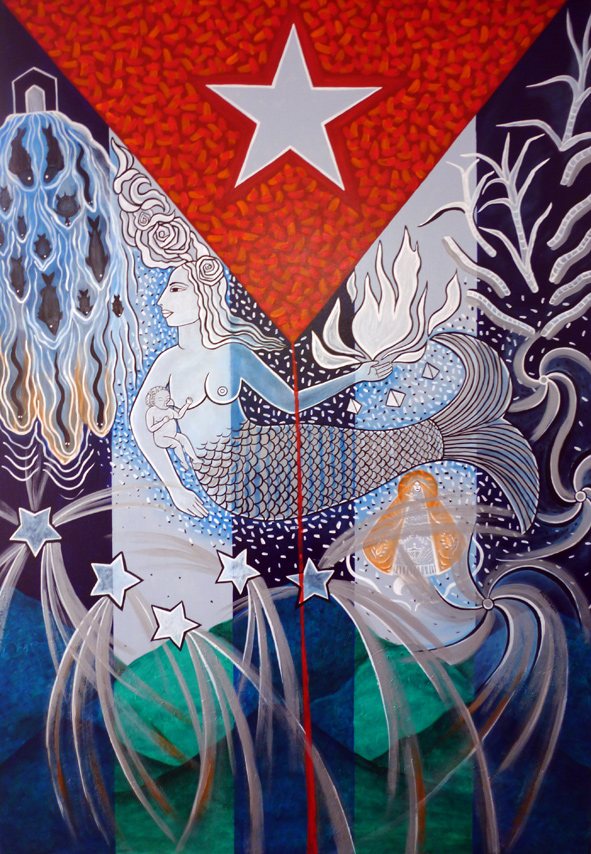
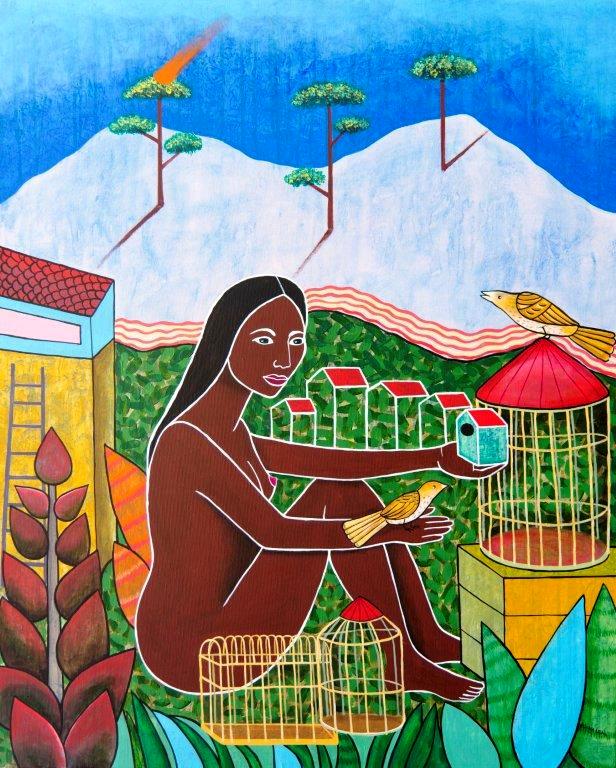
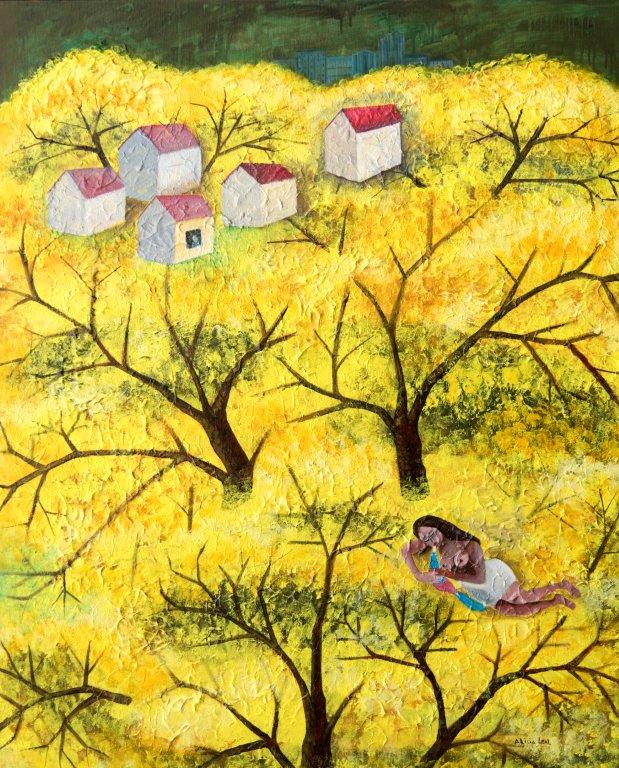
Building Bridges: The Politics of Love, Identity and Race features works by American and Cuban artists who unite to investigate the politicization of love, identity and race. Artists of multi‐racial and multi‐cultural backgrounds explore the notion of love—as power and play; offer conceptual and formal dialogue on identity; and examine race as a mechanism to unify or divide a nation and its people.

The exhibit builds upon the new relationship charted by America and Cuba. Participating in the exhibit are preeminent Cuban artists: Julia Valdés Borreno, Zaida del Rio, Alicia Leal Veloz and Eduardo Roca (Choco) Salazar will be visiting from Havana, Cuba.

Featured Artists
Cuban: Julia Valdés Borreno, Zaida del Rio, Alicia Leal Veloz and Eduardo Roca (Choco) Salazar
American: Morel Doucet, Michael Gross, Jamea Richmond-Edwards and Delita Martin

Curated by Myrtis Bedolla and Ana Joa

Artwork

Gallery Talk

Exploring the Life of Adolphus Ealey and the Barnett…

Exploring the Life of Adolphus Ealey and the Barnett Aden Gallery

YouTube player

Adolphus Ealey
This Gallery Talk explores the life of Dr. Adolphus Ealey (1941-1992) who served as the curator and director of The Barnett Aden Gallery, which was founded in 1943, by Professor James Herring of Howard University and his student, Alonzo Aden, the first curator. The gallery helped to launch the careers of artists such as Romare Bearden, Elizabeth Catlett, David Driskell, John Farrar, Lois Mailou Jones, Herman Maril, Delilah Pierce, James Porter, Céline Marie Tabary, Charles Sebree, Henry O. Tanner, Alma Thomas, Laura Wheeler Waring, James Wells, Charles White, Ellis Wilson and Hale Woodruff. The gallery operated for 26 years in Washington, D.C. and was the nation’s first successful black-owned art gallery.


Myrtis Bedolla
Myrtis Bedolla, Curator, will share insights about the pioneering Barnett Aden Gallery and Ealey’s role as its second curator and director, and examine his career as artist and scholar. In 1969, Ealey inherited the famed Barnett-Aden collection which consisted of over 250 works of art by 19th and 20th century artists. The most revered pieces were those created by African Americans. Today, the majority of the collection is owned by Robert L. Johnson, founder of Black Entertainment Television (BET).

Bedolla will also address why the Barnett Aden Gallery was established; how the collection was built, why Ealey sold the collection for $6 million in 1989; and how Robert L. Johnson came to acquire it ten years later.


Michael Evanson
Michael Evanson was one of Adolphus Ealey’s close and dear friends. They met in Philadelphia around 1976 when Adolphus became the museum director for the African American Museum of Philadelphia. During the course of their friendship Adolphus helped open a new dimension of appreciation in Michael for fine arts and the art world.

Michael was fortunate to ride around as co-pilot on many of Adolphus’ artistic journeys in Washington, DC as Adolphus was museum curator, art appraiser, art collector, and creative consultant to many clients, artists, and business associates in the Washington area. Michael appreciates that Adolphus was an extraordinary artist himself and always worked to ensure a lasting legacy for the Barnett-Aden Collection.