Biography
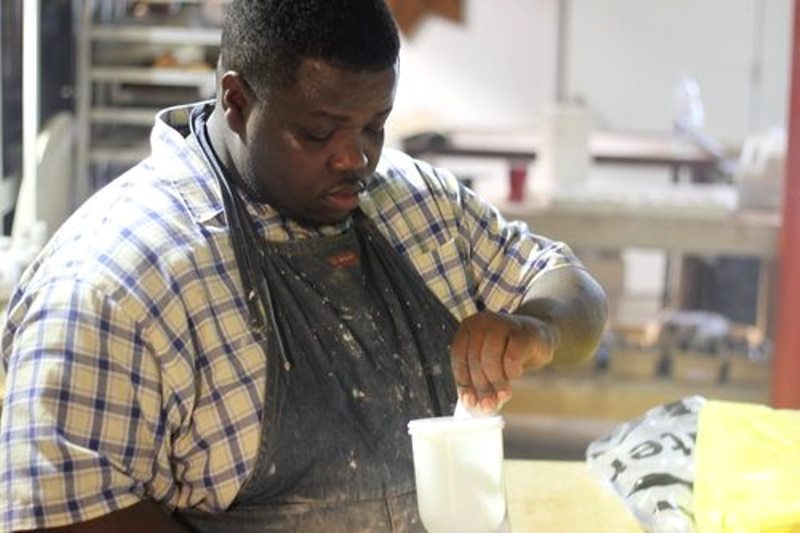 Morel Doucet (b. 1990, Pilate, Haiti) is a Miami‐based multidisciplinary artist and arts educator from Haiti. He employs ceramics, illustrations, and prints to examine the realities of climate gentrification, migration, and displacement within the Black diaspora communities.
Doucet’s works offer narratives that address the contemporary reconfiguration of the Black experience. His compelling imagery captures environmental decay at the intersection of economic inequity, the commodification of industry, personal labor, and race.
Doucet’s Emmy-nominated work has been featured and reviewed in numerous publications, including Vogue Mexico, Oxford University Press, Hyperallergic, Luxe Interiors + Design, Biscayne Times, PBS, Miami Herald, WhiteHot Magazine, The Berlin Journal, and Hypebeast. He graduated from the New World School of the Arts with the Distinguished Dean’s Award for Ceramics. From there, he continued his education at the Maryland Institute College of Art, receiving his BFA in Ceramics with a minor in creative writing and a concentration in illustration. Doucet’s work is in the collections of the Pérez Art Museum Miami, the Tweed Museum of Art, the Museum of Contemporary Art North Miami, the Plymouth Box Museum, the Petrucci Family Foundation Collection of African American Art, Microsoft, and Facebook.
Works by Doucet have been exhibited extensively in national and international institutions, including the Havana Biennial; Venice Biennale, the African Heritage Cultural Arts Center, Miami, FL; the National Council on Education for Ceramic Arts, Pittsburgh, PA; the American Museum of Ceramic Art, Pomona, CA; the Museum of Contemporary Art North Miami; Flaten Art Museum, St. Olaf College, São Tomé et Príncipe, Haitian Heritage Museum, Miami, FL, and Patricia & Phillip Frost Art Museum, Miami, FL.
As an Arts Educator, his interest is to immerse young audiences in personalized courses that instigate curiosity, sensory perception, and visual literacy.
Doucet is among the eight African American artists featured in the 2022 Venice Biennale exhibition The Afro-Futurist Manifesto: Blackness Reimagined, curated by Myrtis Bedolla of Galerie Myrtis. The exhibit explores the theme of Black life on the continuum of its imagined future presented in the Personal Structures art fair.
 Art Basel
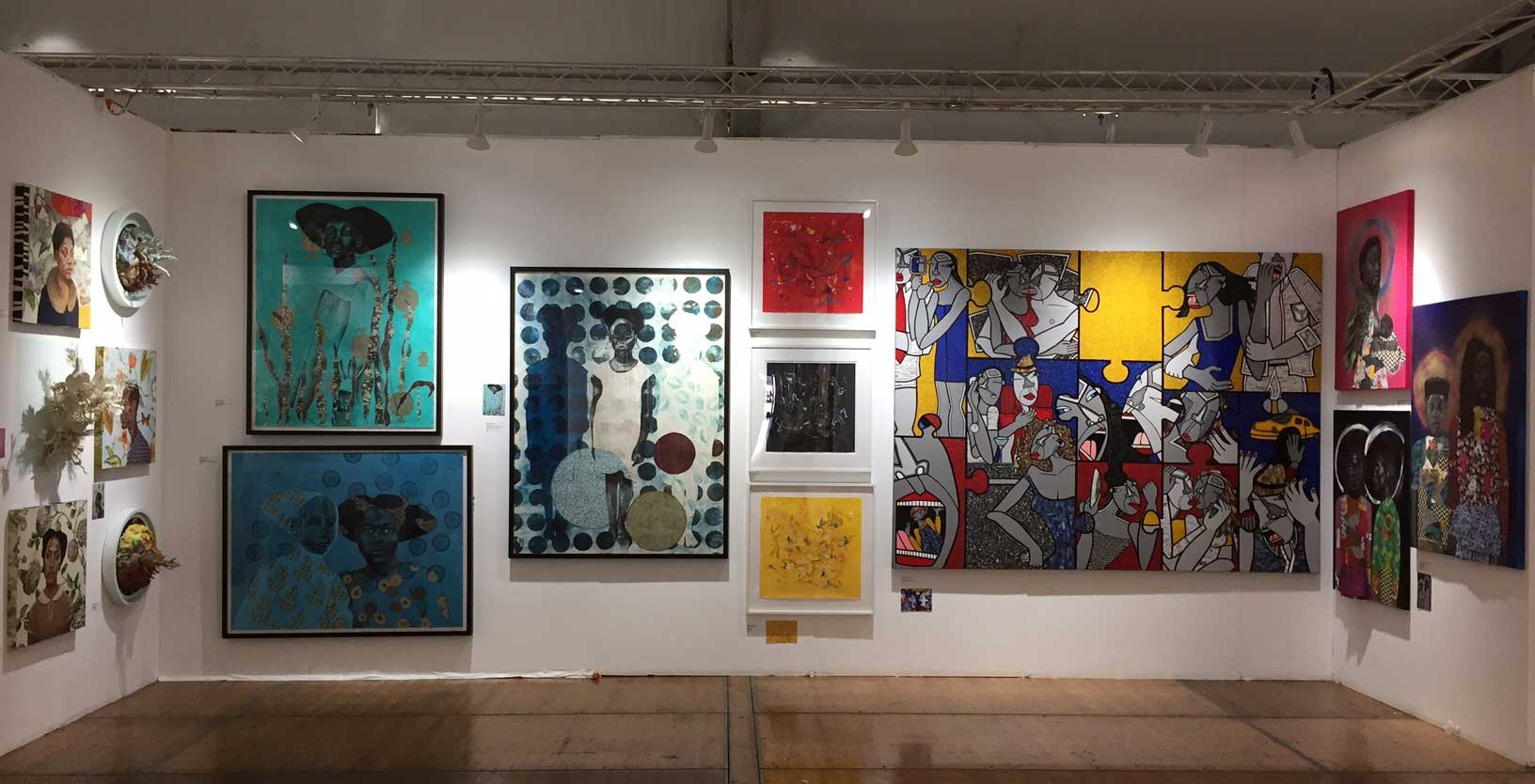
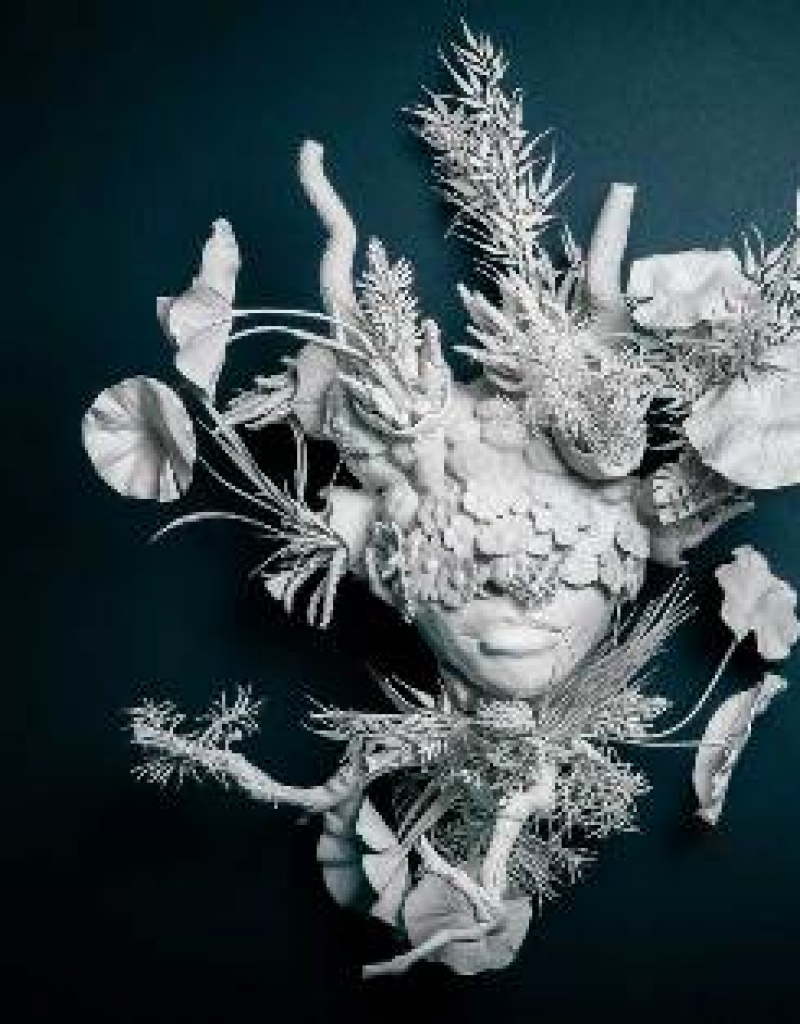
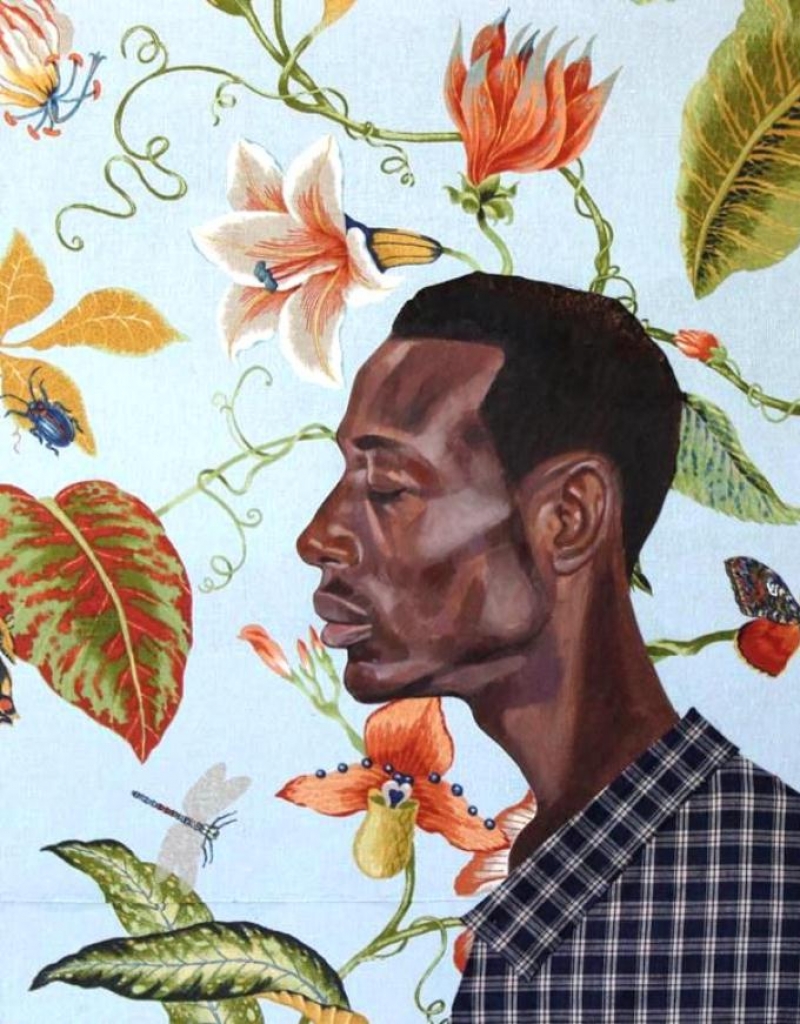
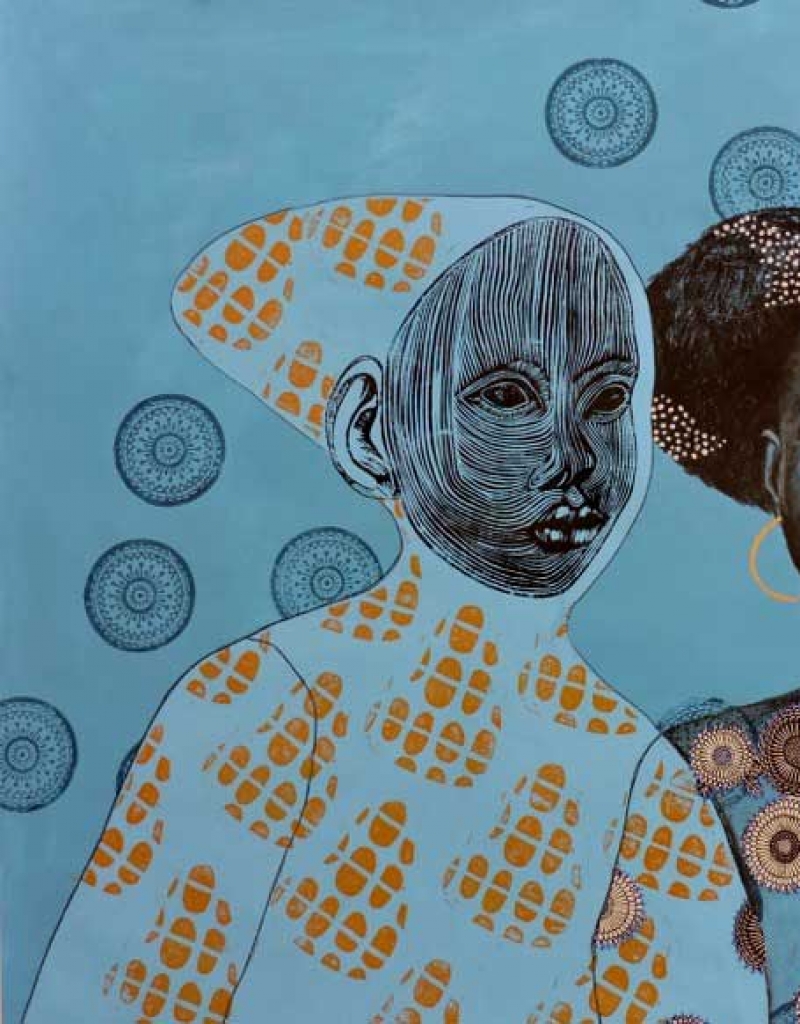
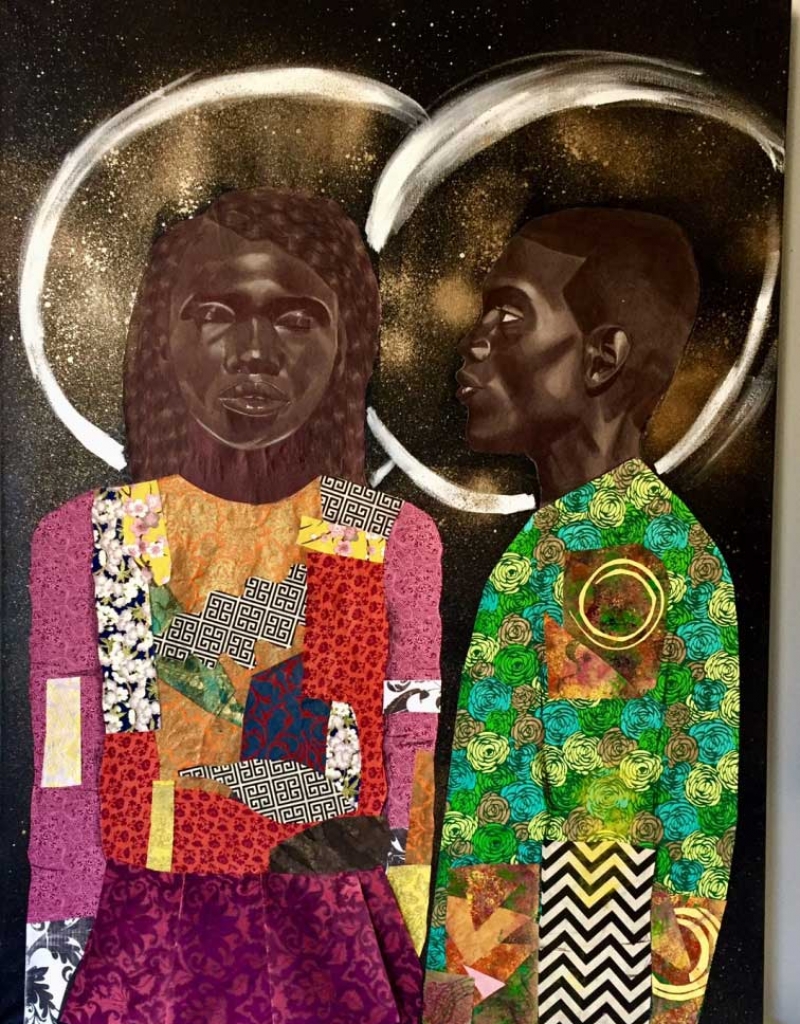

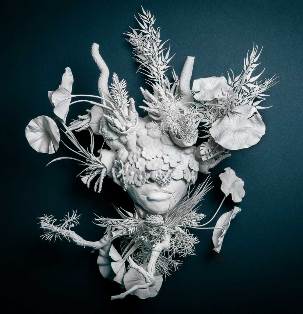


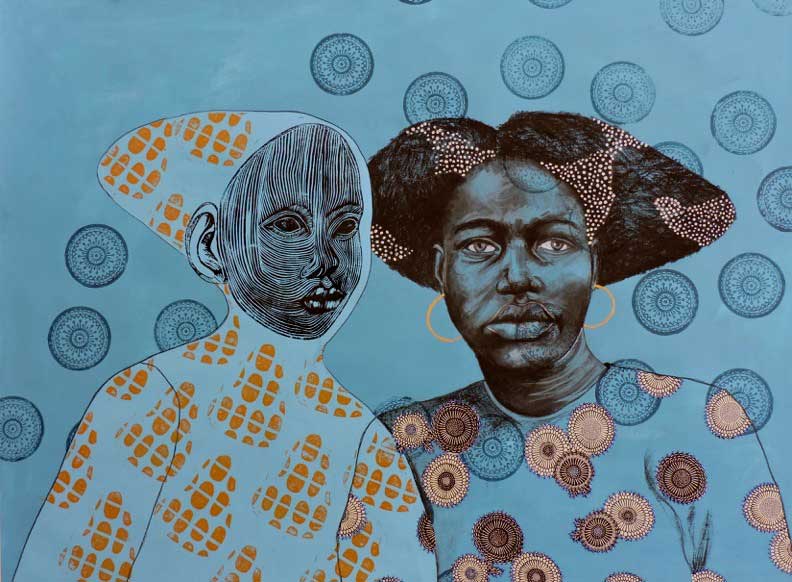
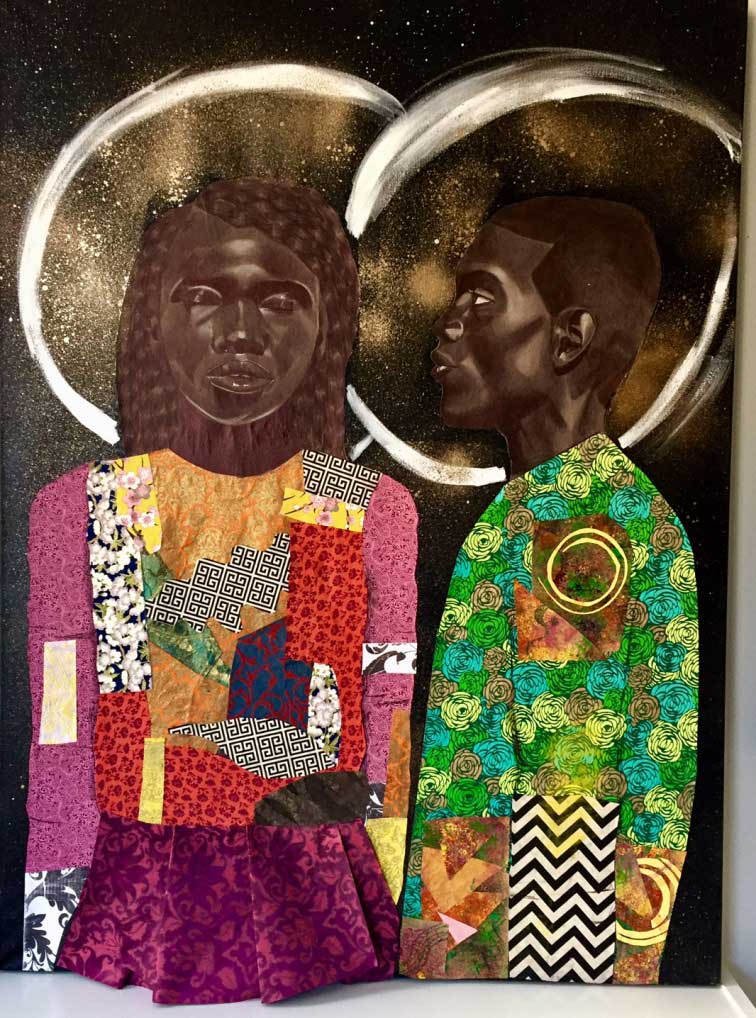
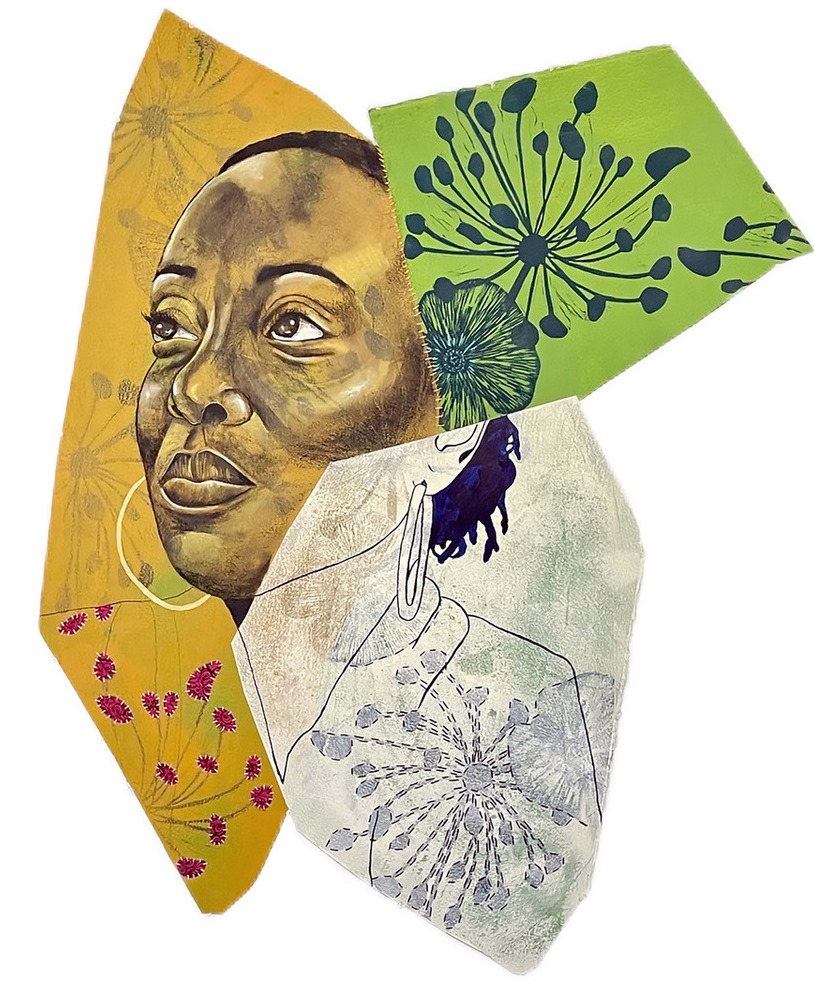
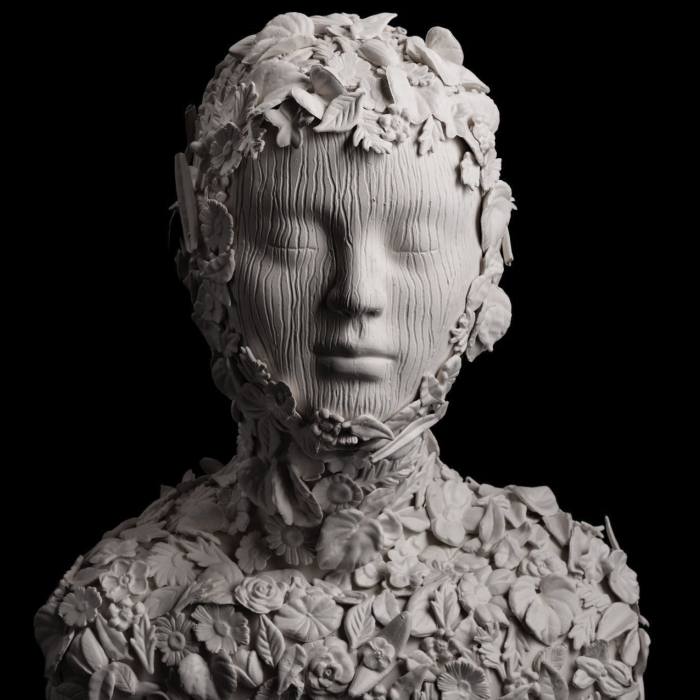
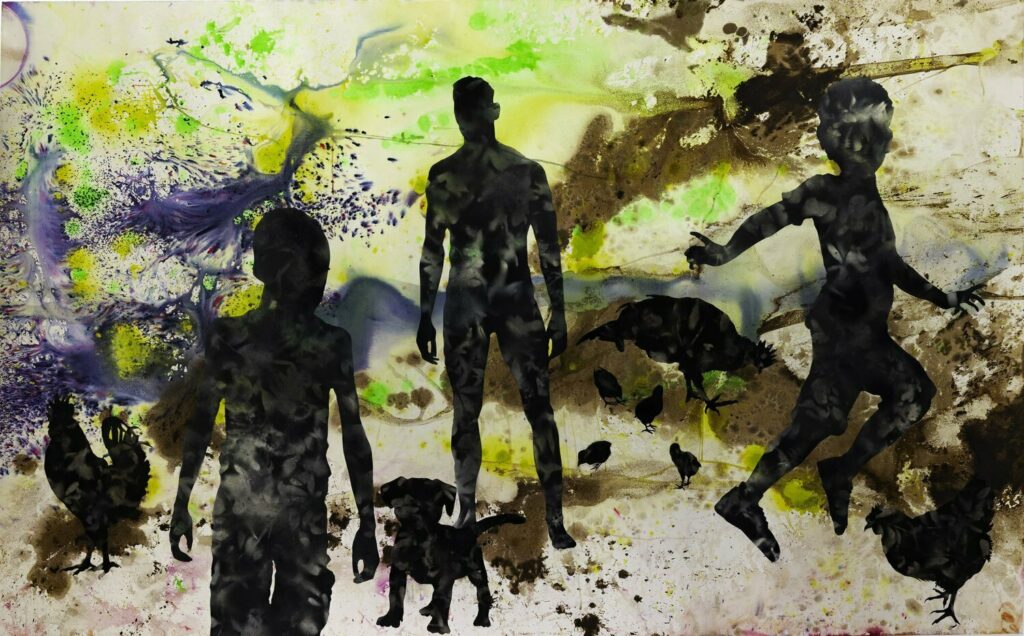 Through our dreams, we make contact with a vast, yet elusive side of ourselves. My work utilizes and reflects converging objects found in nature, such as an accumulation of flora and fauna. Drawing inspiration from nature’s paradoxical beauty, I aim to create work that not only stands out for its regal impact but also for its sensitivity. My inspiration comes from an ongoing interest and profound respect for indigenous tribal cultures of the Amazon, Aboriginal natives of Australia and the Yoruba tribe of West Africa. I am fascinated with garments and textiles of Native Americans and Afro-futurism. With this vocabulary of indigenous art, along with my personal dreams, I make whimsical forms resulting in a diary of my personal mythology.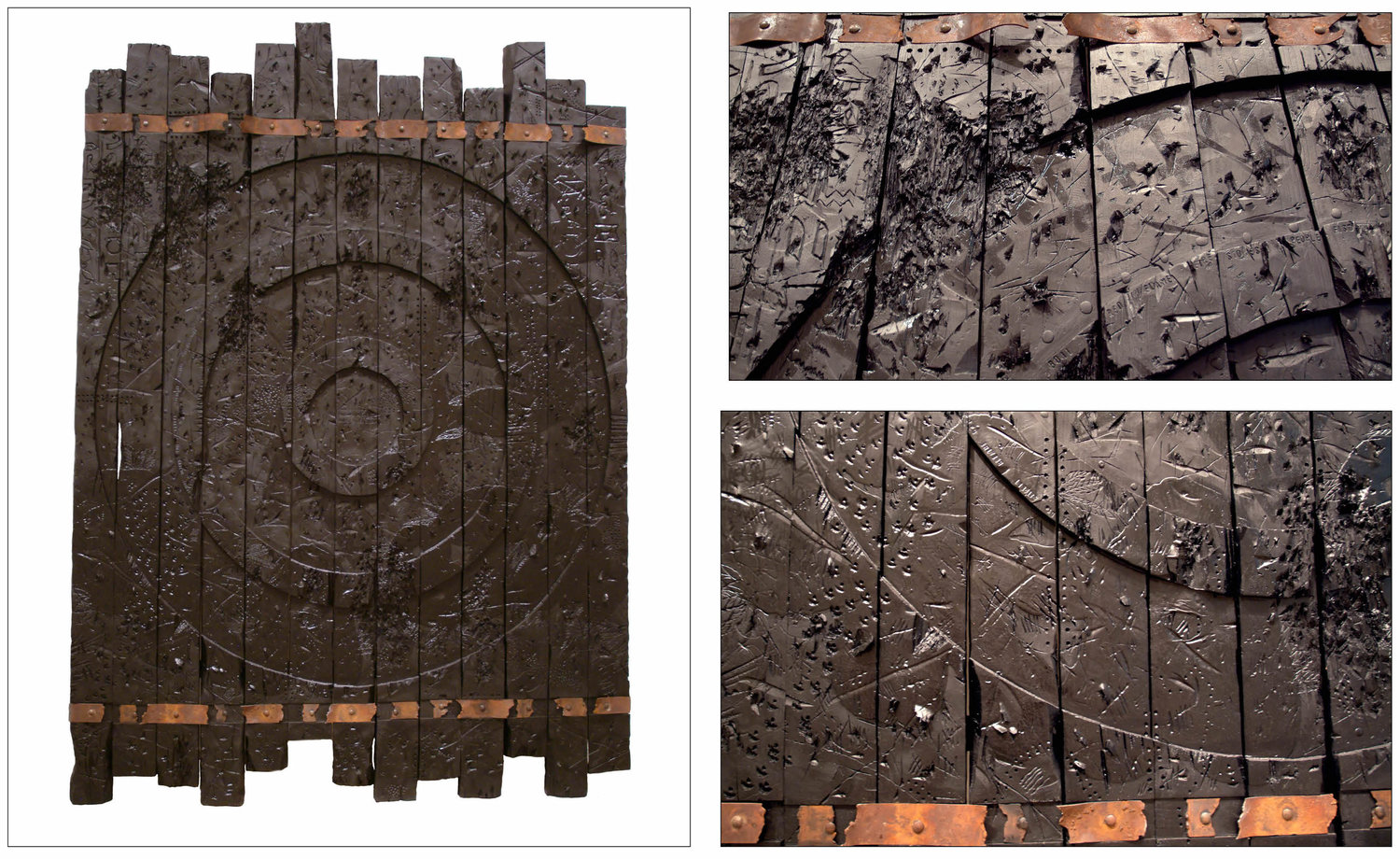
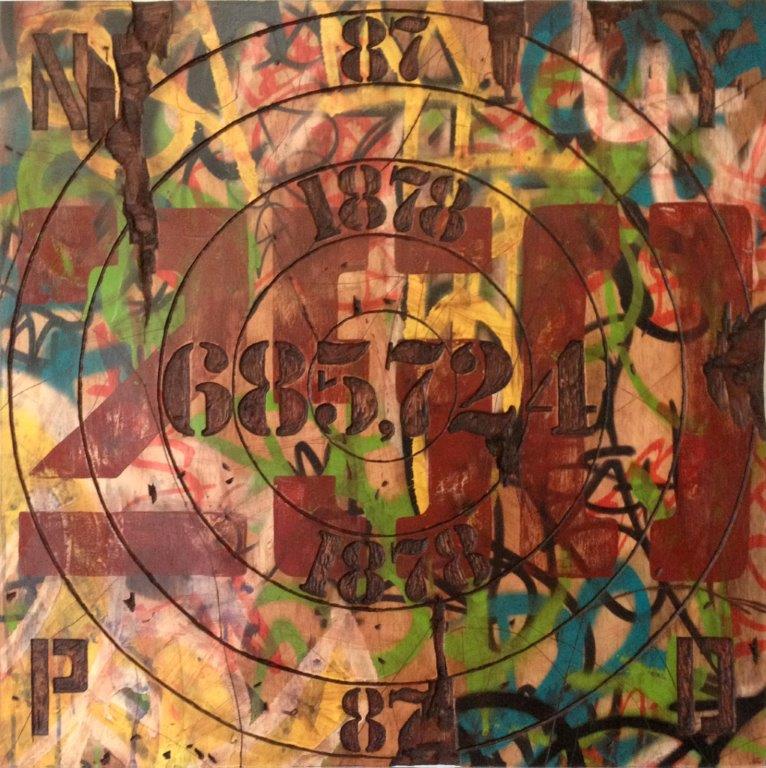 Scientists say that every time we recall a memory we are in fact re-creating that memory—altering it, making the memory more self-centered—while history, by some definitions, is the effort to establish a “true memory.” So can a true history exist if no true memory can be made?