 Exhibitions
The Afro-Futurist Manifesto Blackness Reimagined – Curatorial Statement
 Curatorial Statement
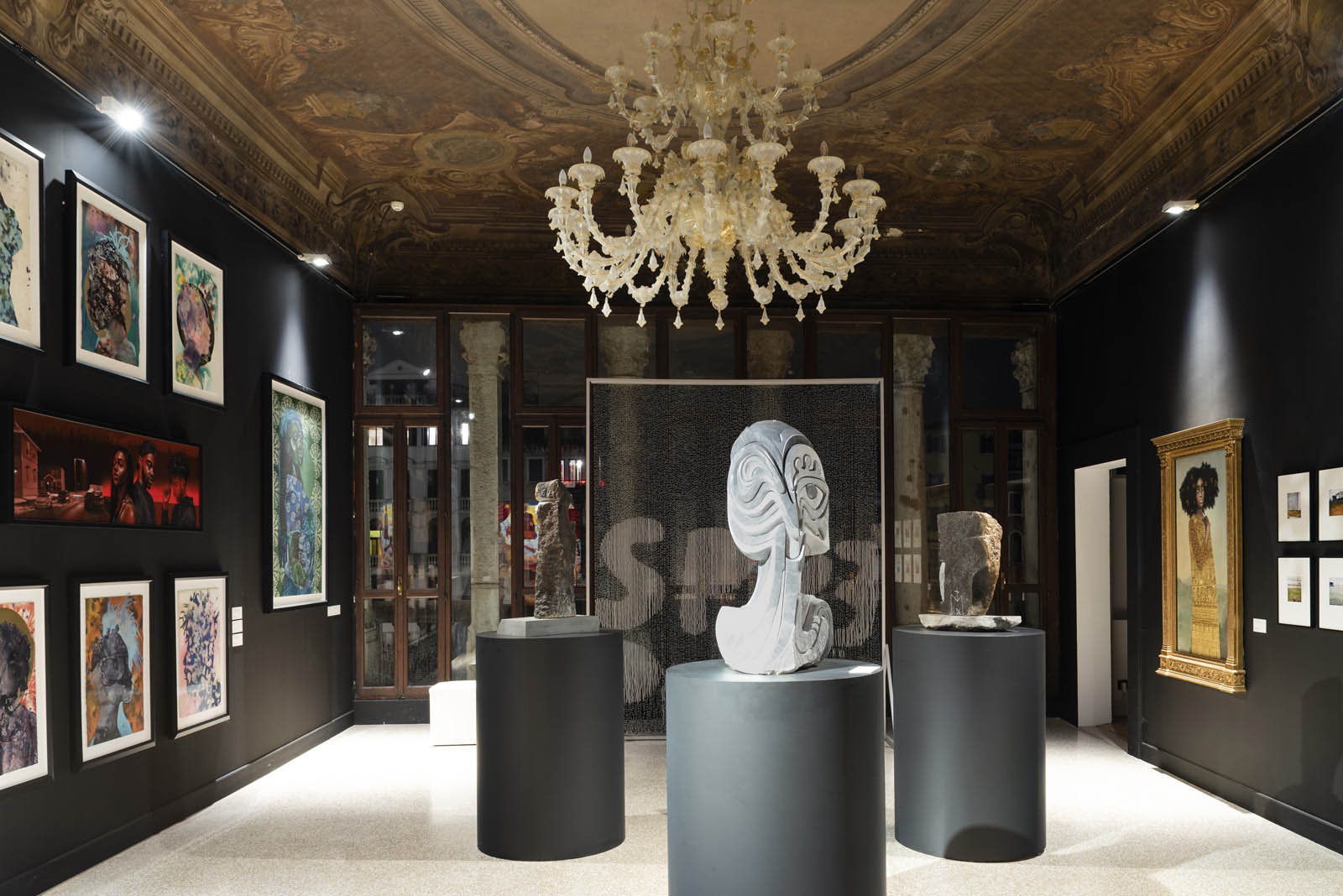
Blackness and the possibilities of its future are the impulses that drive the imaginations of African American artists who draw inspiration from Afrofuturism, Black existentialism, spirituality, and futurist thought to construct a Black universe of tomorrow. Imagery rooted in nuances of the Black experience offers counter-narratives that confront fictionalized characterizations of African Americans and cultural Otherness and offers, in place of them, the essence of Black humanity.
In The Afro-Futurist Manifesto: Blackness Reimagined, artists assert agency over narratives of Black life, offer discourse into the socio-political concerns of African Americans, and pay tribute to the resiliency, creativity, and spirituality that have historically sustained Black people.
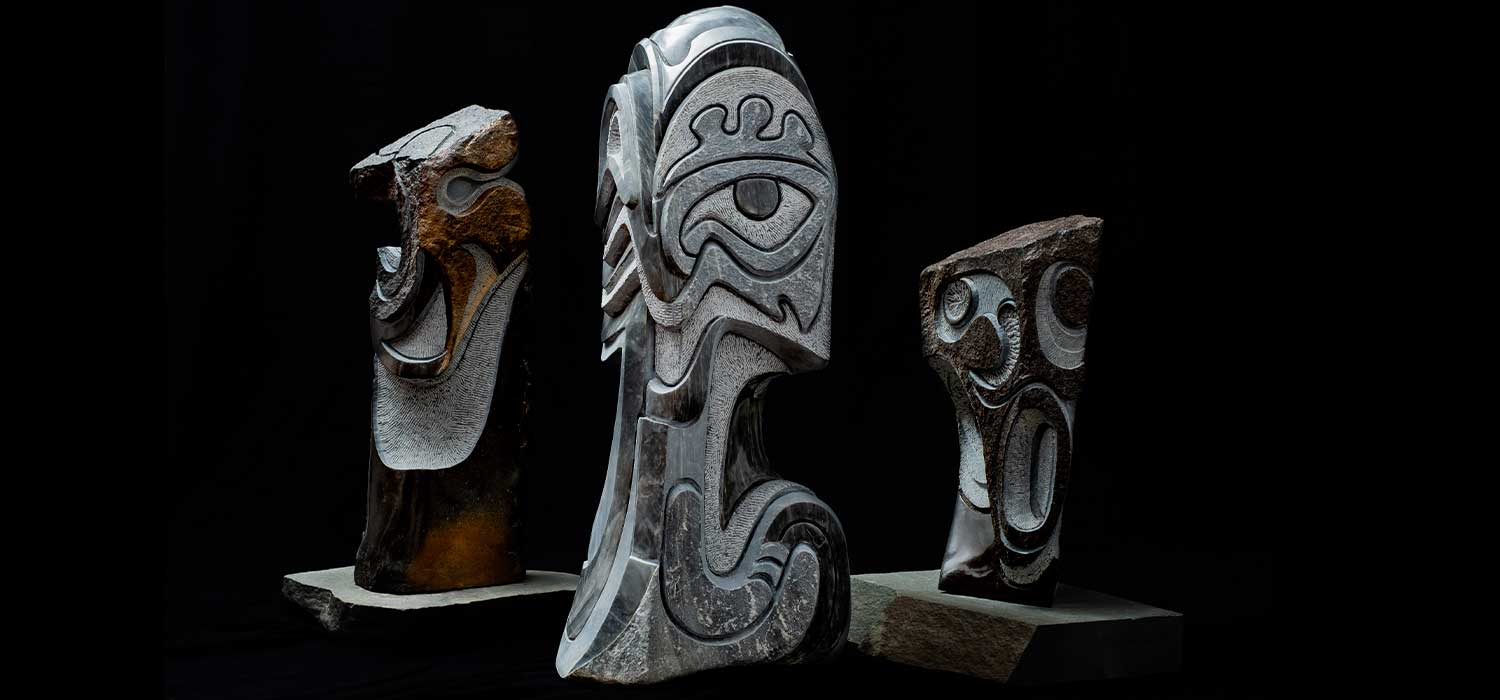
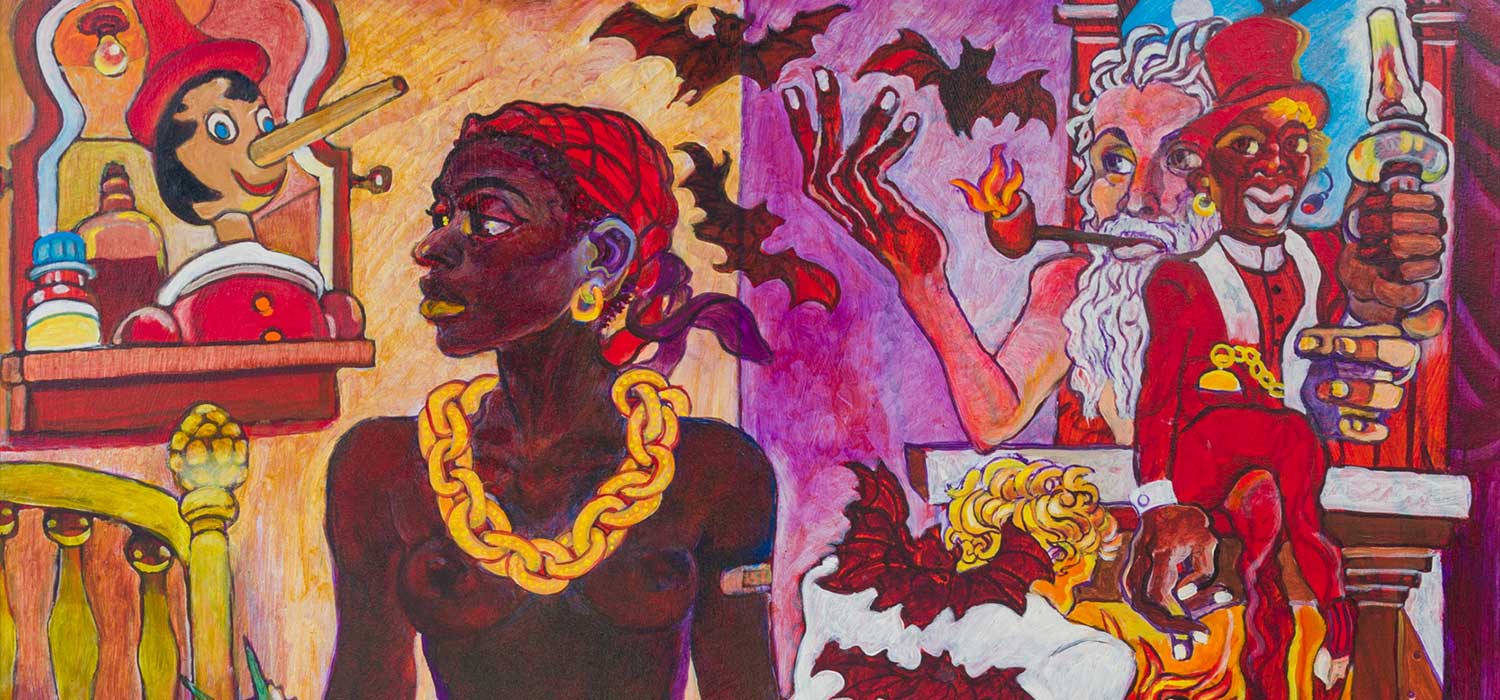
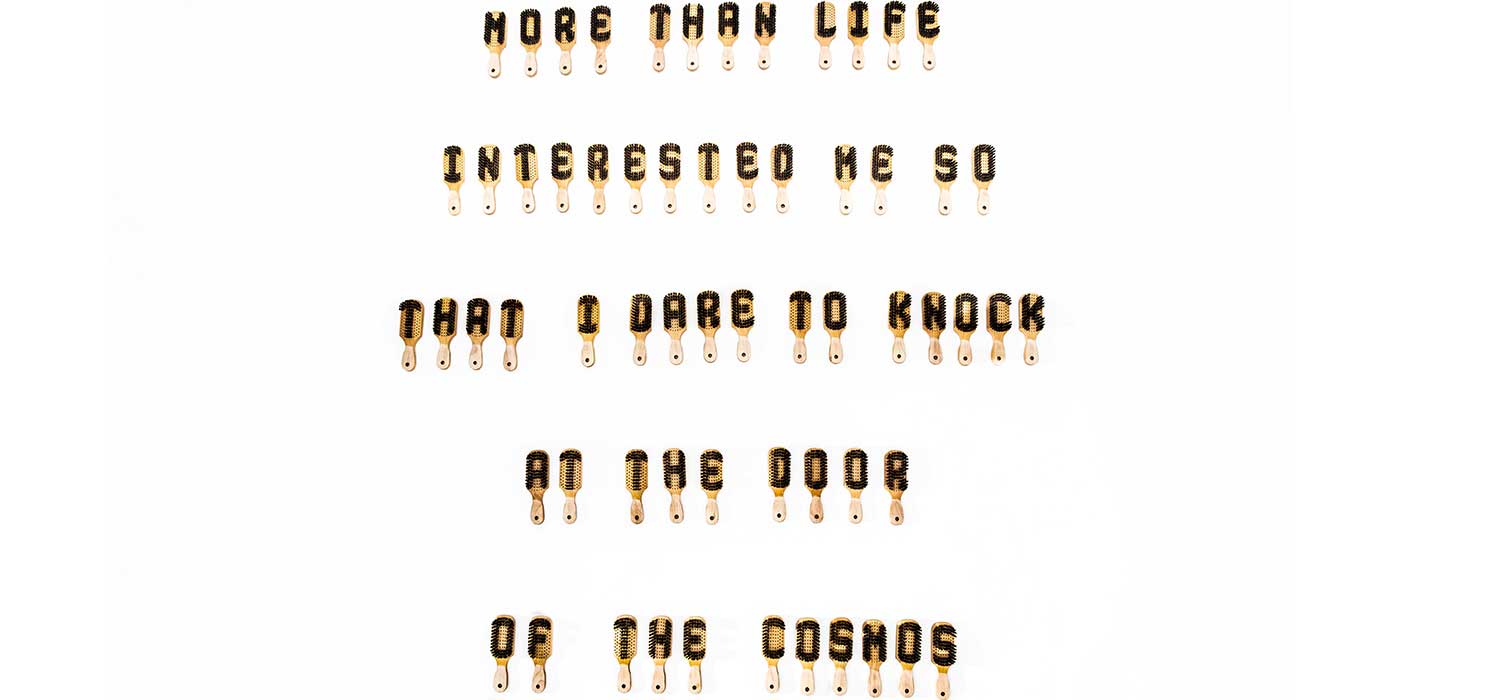
The concepts of time, space, and existence serve as the framework for exploring Blackness and its speculative future. Time, for Arvie Smith, serves as the metaphor for allegories that reinterpret Greek mythology, presenting Black women as goddesses. Preach It and Cupid and Psyche are testaments to the strength of Black women and battles fought for autonomy over their bodies against iniquitous systems of oppression. M. Scott Johnson turns to African American folklore, Afrofuturism, and Afro-surrealism in The Metamorphosis of High John the Conqueror: Tribute to an Afrofuturist Deity to make tangible the spirit of High John the Conqueror, the time-traveling shapeshifting folk hero manifest in the psyche of the enslaved. Felandus Thames’s Space is the Place and Door of the Cosmos, synthesized in the tradition of Black improvisational music and the futurist philosophy of Sun Ra, explores the spirituality of “Black Interiority divorced of references to the corporal body and its relations to trauma, objectivity, and labor.”
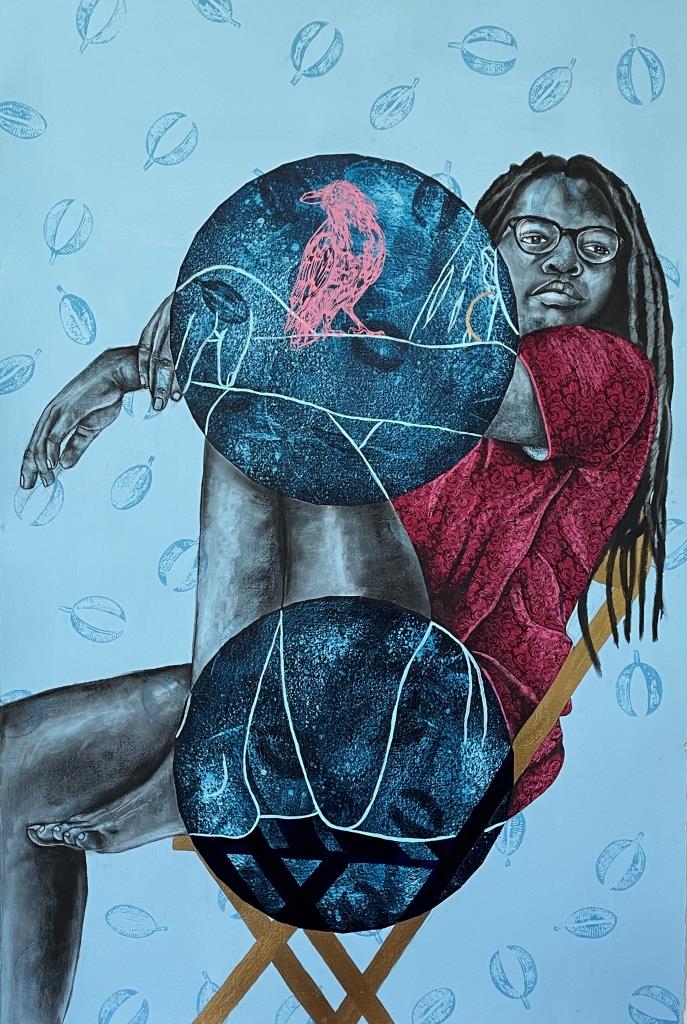
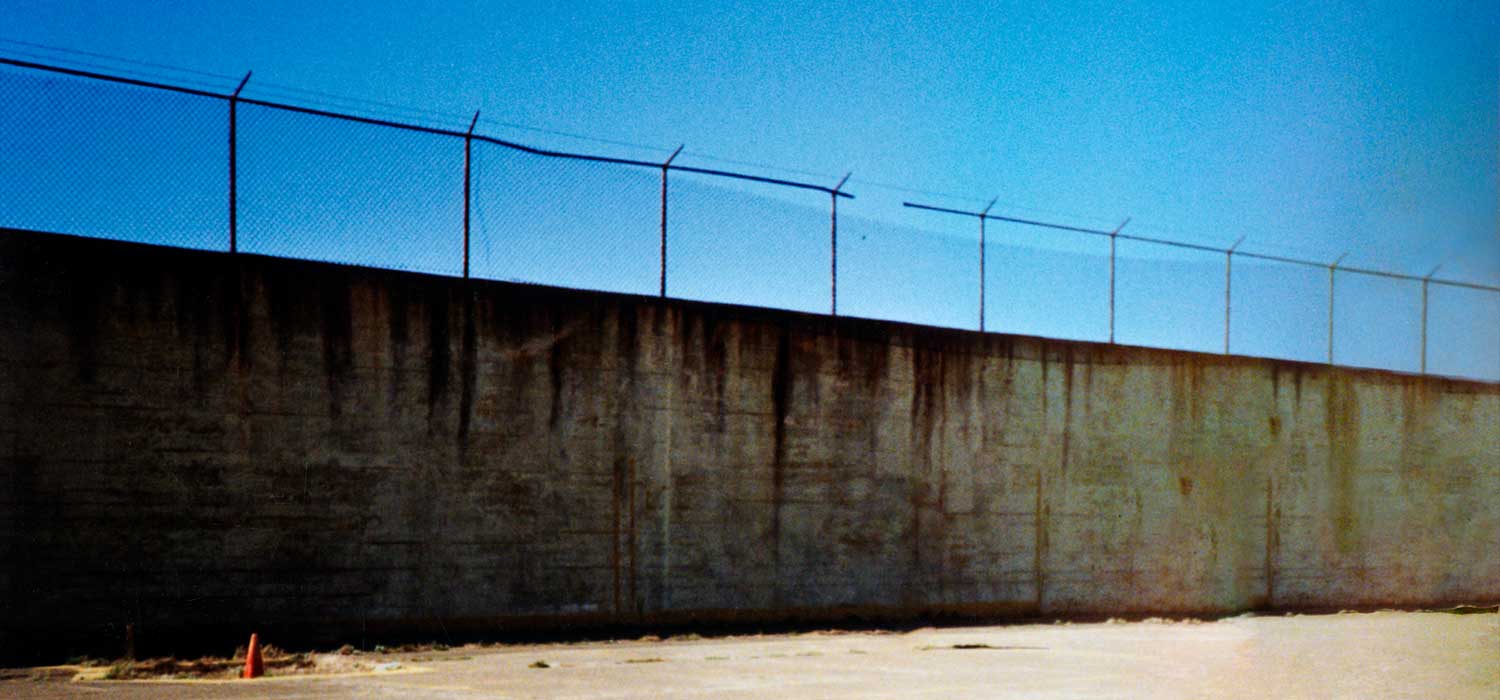
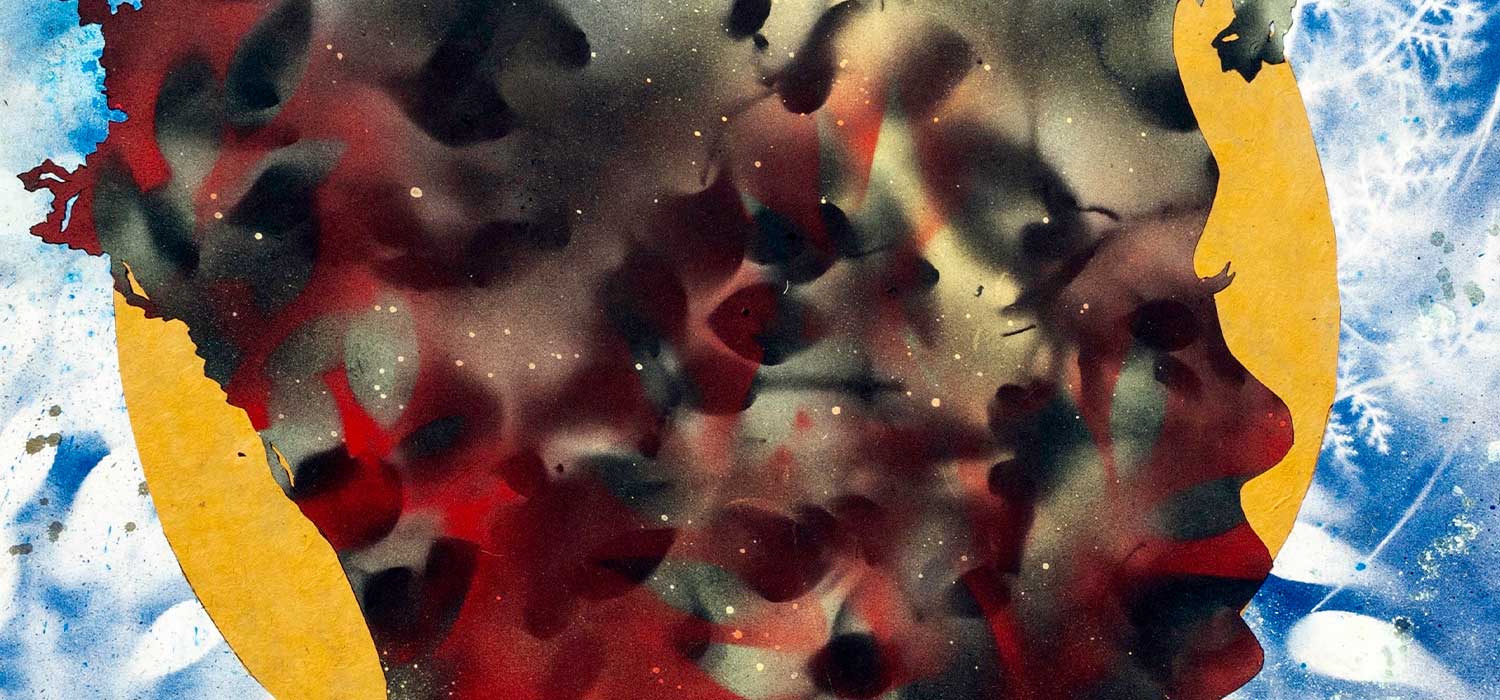
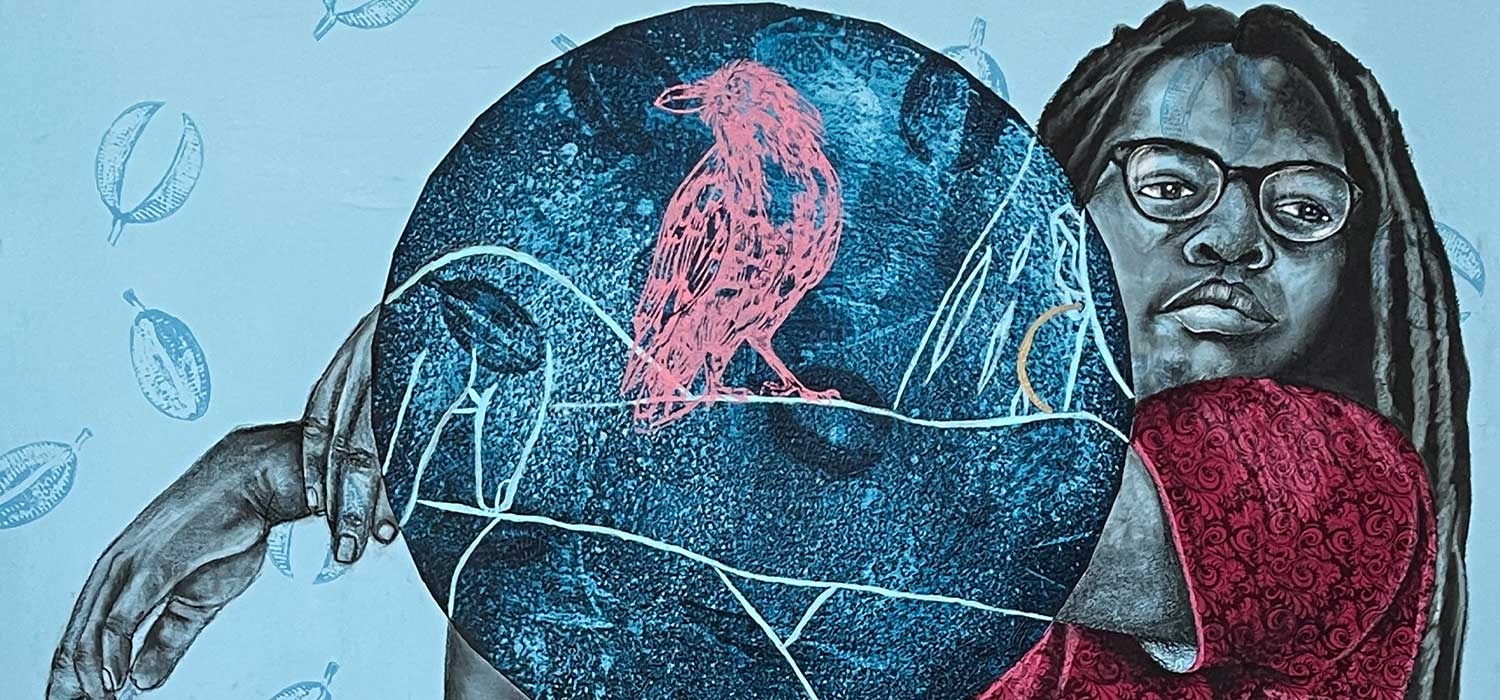
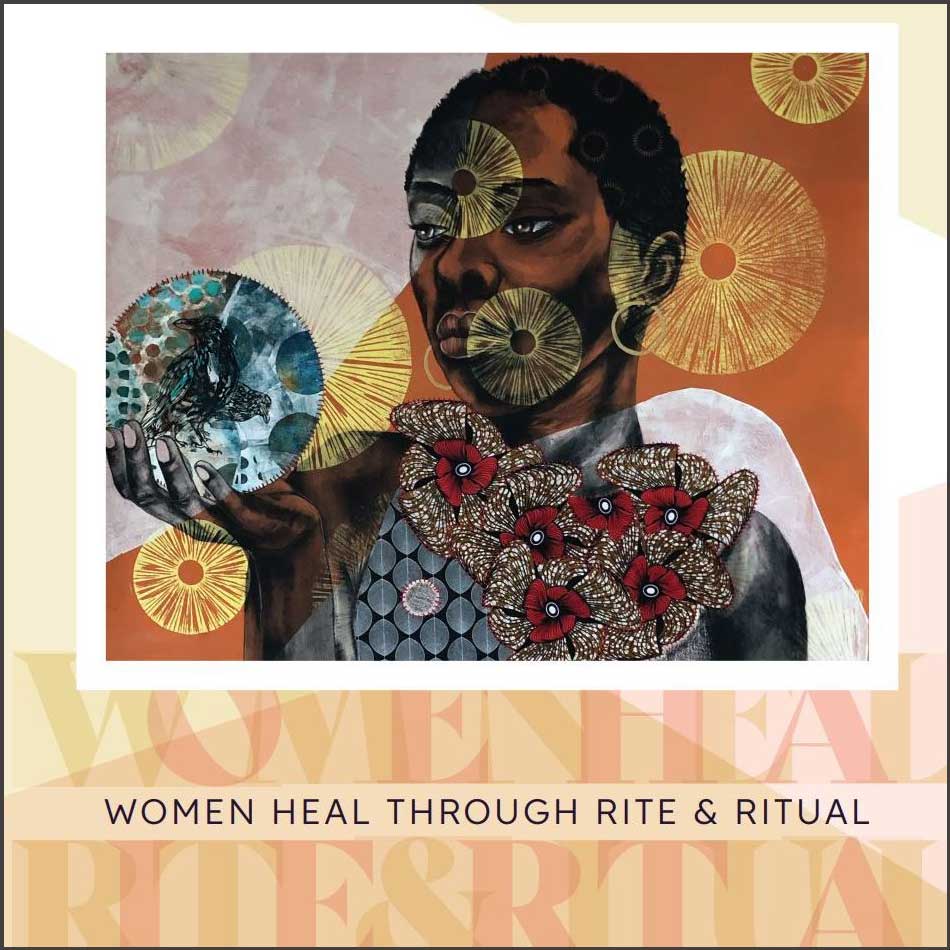
Space leads to Larry Cook’s series The Other Side of Landscape, vernacular photographs that challenge the structure of the U.S. prison industrial complex and its 40 percent Black population. Through digital manipulation, prisoners who once occupied the “yard” are liberated. The barren landscape becomes the “escapist backdrop for a system free of human captivity.” Morel Doucet’s assemblage portraits address environmental racism. In After All That, We Still Stand (When Black Lives Look Blue), colorful silhouettes surrounded by flora and fauna provoke commentary on the displacement of Black people from their homes and communities. Delita Martin’s prints Visionary and Follow Me Little Bird explores Black women’s spirituality and ascent to a higher self. The overlapping of portraits, patterns, colors, and textures form liminal landscapes, “veilspaces,” as portals where the spiritual and waking worlds coexist.
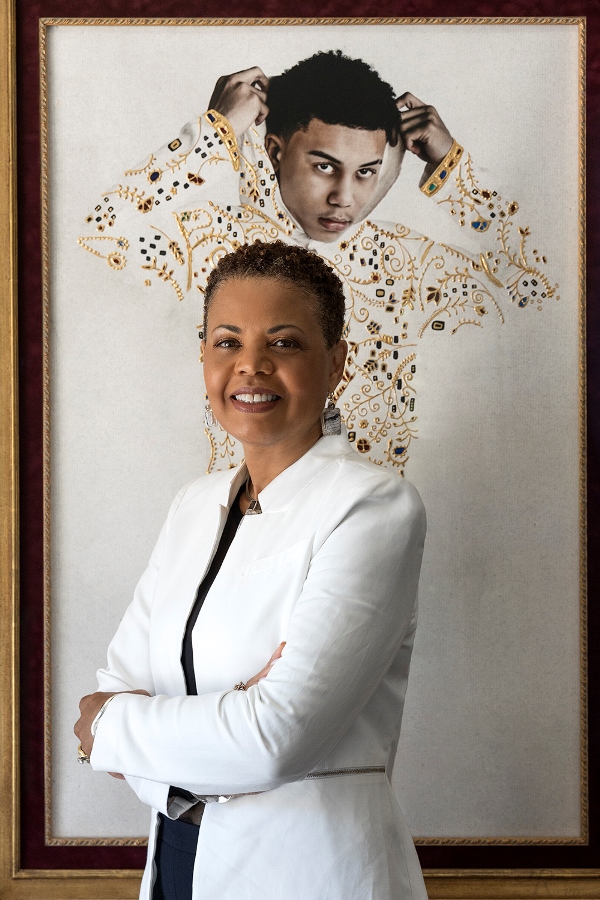
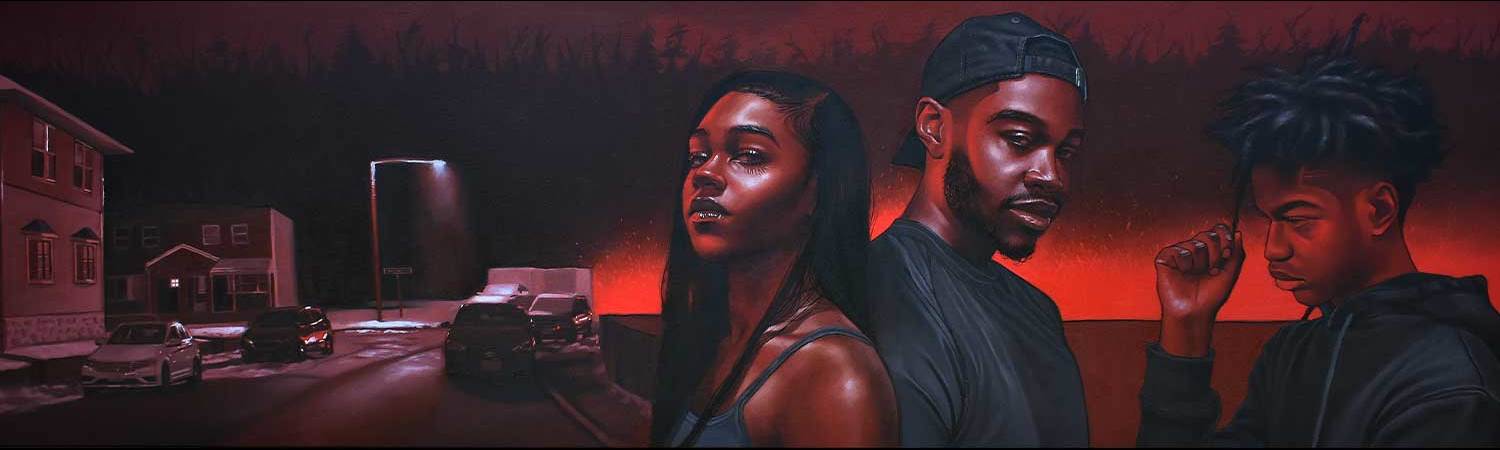
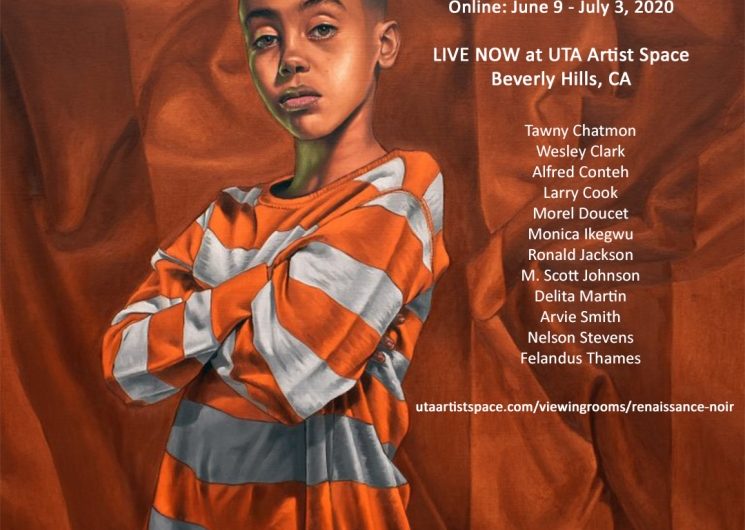
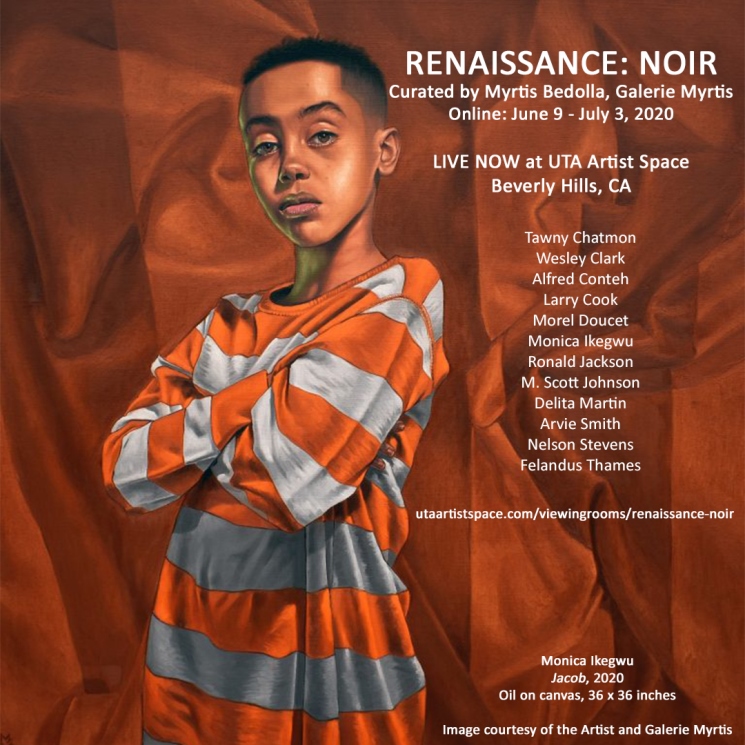
Existence, as portrayed in photographs by Tawny Chatmon, centers Black children in Italian landscapes as a reaction against the historical erasure of Blackness. In Chatmon’s Pastoral Scenes series, Monique in Pastiglia and Ahmad in Pastiglia are influenced by the work of 15th-century Italian artists (such as Vittore Crivelli & Fra Angelico) and the practice of Pastiglia. They are adorned with African symbolism, which celebrates their ancestry and affirms their preciousness and humanity. Interpreting the inherent possibilities of Black youth free of negative stereotypes is the impulse that drives painter Monica Ikegwu. Subjects rendered through the lens of a Black aesthetic represent the next generation of leaders: Chidera, Brandee, and youth featured in We Outside exude confidence as futurists who will fight for societal change.
Myrtis Bedolla, Curator
artwork:
Visionary, 2021
Relief Printing, Charcoal, Pastels, Acrylic 40×60 (unframed) 2021
60 x 40 ″
Delita Martin





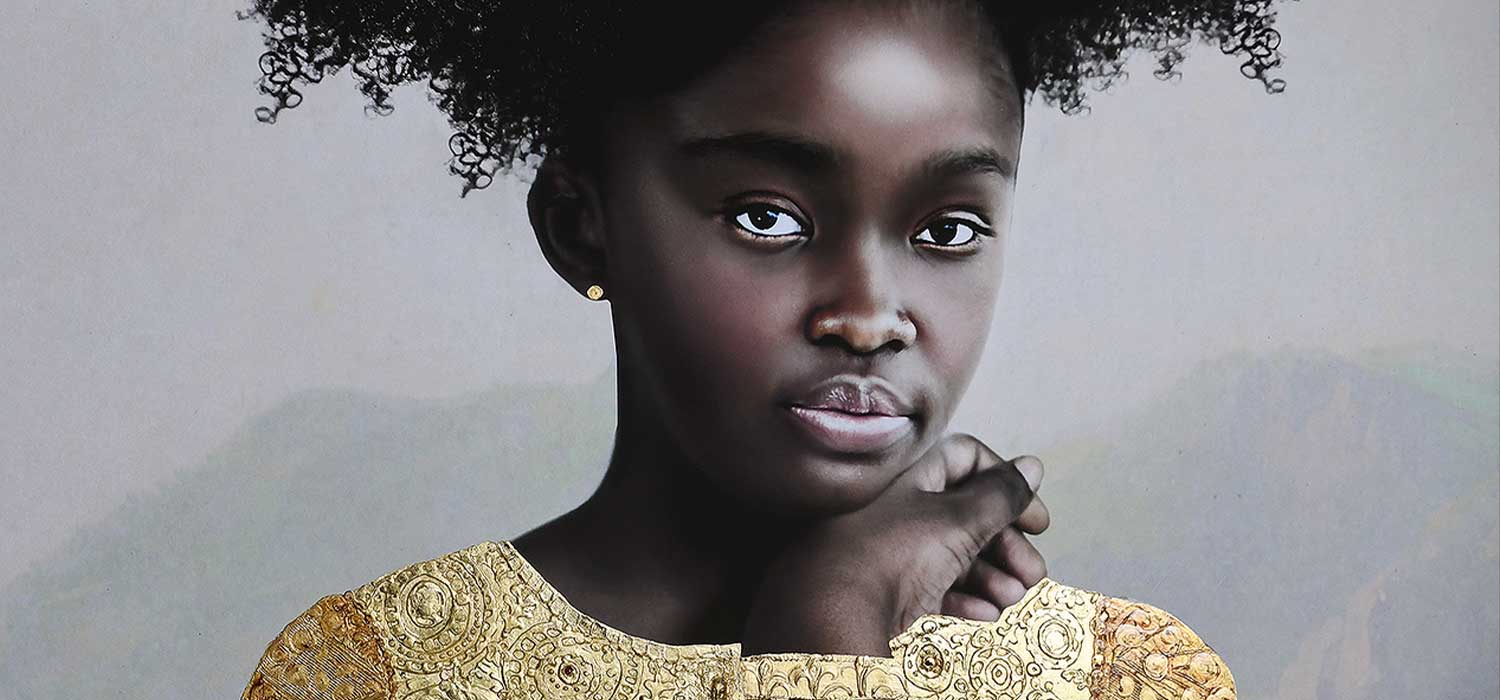


 Tawny Chatmon (b. 1979, Tokyo, Japan) is a self‐taught, award‐winning artist who has been working in the field of photography for more than 17 years. The primary theme that drives Chatmon’s practice is celebrating the beauty of black childhood. She is currently devoted to creating portraits that are inspired by artworks spanning various periods in Western Art with the intent of bringing to the forefront faces that were often under‐celebrated in this style of work.
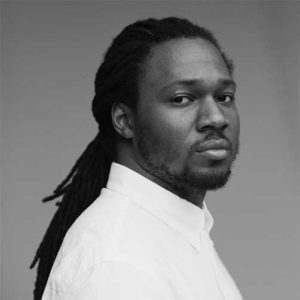 Larry Cook (b. 1986, Laurel, Maryland) is an award-winning photographer and conceptual artist whose work spans installation, video, and photography. Cook’s work explores the cultural aesthetic of “club” photography to examine how urban culture and incarceration systems become entwined through backdrops. The backdrop is central for its relationship to the formal, social, and cultural aspects of photographic history.
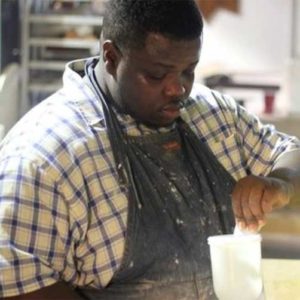 Morel Doucet (b. 1990, Pilate, Haiti) is a Miami‐based multidisciplinary artist and arts educator that hails from Haiti. He employs ceramics, illustrations, and prints to examine the realities of climate‐gentrification, migration, and displacement within the Black diaspora communities.
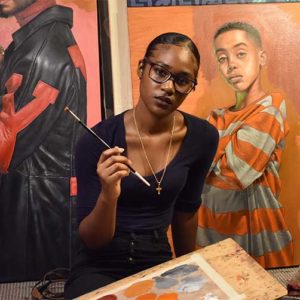 Monica Ikegwu (b.1998, Baltimore, Maryland) is a figurative painter. She presents her ideas of the figure in a way that is not only captivating, but also unconventional in her use of color, texture, and composition.
 M. Scott Johnson (b. 1968, Inkster, Michigan) is a New York City‐based artist and educator, has carved out a legacy as one of the most stimulating and unique artists of his generation. M. Scott has explored, both in his practice and through his 20‐year visual arts teaching residency at the Schomburg Center for Research in Black Culture in Harlem, New York, a rich vision of contemporary Afro‐aesthetics.
 Delita Martin (b. 1972, Conroe, Texas) is a master printmaker, illustrator, and painter based in Huffman, Texas. Through the weaving of history and storytelling, Martin offers a new narrative on the power of women whose stories are not only layered in textures and techniques but also symbolism.
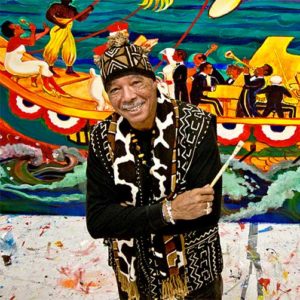 Arvie Smith (b.1938, Houston, Texas) transforms the history of oppressed and stereotyped segments of the American experience into lyrical two‐dimensional master works.
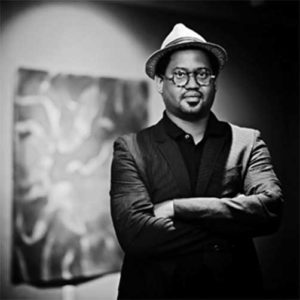 Felandus Thames (b. 1974, Jackson, Mississippi) is a conceptual artist living and practicing in the greater New York area. Thames’ work attempts to transcend didacticisms that are typically associated with anachronistic understandings of representation and instead aligns itself with ideas around the taxonomy of human difference.
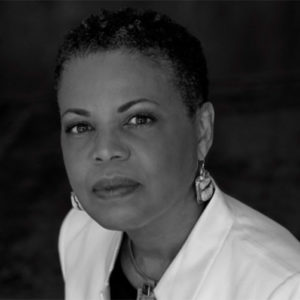 Myrtis Bedolla is the owner and founding director of Galerie Myrtis, an emerging blue-chip gallery and art advisory specializing in twentieth and twenty-first-century American art with a focus on work created by African American artists. Bedolla possesses over 30 years of experience as a curator, gallerist, and art consultant.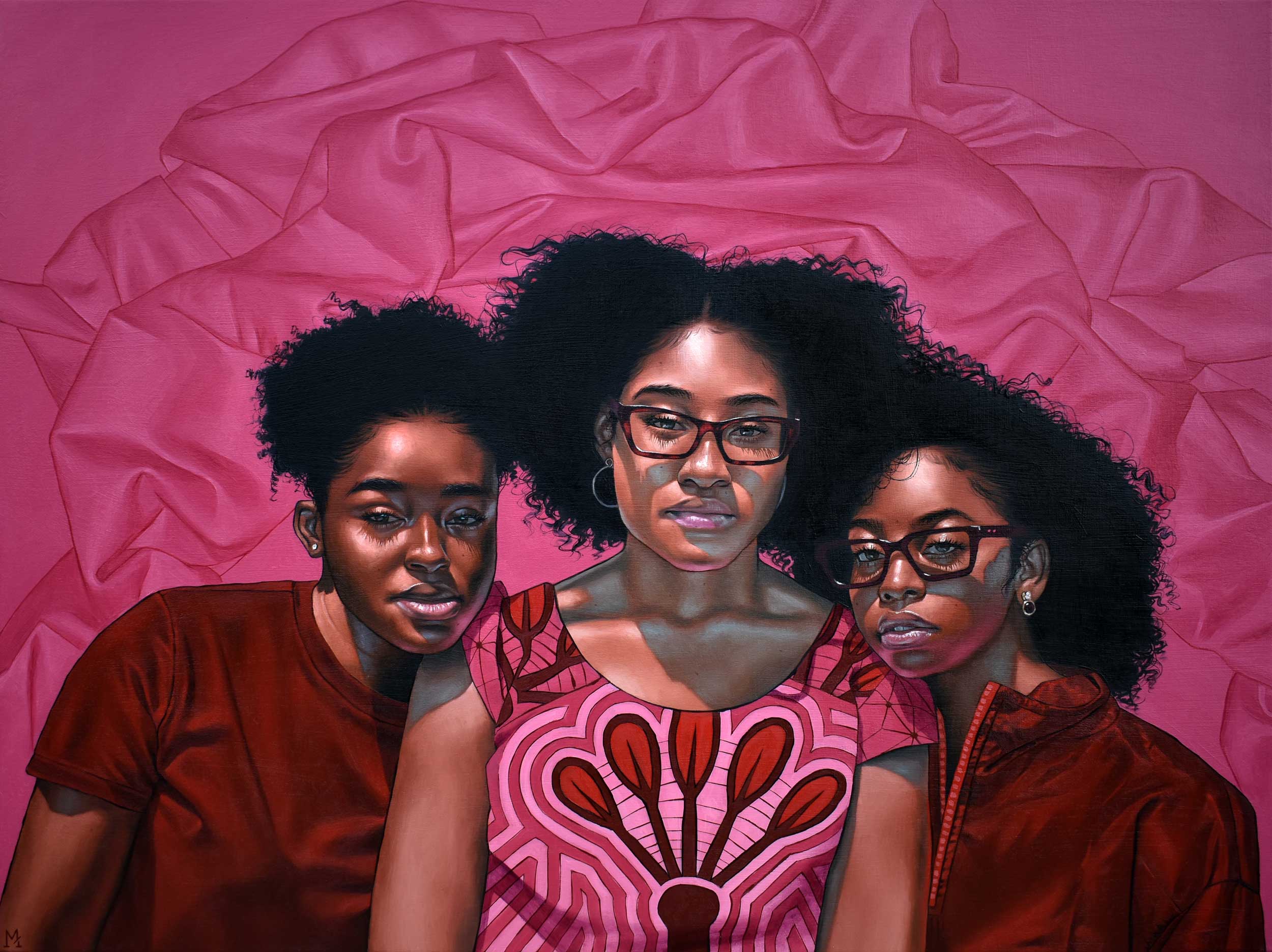
 Exhibition Catalogue